Why Shop Lighting Layout Matters More Than Ever
Imagine walking into a retail space where every product shines under perfectly positioned lights. The ambiance feels inviting, the colors pop, and customers naturally gravitate toward displays. That’s the power of a well-executed shop lighting layout. For lighting contractors, mastering this skill isn’t just about making spaces look good—it’s about delivering measurable value to clients.
Retailers rely heavily on lighting to influence shopper behavior. Studies show that well-lit stores can increase sales by up to 20%. Poor lighting, on the other hand, can make products appear dull and unappealing, driving customers away. Contractors who understand the nuances of shop lighting layouts position themselves as indispensable partners rather than just installers.
Moreover, the psychological impact of lighting cannot be overstated. Warm, soft lighting can create a sense of comfort, encouraging customers to linger longer in a store, while cooler, brighter lights can energize a space, making it feel more dynamic and modern. Retailers often use different lighting techniques to highlight specific areas or products, such as accent lighting for high-end merchandise or ambient lighting to create a welcoming atmosphere. This strategic use of light not only enhances the shopping experience but also helps to convey the brand’s identity and values, making it essential for contractors to stay updated on the latest trends and technologies in lighting design.
Additionally, energy efficiency has become a critical consideration in retail lighting layouts. With the rise of LED technology, contractors can offer solutions that not only save on energy costs but also provide longer-lasting illumination. This not only benefits the retailer’s bottom line but also aligns with growing consumer preferences for sustainability. By incorporating smart lighting systems that adjust based on natural light levels or customer traffic, contractors can help retailers create a more adaptable and responsive shopping environment, ultimately leading to increased customer satisfaction and loyalty.
Understanding the Client’s Vision and Business Needs
Beyond Lumens: Aligning Lighting with Brand Identity
Every retail brand has a unique story and personality. Lighting should amplify that narrative, not detract from it. For example, a high-end fashion boutique demands a different lighting approach than a bustling grocery store. The former might prioritize soft, flattering light that enhances textures and colors, while the latter needs bright, uniform illumination for clarity and visibility.
Contractors who take the time to understand these subtleties can tailor lighting layouts that resonate with the brand’s identity. This means asking the right questions upfront: What mood does the client want to create? Are there specific products that need highlighting? How does the store layout influence traffic flow? These insights guide the technical design and ensure client satisfaction.
Moreover, understanding the brand’s target demographic is crucial. For instance, a store catering to a younger audience may benefit from dynamic lighting that changes with the time of day, creating an engaging shopping experience. In contrast, a store focused on an older demographic might require more traditional lighting that emphasizes comfort and familiarity. By aligning the lighting strategy with the brand’s audience, contractors can create an environment that not only attracts customers but also fosters loyalty and repeat visits.
Considering Operational Factors
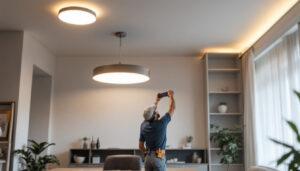
Lighting isn’t just about aesthetics; it impacts daily operations. Maintenance access, energy consumption, and flexibility for seasonal changes all factor into a successful layout. For instance, adjustable track lighting allows retailers to spotlight new merchandise easily. Energy-efficient LED fixtures reduce costs and align with sustainability goals, which many clients now prioritize.
Contractors who integrate these operational considerations into their layouts demonstrate forward-thinking professionalism. It’s a clear sign they’re invested in the client’s long-term success, not just the immediate installation. Additionally, the choice of lighting technology can play a pivotal role in operational efficiency. Smart lighting systems, which can be programmed to adjust based on occupancy or time of day, not only save energy but also enhance the shopping experience by creating a responsive environment. This adaptability can be particularly beneficial in retail settings where promotional displays frequently change, allowing for quick adjustments that keep the store fresh and inviting.
Key Elements of an Effective Shop Lighting Layout
Layered Lighting Strategy
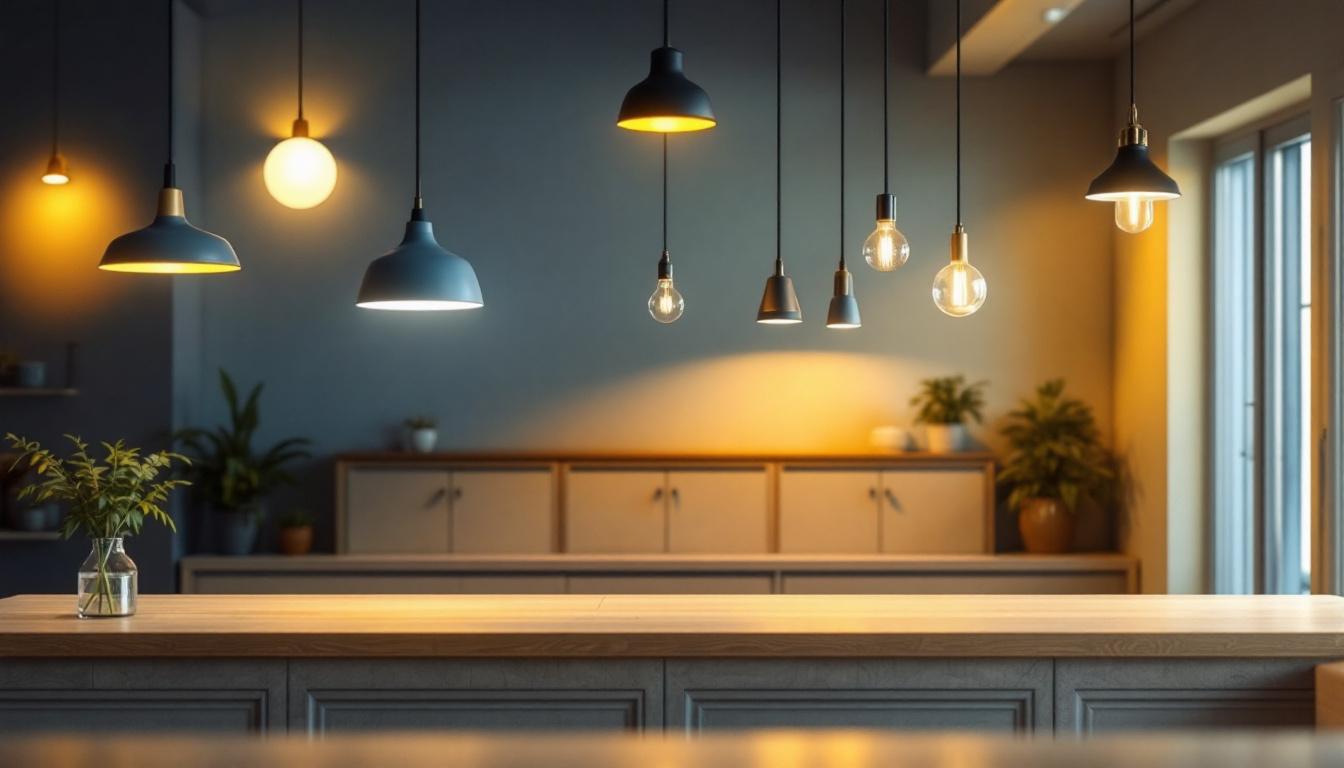
Effective shop lighting isn’t a one-size-fits-all solution. It requires layering various types of lighting to create depth and interest. Ambient lighting provides overall illumination, task lighting focuses on specific areas like checkout counters, and accent lighting draws attention to featured products.
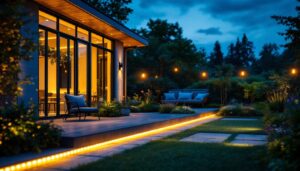
For example, combining recessed ceiling lights with adjustable spotlights and LED strip lights under shelves can create a dynamic environment. This layered approach enhances the shopping experience by guiding customers naturally through the space and highlighting key merchandise.
Color Temperature and Color Rendering Index (CRI)
Color temperature influences how colors appear under artificial light. Warmer tones (around 2700K to 3000K) evoke comfort and intimacy, suitable for luxury or boutique stores. Cooler temperatures (4000K to 5000K) provide a crisp, clean look ideal for supermarkets or electronics retailers.
CRI measures how accurately a light source reveals colors compared to natural light. A high CRI (above 80) is crucial for retail environments where product colors must be true to life. Lighting contractors who specify fixtures with appropriate color temperature and CRI help clients avoid costly misrepresentations and returns.
Lighting Controls and Smart Integration
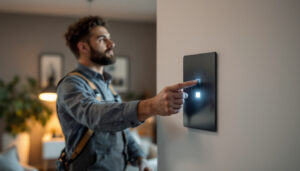
Modern lighting systems often include controls that adjust brightness, color temperature, and scheduling. These features allow retailers to adapt lighting based on time of day, season, or promotional events. For contractors, incorporating smart controls can be a significant selling point.
For instance, a lighting layout that includes daylight sensors can automatically dim artificial lights when natural light is sufficient, reducing energy consumption. Motion sensors in backrooms or storage areas ensure lights are off when not needed. These smart integrations not only save money but also appeal to environmentally conscious clients.
Design Tools and Technologies to Enhance Layout Precision
Utilizing Lighting Design Software
Gone are the days of sketching layouts by hand. Advanced lighting design software enables contractors to create detailed, photorealistic renderings of proposed lighting schemes. These tools simulate light distribution, intensity, and shadows, helping contractors and clients visualize the final result before installation.
Software like DIALux or AGi32 allows precise calculations of illuminance levels and energy consumption. This data-driven approach builds client confidence and helps avoid costly errors or adjustments post-installation.
Embracing Virtual and Augmented Reality
Some forward-thinking contractors now use virtual reality (VR) or augmented reality (AR) to showcase lighting layouts. Clients can “walk through” the space virtually and experience how different lighting options affect the environment. This immersive experience often accelerates decision-making and enhances client satisfaction.
While VR and AR require upfront investment, they differentiate contractors in a competitive market and foster stronger client relationships.
Common Challenges and How to Overcome Them
Balancing Budget Constraints with Quality
Clients often have tight budgets but high expectations. It’s crucial for contractors to manage these expectations transparently while proposing solutions that don’t compromise quality. Offering phased implementations or recommending energy-efficient fixtures that reduce long-term costs can be effective strategies.
Clear communication about the trade-offs between upfront costs and ongoing savings helps clients make informed decisions and positions contractors as trusted advisors.
Dealing with Complex Store Layouts
Irregular floor plans, high ceilings, or mixed-use spaces can complicate lighting design. Contractors must be adaptable, sometimes combining different mounting methods or custom fixtures to achieve uniform illumination and highlight focal points.
Collaborating closely with architects and interior designers ensures the lighting complements other design elements and meets functional requirements. This teamwork often leads to innovative solutions that impress clients.
Ensuring Compliance and Safety
Retail lighting must comply with local codes and standards, including emergency lighting and accessibility requirements. Contractors who proactively incorporate these elements into their layouts avoid costly rework and liability issues.
Staying current with regulations and obtaining necessary permits demonstrates professionalism and protects both the contractor and the client.
Building Your Competitive Edge Through Shop Lighting Expertise
Offering Consultative Services
Lighting contractors who position themselves as consultants rather than just installers add significant value. By guiding clients through the entire process-from concept to maintenance-they build trust and long-term partnerships.
Providing educational resources, case studies, and post-installation support further distinguishes contractors in a crowded market.
Showcasing Portfolio and Success Stories
Demonstrating past successes with detailed before-and-after photos, client testimonials, and measurable results (like energy savings or sales increases) can influence prospective clients. A strong portfolio signals expertise and reliability.
Highlighting diverse projects-from small boutiques to large department stores-shows versatility and adaptability.
Continuing Education and Industry Trends
The lighting industry evolves rapidly with new technologies and design philosophies. Contractors who invest in ongoing education stay ahead of trends and offer cutting-edge solutions. Certifications from recognized organizations and attendance at trade shows or webinars reinforce credibility.
Being the first to introduce innovations like human-centric lighting or IoT-enabled systems can capture new business opportunities.
Conclusion: Lighting Layout as a Strategic Advantage
Shop lighting layout is more than a technical task; it’s a strategic service that can elevate a lighting contractor’s role from vendor to trusted partner. By understanding client needs, leveraging advanced tools, and navigating challenges skillfully, contractors can deliver lighting solutions that drive retail success.
In a competitive market, expertise in shop lighting layout is a clear differentiator. It opens doors to larger projects, repeat business, and stronger client relationships. For lighting contractors ready to sharpen their skills and expand their offerings, mastering shop lighting layout is a decisive step forward.
Take Your Lighting Projects to the Next Level with LumenWholesale
Ready to transform your lighting layouts into strategic assets that impress clients and drive business growth? At LumenWholesale, we’re committed to equipping you with the highest quality, spec-grade lighting products at prices that make sense for your bottom line. Say goodbye to the middleman and hello to a world of premium lighting solutions that meet the most rigorous industry standards. With our hassle-free bulk buying and free shipping, you can ensure every project shines without the worry of hidden fees. Elevate your lighting game and give your clients the competitive edge they deserve. Discover the unbeatable value and convenience of Wholesale Lighting at the Best Value today!