Understanding Can Lighting: The Basics and Beyond
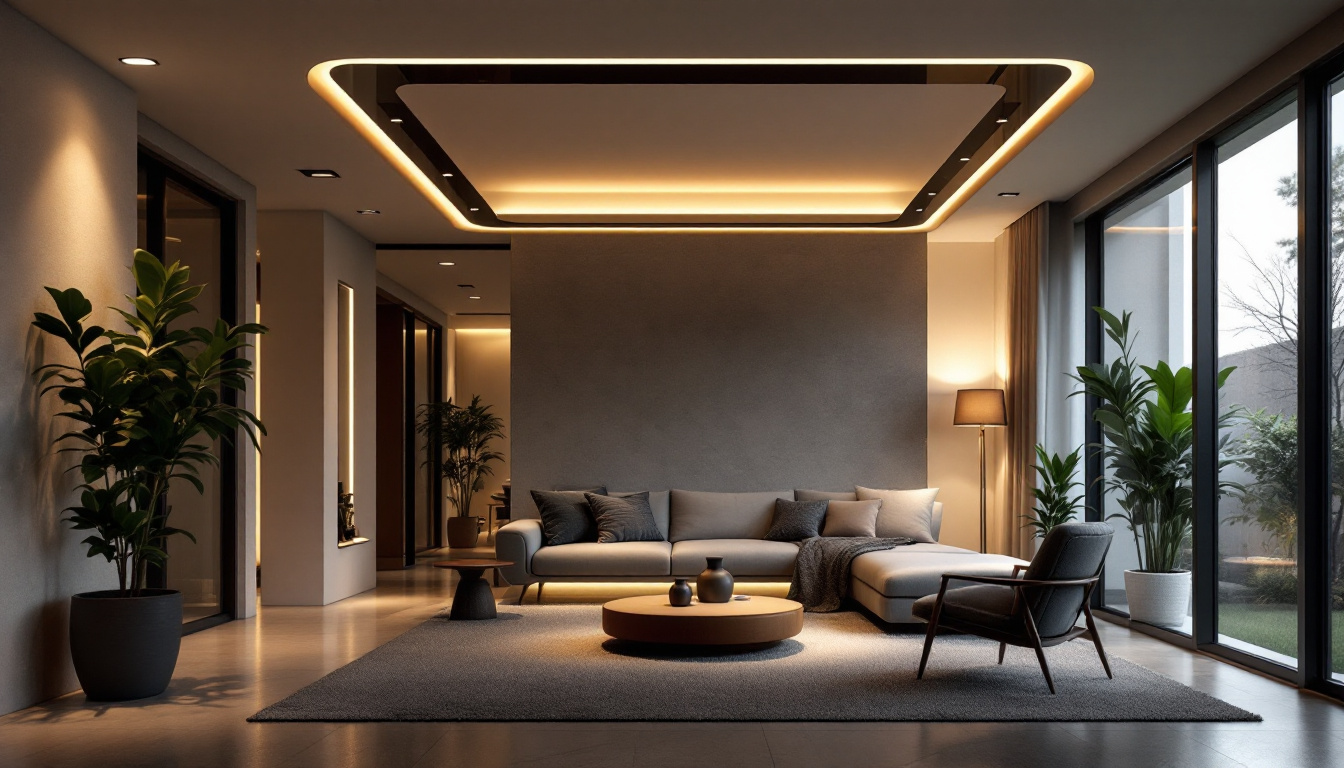
Can lighting, often called recessed lighting, is a staple in both residential and commercial lighting design. It refers to light fixtures installed into hollow openings in ceilings, creating a sleek, unobtrusive source of illumination. Unlike traditional hanging fixtures, can lights sit flush with the ceiling, offering a clean and modern look that blends seamlessly with the architecture.
At its core, can lighting provides focused, ambient, or accent lighting depending on the bulb type and placement. The fixture itself consists of a housing (the “can”) that contains the bulb and wiring, a trim that finishes the visible edge, and the bulb. This simplicity belies the versatility and complexity that can lighting brings to a space.
For lighting contractors, understanding the nuances of can lighting is crucial. It’s not just about installing a fixture; it’s about knowing how to optimize light distribution, energy efficiency, and aesthetic appeal. The right can lighting setup can transform a room, enhancing functionality and mood without overwhelming the design.
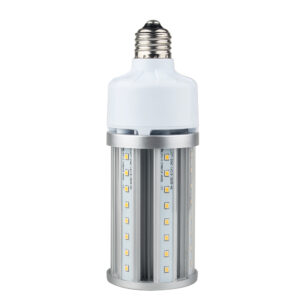
Moreover, the choice of bulb can significantly influence the overall ambiance of a space. LED bulbs, for instance, are increasingly popular due to their energy efficiency and long lifespan, providing bright, clear light while consuming less power. On the other hand, incandescent bulbs offer a warm glow that can create a cozy atmosphere, ideal for living rooms or bedrooms. Additionally, dimmable options allow for further customization, enabling users to adjust the intensity of light to suit different activities or times of day.
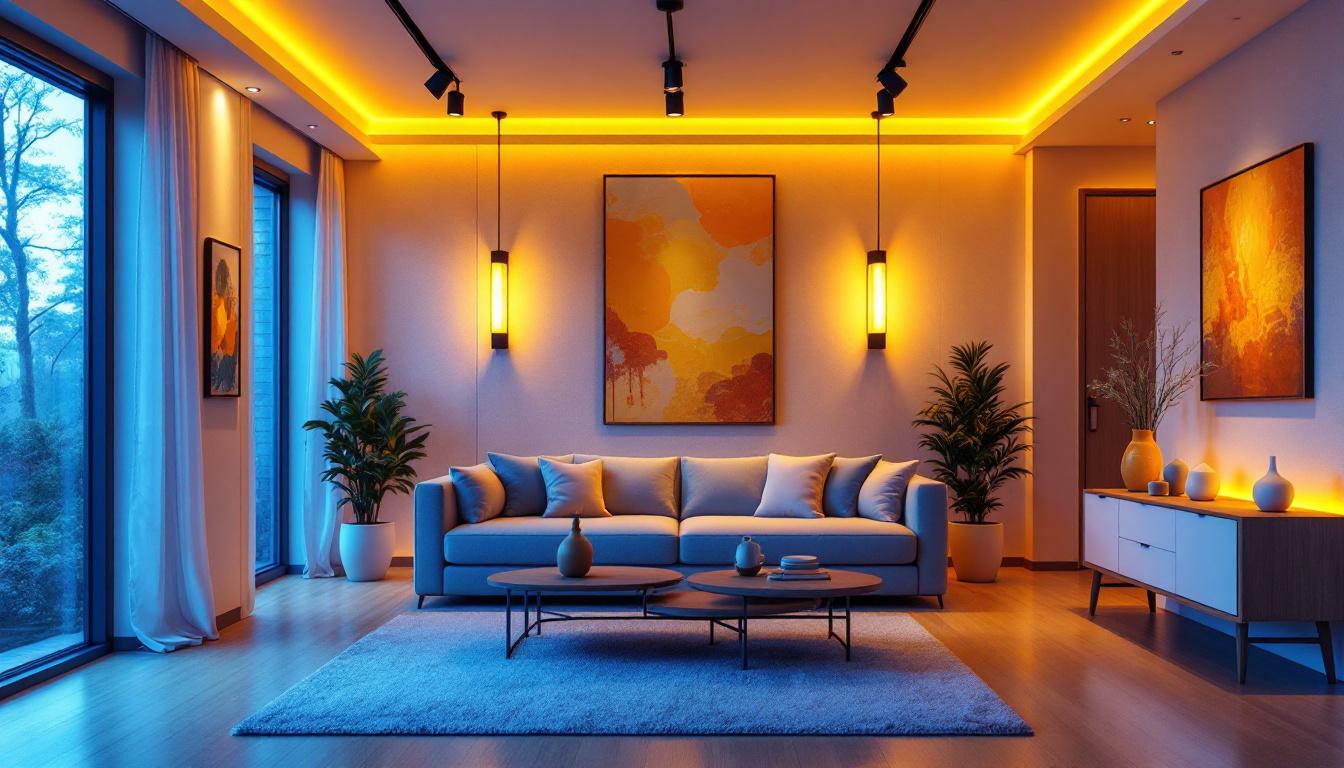
Another important aspect to consider is the placement of can lights. Proper spacing and alignment can enhance the visual appeal and functionality of a room. For instance, in a kitchen, strategically placed can lights can illuminate work areas while avoiding harsh shadows. In contrast, in a home theater, a carefully designed layout can create an immersive experience without distracting glare. Understanding the specific needs of each room is essential for maximizing the benefits of can lighting, ensuring that every corner is well-lit and inviting.
Key Features That Define Quality Can Lighting Installations
Precision in Placement and Layout
One of the biggest challenges in can lighting is determining the ideal placement. Top contractors recognize that improper spacing or positioning can lead to uneven lighting, shadows, or glare. The goal is to create a balanced light pattern that complements the room’s purpose and design.
For example, in kitchens or workspaces, can lights should be positioned to eliminate shadows on countertops. In living areas, a more diffuse, ambient effect might be preferred. This requires a deep understanding of lighting principles and the specific needs of the client’s space. Additionally, the height of the ceiling plays a crucial role in this equation; higher ceilings may necessitate more powerful fixtures or a different arrangement to ensure that light reaches the intended areas effectively. Contractors often utilize lighting design software to simulate various layouts, allowing clients to visualize the final outcome before installation begins.
Choosing the Right Fixtures and Bulbs
Not all can lights are created equal. High-quality fixtures come with features like airtight housings to prevent air leakage, compatibility with various bulb types (LED, halogen, CFL), and trims that match the room’s style. Selecting the right bulb is equally important—LEDs are favored for their longevity and energy efficiency, while halogens might be chosen for their color rendering.
Top contractors stay updated on the latest lighting technologies and standards, ensuring their installations meet or exceed energy codes and client expectations. They also consider dimmability and smart lighting integration to offer clients greater control over their lighting environment. Moreover, the color temperature of the bulbs can significantly affect the mood of a space; warmer tones can create a cozy atmosphere, while cooler tones may enhance focus and productivity. This nuanced approach to bulb selection allows for a tailored lighting experience that aligns with the client’s lifestyle and preferences.
Attention to Safety and Code Compliance
Safety is non-negotiable when it comes to electrical installations. Can lighting involves working within ceiling cavities, often near insulation and other building materials. Proper insulation contact (IC) ratings, fire safety measures, and adherence to local electrical codes are critical.
Experienced contractors meticulously plan installations to avoid overheating and ensure all components are rated for their environment. This reduces the risk of fire hazards and ensures the longevity of the lighting system. Additionally, they often conduct thorough inspections and tests post-installation to verify that all systems are functioning correctly and safely. This proactive approach not only safeguards the property but also instills confidence in the homeowner that their lighting system is reliable and secure. Furthermore, educating clients about maintenance and potential issues can empower them to take an active role in the upkeep of their lighting, ensuring it remains both beautiful and safe for years to come.
What Sets Top Lighting Contractors Apart in Can Lighting Projects
Comprehensive Planning and Client Consultation
Exceptional contractors begin every project with a thorough consultation. They listen carefully to the client’s needs, lifestyle, and design preferences. This collaborative approach ensures the lighting plan aligns with the overall vision and practical requirements.
They also conduct detailed site assessments, taking into account ceiling height, room dimensions, natural light sources, and existing electrical infrastructure. This groundwork prevents costly mistakes and ensures a smooth installation process. Furthermore, they often provide clients with mood boards or visual aids to help them visualize the final outcome. This not only enhances client engagement but also fosters a sense of ownership in the project, making it a more personal and fulfilling experience.
Expertise in Custom Solutions
While can lighting might seem straightforward, every space presents unique challenges. Top contractors excel at customizing solutions—whether that means retrofitting can lights into older homes with limited ceiling access or integrating lighting with other smart home systems.
They are adept at troubleshooting and adapting on the fly, ensuring the final result is both functional and aesthetically pleasing. This level of expertise often distinguishes them from less experienced installers who might rely on cookie-cutter approaches. Moreover, they stay updated with the latest trends and technologies in lighting design, allowing them to offer innovative ideas that enhance both the ambiance and energy efficiency of a space. By understanding the nuances of color temperature and lumens, they can create atmospheres that cater to various activities, from cozy family gatherings to vibrant entertaining.
Commitment to Quality and Detail
Attention to detail is a hallmark of top contractors. This includes everything from ensuring perfectly aligned trims to clean wiring and secure fixture installation. They also provide guidance on maintenance and bulb replacement, helping clients maximize the lifespan and performance of their lighting.
Quality extends beyond the physical installation. It encompasses transparent communication, adherence to timelines, and respect for the client’s property throughout the project. Additionally, many top contractors offer warranties on their work, providing clients with peace of mind that any potential issues will be addressed promptly and effectively. This commitment to quality not only builds trust but also fosters long-term relationships, as satisfied clients are likely to return for future projects or recommend the contractor to friends and family.
Use of Advanced Tools and Techniques
Leading lighting contractors leverage advanced tools such as laser measuring devices, lighting simulation software, and thermal cameras. These technologies allow for precise planning and verification, reducing guesswork and rework.
For example, lighting simulations can predict how light will spread in a room, enabling contractors to fine-tune fixture placement before installation. Thermal imaging helps identify potential heat buildup issues, ensuring safety and efficiency. Additionally, some contractors utilize augmented reality (AR) applications that allow clients to visualize how different lighting options will look in their space before making a final decision. This innovative approach not only enhances client satisfaction but also streamlines the decision-making process, making it easier for clients to choose fixtures and layouts that truly resonate with their vision.
Common Challenges in Can Lighting and How Experts Overcome Them
Dealing with Limited Ceiling Space
Older buildings or spaces with low ceilings often present limited clearance for traditional can lighting housings. Top contractors overcome this by using shallow or remodel housings designed for tight spaces. They also explore alternative lighting options that maintain the recessed aesthetic without compromising ceiling integrity.
Ensuring Energy Efficiency and Sustainability
Energy efficiency is a priority for many clients, especially in commercial projects. Experts recommend LED bulbs for their low power consumption and long life. They also design lighting layouts that minimize the number of fixtures needed while achieving the desired brightness.
Some contractors incorporate occupancy sensors and timers, further reducing energy waste. This approach not only benefits the environment but also lowers utility costs for clients.
Maintaining Aesthetic Consistency
Matching can lighting fixtures and trims to the room’s style can be tricky. Top contractors have access to a wide range of products and finishes, enabling them to select options that complement the décor. They also understand the importance of consistent light color temperature to avoid visual discord.
Final Thoughts: Elevating Can Lighting Through Expertise
Can lighting is more than just a functional element; it’s a design tool that shapes the ambiance and usability of a space. For lighting contractors, mastering the art and science of can lighting installation is essential. It requires a blend of technical knowledge, aesthetic sense, and problem-solving skills.
What truly sets top lighting contractors apart is their holistic approach-from initial consultation to final installation and beyond. They prioritize client satisfaction, safety, and quality, ensuring every project enhances the space it illuminates. In a competitive market, this commitment to excellence builds trust and reputation, lighting the way for continued success.
Illuminate Your Projects with LumenWholesale
Ready to elevate your can lighting installations with the highest quality products at the best value? Look no further than LumenWholesale. We provide contractors with spec-grade lighting solutions that meet the most rigorous industry standards. By choosing us, you’re opting for reliability, performance, and cost-effectiveness, all in one package. Plus, with free shipping on bulk orders, you can stock up on premium lighting without worrying about extra costs. Don’t compromise on quality or price—visit LumenWholesale today and discover the ideal blend of excellence and affordability for your next project.