Why LED Lighting is a Game-Changer for Bathroom Projects
Bathrooms are among the most frequently used rooms in any building, yet they often receive less attention when it comes to lighting design. Traditional lighting options like incandescent or fluorescent bulbs have been the norm for decades, but they come with limitations—shorter lifespans, higher energy consumption, and less flexibility in design. LED lighting has transformed this landscape, offering lighting contractors a powerful tool to enhance both the functionality and aesthetics of bathroom spaces.
LEDs (Light Emitting Diodes) consume up to 80% less energy than incandescent bulbs and last significantly longer—often tens of thousands of hours. This means fewer replacements and lower maintenance costs, a crucial selling point for clients who want durable, cost-effective solutions. For contractors, this translates into fewer callbacks and a reputation for quality work.
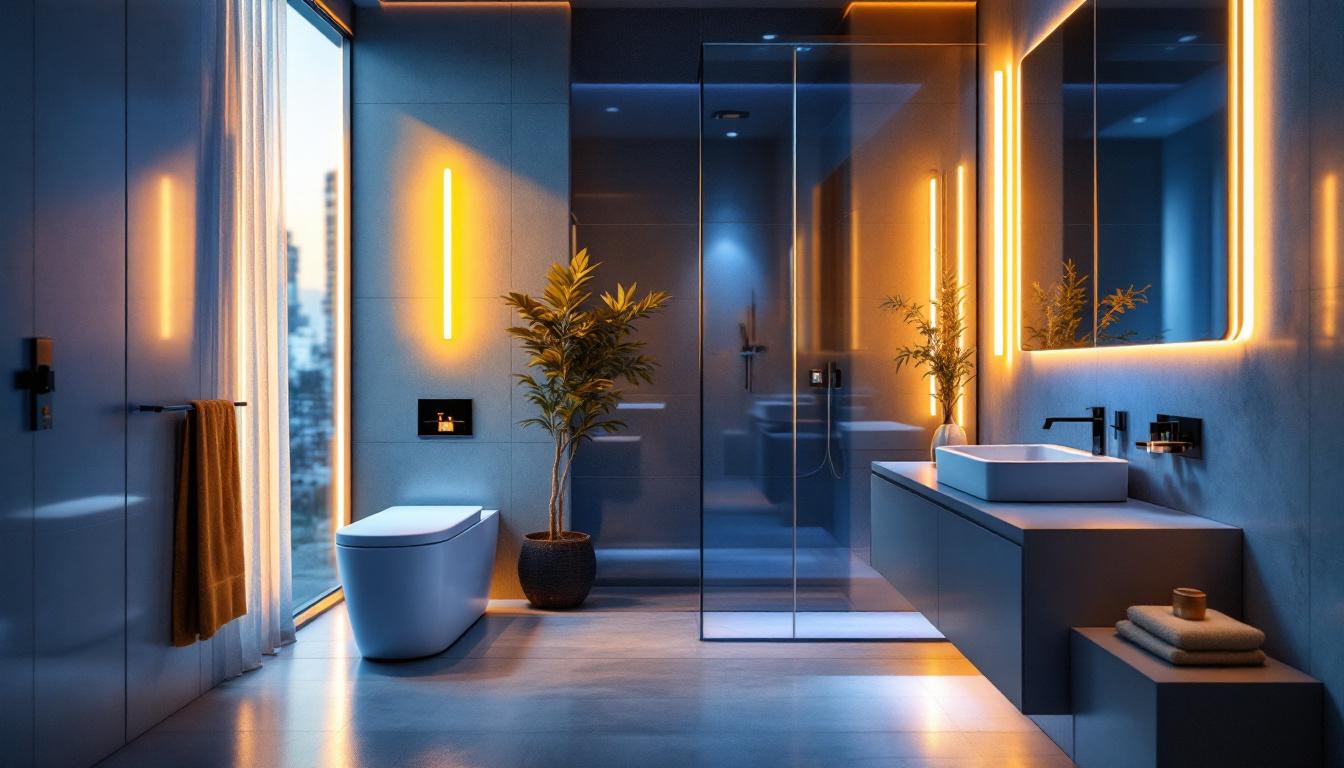
Moreover, the versatility of LED lighting allows for innovative design possibilities that can elevate the ambiance of any bathroom. With options ranging from recessed lighting to under-cabinet strips, LEDs can be strategically placed to highlight architectural features, create a spa-like atmosphere, or provide essential task lighting around mirrors. The ability to choose from a wide spectrum of color temperatures also means that homeowners can customize the lighting to suit their personal preferences, whether they desire a warm, inviting glow or a bright, energizing light for morning routines.
In addition to their aesthetic benefits, LED lights are also more environmentally friendly compared to traditional lighting options. They produce less heat, reducing the burden on air conditioning systems during hot months, and many LED products are made from recyclable materials. This eco-conscious aspect appeals to a growing number of clients who prioritize sustainability in their home improvement projects. As more homeowners become aware of the environmental impact of their choices, incorporating LED lighting into bathroom designs not only enhances the space but also aligns with a broader commitment to green living.
Optimizing Bathroom Lighting with LEDs
Tailoring Light Quality and Color Temperature
One of the biggest advantages of LED technology is the ability to customize color temperature and brightness levels. Bathrooms require a balance between functional and ambient lighting. For example, cooler white light (around 4000K to 5000K) is ideal for task lighting near mirrors, providing crisp illumination for shaving or makeup application. Warmer tones (2700K to 3000K) create a relaxing atmosphere, perfect for soaking tubs or evening routines.
LED fixtures allow contractors to specify these parameters precisely, ensuring each bathroom zone has the right lighting mood. Dimmable LEDs add another layer of control, enabling users to adjust brightness depending on the time of day or activity. This flexibility is particularly beneficial for those who enjoy a spa-like experience at home, as it allows for a gradual transition from bright, energizing light in the morning to softer, more soothing hues in the evening. Additionally, smart LED systems can be programmed to change color temperatures throughout the day, mimicking natural light patterns and enhancing overall well-being.
Design Flexibility and Space Efficiency
Bathrooms often have tight spaces and unique architectural features. LEDs come in compact sizes and versatile formats—strip lights, recessed downlights, panels, and even waterproof fixtures. This versatility allows contractors to integrate lighting seamlessly into niches, under cabinets, or around mirrors without bulky hardware.
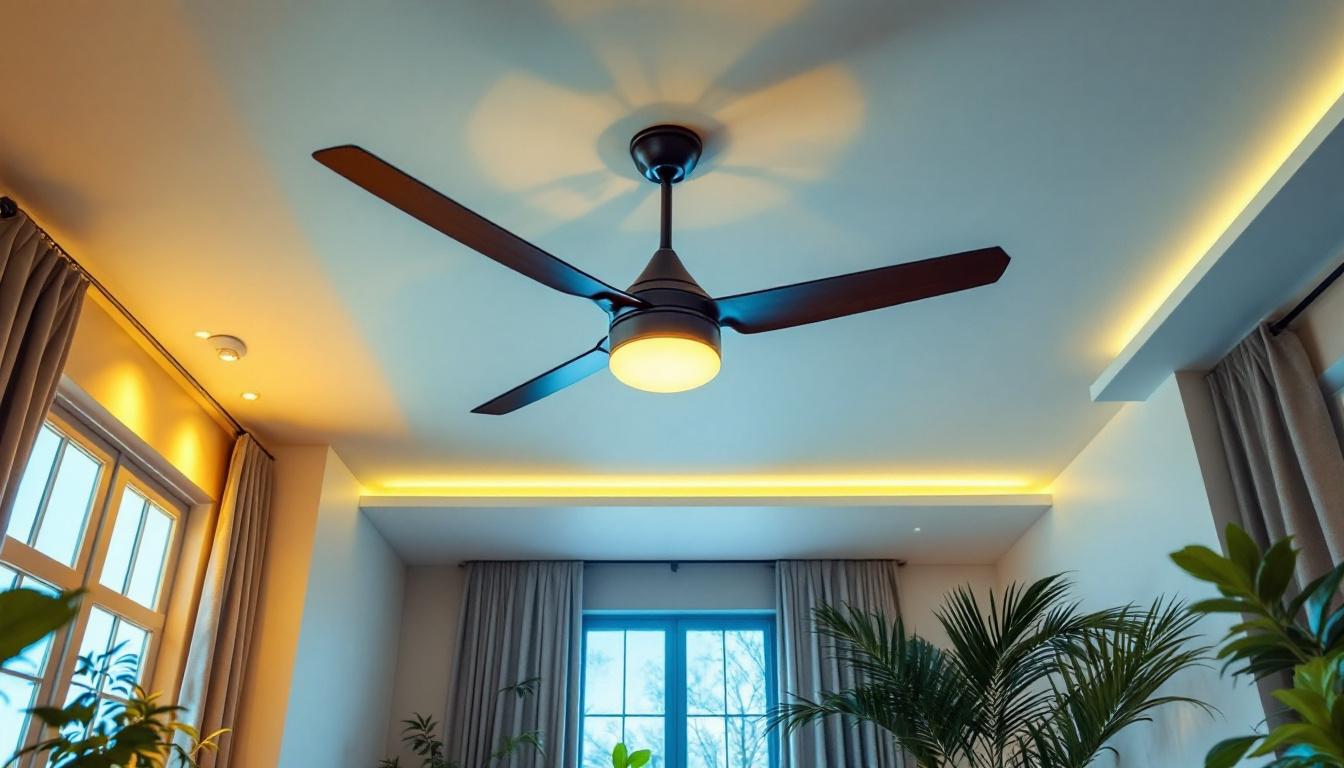
For instance, installing LED strip lights beneath vanity counters or along the perimeter of a bathtub can create subtle accent lighting that enhances the room’s ambiance without overwhelming the space. Such design elements are highly sought after by homeowners and commercial clients alike, adding value to the installation project. Furthermore, the low profile of LED fixtures means they can be installed in areas where traditional lighting might not fit, such as above shower stalls or in narrow hallways. This capability not only maximizes the use of available space but also contributes to an overall polished and modern aesthetic, making the bathroom feel more spacious and inviting.
Moreover, the longevity and energy efficiency of LEDs mean that they are a cost-effective solution in the long run. With a lifespan of up to 25,000 hours, they reduce the frequency of replacements and maintenance, which is particularly advantageous in high-moisture environments like bathrooms. This durability, combined with the ability to withstand humidity without compromising performance, makes LEDs a smart choice for any bathroom renovation or new construction project. As homeowners become increasingly conscious of sustainability, the eco-friendly nature of LED lighting aligns perfectly with modern design philosophies that prioritize both style and environmental responsibility.
Energy Efficiency and Compliance Benefits
Meeting Building Codes and Sustainability Goals
Many local and national building codes now require energy-efficient lighting solutions, especially in commercial and multi-family residential projects. LEDs help contractors meet or exceed these standards with ease. Their low wattage and high output make it simpler to comply with energy codes while delivering superior illumination.
Additionally, green building certifications like LEED or WELL often award points for efficient lighting design. Contractors who incorporate LED lighting into bathroom projects can highlight these benefits when bidding for projects or presenting proposals, positioning themselves as environmentally responsible and forward-thinking. The integration of smart lighting controls, which can further optimize energy use, is another aspect that can enhance a project’s sustainability profile. This technology allows for automated dimming and scheduling, ensuring that lights are only on when needed, thus maximizing energy savings and contributing to a more sustainable environment.
Reducing Long-Term Operational Costs
While LED fixtures may have a higher upfront cost compared to traditional bulbs, their energy savings and longevity result in lower total cost of ownership. Clients appreciate this, especially in commercial settings where lighting runs for many hours daily. Reduced energy bills and maintenance expenses translate into clear financial advantages.
Contractors who can demonstrate these savings during the sales process often close deals faster and build stronger client relationships. Offering LED solutions is not just about better light-it’s about smarter investments. Furthermore, the durability of LED fixtures means they are less likely to fail and require replacement, which is a significant consideration for clients looking to minimize disruptions in their operations. This reliability can also enhance the overall perception of the contractor’s work, as clients see the long-term benefits manifesting in their operational efficiency and reduced hassle over time.
Installation Considerations for Bathroom LED Lighting
Waterproofing and Safety Standards
Bathrooms are high-moisture environments, so selecting LED fixtures with appropriate IP ratings is critical. IP44 or higher is typically recommended for areas exposed to splashes, such as near sinks or showers. This protects the lighting from water damage and ensures safety for users. Proper waterproofing not only prolongs the lifespan of the fixtures but also minimizes the risk of electrical hazards, which is particularly important in spaces where water and electricity intersect.
Contractors must also consider electrical codes related to bathroom installations, such as GFCI (Ground Fault Circuit Interrupter) protection and proper wiring methods. Using LED fixtures designed specifically for wet or damp locations simplifies compliance and reduces the risk of installation errors. Additionally, it’s essential to ensure that all fixtures are securely mounted and that any exposed wiring is adequately protected to prevent moisture intrusion. Regular maintenance checks can also help in identifying potential issues before they escalate, ensuring a safe and functional lighting environment.
Compatibility with Existing Wiring and Controls
Retrofitting LEDs into older bathrooms can present challenges. Not all LED fixtures are compatible with existing dimmers or switches, which can cause flickering or reduced lifespan. Contractors should verify compatibility before installation and, if necessary, recommend upgrading control systems to LED-compatible models. It’s also wise to consider the wattage requirements of the new fixtures, as older systems may not support the lower wattage typically associated with LED technology, potentially leading to performance issues.
Smart lighting controls are increasingly popular in bathroom projects, allowing users to adjust lighting scenes via apps or voice commands. Integrating LEDs with these systems can enhance user experience and add a modern touch to the installation. Furthermore, advanced features such as motion sensors can enhance convenience and energy efficiency, automatically turning lights on and off as users enter or exit the space. This not only promotes a seamless experience but also contributes to reducing energy consumption, aligning with eco-friendly practices in home design.
Enhancing Client Satisfaction with LED Bathroom Lighting
Creating Functional and Inviting Spaces
Good lighting transforms a bathroom from a purely utilitarian space into a sanctuary. LEDs enable contractors to craft layered lighting schemes that combine ambient, task, and accent lighting. This approach improves visibility, reduces shadows, and highlights architectural details or decorative elements.
Clients often report greater satisfaction when their bathroom lighting feels both practical and luxurious. Contractors who understand how to leverage LED technology to achieve this balance gain a competitive edge.
Offering Customization and Future-Proofing
LED lighting systems can be easily updated or expanded. For example, adding color-changing LEDs or integrating motion sensors can enhance convenience and energy savings. Contractors who educate clients about these options position themselves as trusted advisors rather than mere installers.
Future-proofing bathrooms with adaptable LED solutions also helps protect client investments. As technology evolves, upgrades can be made without major rewiring or fixture replacement, reducing disruption and cost.
Conclusion: Why Lighting Contractors Should Embrace LED for Bathroom Projects
LED lighting offers unmatched advantages for bathroom installations. From energy efficiency and durability to design flexibility and enhanced user experience, LEDs address many challenges that contractors face. By mastering LED technology and installation best practices, lighting professionals can deliver superior results that satisfy clients and comply with modern standards.
Choosing LED lighting is not just a technical decision-it’s a strategic move that elevates project quality, reduces long-term costs, and opens doors to innovative design possibilities. For contractors aiming to stay ahead in a competitive market, embracing LEDs in bathroom projects is a clear path to success.
Illuminate Your Projects with LumenWholesale
Ready to take your bathroom lighting projects to the next level? At LumenWholesale, we provide lighting contractors with the finest spec-grade LED lighting solutions at unbeatable wholesale prices. Say goodbye to local distributor markups and hello to a vast selection of premium, industry-standard lighting that promises performance and reliability. With free shipping on bulk orders, you can stock up on high-quality lighting without worrying about hidden costs. Elevate your installations with the perfect combination of quality, value, and convenience. Discover the best in wholesale lighting and enhance your client satisfaction today by visiting Wholesale Lighting at the Best Value.