Understanding the Value of Sensor Lighting in Modern Homes
Sensor lighting has transformed the way homes are illuminated, offering convenience, energy efficiency, and enhanced security. For lighting contractors, integrating sensor lights into residential projects is no longer a niche option but a standard expectation. Homeowners seek lighting solutions that adapt to their lifestyle, reduce energy consumption, and provide safety without constant manual control.
Sensor lights, which activate based on motion, ambient light, or presence, reduce unnecessary energy use by illuminating spaces only when needed. This not only lowers utility bills but also extends the lifespan of bulbs and fixtures. The demand for smart, responsive lighting systems continues to grow, making sensor lights a critical component in future-proof home lighting projects.
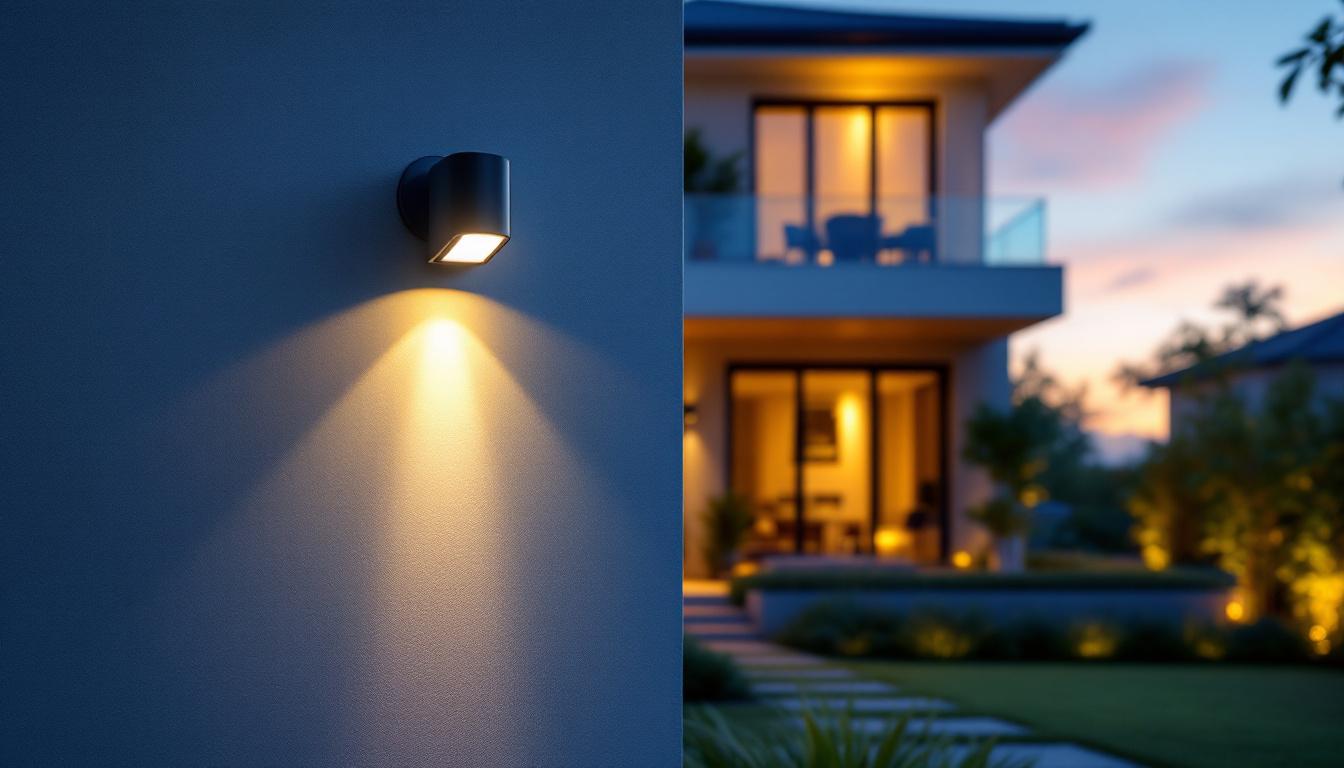
In addition to their energy-saving capabilities, sensor lighting systems can significantly enhance the safety and security of a home. For instance, outdoor sensor lights can deter potential intruders by automatically illuminating pathways, driveways, and entry points when motion is detected. This instant illumination not only alerts homeowners to unusual activity but also provides a sense of safety for family members returning home after dark. Furthermore, many modern sensor lights can be integrated with home security systems, allowing for real-time alerts and monitoring through mobile applications, thereby increasing peace of mind for homeowners.
Moreover, the versatility of sensor lighting extends beyond just security; it can also be tailored to suit various living environments. In areas such as hallways, bathrooms, and garages, sensor lights can provide hands-free illumination, which is particularly beneficial when carrying items or when children need to navigate these spaces at night. Additionally, advancements in technology have led to the development of smart sensors that can learn the habits and routines of the household, adjusting brightness levels and activation times accordingly. This level of customization not only enhances user experience but also contributes to further energy savings, making sensor lighting an intelligent choice for the modern home.
Key Sensor Technologies and Their Applications
Motion Sensors: Passive Infrared and Ultrasonic
Motion sensors are the backbone of sensor lighting systems. The two primary types used in residential settings are Passive Infrared (PIR) and Ultrasonic sensors. PIR sensors detect heat emitted by moving bodies, making them highly effective for outdoor lighting, hallways, and entryways. Ultrasonic sensors emit sound waves and measure their reflection to detect movement, offering broader coverage and sensitivity.
Choosing the right sensor depends on the installation environment. For example, PIR sensors excel in outdoor areas where temperature changes are minimal, whereas ultrasonic sensors perform well indoors where movement detection is critical but heat signatures may vary. Additionally, the placement of these sensors is crucial; PIR sensors should be positioned to maximize their field of view, while ultrasonic sensors can be placed in corners to enhance their detection range. Understanding the nuances of each sensor type can lead to more effective lighting solutions that enhance safety and convenience.
Ambient Light Sensors
Ambient light sensors measure the natural light in an environment and adjust artificial lighting accordingly. These sensors prevent lights from turning on during daylight hours, further conserving energy. Integrating ambient light sensors with motion detectors creates a more sophisticated system that responds intelligently to both presence and lighting conditions. This combination not only improves energy efficiency but also enhances user comfort by ensuring that spaces are well-lit when needed without being overly bright.
Moreover, the application of ambient light sensors extends beyond simple lighting controls. In commercial settings, they can be integrated into larger building management systems to optimize energy consumption across multiple zones. For instance, in an office environment, these sensors can adjust the lighting based on the amount of natural light entering through windows, thereby reducing reliance on artificial lighting and lowering energy costs. As energy conservation becomes increasingly important, the role of ambient light sensors in both residential and commercial applications is set to grow significantly.
Smart Sensor Integration
Modern sensor lights often connect to smart home systems through Wi-Fi or Zigbee protocols. This connectivity allows homeowners to customize lighting schedules, adjust sensitivity, and monitor energy usage remotely. For contractors, offering sensor lighting that integrates seamlessly with popular smart home platforms adds significant value and future-proofs installations against evolving technology trends. The ability to control lighting through mobile apps or voice commands not only enhances user experience but also aligns with the growing demand for smart home automation.
Furthermore, the integration of sensor technologies with artificial intelligence (AI) is paving the way for even smarter lighting solutions. AI algorithms can analyze usage patterns and adjust lighting not just based on immediate conditions, but also based on historical data and user preferences. This means that over time, the system learns when and where lighting is most needed, creating a more personalized and efficient environment. As the Internet of Things (IoT) continues to expand, the potential for smart sensor integration will only increase, leading to more innovative applications that enhance both functionality and energy efficiency in homes and businesses alike.
Design Considerations for Future-Proof Sensor Lighting
Flexibility and Scalability
When planning sensor lighting, it’s essential to design systems that can adapt to future needs. Modular sensor units that can be easily replaced or upgraded help extend the lifespan of the lighting system. Additionally, scalable networks allow homeowners to add more sensors or lighting fixtures without overhauling the entire system.
For example, installing sensor hubs that support multiple devices ensures that as smart home ecosystems expand, the lighting system remains compatible and efficient.
Energy Efficiency and Sustainability
Energy codes and homeowner expectations increasingly prioritize sustainability. Sensor lighting inherently reduces energy waste, but pairing sensors with LED fixtures maximizes efficiency. LEDs consume less power and produce less heat, complementing sensor technology perfectly.
Contractors should also consider the environmental impact of sensor components, opting for devices with certifications such as ENERGY STAR or those made with recyclable materials. This approach not only meets regulatory standards but also appeals to eco-conscious consumers.
Placement and Coverage Optimization
Proper sensor placement is critical to avoid false triggers and ensure reliable operation. For instance, outdoor sensors should be positioned to minimize interference from pets, passing vehicles, or tree branches. Indoor sensors must cover high-traffic areas without being triggered by HVAC systems or sunlight reflections.
Using adjustable sensors or combining multiple sensor types can enhance coverage and reduce blind spots. Contractors should conduct thorough site assessments to tailor sensor placement precisely to each home’s layout and usage patterns.
Installation Best Practices and Troubleshooting
Pre-Installation Planning
Effective sensor lighting begins with detailed planning. Contractors should collaborate with homeowners to understand their lifestyle, security concerns, and aesthetic preferences. Mapping out sensor zones and lighting levels ensures the system meets practical needs while enhancing the home’s ambiance.
Electrical considerations, such as load capacity and wiring routes, must be addressed early to avoid complications during installation. Using wireless sensor options can simplify retrofits and reduce installation time.
Calibration and Testing
After installation, calibrating sensors to the correct sensitivity and timing settings is vital. Overly sensitive sensors can cause lights to flicker unnecessarily, while low sensitivity may fail to detect movement. Testing under various conditions-day and night, different weather scenarios-helps fine-tune performance.
Contractors should educate homeowners on how to adjust settings or reset sensors if needed. Providing clear documentation or app tutorials enhances user satisfaction and reduces service calls.
Common Issues and Solutions
Sensor lighting systems occasionally encounter issues such as false triggers, delayed response, or sensor failure. Common causes include environmental factors like wind-blown debris, insects, or reflective surfaces. Electrical interference or outdated firmware in smart sensors can also affect performance.
Regular maintenance, such as cleaning sensor lenses and updating software, helps maintain reliability. Contractors should offer maintenance packages or service plans to support long-term system health.
Emerging Trends and Technologies in Sensor Lighting
AI-Powered Sensors
Artificial intelligence is making sensor lighting smarter by enabling systems to learn user habits and adjust lighting patterns accordingly. AI can differentiate between humans, pets, and inanimate objects, reducing false activations and enhancing security.
For contractors, integrating AI-capable sensors positions their projects at the forefront of technology, appealing to tech-savvy homeowners seeking cutting-edge solutions.
Integration with Home Automation and Security
Sensor lighting increasingly forms part of comprehensive home automation systems. Lights can synchronize with security cameras, door locks, and alarms to create responsive environments. For example, sensor-triggered lighting can activate cameras or notify homeowners of unusual activity.
Offering sensor lighting as part of a broader security package adds value and convenience, making installations more attractive to clients focused on safety.
Wireless Power and Energy Harvesting
Advances in wireless power transmission and energy harvesting technologies promise to reduce reliance on traditional wiring. Sensor lights powered by solar cells or kinetic energy harvesters can operate independently, simplifying installation and increasing flexibility.
While still emerging, these technologies represent the future of sensor lighting, enabling truly wireless, maintenance-free systems that appeal to environmentally conscious homeowners.
Conclusion: Building Lighting Systems That Stand the Test of Time
Sensor lights are no longer optional extras but essential components of modern home lighting projects. For contractors, understanding sensor technologies, designing for flexibility, and anticipating future trends are key to delivering installations that satisfy clients today and remain relevant tomorrow.
By prioritizing energy efficiency, seamless integration, and user-friendly operation, lighting professionals can future-proof their projects, reduce callbacks, and build lasting client relationships. Sensor lighting is a smart investment in the home’s comfort, security, and sustainability-one that pays dividends for years to come.
Illuminate the Future with LumenWholesale
Ready to elevate your lighting projects with the latest sensor technologies and future-proof solutions? At LumenWholesale, we provide contractors like you with high-quality, specification-grade lighting products at unbeatable wholesale prices. Say goodbye to inflated markups and hello to a vast selection of reliable, high-performance lighting that meets the highest industry standards. Plus, with free shipping on bulk orders, you can ensure your projects shine with premium lighting at the best value — all without hidden fees or compromises. Don’t wait to enhance your lighting installations with efficiency, security, and smart integration. Wholesale Lighting at the Best Value is just a click away. Experience the LumenWholesale difference today!