Understanding the Appeal and Practicality of Colorful Outdoor Lighting
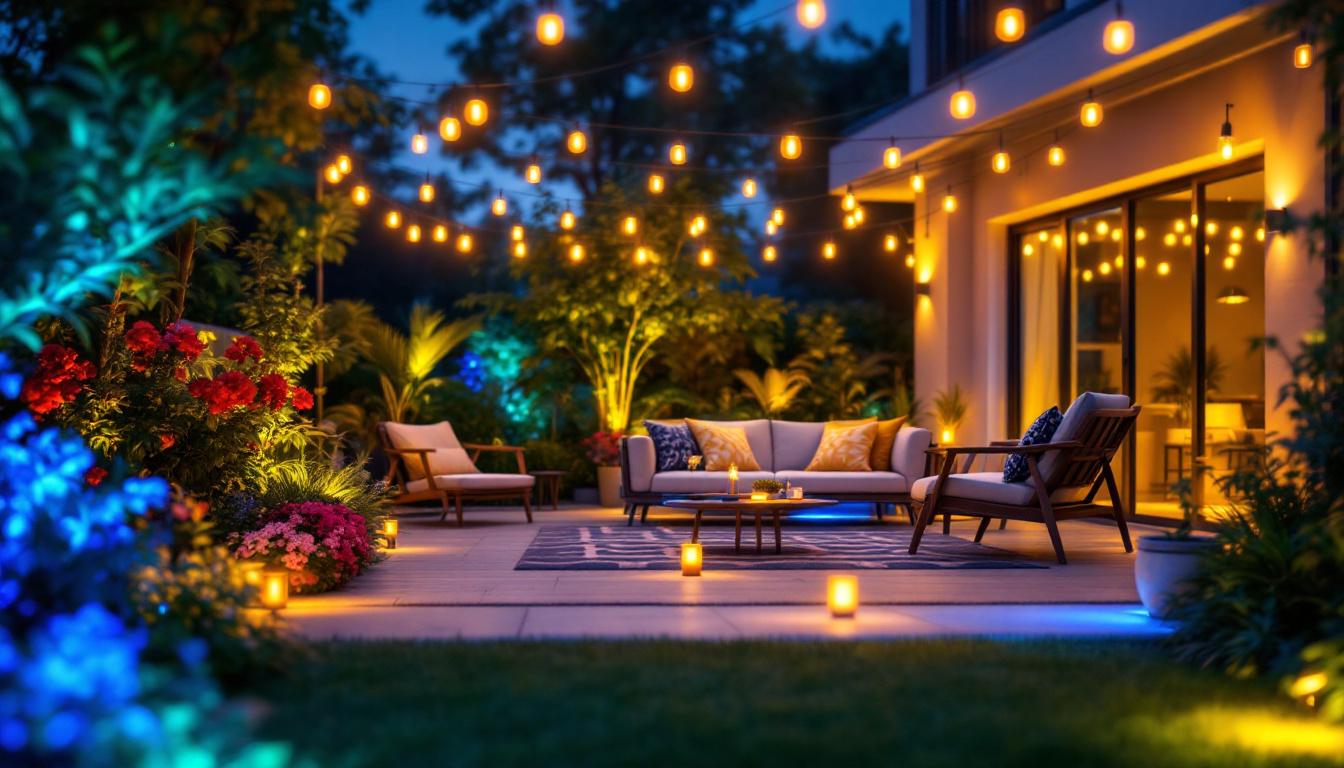
Colorful outdoor lighting has evolved from a festive novelty to a year-round design element that can transform landscapes, commercial spaces, and architectural features. For lighting contractors, mastering the nuances of these vibrant installations is essential—not just for aesthetics but also for functionality, safety, and client satisfaction.
Clients increasingly seek lighting solutions that offer more than illumination. They want ambiance, personality, and a way to highlight their property’s unique character. Colorful lights deliver on these desires, but they come with technical considerations that differ from traditional white or warm-toned outdoor lighting.
The Growing Demand for Color in Outdoor Lighting
Colorful lighting is no longer confined to holiday displays or special events. Residential and commercial customers use it to create mood lighting, accentuate landscaping, or brand a business. According to industry surveys, a significant portion of outdoor lighting projects now incorporate colored LEDs or RGB systems, reflecting a shift toward customization and dynamic lighting effects.
For contractors, this trend means staying updated on the latest technologies and installation techniques. It also requires understanding how different colors affect visibility, energy consumption, and material durability in outdoor environments. For instance, while warm hues can create a cozy atmosphere, cooler tones might enhance visibility and safety in public spaces. Additionally, the energy efficiency of LED technology allows for longer-lasting installations that can withstand the elements, reducing maintenance costs over time.
Moreover, the integration of smart technology into colorful outdoor lighting systems has opened up new avenues for creativity and control. Homeowners and businesses can now customize their lighting schemes remotely, adjusting colors and intensities to suit different occasions or moods. This level of personalization not only enhances the user experience but also allows for seasonal adaptations, where the same lighting can be transformed from a vibrant summer palette to a more subdued autumn glow with just a few taps on a smartphone. As this technology continues to advance, the possibilities for innovative outdoor lighting designs are virtually limitless, making it an exciting field for both contractors and clients alike.
Technical Foundations: Types of Colorful Outdoor Lighting
Before diving into installation and design, it’s crucial to grasp the basic types of colorful outdoor lighting available. Each type has its strengths and limitations, impacting project scope and client expectations.
LED RGB and RGBW Fixtures
LED technology dominates the colorful lighting market due to its energy efficiency, longevity, and versatility. RGB (Red, Green, Blue) LEDs mix these three colors to produce a wide spectrum, while RGBW adds a dedicated white LED for better color accuracy and brightness.
These fixtures often come with controllers that allow users to select static colors or dynamic effects like fading, flashing, or color cycling. For contractors, ensuring compatibility between the controller and fixtures is critical. Additionally, outdoor-rated IP65 or higher enclosures protect these components from moisture and dust. The ability to program lighting scenes can transform outdoor spaces for various occasions, from festive gatherings to tranquil evenings, enhancing the ambiance and usability of gardens, patios, and walkways.
Colored Incandescent and Halogen Bulbs
Though less common today, colored incandescent or halogen bulbs are still used in specific applications where LED light quality or color rendering is insufficient. These bulbs produce warm, saturated colors but consume more energy and have shorter lifespans. They also generate more heat, which can be a concern in enclosed fixtures or near sensitive materials. Despite their drawbacks, the nostalgic warmth of incandescent lighting can evoke a sense of comfort and familiarity, making them a popular choice for traditional settings or vintage-themed events.
Fiber Optic and Neon Lighting
Fiber optic lighting offers unique possibilities for subtle, diffuse color effects, often used in architectural niches or water features. Neon lighting, while less energy-efficient, provides a distinctive glow and is favored for signage and artistic installations. Both require specialized installation skills and maintenance knowledge. Fiber optics are particularly advantageous in environments where heat generation must be minimized, as they emit very little heat and can be safely integrated into delicate designs. Meanwhile, neon lighting can be customized into intricate shapes and patterns, making it a favorite among artists and designers looking to create eye-catching displays that draw attention and inspire creativity.
Installation Best Practices for Colorful Outdoor Lights
Proper installation is the backbone of any successful lighting project. Colorful outdoor lights pose specific challenges that contractors must anticipate and address.
Site Assessment and Planning
Start every project with a thorough site assessment. Understand the client’s goals for color, brightness, and control. Evaluate the environment for potential obstacles such as trees, water features, or reflective surfaces that may affect light distribution.
Consider the electrical infrastructure, including available power sources, voltage requirements, and the need for transformers or dimmers. Planning for future expansion or integration with smart home systems can add value and reduce costly retrofits. Additionally, take into account the seasonal changes in the landscape; for instance, deciduous trees will alter the light’s effectiveness as they lose their leaves in the fall. This foresight ensures that the lighting remains effective and visually appealing throughout the year.
Weatherproofing and Durability
Outdoor lighting must withstand rain, wind, temperature fluctuations, and UV exposure. Use fixtures rated for outdoor use with appropriate IP ratings. Seal all connections with waterproof connectors and use UV-resistant cables and housings.
For color-changing LEDs, ensure that controllers and power supplies are also weatherproof or installed in protected enclosures. Regular maintenance schedules should include inspections for corrosion, moisture ingress, and mechanical damage. Furthermore, consider the aesthetics of the fixtures themselves; choosing durable materials that also complement the landscape can enhance the overall design. For instance, copper fixtures can develop a beautiful patina over time, adding character and charm to the outdoor space.
Electrical Safety and Code Compliance
Adhering to local electrical codes is non-negotiable. Colorful lighting systems often involve low-voltage wiring, which has specific grounding and circuit protection requirements. Use GFCI (Ground Fault Circuit Interrupter) protection where mandated, especially near water features.
Label circuits clearly and provide clients with documentation on system operation and safety precautions. This transparency helps prevent misuse and supports long-term system reliability. Additionally, consider the use of smart technology to enhance safety; motion sensors and timers can not only save energy but also provide added security to the property. By integrating these features, you can create a dynamic lighting experience that adapts to the homeowner’s lifestyle while ensuring compliance with safety standards.
Design Considerations: Balancing Aesthetics and Function
Colorful lighting is as much about design as it is about technology. Contractors who understand color theory and lighting principles can elevate their projects from functional to spectacular.
Color Psychology and Lighting Effects
Colors evoke emotions and influence perception. Blue and green tones tend to be calming and are popular in residential landscapes. Reds and oranges create warmth and energy, often used in hospitality or entertainment venues. Purple and magenta add a sense of luxury or creativity.
Dynamic effects like fades, pulses, or color shifts can add movement and interest but should be used judiciously to avoid overwhelming the space or causing visual fatigue.
Light Placement and Beam Angles
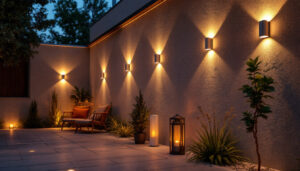
The placement of fixtures and the choice of beam angles determine how colors interact with surfaces. Narrow beams highlight architectural details, while wide beams wash large areas with color. Combining different beam angles creates layers and depth.
Be mindful of glare and light trespass. Shield fixtures to direct light precisely and avoid disturbing neighbors or wildlife.
Integration with Existing Lighting
Colorful lights often complement existing white or warm-toned fixtures. Coordinating color temperatures and brightness levels ensures a cohesive look. Consider how colored lights will appear during different times of day and in various weather conditions.
Control Systems and Smart Integration
Modern colorful outdoor lighting often includes sophisticated control systems that allow users to customize colors and effects remotely.
Wired vs. Wireless Controls
Wired control systems offer reliability and are preferred for permanent installations with complex programming needs. Wireless systems provide flexibility and easier installation but may face interference or range limitations.
Contractors should evaluate site conditions and client preferences to recommend the best control solution.
Smart Home and IoT Compatibility
Integration with smart home platforms like Apple HomeKit, Google Home, or Amazon Alexa is increasingly common. This allows clients to control lighting via voice commands or smartphone apps, schedule scenes, and synchronize with music or events.
Ensure that chosen lighting products and controllers support these protocols or can be adapted with third-party devices.
Maintenance and Troubleshooting Tips
Colorful outdoor lighting systems require ongoing care to maintain performance and appearance.
Routine Inspections
Regularly check for damaged fixtures, loose connections, or fading colors. Clean lenses and housings to prevent dirt buildup that can dull light output.
Addressing Common Issues
Color shifts or flickering often indicate wiring problems, faulty controllers, or power supply issues. Use a systematic approach to isolate the problem, starting with the power source and moving through the control chain.
Replacing components with compatible, high-quality parts extends system life and reduces downtime.
Conclusion: Elevating Outdoor Spaces with Colorful Lighting
Colorful outdoor lighting offers lighting contractors a powerful tool to enhance spaces creatively and functionally. Understanding the technical aspects, design principles, and maintenance requirements ensures successful installations that delight clients and stand the test of time.
Staying informed about emerging technologies and trends will keep contractors competitive in a market that values innovation and personalization. With careful planning and expert execution, colorful lighting can transform any outdoor environment into a captivating visual experience.
Illuminate Your Projects with LumenWholesale
Ready to elevate your outdoor lighting projects with vibrant, high-quality solutions? Look no further than LumenWholesale for a comprehensive range of spec-grade lighting products that promise to bring your designs to life. Our commitment to affordability and quality means you can access premium lighting at wholesale prices, ensuring your installations shine without straining your budget. Plus, with free shipping on bulk orders, you can stock up on all the colorful outdoor lighting essentials you need. Don’t let middleman markups dim your creative potential. Discover the best value in wholesale lighting and make your next project a beacon of innovation and style.