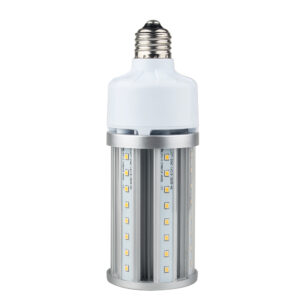
Understanding Electrical Ends and Their Role in Lighting Projects
Electrical ends-often overlooked-are the critical connection points where wiring terminates or interfaces with fixtures, devices, or panels. For lighting contractors, mastering the details of electrical ends can be the difference between a smooth installation and costly rework. These connections impact not only the safety and functionality of lighting systems but also influence project timelines and client satisfaction.
When bidding on projects, demonstrating expertise in handling electrical ends can set a contractor apart. Clients and general contractors want assurance that the lighting installation will be reliable, code-compliant, and efficient. Properly executed electrical ends reduce risks such as loose connections, voltage drops, or premature fixture failures, all of which can lead to callbacks and damage a contractor’s reputation.
Types of Electrical Ends Commonly Encountered
Lighting contractors regularly work with a variety of electrical ends, including wire terminations with connectors, splices, and fixture leads. Each type requires specific tools and techniques to ensure optimal performance. For example, using the right crimping tool for wire connectors or selecting the appropriate wire nut size can prevent overheating or disconnections.
Understanding the nuances of different electrical ends also means being adept at working with various conductor types-copper, aluminum, or tinned wire-and insulation materials. This knowledge allows contractors to anticipate challenges and propose solutions that save time and money.
Moreover, the choice of electrical ends can significantly affect the overall energy efficiency of a lighting system. For instance, using high-quality connectors can minimize energy loss, ensuring that fixtures operate at their intended brightness without straining the electrical supply. Additionally, the integration of smart lighting technology often requires specialized electrical ends that accommodate data transmission alongside power supply, further complicating the installation process. As the industry evolves, staying updated on the latest advancements in electrical end technology can give contractors a competitive edge, enabling them to offer innovative solutions that meet the growing demands of modern lighting systems.
Furthermore, the installation environment plays a crucial role in determining the appropriate type of electrical end to use. For outdoor lighting projects, weather-resistant connectors and sealed junction boxes are essential to protect against moisture and corrosion. In contrast, indoor applications may prioritize aesthetics and compactness, leading to different choices in connectors and terminations. By tailoring their approach to the specific requirements of each project, contractors can enhance the durability and performance of their installations, ultimately fostering long-term relationships with clients who appreciate their attention to detail and commitment to quality.
How Mastering Electrical Ends Enhances Bid Competitiveness
Winning bids often comes down to demonstrating value beyond just price. Lighting contractors who highlight their proficiency with electrical ends can assure clients of fewer installation errors and longer-lasting results. This expertise translates into lower risk and less downtime, which clients appreciate. Furthermore, a contractor’s ability to effectively manage electrical ends can serve as a testament to their overall craftsmanship and attention to detail, qualities that are highly sought after in the competitive contracting landscape.
Moreover, contractors who factor in the quality and durability of electrical ends during the estimating phase can provide more accurate cost projections. This reduces the likelihood of unexpected expenses and change orders, making bids more trustworthy and attractive. By incorporating high-quality materials and demonstrating knowledge of the latest industry standards, contractors can further differentiate themselves from competitors, instilling confidence in potential clients about the longevity and reliability of their work.
Reducing Labor Costs Through Efficient Electrical End Practices
Efficient handling of electrical ends can significantly cut labor hours. Skilled contractors know how to prepare wires quickly and correctly, avoid rework, and streamline the installation process. This efficiency allows for tighter project schedules and the ability to take on more work without sacrificing quality. Additionally, the implementation of modern tools and techniques, such as pre-terminated cables and advanced crimping tools, can enhance the speed and accuracy of electrical end connections, further minimizing labor costs and maximizing productivity.
Clients often look for contractors who can deliver projects on time and within budget. By showcasing streamlined electrical end practices, contractors can position themselves as reliable partners capable of meeting demanding deadlines. Moreover, the ability to provide ongoing maintenance and support for electrical systems can be a significant selling point; clients are more likely to choose contractors who not only complete the job efficiently but also offer long-term solutions for potential issues that may arise. This proactive approach not only fosters trust but also builds lasting relationships that can lead to repeat business and referrals in the future.
Leveraging Technology and Tools to Improve Electrical End Quality
Advancements in tools and technology have made working with electrical ends more precise and less time-consuming. For lighting contractors, investing in high-quality crimpers, wire strippers, and testing equipment pays off in bid competitiveness and installation reliability. The evolution of these tools, from manual to battery-operated versions, has significantly enhanced efficiency on job sites. For instance, modern crimpers now feature adjustable settings that accommodate various wire gauges, ensuring a secure connection every time, while ergonomic designs reduce hand fatigue during prolonged use.
Digital tools that verify connection integrity and continuity help contractors catch issues before they escalate. Innovations such as smartphone applications that interface with testing devices allow for real-time monitoring and diagnostics, making it easier to identify potential problems early in the installation process. Demonstrating the use of such technology in bids signals professionalism and a commitment to quality, which can sway decision-makers. Furthermore, the ability to provide detailed reports generated by these tools can enhance transparency and foster client trust, as they illustrate a contractor’s meticulous approach to ensuring safety and reliability in electrical installations.
Training and Certification: Building Credibility
Contractors who invest in training their teams on the latest electrical end techniques and standards stand out. Certifications from recognized organizations reassure clients that the contractor’s work meets or exceeds industry benchmarks. Regular training sessions not only keep teams updated on new technologies and methods but also foster a culture of continuous improvement within the organization. This commitment to education can lead to innovative problem-solving and the ability to adapt to unique project challenges, further enhancing the contractor’s reputation in the field.
Including information about team qualifications and ongoing education in bid proposals can strengthen trust and confidence. It shows a proactive approach to maintaining high standards, which is especially important in complex lighting projects. Additionally, showcasing success stories or case studies where trained personnel have successfully navigated difficult installations can serve as powerful testimonials. This not only highlights the contractor’s expertise but also reassures potential clients that they are choosing a team capable of delivering exceptional results, even under challenging circumstances. Such narratives can be particularly compelling in competitive bidding situations, where differentiation is key to winning contracts.
Case Studies: Electrical Ends Making a Difference in Winning Bids
Consider a commercial lighting project where two contractors submitted bids. One focused primarily on cost, while the other detailed their approach to electrical ends, emphasizing quality connectors, precise terminations, and thorough testing protocols. The client chose the latter, recognizing the value in reduced risk and long-term reliability. This decision was not merely about the initial expenditure; it was a strategic choice that underscored the importance of quality in electrical installations. The contractor’s commitment to using high-grade materials and their meticulous attention to detail instilled confidence in the client, who understood that these factors would contribute to the longevity and performance of the lighting system.
Another example involves a large-scale renovation where the contractor’s expertise in handling electrical ends allowed for seamless integration with existing systems. This minimized downtime and avoided costly rework, ultimately leading to repeat business and referrals. The contractor’s ability to navigate the complexities of retrofitting new electrical ends into older infrastructures showcased their technical prowess and adaptability. By employing innovative techniques and ensuring that all connections were up to code, they not only met the client’s expectations but also enhanced the overall safety and efficiency of the electrical system. Such successful outcomes often translate into strong word-of-mouth endorsements, further solidifying the contractor’s reputation in the industry.
Practical Tips for Lighting Contractors to Highlight Electrical Ends in Bids
1. Include detailed descriptions of materials and methods used for electrical ends to demonstrate thorough planning.
2. Highlight the team’s experience and certifications related to electrical connections.
3. Provide examples or testimonials showcasing successful projects with minimal issues related to electrical ends.
4. Mention the use of advanced tools and testing equipment that ensure connection integrity.
5. Emphasize the impact of quality electrical ends on project timelines and maintenance costs. Additionally, consider incorporating visual aids such as diagrams or photographs of past projects, which can effectively illustrate the quality of workmanship and the importance of proper electrical terminations. Visual documentation not only enhances the bid’s professionalism but also serves as a powerful tool for clients to visualize the potential outcomes of their projects. Furthermore, discussing the latest industry standards and regulations related to electrical installations can further establish credibility and demonstrate a commitment to safety and excellence in the field.
Conclusion: Making Electrical Ends a Strategic Advantage
Electrical ends might seem like a small part of lighting installations, but their impact is substantial. Lighting contractors who understand and communicate the importance of quality electrical ends can differentiate themselves in competitive bidding environments. This knowledge not only improves installation outcomes but also builds client trust and opens doors to more opportunities.
By integrating expertise in electrical ends into bid proposals, contractors demonstrate professionalism, reduce risk, and position themselves as leaders in their field. This strategic focus can turn a technical detail into a powerful selling point that wins more bids and drives business growth.
Get the Competitive Edge with LumenWholesale
Ready to elevate your lighting projects and outshine the competition? LumenWholesale is here to support your success. With our extensive range of top-quality, spec-grade lighting products at unbeatable wholesale prices, you can confidently bid on projects knowing you’re backed by the best in the business. Say goodbye to inflated markups and hello to superior lighting solutions that meet the highest industry standards. Plus, with free shipping on bulk orders, you can enjoy premium lighting at the best value — all without hidden fees or compromises. Don’t miss out on the perfect blend of quality, affordability, and convenience. Visit LumenWholesale today and discover how we can help you win more bids and grow your business.