Understanding the E12 Bulb: A Small Component with Big Impact
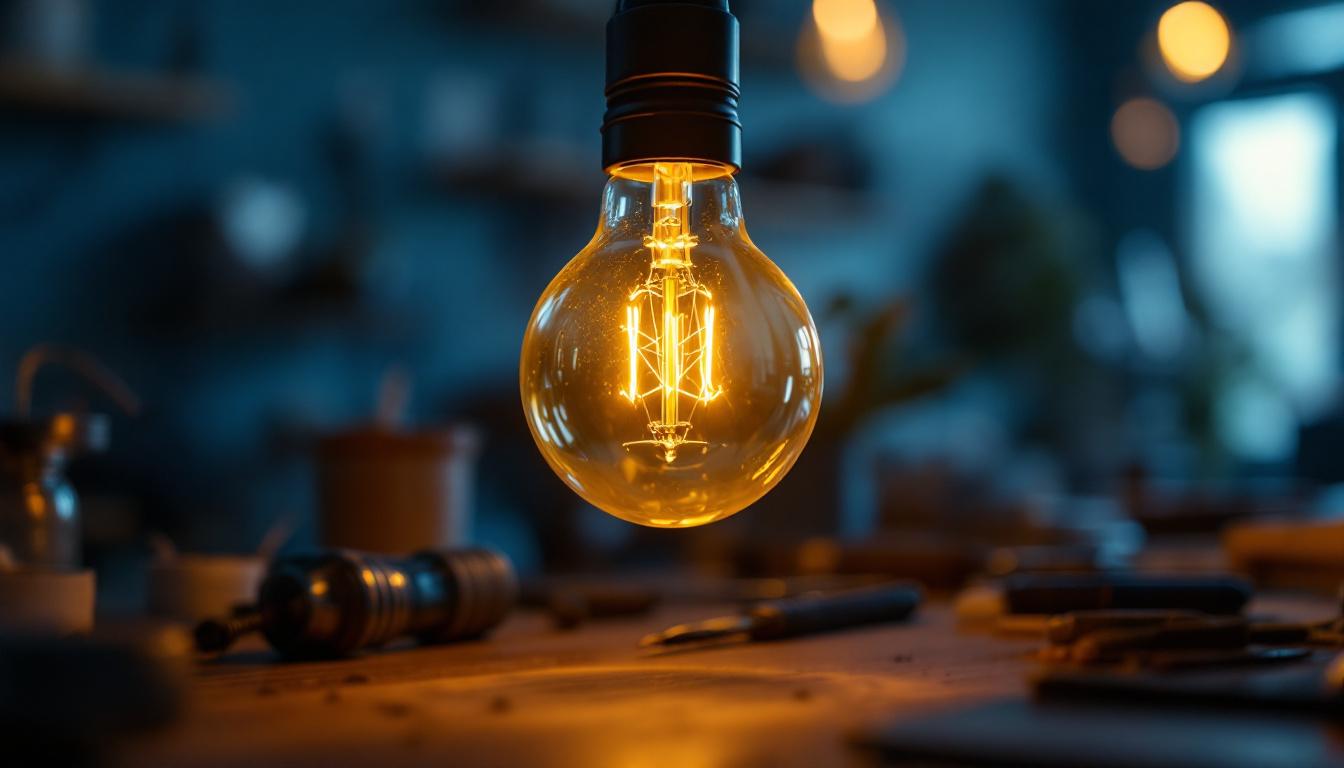
When working on residential or commercial lighting projects, contractors often encounter a variety of bulb bases and types. Among these, the E12 bulb stands out as a critical component that can make or break the success of a lighting installation. Despite its modest size, the E12 bulb plays a pivotal role in achieving the desired ambiance, functionality, and efficiency.
The “E” in E12 refers to the Edison screw base, a standard in the lighting industry, while the “12” denotes the diameter of the base in millimeters. This small screw base measures just under half an inch, making it ideal for fixtures where space is limited or where a delicate aesthetic is required. Understanding the nuances of the E12 bulb is essential for lighting contractors aiming to deliver flawless installations and satisfy client expectations.
The E12 bulb is commonly found in decorative lighting fixtures, such as chandeliers, wall sconces, and candelabra-style lamps, where its petite size allows for intricate designs without overwhelming the visual space. These bulbs are available in various styles, including incandescent, LED, and CFL, each offering different benefits. For instance, LED E12 bulbs are increasingly popular due to their energy efficiency and long lifespan, making them a sustainable choice for both residential and commercial applications. Additionally, the warm glow of incandescent E12 bulbs can create a cozy atmosphere, perfect for intimate settings like dining rooms or living areas.
Moreover, the versatility of the E12 bulb extends beyond aesthetics; it also plays a significant role in functional lighting. In retail environments, for example, E12 bulbs can be used in track lighting to highlight products effectively, drawing customers’ attention while maintaining an inviting atmosphere. The ability to mix and match bulb types within E12-compatible fixtures allows contractors to customize lighting solutions that meet specific needs, whether it’s enhancing the mood of a restaurant or providing focused task lighting in an office. As technology advances, the E12 bulb continues to evolve, offering new possibilities for creativity and efficiency in lighting design.
Why Lighting Contractors Rely on E12 Bulbs
Versatility in Application
E12 bulbs are incredibly versatile, used in a wide range of lighting fixtures including chandeliers, wall sconces, ceiling fans, and decorative lamps. Their compact size allows for elegant designs without compromising on light output. For contractors, this means the ability to recommend and install lighting solutions that fit both the functional and stylistic needs of clients.
Because E12 bulbs come in various shapes—candelabra, torpedo, flame tip—they can mimic the look of traditional candle flames or provide a modern, sleek appearance. This versatility is especially valuable in historic restorations or upscale residential projects where maintaining aesthetic integrity is crucial. For instance, in a grand dining room, a beautifully designed chandelier featuring E12 bulbs can enhance the room’s ambiance while providing ample illumination for dining. Similarly, in a cozy reading nook, a wall sconce with E12 bulbs can create a warm, inviting atmosphere, making it a favorite spot for relaxation.
Energy Efficiency and Compatibility
Modern E12 bulbs are available in LED, incandescent, and halogen varieties, giving contractors flexibility in balancing energy efficiency, cost, and light quality. LED E12 bulbs, in particular, have revolutionized lighting by offering significant energy savings and longer lifespans compared to traditional incandescent bulbs. This longevity not only reduces replacement frequency but also lessens waste, aligning with sustainable building practices that many clients are increasingly prioritizing.
Lighting contractors appreciate that many E12 LED bulbs are dimmable and compatible with a wide range of dimmer switches, enabling precise control over lighting levels. This compatibility ensures clients can create the perfect mood while keeping energy consumption low, a selling point that contractors can leverage to demonstrate value. Additionally, the ability to adjust brightness can enhance the functionality of spaces; for example, in a home theater, dimmable E12 bulbs can provide just the right amount of light to set the stage for movie nights, while in a workspace, brighter settings can help improve focus and productivity. The adaptability of E12 bulbs thus not only meets aesthetic desires but also caters to the practical needs of everyday life.
Technical Considerations When Working with E12 Bulbs
Understanding Wattage and Voltage Requirements
One of the most critical aspects contractors must consider is the wattage and voltage compatibility of E12 bulbs with the fixtures and electrical systems in place. Using a bulb with higher wattage than the fixture’s rating can lead to overheating and potential fire hazards, while a bulb with insufficient wattage may fail to provide adequate illumination.
Typically, E12 bulbs operate at standard line voltages, but contractors should always verify the specifications of both the bulb and fixture. For example, low-voltage applications require bulbs designed specifically for that purpose. Ensuring the right match protects the installation’s integrity and extends the lifespan of the lighting system. Furthermore, it’s essential to consider how the wattage affects energy consumption, as opting for energy-efficient LED E12 bulbs can significantly reduce electricity costs over time while providing the same level of brightness.
Additionally, the choice of wattage can influence the color temperature of the light emitted. Warmer tones may create a cozy atmosphere, ideal for residential settings, while cooler tones can enhance visibility in workspaces. Understanding these nuances allows contractors to tailor lighting solutions that not only meet functional requirements but also enhance the aesthetic appeal of the environment.
Base Size and Fitment Challenges
While the E12 base is standardized, variations in bulb shape and length can affect fitment, especially in tight or enclosed fixtures. Lighting contractors need to measure fixture dimensions carefully and consider the bulb’s overall size to avoid installation issues.
Additionally, some fixtures may require bulbs with specific beam angles or color temperatures. Selecting the correct E12 bulb type ensures optimal light distribution and color rendering, which can significantly impact the ambiance and functionality of a space. For instance, a narrow beam angle might be perfect for accent lighting, drawing attention to artwork or architectural features, while a wider beam angle may be more suitable for general illumination in larger areas.
Moreover, the material and design of the bulb can also play a crucial role in fitment. Some E12 bulbs come with decorative elements or unique shapes that may not fit well in all fixtures. Contractors should be aware of these design variations and how they can affect both the installation process and the overall look of the lighting setup. By considering these factors, professionals can ensure a seamless integration of E12 bulbs into various lighting applications, enhancing both functionality and style.
Common Mistakes and How to Avoid Them
Overlooking the Importance of Base Type
A frequent error is assuming all small bulbs will fit any fixture labeled for candelabra bulbs. The E12 base differs from other small bases like E14 or E10, and mixing these up can lead to loose connections or damage. Lighting contractors must double-check the base type before purchasing or installing bulbs.
Ignoring Light Quality and Color Temperature
Light quality goes beyond brightness. Contractors sometimes focus solely on lumens and neglect color temperature, which affects how colors appear and how comfortable a space feels. E12 bulbs come in a range of color temperatures-from warm white to daylight-which influence mood and usability.
For example, warm white bulbs (2700K to 3000K) are ideal for living spaces and hospitality settings, creating a cozy atmosphere. Cooler temperatures (above 4000K) suit task lighting or commercial environments where clarity and alertness are priorities. Recommending the right color temperature enhances client satisfaction and project success.
Failing to Account for Dimming Compatibility
Not all E12 bulbs are dimmable, and not all dimmers work with every bulb type. This mismatch can cause flickering, buzzing, or reduced bulb life. Contractors should verify dimmer compatibility and inform clients about the capabilities and limitations of their lighting system.
How E12 Bulbs Enhance Project Outcomes
Elevating Aesthetics with Precision Lighting
Lighting contractors know that the right bulb can transform a space. E12 bulbs, with their elegant shapes and sizes, allow for precise placement of light points that highlight architectural details, artwork, or furnishings. This precision enhances the overall design and adds value to the client’s property.
Improving Energy Efficiency and Reducing Maintenance
Switching to LED E12 bulbs reduces energy consumption by up to 80% compared to incandescent counterparts. For contractors, this translates into a compelling argument for clients looking to lower utility costs and environmental impact. Additionally, the longer lifespan of LED bulbs means fewer replacements and less maintenance, saving time and money in the long run.
Meeting Code and Safety Standards
Adhering to electrical codes and safety standards is paramount in any lighting installation. Using the correct E12 bulbs ensures compliance with regulations related to fixture ratings, heat dissipation, and electrical load. Contractors who prioritize these factors protect themselves from liability and guarantee safe, reliable lighting systems.
Tips for Sourcing and Specifying E12 Bulbs
Choosing Trusted Suppliers
Quality matters. Lighting contractors should source E12 bulbs from reputable manufacturers and distributors to ensure consistent performance and warranty support. Counterfeit or low-quality bulbs can lead to premature failure and dissatisfied clients.
Specifying Bulbs in Project Documentation
Clear specifications in project plans help avoid confusion during installation and future maintenance. Include details such as bulb type, wattage, voltage, color temperature, and dimming capabilities. This clarity assists electricians, maintenance personnel, and clients in understanding the lighting system.
Keeping Up with Technological Advances
The lighting industry is continuously evolving, with new E12 bulb technologies emerging regularly. Contractors who stay informed about innovations like smart bulbs, tunable white LEDs, and improved dimming technologies can offer cutting-edge solutions that enhance client satisfaction and project outcomes.
Conclusion: The E12 Bulb’s Role in Lighting Excellence
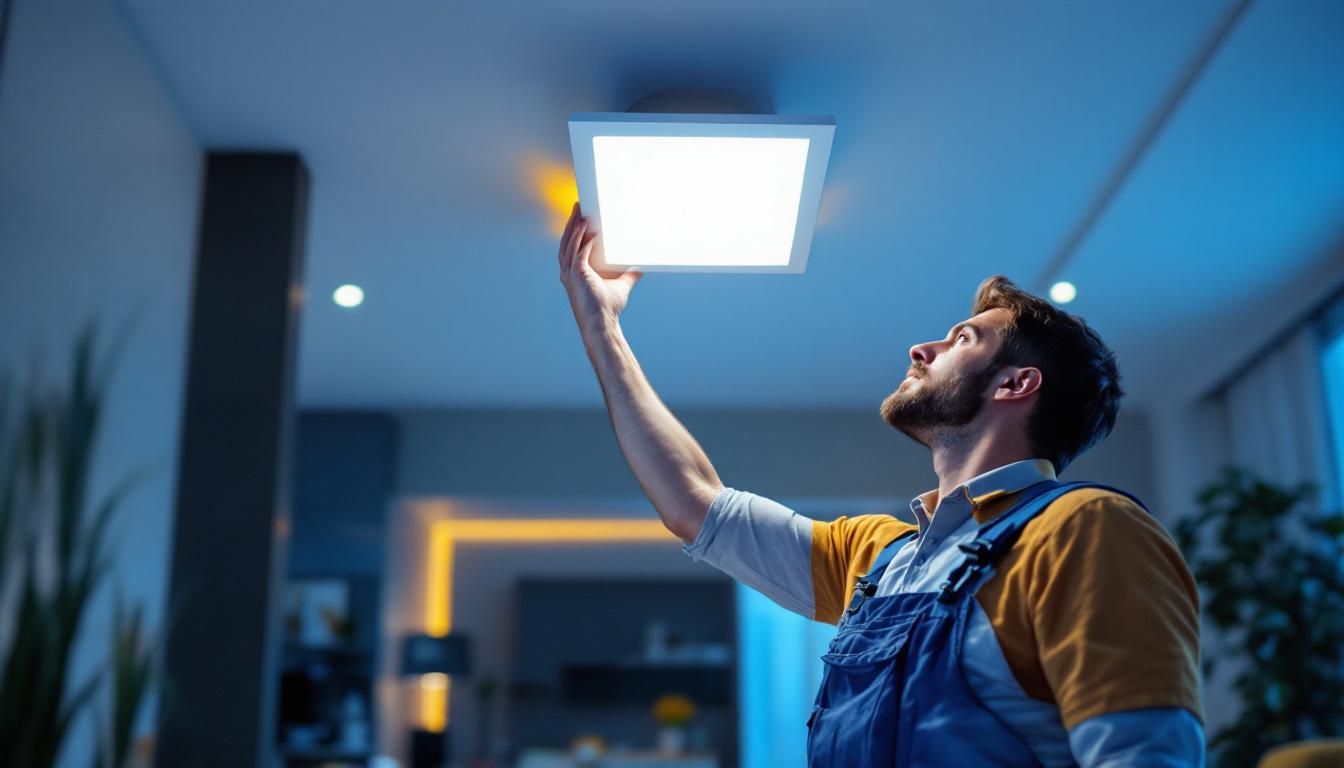
The E12 bulb may be small, but its impact on lighting projects is substantial. For lighting contractors, mastering the details of this bulb type-from technical specifications to aesthetic considerations-is essential for delivering successful installations. By selecting the right E12 bulbs and understanding their applications, contractors can enhance energy efficiency, safety, and design quality, ultimately driving client satisfaction and business success.
Whether illuminating a grand chandelier or a cozy wall sconce, the E12 bulb remains a key tool in the lighting contractor’s arsenal. Its blend of versatility, efficiency, and style ensures it will continue to be a cornerstone of quality lighting solutions for years to come.
Illuminate Your Projects with LumenWholesale
Ready to elevate your lighting installations with the versatile and efficient E12 bulb? Look no further than LumenWholesale, where we provide contractors with the highest quality, spec-grade lighting products at unbeatable wholesale prices. Say goodbye to middleman markups and hello to a vast selection of reliable, high-performance lighting that meets the strictest industry standards. With free shipping on bulk orders, you can stock up on premium E12 bulbs and more, ensuring your projects shine with excellence. Don’t compromise on quality or value—Wholesale Lighting at the Best Value is just a click away. Experience the LumenWholesale difference today!