Understanding the Importance of Compliance in Pendant Lighting
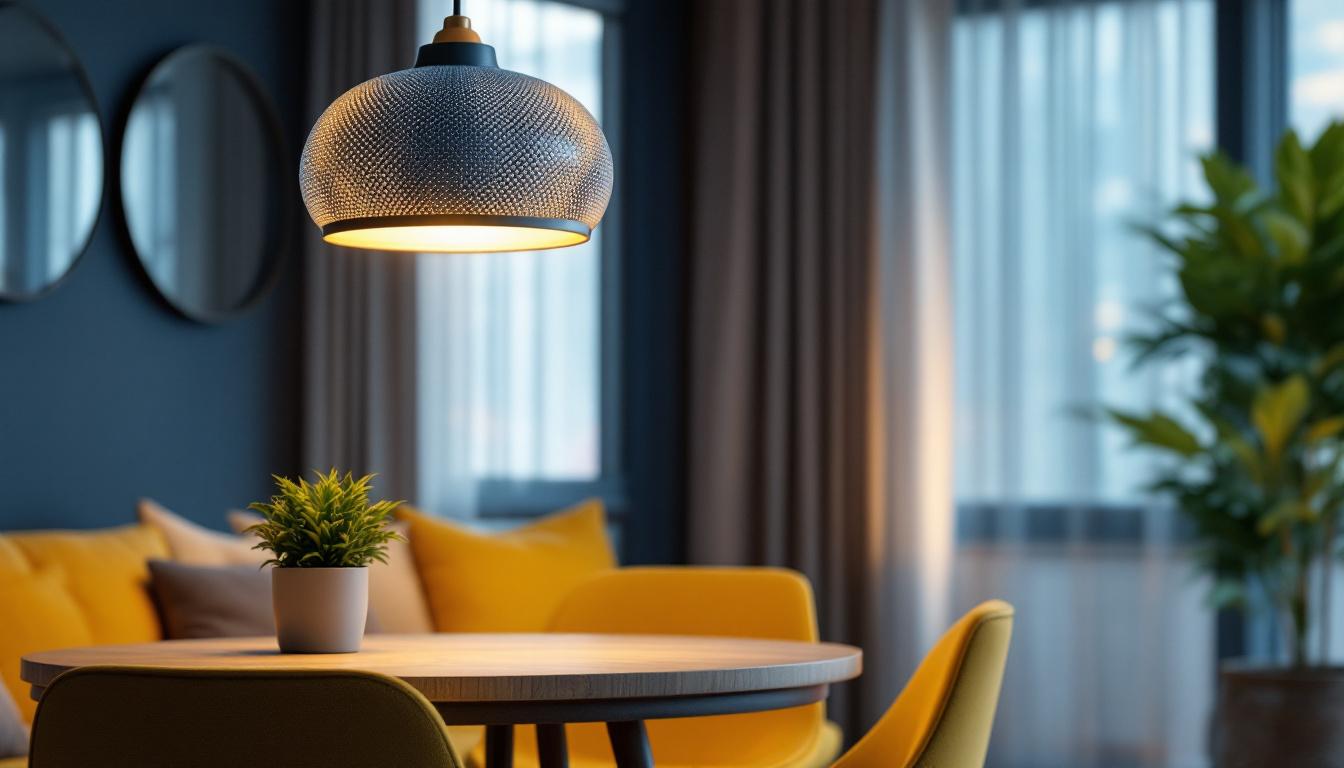
In the evolving world of lighting design, contemporary pendant light shades have become a staple in both residential and commercial spaces. Their aesthetic appeal combined with functional versatility makes them a popular choice among designers and clients alike. However, for lighting contractors, installing these fixtures goes beyond selecting the right style and size; compliance with safety and regulatory standards is paramount.
Compliance ensures not only the safety of the end-users but also protects contractors from legal liabilities and reputational damage. Given the variety of materials, designs, and electrical components involved in pendant lighting, understanding the relevant codes and standards is essential for successful project completion.
Why Compliance Matters for Lighting Contractors
Lighting contractors operate within a framework of national and local regulations that govern electrical installations. Non-compliance can lead to serious consequences, including fines, project delays, or even the need to redo installations. Moreover, compliance guarantees that the pendant light shades meet fire safety, electrical safety, and environmental standards, which are critical in preventing accidents and ensuring long-term durability.
For contemporary pendant light shades, which often incorporate innovative materials such as acrylics, metals, and composites, verifying compliance with standards like UL (Underwriters Laboratories) or CE marking is a crucial step before installation. These certifications not only assure the quality and safety of the materials used but also enhance the overall marketability of the products. Clients are increasingly aware of the importance of safety standards, and showcasing compliance can be a significant selling point for contractors aiming to establish trust and credibility in their services.
Additionally, compliance with energy efficiency standards, such as those set by the Energy Star program, can lead to substantial cost savings for clients in the long run. By selecting pendant lighting that adheres to these guidelines, contractors can help their clients reduce energy consumption and lower utility bills. This not only contributes to a more sustainable environment but also aligns with the growing trend of eco-conscious design, which is becoming increasingly important in both residential and commercial projects. As such, understanding and implementing compliance measures is not just about adhering to regulations; it’s about embracing a holistic approach to lighting design that prioritizes safety, efficiency, and aesthetic appeal.
Key Compliance Standards and Regulations for Pendant Light Shades
Lighting contractors must familiarize themselves with several key standards and regulations that apply to pendant light shades. These standards vary depending on the geographic location and the specific application of the lighting fixture.
Electrical Safety Standards
Electrical safety is at the core of lighting compliance. In many regions, standards such as the National Electrical Code (NEC) in the United States or the IEC (International Electrotechnical Commission) standards internationally dictate the requirements for wiring, grounding, and installation methods.
For pendant light shades, contractors need to ensure that the fixture’s electrical components are rated for the intended voltage and current. Additionally, the wiring must be installed in a way that prevents exposure to moisture or physical damage, which could lead to electrical hazards. Regular inspections and adherence to these standards not only protect the integrity of the installation but also safeguard the occupants from potential electrical accidents, making it imperative for contractors to stay updated on any changes in local codes.
Fire Safety and Material Compliance
Contemporary pendant light shades often use materials that must comply with fire safety regulations. Flame retardancy is a critical factor, especially in commercial installations where fire codes are stringent. Materials used in shades should ideally be tested for flame resistance and meet standards such as UL 94, which classifies plastics and other materials based on their burning characteristics.
Lighting contractors should verify that the pendant shades do not emit toxic fumes when exposed to heat or flame, as this is a requirement in many jurisdictions. This is particularly important in hospitality and healthcare settings where occupant safety is a priority. Furthermore, the selection of materials can also influence the aesthetic appeal of the space; thus, contractors often face the challenge of balancing compliance with design preferences, ensuring that the chosen materials not only meet safety standards but also contribute to the overall ambiance of the environment.
Environmental and Energy Efficiency Regulations
Energy efficiency is increasingly becoming a compliance consideration. Many regions have adopted regulations that encourage or mandate the use of energy-efficient lighting solutions. While pendant light shades themselves do not consume energy, their design can influence the efficiency of the light source.
For example, shades that diffuse light effectively can reduce the need for higher wattage bulbs, thereby contributing to energy savings. Additionally, some jurisdictions require lighting fixtures to be compatible with LED technology or to have a certain minimum energy performance rating. The integration of smart lighting systems is also gaining traction, allowing for enhanced control over energy usage through dimming capabilities and automated schedules, which further aligns with sustainability goals. As consumers become more environmentally conscious, the demand for compliant, energy-efficient pendant lighting solutions is likely to grow, prompting contractors to stay informed about the latest innovations and regulatory updates in the lighting industry.
Installation Best Practices for Compliance
Proper installation is as important as selecting compliant fixtures. Lighting contractors must adhere to best practices that align with regulatory requirements and manufacturer guidelines.
Pre-Installation Checks
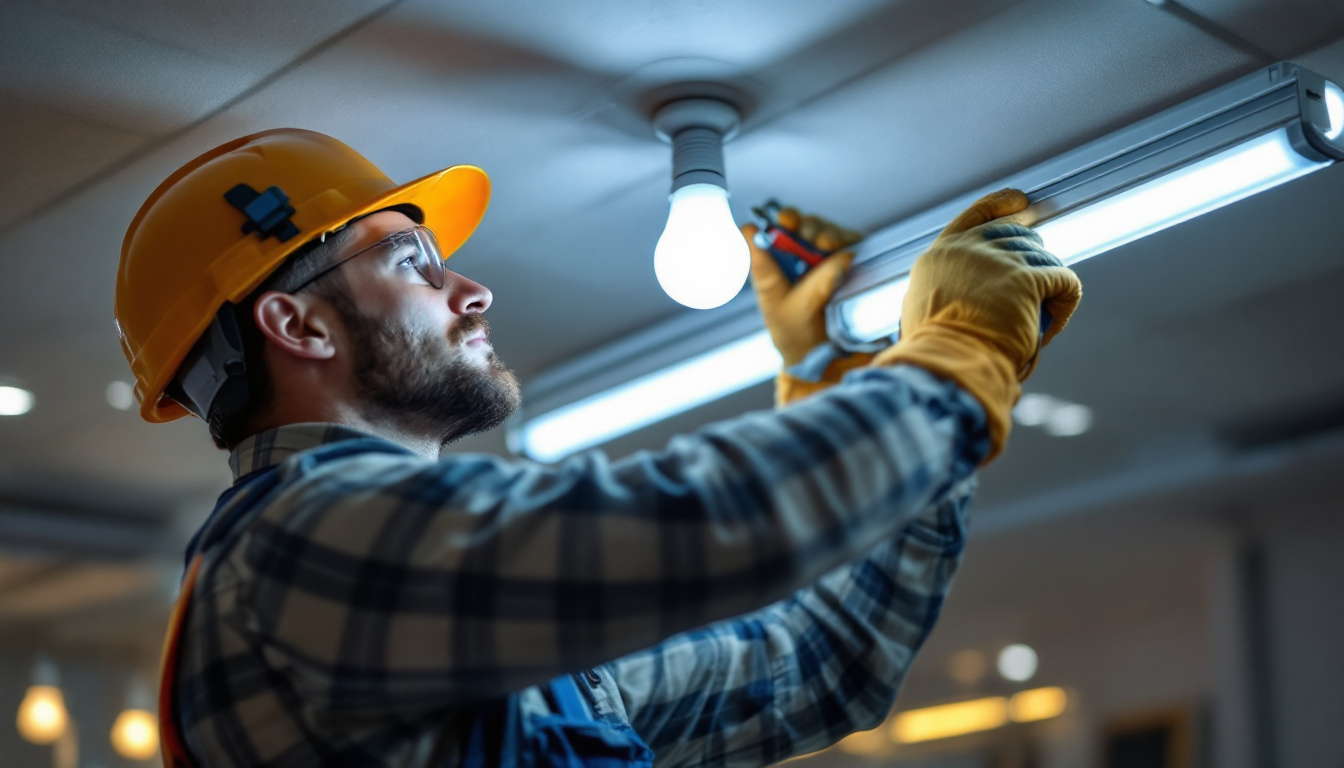
Before installation, contractors should conduct thorough inspections of the pendant light shades and their components. This includes verifying certification labels, checking for any physical damage, and ensuring compatibility with the electrical system.
It is also advisable to review the installation manual provided by the manufacturer, as it often contains specific instructions related to compliance and safety. Additionally, contractors should familiarize themselves with any local amendments to national electrical codes, as these can vary significantly by jurisdiction and may impose stricter requirements than the standard guidelines.
Wiring and Mounting Considerations
Correct wiring is essential for compliance. Contractors should use wiring materials that meet or exceed the standards specified in local electrical codes. Grounding the fixture properly is a non-negotiable safety requirement.
Mounting hardware must be secure and capable of supporting the weight of the pendant shade. This is particularly critical for larger or heavier contemporary designs that may use metals or glass components. Failure to mount fixtures securely can lead to accidents and violations of building codes. Furthermore, contractors should consider the environmental conditions where the fixtures will be installed; for instance, areas with high humidity may require corrosion-resistant materials to ensure longevity and safety.
Testing and Documentation
After installation, testing the fixture for proper operation and safety is necessary. This includes checking electrical connections, ensuring that the light operates without flickering or overheating, and verifying that any dimming controls function correctly.
Documenting compliance through photographs, certification copies, and test results can be invaluable in case of inspections or future maintenance needs. Moreover, maintaining a detailed log of all installations, including dates, locations, and any issues encountered, can help contractors identify patterns that may require attention and improve future installation practices. This proactive approach not only enhances safety but also builds trust with clients, demonstrating a commitment to quality and compliance in every project undertaken.
Common Challenges and How to Overcome Them
Despite best efforts, lighting contractors may encounter challenges when working with contemporary pendant light shades. Awareness and proactive management of these issues can streamline projects and ensure compliance.
Material Compatibility Issues
Some contemporary pendant shades incorporate mixed materials that may have different expansion rates or chemical properties. This can affect the longevity and safety of the fixture. Contractors should consult with manufacturers regarding material compatibility and avoid modifications that could void compliance certifications. Additionally, understanding the specific properties of materials such as glass, metal, and plastics can help in selecting the right components for each project. For instance, glass shades may require special handling to prevent breakage during installation, while metal fixtures might need specific coatings to resist corrosion in humid environments.
Adapting to Unique Architectural Features
Modern interiors often feature unconventional ceiling heights or shapes, which can complicate the installation of pendant lights. Contractors must ensure that pendant shades are installed at appropriate heights to comply with clearance requirements and to avoid hazards such as head injuries or interference with other building systems. Furthermore, the aesthetic aspect of the installation should not be overlooked; the visual alignment of pendant lights with architectural lines can greatly enhance the overall design. Utilizing adjustable suspension systems can provide flexibility in achieving the desired look while maintaining safety standards.
Keeping Up with Changing Regulations
Regulations and standards evolve, sometimes rapidly, especially in the realm of energy efficiency and environmental impact. Lighting contractors should maintain ongoing education and subscribe to industry updates to stay informed about new compliance requirements. Engaging in workshops and industry conferences can also provide invaluable insights into emerging trends and technologies. Networking with peers can facilitate the sharing of best practices and innovative solutions to common problems, ensuring that contractors remain competitive and compliant in a fast-changing market.
Conclusion: The Contractor’s Role in Ensuring Safe and Compliant Pendant Lighting
Contemporary pendant light shades offer exciting design possibilities but come with a responsibility to ensure compliance with safety and regulatory standards. Lighting contractors play a critical role in bridging the gap between innovative design and practical, safe installation.
By understanding the relevant electrical, fire safety, and environmental regulations, adhering to best installation practices, and staying informed about industry changes, contractors can deliver lighting solutions that are not only visually appealing but also safe, reliable, and compliant.
Ultimately, compliance is not just a legal obligation but a commitment to quality and safety that benefits contractors, clients, and end-users alike.
Get Your Spec-Grade Pendant Light Shades at LumenWholesale
Ready to elevate your lighting projects with compliant, stylish, and efficient pendant light shades? Look no further than LumenWholesale. Our extensive selection of top-quality lighting products meets the highest industry standards, ensuring that you deliver not only aesthetically pleasing but also safe and reliable installations. Take advantage of our unbeatable wholesale prices, bulk buying convenience, and free shipping to get the best value for your lighting needs. Wholesale Lighting at the Best Value is just a click away. Partner with LumenWholesale today and light up your projects with confidence and ease.