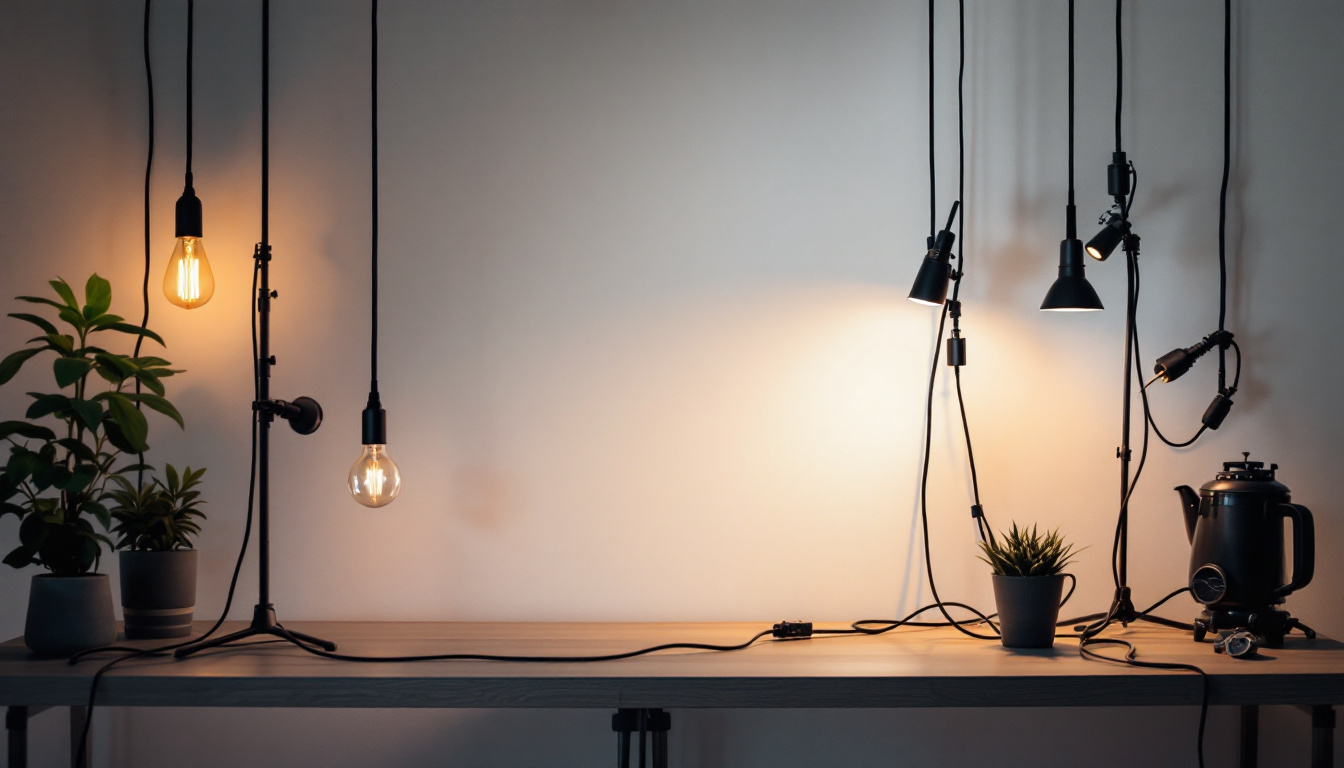
Understanding the Importance of Outdoor Bracket Lights
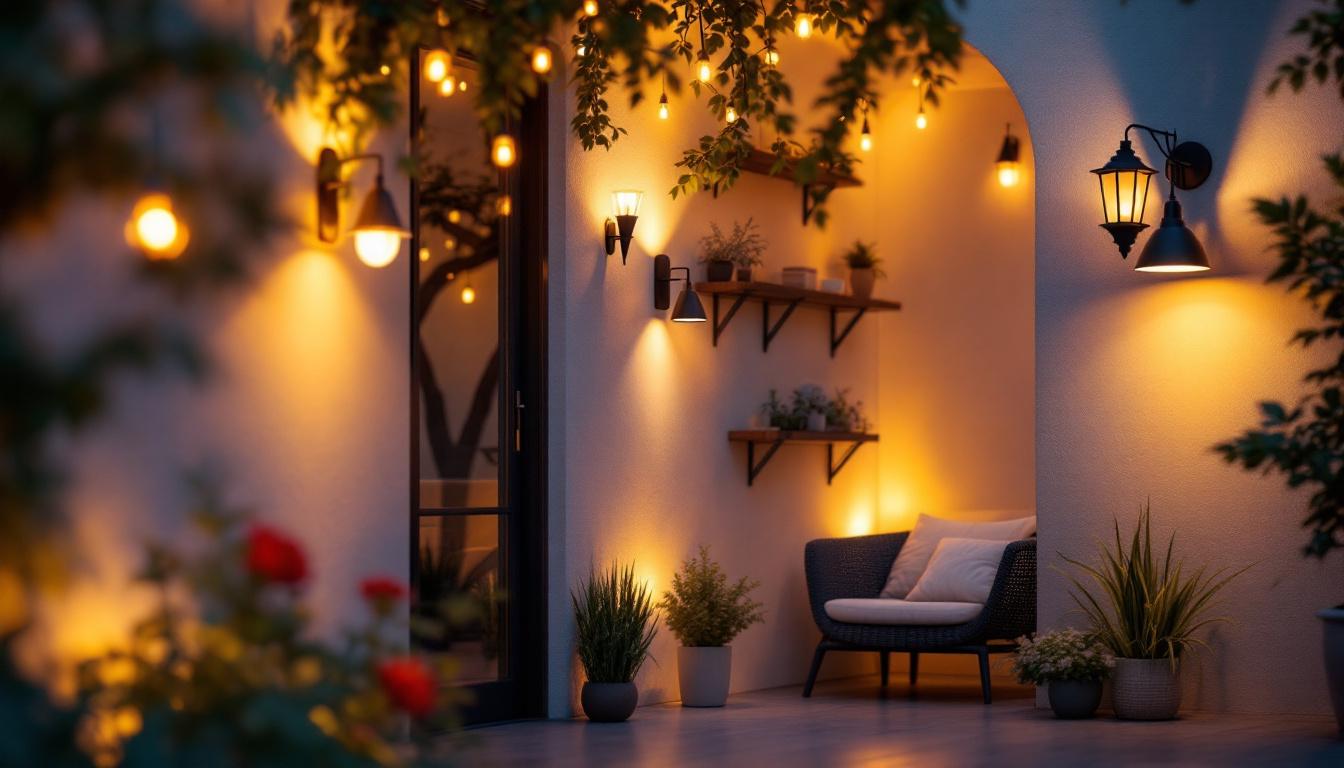
Outdoor bracket lights play a crucial role in both residential and commercial lighting projects. For lighting contractors, selecting the right bracket lights is not just about aesthetics; it also involves considerations of functionality, durability, safety, and energy efficiency. These fixtures provide essential illumination for pathways, entrances, and architectural features, enhancing security and curb appeal.
Given their exposure to various weather conditions and environmental factors, outdoor bracket lights must be robust and reliable. Choosing the wrong type can lead to frequent maintenance issues, client dissatisfaction, or even safety hazards. Therefore, understanding the technical specifications and installation requirements is fundamental for contractors aiming to deliver high-quality lighting solutions.
Moreover, the design of outdoor bracket lights can significantly influence the ambiance of a space. For instance, fixtures with adjustable heads allow for targeted lighting, which can highlight specific areas such as gardens or sculptures, creating a visually appealing nighttime landscape. Additionally, the use of LED technology in these lights not only enhances energy efficiency but also offers a range of color temperatures, enabling homeowners and businesses to customize their outdoor lighting to suit their preferences and needs.
Furthermore, the integration of smart technology into outdoor bracket lights is becoming increasingly popular. Many modern fixtures can now be controlled via smartphone apps or smart home systems, allowing users to adjust brightness levels, set timers, or even change colors from the comfort of their homes. This level of control not only adds convenience but also promotes energy savings by enabling users to turn off lights when they are not needed. As outdoor spaces become extensions of our living areas, the importance of thoughtfully designed and technologically advanced outdoor bracket lights cannot be overstated.
Key Factors to Consider When Selecting Outdoor Bracket Lights
Material and Durability
One of the first considerations is the material from which the bracket light is made. Common materials include aluminum, brass, stainless steel, and durable plastics. Aluminum is popular due to its lightweight nature and resistance to corrosion, especially when powder-coated. Brass offers a classic look and excellent corrosion resistance but tends to be more expensive. Stainless steel is highly durable and resistant to rust, making it ideal for coastal or humid environments.
Contractors should prioritize fixtures that meet or exceed industry standards for outdoor use, such as UL or ETL listings for wet or damp locations. This ensures the fixture can withstand rain, snow, and temperature fluctuations without compromising performance. Furthermore, the choice of material can also influence the maintenance requirements of the lighting fixtures. For instance, while brass may require periodic polishing to maintain its luster, aluminum and stainless steel generally demand less upkeep, making them more suitable for low-maintenance projects. Understanding the local climate and environmental conditions can also guide the selection process, ensuring longevity and reliability of the lighting installations.
Lighting Technology and Energy Efficiency
LED technology has revolutionized outdoor lighting, offering significant energy savings and longer lifespans compared to traditional incandescent or halogen bulbs. When choosing bracket lights, contractors should look for fixtures designed specifically for LED integration or those that come with built-in LED modules.
Energy efficiency is not just an environmental concern but also a cost-saving factor for clients. Many municipalities and utility companies offer incentives for installing energy-efficient lighting, which can be a selling point during project proposals. Additionally, LED lights provide superior color rendering and brightness control, enhancing the overall lighting quality. The ability to dim LED fixtures or integrate them with smart home systems can further elevate the functionality of outdoor lighting, allowing homeowners to customize their lighting experience according to their needs. As technology continues to evolve, exploring options like solar-powered LED lights can also be beneficial, especially for remote areas where traditional wiring may be impractical.
Design and Aesthetic Compatibility
The design of the bracket light should complement the architectural style of the building or landscape. Whether the project calls for a modern, minimalist look or a more traditional, ornate fixture, contractors must have a range of options to meet client preferences. The size and shape of the bracket arm, the finish of the fixture, and the style of the shade or diffuser all contribute to the final visual impact.
Offering clients a variety of finishes such as matte black, bronze, nickel, or copper can help tailor the lighting to specific design themes. Additionally, the placement and height of the bracket light affect both functionality and aesthetics, so contractors should plan installations carefully to achieve the desired effect. Incorporating adjustable fixtures can provide versatility, allowing clients to change the direction of light as needed, which can be particularly useful for highlighting architectural features or creating ambient lighting in outdoor living spaces. Lastly, considering the overall landscape design, including trees, pathways, and outdoor furniture, can help ensure that the chosen lighting not only serves its practical purpose but also enhances the beauty of the environment it illuminates.
Technical Specifications and Installation Considerations
Mounting and Compatibility
Outdoor bracket lights typically mount to walls using a backplate or mounting bracket. It is essential to verify that the fixture is compatible with the existing electrical box and wall material. Some fixtures are designed for surface mounting, while others may require recessed or specialized mounting hardware.
Contractors should also consider the ease of installation and maintenance. Fixtures with accessible wiring compartments and tool-free access to bulbs or LED modules reduce labor time and future service costs. Weatherproof seals and gaskets are critical to prevent moisture ingress, which can damage electrical components.
Light Distribution and Beam Angle
The direction and spread of light emitted by bracket fixtures influence both safety and ambiance. Some bracket lights cast downward illumination ideal for walkways and entrances, while others provide more diffuse or decorative lighting. Understanding the beam angle and lumen output helps contractors select fixtures that meet specific lighting requirements.
For example, a narrow beam angle is suitable for highlighting architectural details, whereas a wider beam angle provides general area lighting. Combining different types of bracket lights can create layered lighting effects that enhance both functionality and visual interest.
Electrical and Safety Standards
Ensuring compliance with local electrical codes and safety standards is non-negotiable. Outdoor bracket lights must be rated for wet or damp locations, depending on the installation environment. Ground-fault circuit interrupters (GFCIs) are often required for outdoor circuits to protect against electrical shock.
Contractors should verify voltage compatibility and consider fixtures with integrated surge protection, especially in areas prone to lightning or power fluctuations. Proper grounding and secure wiring connections are essential to prevent hazards and ensure long-term reliability.
Trends and Innovations in Outdoor Bracket Lighting
Smart Lighting Integration
Smart outdoor lighting systems are becoming increasingly popular, allowing users to control lights remotely via apps or voice commands. For contractors, offering bracket lights compatible with smart controls can add value to projects and appeal to tech-savvy clients. Features such as dimming, scheduling, and color temperature adjustments enhance usability and energy management.
Some smart fixtures also include motion sensors or ambient light sensors, optimizing energy use by activating lights only when needed. Integrating these technologies requires familiarity with wireless protocols and compatibility with home automation systems.
Sustainable and Eco-Friendly Options
Environmental considerations are influencing product development in outdoor lighting. Fixtures made from recycled or sustainably sourced materials, combined with energy-efficient LEDs, contribute to greener projects. Additionally, solar-powered bracket lights offer an off-grid solution, reducing installation complexity and operating costs.
While solar options may not suit every application due to light output or placement constraints, they are ideal for remote locations or areas where running electrical wiring is challenging. Contractors should evaluate the feasibility and client expectations before recommending these solutions.
Best Practices for Lighting Contractors
Client Consultation and Site Assessment
Effective communication with clients is essential to understand their lighting goals, budget, and design preferences. Conducting a thorough site assessment allows contractors to identify potential challenges such as mounting surfaces, existing electrical infrastructure, and environmental conditions.
Providing clients with visual aids, such as lighting simulations or product samples, can help set realistic expectations and facilitate decision-making. Documenting the site conditions and client requirements ensures a smooth installation process and reduces the risk of costly changes.
Product Sourcing and Vendor Relationships
Establishing strong relationships with reputable manufacturers and suppliers ensures access to high-quality bracket lights and technical support. Contractors should prioritize vendors who offer comprehensive warranties, certification documentation, and responsive customer service.
Staying informed about new products and industry developments enables contractors to recommend the latest technologies and designs to clients, maintaining a competitive edge in the market.
Installation and Maintenance Tips
Proper installation is key to maximizing the lifespan and performance of outdoor bracket lights. Contractors should follow manufacturer instructions carefully, use appropriate tools and materials, and verify all electrical connections. Testing the lighting system before finalizing the project helps identify any issues early.
Educating clients on routine maintenance, such as cleaning lenses, checking seals, and replacing bulbs or modules, helps preserve the fixture’s appearance and functionality. Offering maintenance contracts or follow-up services can also generate additional revenue streams.
Conclusion
Choosing the right outdoor bracket lights requires a comprehensive understanding of materials, lighting technology, design, and installation considerations. For lighting contractors, this knowledge ensures the delivery of durable, efficient, and visually appealing lighting solutions that meet client expectations and comply with safety standards.
By staying current with industry trends, leveraging smart technologies, and fostering strong client and vendor relationships, contractors can enhance their service offerings and build a reputation for excellence in outdoor lighting projects. Ultimately, the right bracket lights not only illuminate spaces but also elevate the overall experience and value of any property.
Illuminate Your Projects with LumenWholesale
Ready to enhance your outdoor lighting projects with the best bracket lights on the market? Look no further than LumenWholesale, where we provide contractors with superior, spec-grade lighting products at unbeatable wholesale prices. Our commitment to quality and affordability means you can access a wide range of industry-standard lighting without the extra costs. Plus, with free shipping on bulk orders, you can stock up on all the lighting essentials you need to make your projects shine. Elevate your outdoor spaces and delight your clients by choosing Wholesale Lighting at the Best Value with LumenWholesale.