Understanding ADA Compliance for Hand Dryer Installation
For lighting contractors, ensuring that hand dryers meet ADA (Americans with Disabilities Act) standards is a critical aspect of bathroom fixture installation. While lighting is their primary focus, contractors often coordinate with plumbing and electrical teams to guarantee that all elements, including hand dryers, comply with accessibility requirements. ADA compliance not only ensures legal adherence but also promotes inclusivity and usability for all individuals.
The ADA guidelines specify clear parameters for the height and placement of hand dryers in public restrooms. These standards are designed to accommodate users with a variety of physical abilities, including those who use wheelchairs or have limited reach. Understanding these requirements helps lighting contractors avoid costly rework and supports seamless project completion.
Key ADA Height Requirements for Hand Dryers
According to ADA standards, the operable parts of hand dryers must be installed no higher than 48 inches (1220 mm) above the finished floor. This height ensures that individuals in wheelchairs or with limited arm mobility can easily reach and operate the device. Additionally, the dryer should be positioned with sufficient clear floor space to allow for forward or parallel approach by wheelchair users.
It’s also important to consider the reach range. The ADA specifies that the maximum forward reach for a person in a wheelchair is 48 inches if the reach is unobstructed, but it can be as low as 44 inches if there is an obstruction. Therefore, the placement of hand dryers must take into account nearby fixtures or walls that could limit reachability.
Furthermore, the type of hand dryer selected can also impact compliance. High-speed hand dryers, while efficient, may require additional consideration regarding noise levels and airflow direction, which could affect users with sensory sensitivities. Contractors should evaluate the specifications of various models to ensure they not only meet ADA height requirements but also provide a user-friendly experience for everyone. This includes assessing the ease of operation, such as whether the dryer is activated by a button or sensor, as well as the overall design, which should blend seamlessly with the restroom’s aesthetic while remaining functional for all users.
In addition to height and placement, contractors must also be aware of the surrounding environment. The layout of the restroom should facilitate easy navigation, ensuring that there are no barriers that could impede access to the hand dryer. For example, the positioning of stalls, sinks, and other fixtures should allow for a clear path of travel, making it easier for individuals with mobility challenges to access the hand dryer without obstruction. Proper signage indicating the location of accessible facilities can further enhance usability, ensuring that all patrons can locate and utilize the amenities available to them.
Why Lighting Contractors Should Prioritize ADA-Compliant Hand Dryer Installation
Lighting contractors often work closely with other trades on commercial and public restroom projects. While their primary role is to install and configure lighting fixtures, understanding ADA requirements for all restroom components, including hand dryers, enhances coordination and project efficiency.
Ensuring that hand dryers are installed at the correct height and location prevents potential compliance issues during inspections. Non-compliance can lead to costly delays, fines, or the need for reinstallation. For lighting contractors, being proactive about these standards demonstrates professionalism and a commitment to quality workmanship.
Impact on Overall Project Workflow
When lighting contractors are aware of hand dryer ADA requirements, they can better plan electrical conduit placement and power supply routing. This foresight reduces the risk of conflicting installations and streamlines the work of electrical and plumbing teams. For example, positioning electrical outlets and wiring at heights that accommodate ADA-compliant hand dryers avoids unnecessary adjustments later.
Moreover, lighting contractors can advise project managers and clients on optimal fixture placement that balances accessibility with aesthetic and functional lighting design. This collaborative approach leads to more cohesive and compliant restroom environments.
In addition to improving workflow, understanding ADA compliance can enhance the overall user experience in public restrooms. By ensuring that hand dryers are accessible to all individuals, including those with disabilities, lighting contractors contribute to a more inclusive environment. This attention to detail not only meets legal obligations but also reflects positively on the establishment, fostering a welcoming atmosphere for all patrons. Furthermore, by integrating energy-efficient lighting solutions with ADA-compliant fixtures, contractors can promote sustainability while adhering to accessibility standards, creating spaces that are both functional and environmentally responsible.
Additionally, staying informed about the latest advancements in hand dryer technology can further benefit lighting contractors. Many modern hand dryers are designed with energy efficiency in mind, reducing operational costs for businesses while providing quick and effective drying solutions. By recommending these innovative products, lighting contractors can position themselves as knowledgeable partners in the project, helping clients make informed decisions that align with both compliance and cost-effectiveness. This proactive engagement not only enhances the contractor’s reputation but also builds trust with clients, leading to potential future collaborations on similar projects.
Practical Tips for Installing ADA-Compliant Hand Dryers
Successful installation of ADA-compliant hand dryers requires attention to detail and adherence to best practices. Lighting contractors can apply the following tips to ensure compliance and efficiency:
1. Measure Precisely Before Installation
Use a reliable measuring tape or laser measure to confirm the height from the finished floor to the dryer’s operable part. Double-check measurements against ADA guidelines to avoid errors. Remember that the finished floor height can vary, so measure after flooring installation is complete. Additionally, consider the potential for future renovations or changes in flooring materials that might affect the overall height. Keeping a flexible approach to measurements can save time and resources in the long run.
2. Allow Adequate Clear Floor Space
Ensure there is at least 30 by 48 inches of clear floor space in front of the hand dryer. This space allows wheelchair users to approach and operate the dryer comfortably. Avoid placing other fixtures or obstructions within this area. It’s also beneficial to assess the flow of traffic in the restroom or area where the dryer is installed, as high-traffic zones may require additional space to prevent congestion and ensure safety for all users.
3. Coordinate with Electrical Teams Early
Discuss the hand dryer’s power requirements and location with electricians before installation. Confirm that wiring and outlets will be accessible and compliant with ADA reach ranges. Early coordination prevents conflicts and supports smooth installation. Moreover, consider the energy efficiency of the hand dryer models being installed. Selecting energy-efficient units not only aligns with sustainability goals but may also reduce long-term operational costs.
4. Consider the Dryer’s Activation Method
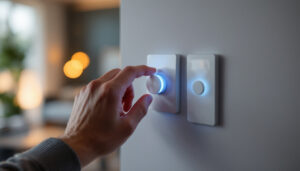
Many hand dryers use automatic sensors, which are generally easier for users with disabilities to operate. However, sensor placement must also comply with ADA reach requirements. If manual activation buttons are used, ensure they are within the specified height range and require minimal force. Additionally, consider the responsiveness of the activation method; a quick and reliable activation can enhance user satisfaction and reduce wait times, particularly in high-traffic facilities.
5. Document Installation Details
Keep thorough records of measurements, fixture models, and installation locations. This documentation supports future inspections and maintenance, demonstrating compliance and professionalism. Furthermore, consider creating a visual guide or map of the installation layout. This can be a valuable resource for maintenance teams and can help ensure that any future modifications or repairs are conducted with full awareness of the original installation parameters.
Common Challenges and How to Overcome Them
Lighting contractors may encounter several challenges when installing ADA-compliant hand dryers. Understanding these issues and their solutions can save time and resources.
Space Constraints in Small Restrooms
In compact restroom layouts, finding adequate space for clear floor access and proper dryer height can be difficult. Contractors should work with designers to optimize fixture placement and consider alternative dryer models with smaller footprints or wall-mounted designs that maximize space.
Variations in Floor Height and Surface
Uneven or unfinished flooring can complicate height measurements. Always measure after flooring installation and verify that the floor surface is level. If necessary, adjust mounting brackets to compensate for slight variations.
Coordination with Other Trades
Conflicts with plumbing or HVAC installations can interfere with hand dryer placement. Early communication and collaborative planning with all trades involved in the project help identify potential issues and develop solutions.
Enhancing Accessibility Beyond Compliance
While meeting ADA standards is essential, lighting contractors can contribute to creating even more accessible restroom environments by considering additional factors.
Integrating Adequate Lighting Around Hand Dryers
Proper illumination near hand dryers improves usability for all users, including those with visual impairments. Lighting contractors should ensure that fixtures provide even, glare-free light in these areas. Installing adjustable or motion-activated lighting can enhance user experience and energy efficiency.
Choosing Energy-Efficient and User-Friendly Hand Dryers
Modern hand dryers offer advanced features such as quieter operation, faster drying times, and touchless activation. Selecting models that combine accessibility with sustainability aligns with contemporary building standards and client expectations.
Providing Clear Signage and Instructions
Clear, visible signage indicating the location and operation of hand dryers supports users with cognitive or sensory disabilities. Lighting contractors can collaborate with project teams to incorporate well-lit, legible signs near fixtures.
Conclusion: The Role of Lighting Contractors in ADA-Compliant Restroom Installations
Lighting contractors play a vital role in ensuring that public restrooms are accessible, safe, and compliant with ADA standards. By understanding the specific requirements for hand dryer height and placement, they can contribute to seamless installations that meet legal and user needs.
Prioritizing ADA compliance not only prevents costly rework but also enhances the reputation of contractors as knowledgeable and reliable professionals. Through precise measurement, effective coordination with other trades, and attention to lighting quality, contractors help create inclusive environments that serve all users effectively.
Staying informed about ADA guidelines and best practices empowers lighting contractors to deliver high-quality results that align with evolving accessibility standards and client expectations.
Get Your ADA-Compliant Lighting Solutions at LumenWholesale
As a lighting contractor committed to ADA-compliant installations, you need a partner that provides quality and value in equal measure. At LumenWholesale, we offer an extensive selection of spec-grade lighting products that meet the highest industry standards, perfect for your inclusive restroom projects. With unbeatable wholesale prices and the convenience of free shipping on bulk orders, you can ensure every aspect of your project shines with excellence. Elevate your installations with the perfect blend of quality, affordability, and convenience. Discover the best value in lighting solutions by visiting Wholesale Lighting at the Best Value today.