Understanding the Evolution of Lighting Technology
The lighting industry has undergone a remarkable transformation over recent years, driven by advancements in technology and shifting consumer demands. For lighting contractors, staying ahead means not only understanding the latest products but also anticipating future trends that will shape installations and client expectations.
One of the most significant shifts has been the widespread adoption of LED technology. LEDs offer greater energy efficiency, longer lifespan, and enhanced design flexibility compared to traditional incandescent or fluorescent lighting. According to industry reports, LED lighting now accounts for a substantial majority of new lighting installations worldwide, reflecting a clear preference for sustainable and cost-effective solutions.
Beyond LEDs, innovations such as smart lighting systems and human-centric lighting have gained traction. Smart lighting integrates with building automation systems, allowing for remote control, scheduling, and adaptive lighting scenarios that improve both energy management and user experience. Human-centric lighting, which adjusts color temperature and intensity to support circadian rhythms, is increasingly valued in commercial and healthcare environments.
Moreover, the rise of the Internet of Things (IoT) has further revolutionized the lighting landscape. IoT-enabled lighting systems can communicate with other devices, creating a cohesive network that enhances functionality and efficiency. For instance, sensors can detect occupancy and adjust lighting accordingly, ensuring that energy is not wasted in unoccupied spaces. This level of automation not only contributes to sustainability but also aligns with the growing demand for smart homes and workplaces that prioritize convenience and comfort.
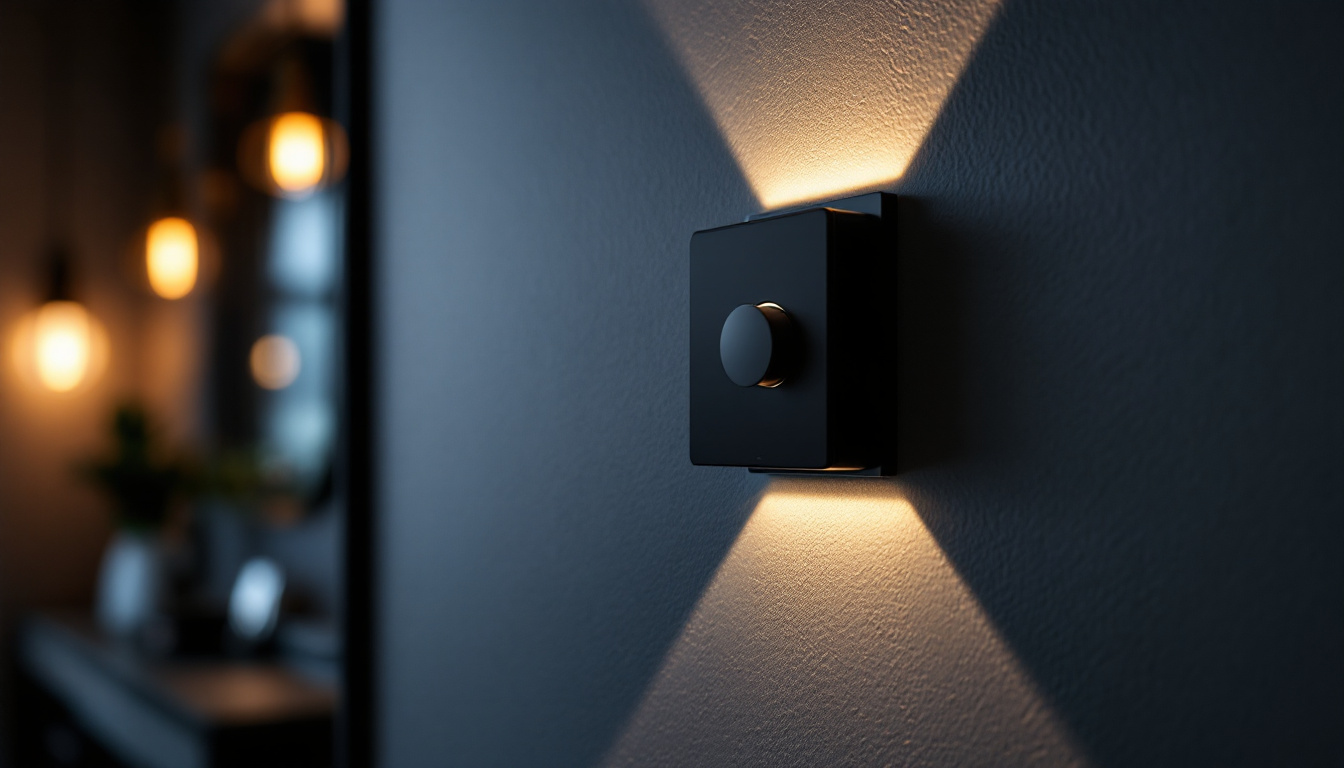
Additionally, the aesthetic aspect of lighting has not been overlooked in this evolution. Designers are now leveraging advanced technologies to create dynamic lighting solutions that can change in color and intensity, enhancing the mood and ambiance of a space. This trend is particularly evident in architectural lighting, where creative applications of light can highlight structural features and create immersive environments. As consumers become more design-conscious, the interplay between functionality and aesthetic appeal will continue to drive innovation within the lighting sector.
Key Challenges Lighting Contractors Face Today
Balancing Energy Efficiency with Aesthetic Appeal
One of the primary challenges for lighting contractors is achieving the delicate balance between energy efficiency and aesthetic appeal. Clients often want lighting solutions that not only reduce operational costs but also enhance the ambiance and architectural features of a space.
Expert contractors emphasize the importance of selecting fixtures and controls that meet both criteria. For example, integrating dimmable LED fixtures with advanced control systems allows for dynamic lighting scenes that can be tailored to different activities or moods, all while minimizing energy consumption. Moreover, the use of smart sensors can further enhance energy efficiency by automatically adjusting lighting levels based on occupancy and natural light availability, creating a harmonious blend of functionality and beauty. This approach not only satisfies client demands but also aligns with growing sustainability goals, making it a win-win for both parties.
Keeping Up with Regulatory Requirements
Regulatory standards around lighting efficiency and safety continue to evolve, requiring contractors to stay informed and compliant. Many regions have introduced stricter energy codes and mandates for the use of sustainable lighting technologies in new constructions and renovations.
Contractors must ensure that their designs and installations meet these requirements, which often involves working closely with architects, engineers, and code officials. Failure to comply can result in costly rework, fines, or delays, underscoring the importance of thorough knowledge and proactive planning. Additionally, as governments push for greener initiatives, contractors may find themselves needing to educate clients about the benefits of energy-efficient solutions, helping to foster a culture of compliance and environmental responsibility. This educational aspect can also serve as a marketing tool, positioning contractors as knowledgeable leaders in an increasingly competitive marketplace.
Managing Complex Smart Lighting Systems
The integration of smart lighting systems introduces complexity in design, installation, and maintenance. Lighting contractors must be proficient not only in electrical installation but also in networking, programming, and troubleshooting these advanced systems.
Training and certification in smart lighting platforms are becoming essential. Additionally, contractors often need to collaborate with IT professionals to ensure seamless integration with building management systems, cybersecurity, and user interfaces. As smart technology continues to evolve, staying abreast of the latest advancements becomes critical. This may involve attending industry conferences, participating in workshops, or engaging in online forums to share best practices and learn from peers. The ability to adapt to new technologies not only enhances a contractor’s skill set but also ensures they can offer cutting-edge solutions that meet the ever-changing needs of their clients.
Best Practices for Successful Lighting Projects
Comprehensive Site Assessments
Before any installation, conducting a thorough site assessment is critical. This includes evaluating existing lighting conditions, electrical infrastructure, and the specific needs of the space and its occupants.
Expert contractors recommend using advanced measurement tools such as lux meters and thermal cameras to gather accurate data. Understanding the spatial layout and natural light availability also informs fixture placement and control strategies, ensuring optimal performance and user satisfaction. Additionally, assessing the color temperature and intensity of existing light sources can help in creating a harmonious lighting environment that enhances the aesthetics of the space. By taking into account factors such as the time of day and seasonal changes, contractors can develop a dynamic lighting plan that adapts to the varying needs of the occupants throughout the year.
Collaborative Design Approach
Successful lighting projects often result from close collaboration among contractors, designers, architects, and clients. Early involvement in the design phase allows contractors to provide valuable input on fixture selection, wiring routes, and control integration, which can prevent costly changes later.
Utilizing 3D modeling and lighting simulation software helps visualize the final outcome and make data-driven decisions. This collaborative approach fosters transparency and aligns expectations, leading to smoother project execution. Furthermore, engaging clients in the design process can yield insights into their preferences and lifestyle, which can be instrumental in creating a lighting scheme that not only meets functional needs but also resonates with the emotional and aesthetic aspirations of the users. Regular design reviews and feedback sessions can enhance this partnership, ensuring that the project remains on track and aligned with the client’s vision.
Quality Installation and Testing
Attention to detail during installation is paramount. Proper wiring, secure mounting, and adherence to manufacturer specifications ensure system reliability and safety. Contractors should also implement rigorous testing protocols, including functional checks of all controls and emergency lighting systems.
Post-installation commissioning verifies that the lighting performs as intended and meets all regulatory standards. Documenting these tests provides assurance to clients and can simplify future maintenance or troubleshooting. Moreover, providing clients with a comprehensive user manual detailing operational procedures and maintenance tips can empower them to manage their lighting systems effectively. Training sessions for staff or occupants on how to utilize lighting controls can further enhance user experience, ensuring that the lighting system is not only functional but also maximally beneficial for the intended environment.
Emerging Trends Lighting Contractors Should Watch
Integration of IoT and AI in Lighting
The Internet of Things (IoT) and artificial intelligence (AI) are revolutionizing how lighting systems operate. Connected lighting can collect data on occupancy, daylight levels, and user preferences, enabling AI algorithms to optimize lighting in real-time for comfort and energy savings.
For contractors, this means expanding skill sets to include data analytics and system programming. Offering clients intelligent lighting solutions can differentiate a contractor’s services in a competitive market.
Focus on Sustainability and Circular Economy
Sustainability is no longer optional—it’s a core consideration in lighting projects. Beyond energy efficiency, contractors are increasingly expected to consider the environmental impact of materials, manufacturing processes, and end-of-life disposal.
Embracing circular economy principles, such as specifying fixtures designed for easy disassembly and recycling, can reduce waste and appeal to eco-conscious clients. Additionally, promoting lighting retrofits and upgrades extends product life cycles and minimizes resource consumption.
Human-Centered and Wellness Lighting
Lighting that supports health and well-being is gaining prominence, especially in workplaces, schools, and healthcare facilities. Contractors are tasked with implementing solutions that mimic natural light patterns, reduce glare, and improve visual comfort.
Understanding the science behind circadian rhythms and collaborating with health professionals can help contractors design lighting systems that positively impact occupants’ mood, productivity, and overall wellness.
Practical Tips for Lighting Contractors to Enhance Their Business
Invest in Continuous Education and Certification
Given the rapid pace of technological change, ongoing education is crucial. Pursuing certifications from recognized organizations, such as the National Institute for Certification in Engineering Technologies (NICET) or the Lighting Certified program, can validate expertise and build client trust.
Workshops, webinars, and manufacturer training sessions also keep contractors updated on the latest products and installation techniques.
Leverage Digital Tools for Project Management
Efficient project management can improve profitability and client satisfaction. Digital tools that facilitate scheduling, budgeting, and communication help contractors streamline workflows and reduce errors.
Mobile apps for on-site documentation and real-time collaboration with team members and clients enhance transparency and responsiveness.
Build Strong Client Relationships Through Transparency
Clear communication about project scope, timelines, and costs fosters trust. Providing detailed proposals and regular progress updates keeps clients informed and engaged.
Soliciting feedback after project completion and offering maintenance services can lead to repeat business and referrals, which are vital for long-term success.
Conclusion: Embracing Innovation and Expertise in Lighting Contracting
The lighting industry presents exciting opportunities for contractors who embrace innovation, prioritize quality, and maintain a client-focused approach. By mastering emerging technologies, navigating regulatory landscapes, and applying best practices, lighting contractors can deliver solutions that are not only efficient and sustainable but also enhance the human experience.
Staying informed and adaptable is essential in a field that continually evolves. Lighting contractors who invest in their skills and cultivate strong partnerships will be well-positioned to lead the industry into the future.
Illuminate Your Projects with LumenWholesale
Ready to elevate your lighting projects with cutting-edge technology and unmatched value? LumenWholesale is your go-to source for spec-grade lighting products that meet the highest industry standards. Say goodbye to inflated markups and hello to superior lighting solutions at wholesale prices. With our hassle-free bulk buying and free shipping, you can trust that you’re getting premium quality without the premium cost. Enhance your expertise and lead the industry into the future with the perfect blend of quality, affordability, and convenience. Discover the best value in lighting today by visiting Wholesale Lighting at the Best Value.