Introduction to Polished Nickel Pendant Lights in Kitchen Design
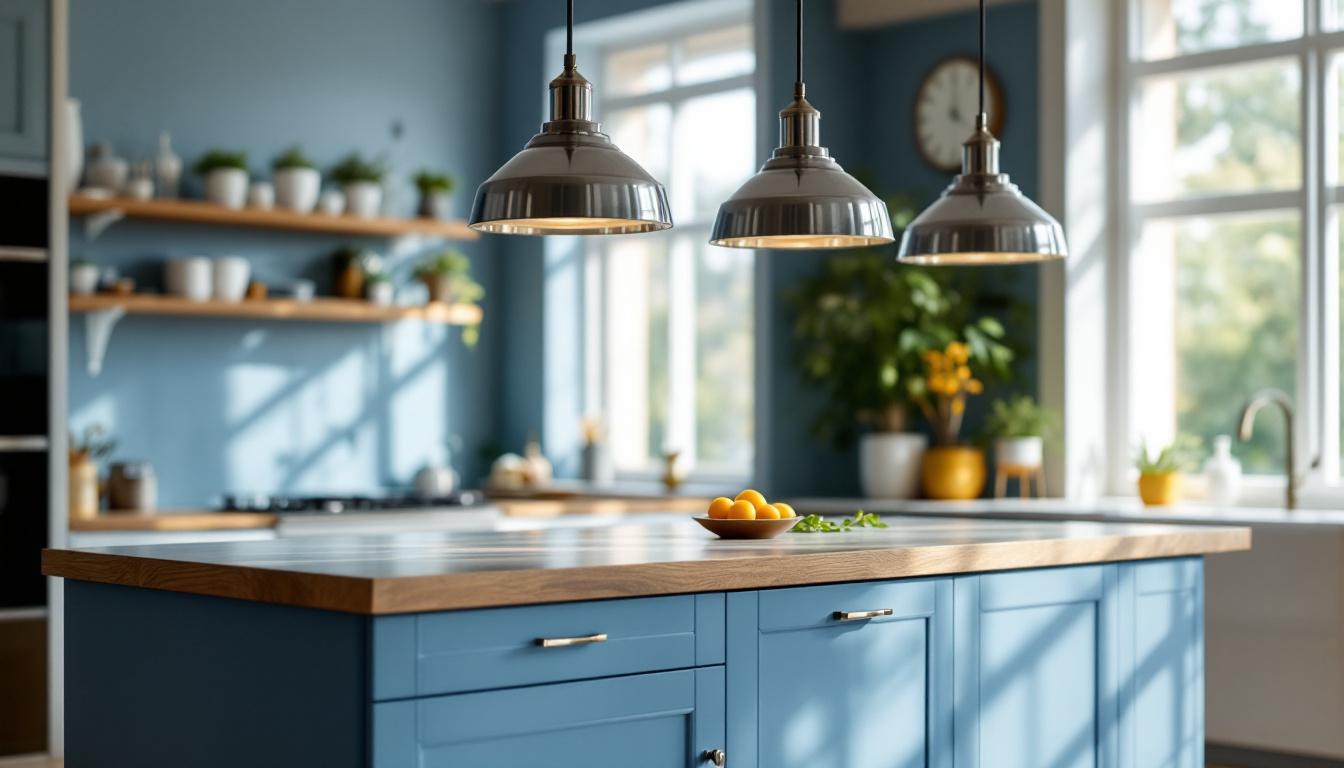
Polished nickel pendant lights have surged in popularity among homeowners and interior designers alike, particularly for kitchen islands. Their reflective, lustrous finish offers a sophisticated blend of modern and classic aesthetics, making them a versatile choice for a variety of kitchen styles. For lighting contractors, understanding the nuances of installing and specifying these fixtures is crucial to achieving both functional and aesthetic success.
However, despite their appeal, polished nickel pendant lights present unique challenges that can lead to common mistakes during installation and specification. These errors can affect lighting quality, durability, and client satisfaction. This article explores these pitfalls in depth, providing lighting contractors with practical insights to avoid them and deliver impeccable results.
One of the key advantages of polished nickel pendant lights is their ability to enhance the overall ambiance of a kitchen. The reflective surface not only illuminates the space but also creates a sense of depth and dimension, making even smaller kitchens feel more expansive. When strategically placed above an island or dining area, these fixtures can serve as focal points that draw the eye and elevate the design. Additionally, their adaptability allows them to complement various materials and finishes, from sleek cabinetry to rustic wooden beams, ensuring they can harmonize with diverse design elements.
Moreover, the maintenance of polished nickel fixtures is another aspect worth considering. While their shiny surface is undeniably attractive, it can also be prone to fingerprints and smudges, requiring regular cleaning to maintain their pristine appearance. Homeowners should be educated on the best practices for care, including the use of gentle cleaning solutions that won’t damage the finish. Lighting contractors can play a pivotal role in guiding clients through this process, ensuring that the beauty of polished nickel pendant lights remains unblemished over time, thereby enhancing the longevity and satisfaction of their investment.
Common Mistakes in Specifying Polished Nickel Pendant Lights
Overlooking the Impact of Finish Maintenance
One of the most frequent oversights is underestimating the maintenance requirements of polished nickel finishes. Unlike matte or brushed finishes, polished nickel is highly reflective and prone to showing fingerprints, water spots, and dust. Lighting contractors sometimes fail to inform clients about the necessary upkeep, leading to dissatisfaction post-installation.
Proper client education can mitigate this issue. Advising homeowners on appropriate cleaning methods—such as using a soft cloth and mild soap without abrasive cleaners—ensures the finish retains its shine over time. Additionally, specifying fixtures with protective coatings can reduce tarnishing and ease maintenance. Regular maintenance not only preserves the aesthetic appeal of the fixtures but also extends their lifespan, allowing homeowners to enjoy their investment for years to come. Furthermore, incorporating a routine cleaning schedule into the home maintenance plan can help in keeping the polished nickel looking its best, ensuring that the kitchen remains a focal point of beauty and functionality.
Ignoring Fixture Scale Relative to Kitchen Island Size
Another common mistake is improper sizing of pendant lights relative to the kitchen island. Polished nickel pendants often have a sleek, delicate appearance, which can be easily overpowered by a large island or conversely, appear too bulky on a smaller surface.
Lighting contractors should carefully measure the island and consider the pendant diameter and height. A general guideline is to allow 30 to 36 inches of clearance between the bottom of the pendant and the countertop, and to space pendants evenly to provide balanced illumination. Failing to do so can result in uneven lighting and aesthetic imbalance. Additionally, considering the visual weight of the pendants is crucial; for instance, a cluster of smaller pendants can create a dramatic effect over a larger island, while a single statement piece can serve as a stunning focal point. This attention to scale not only enhances the functionality of the space but also contributes to a cohesive design that harmonizes with the overall kitchen decor.
Underestimating the Importance of Light Temperature and Bulb Type
Polished nickel’s reflective surface can amplify the color temperature of the bulbs used, impacting the overall ambiance. Contractors sometimes specify bulbs without considering how their light quality interacts with the fixture’s finish and the kitchen’s color palette.
Choosing bulbs with a warm white color temperature (2700K to 3000K) is often ideal for kitchens, creating a welcoming and cozy atmosphere. Additionally, LED bulbs with dimmable features offer flexibility in adjusting light levels for various tasks and moods. Ignoring these factors can lead to harsh or unflattering lighting conditions. It’s also important to consider the color rendering index (CRI) of the bulbs, as a higher CRI (above 90) will ensure that colors appear more vibrant and true to life, which is particularly beneficial in a kitchen where food preparation and presentation occur. By thoughtfully selecting the right bulbs, homeowners can enhance the beauty of their polished nickel fixtures, creating a warm, inviting environment that encourages both functionality and aesthetic pleasure.
Installation Mistakes That Affect Performance and Safety
Improper Mounting and Height Adjustment
Installation errors are common when contractors do not adhere to recommended mounting heights or fail to secure fixtures properly. Polished nickel pendants, due to their weight and finish, require precise handling to avoid damage during installation.
Mounting the pendants too low can obstruct sightlines and workspace, while mounting them too high diminishes their functional lighting capacity. Additionally, insufficient anchoring can lead to fixture instability or damage over time. Contractors should use appropriate mounting hardware and verify fixture stability before completing the job.
Neglecting Electrical Compatibility and Wiring Standards
Electrical issues are a significant source of installation problems. Some contractors overlook verifying the compatibility of the pendant light’s wiring with existing circuits or fail to follow local electrical codes meticulously. This can result in flickering lights, short circuits, or even fire hazards.
Ensuring that the pendant lights are compatible with dimmer switches, transformers, and the home’s voltage is essential. Contractors should also conduct thorough inspections and tests post-installation to guarantee safety and performance compliance.
Failing to Coordinate with Kitchen Layout and Other Lighting Elements
Lighting contractors sometimes install polished nickel pendant lights without considering the broader kitchen lighting scheme. This oversight can cause uneven illumination, glare, or shadows that detract from the kitchen’s functionality and visual appeal.
It is vital to coordinate pendant lighting with recessed lights, under-cabinet lighting, and natural light sources. A layered lighting approach ensures that the kitchen island is well-lit for cooking and socializing while maintaining a harmonious overall ambiance.
Design Considerations Often Overlooked by Lighting Contractors
Mismatch Between Pendant Style and Kitchen Décor
While polished nickel is versatile, not all pendant designs complement every kitchen style. Contractors sometimes specify fixtures based solely on finish without considering the fixture’s form and detailing relative to the kitchen’s architectural elements and furnishings.
For example, a highly ornate polished nickel pendant may clash with a minimalist, contemporary kitchen, while a sleek, modern pendant might look out of place in a traditional farmhouse setting. Collaborating with interior designers or reviewing design plans can help ensure the pendant lights enhance rather than detract from the overall aesthetic.
Ignoring Glare and Light Distribution Patterns
Polished nickel’s reflective surface can cause glare if the pendant’s shade or diffuser is not designed properly. Contractors sometimes overlook the importance of light diffusion, resulting in uncomfortable brightness or hotspots on the kitchen island surface.
Selecting pendants with appropriate shades or incorporating diffusers helps distribute light evenly and reduces glare. Additionally, positioning the pendants to avoid direct line-of-sight exposure to the bulbs enhances visual comfort.
Overlooking Energy Efficiency and Sustainability
With growing emphasis on sustainable building practices, energy efficiency is a critical factor in lighting design. Some contractors neglect to specify energy-efficient fixtures or bulbs when installing polished nickel pendant lights, missing opportunities to reduce energy consumption and operating costs.
Specifying LED-compatible polished nickel pendants and recommending ENERGY STAR-rated bulbs can significantly improve the kitchen’s energy profile. This not only benefits homeowners financially but also aligns with modern environmental standards and expectations.
Best Practices for Lighting Contractors When Working with Polished Nickel Pendants
Thorough Pre-Installation Planning and Client Consultation
Successful polished nickel pendant installations begin with comprehensive planning. Contractors should assess the kitchen layout, island dimensions, ceiling height, and existing lighting before selecting fixtures. Engaging clients in discussions about their preferences, maintenance expectations, and lifestyle helps tailor the lighting solution effectively.
Utilizing Mock-Ups and Samples
Whenever possible, contractors should provide clients with samples or mock-ups of the pendant lights in the kitchen environment. This practice allows homeowners to visualize the finish, scale, and light quality, reducing the risk of dissatisfaction after installation.
Adhering to Industry Standards and Manufacturer Guidelines
Strict adherence to electrical codes, mounting instructions, and manufacturer recommendations is non-negotiable. This ensures safety, fixture longevity, and optimal performance. Contractors should also stay updated on the latest lighting technologies and best practices through continuing education and industry resources.
Post-Installation Support and Maintenance Guidance
Providing clients with clear maintenance instructions and offering post-installation support fosters long-term satisfaction. Contractors might consider supplying care kits or recommending professional cleaning services for polished nickel finishes to preserve their appearance.
Conclusion
Polished nickel pendant lights are a sophisticated choice for kitchen islands, offering both style and functionality. However, lighting contractors must navigate a range of specification, installation, and design challenges to avoid common mistakes that can compromise the outcome.
By understanding the unique properties of polished nickel finishes, carefully planning fixture selection and placement, adhering to safety and electrical standards, and collaborating closely with clients, contractors can deliver exceptional lighting solutions. Embracing these best practices not only enhances the kitchen environment but also strengthens contractor reputation and client trust in an increasingly competitive market.
Illuminate Your Projects with LumenWholesale
Ready to elevate your lighting installations with the sophistication of polished nickel pendant lights? Look no further than LumenWholesale for a seamless blend of quality, value, and convenience. Our extensive collection of spec-grade lighting products is designed to meet the exacting needs of contractors like you, ensuring every kitchen island shines with perfection. Say goodbye to inflated markups and hello to unbeatable wholesale prices, complete with the ease of bulk buying and free shipping. Don’t let common mistakes dim your project’s potential. Choose LumenWholesale for Wholesale Lighting at the Best Value and light up your client’s world with confidence and style.