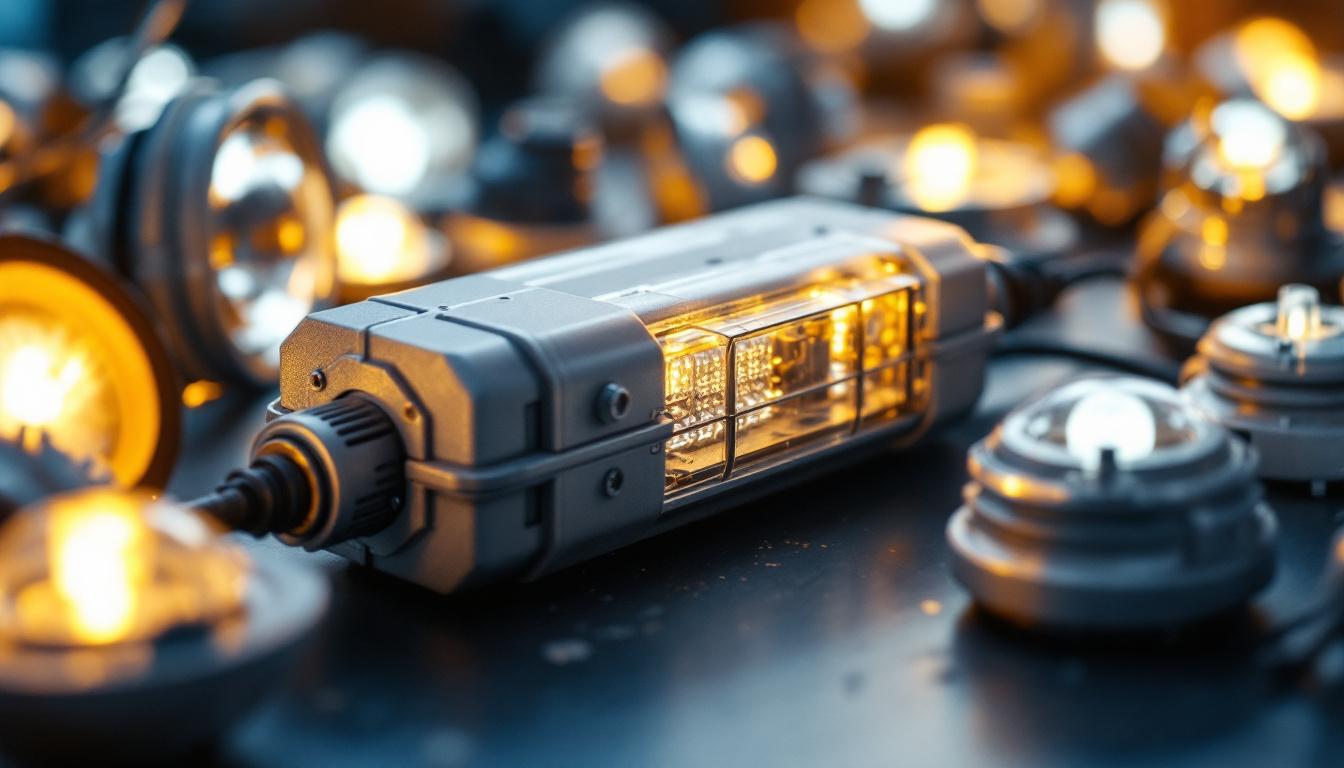
Understanding the Role of a Ballast in Lighting Systems
For lighting contractors, mastering the intricacies of lighting components is essential to delivering efficient and reliable installations. Among these components, the ballast plays a pivotal role, especially in fluorescent and high-intensity discharge (HID) lighting systems. But what exactly does a ballast do, and why is it indispensable for lighting professionals?
At its core, a ballast regulates the current to the lamp and provides sufficient voltage to start the lamp. Without a ballast, the lamp would draw excessive current, leading to premature failure or even damage to the fixture. This regulation ensures that lighting systems operate safely, efficiently, and with optimal performance.
The Electrical Function of a Ballast
Ballasts act as current controllers. Fluorescent and HID lamps require a high voltage to initiate the arc between electrodes but need a controlled current to sustain the light without overheating. The ballast provides this by limiting the current flow after the lamp has started.
In essence, it prevents the lamp from drawing too much power, which can cause flickering, reduced lamp life, and potential safety hazards. This function is critical in maintaining the longevity and efficiency of lighting installations, making the ballast a cornerstone component in many commercial and industrial applications.
Moreover, ballasts come in various types, including magnetic and electronic, each offering distinct advantages. Magnetic ballasts, for instance, are known for their durability and simplicity, making them a popular choice in older lighting systems. On the other hand, electronic ballasts are more energy-efficient and can provide better performance by reducing flicker and noise, which is particularly beneficial in environments requiring high-quality lighting, such as offices and retail spaces. Understanding the differences between these types can help lighting professionals make informed decisions tailored to specific project requirements.
Additionally, the selection of the right ballast can significantly impact energy consumption and operational costs. With the growing emphasis on sustainability, many contractors are now opting for electronic ballasts that not only enhance performance but also comply with energy efficiency standards. These advancements not only contribute to lower electricity bills but also align with environmental goals, making the choice of ballast a crucial consideration in modern lighting design.
Types of Ballasts and Their Applications
Lighting contractors must be familiar with the various types of ballasts available to select the right one for each project. The choice of ballast affects energy consumption, light quality, and system reliability.
Magnetic Ballasts
Magnetic ballasts are the traditional type, using electromagnetic coils to regulate current. They are robust and relatively inexpensive but tend to be heavier and less energy-efficient than modern alternatives. Magnetic ballasts can cause a noticeable hum and flicker, which may be undesirable in certain environments.
Despite these drawbacks, magnetic ballasts remain in use, particularly in retrofit projects where compatibility with existing fixtures is necessary. Their simplicity and durability make them a reliable choice for some applications. Additionally, magnetic ballasts are often favored in industrial settings where their ruggedness can withstand harsh conditions. They are also less sensitive to voltage fluctuations, making them a dependable option in areas with unstable electrical supply.
Electronic Ballasts
Electronic ballasts have largely replaced magnetic ones in new installations due to their superior efficiency and performance. They operate at higher frequencies, which eliminates flicker and reduces noise. This results in better light quality and less eye strain, important factors in commercial and office environments.
Moreover, electronic ballasts contribute to significant energy savings—often reducing consumption by up to 30% compared to magnetic ballasts. Their compact size and lightweight design also simplify installation and maintenance for lighting contractors. In addition, many electronic ballasts come equipped with features such as dimming capabilities and programmable settings, allowing for greater flexibility in lighting design. This adaptability makes them particularly appealing for modern spaces that require dynamic lighting solutions, such as conference rooms and retail environments.
LED Drivers as Modern Ballasts
With the rise of LED lighting, LED drivers have become the modern equivalent of ballasts. While LEDs do not require traditional ballasts, they need drivers to regulate voltage and current. Understanding LED drivers is crucial for contractors transitioning to LED systems, ensuring compatibility and optimal performance.
LED drivers not only enhance the efficiency of LED systems but also provide features like thermal protection and dimming options that can significantly extend the lifespan of the lighting installation. Furthermore, as the market for smart lighting grows, many LED drivers are now integrated with smart technology, allowing for remote control and automation. This integration opens up new possibilities for energy management and user customization, making LED drivers an essential component in the design of contemporary lighting systems.
Why Ballasts Matter for Lighting Contractors’ Success
For lighting contractors, selecting and installing the right ballast is more than a technical detail—it directly impacts project outcomes, client satisfaction, and long-term system reliability.
Ensuring Energy Efficiency and Cost Savings
Energy efficiency is a top priority for many clients, especially in commercial and industrial sectors where lighting can represent a significant portion of energy costs. Using electronic ballasts or compatible LED drivers can reduce power consumption, leading to lower utility bills and a smaller carbon footprint.
Lighting contractors who recommend and install energy-efficient ballasts position themselves as knowledgeable and forward-thinking professionals, enhancing their reputation and opening doors to repeat business and referrals. Moreover, many jurisdictions offer incentives or rebates for energy-efficient installations, which can further sweeten the deal for clients. By staying informed about these programs, contractors can provide additional value, helping clients navigate the complexities of energy regulations while maximizing their savings.
Enhancing Lighting Quality and User Comfort
Flicker and noise from outdated or inappropriate ballasts can cause discomfort and reduce productivity in workplaces. By choosing high-quality electronic ballasts, contractors ensure steady, flicker-free lighting that improves the occupant experience.
Understanding the relationship between ballast type and light quality allows contractors to tailor solutions to client needs, whether it’s a quiet office environment or a warehouse requiring robust, reliable lighting. Furthermore, the right ballast can enhance color rendering, making spaces more visually appealing and functional. This attention to detail not only meets the immediate needs of the client but also contributes to a more enjoyable atmosphere for employees and customers alike, fostering a positive impression of the business.
Reducing Maintenance and Increasing System Longevity
Proper ballast selection and installation reduce the frequency of lamp failures and maintenance calls. Electronic ballasts, for example, extend lamp life by providing stable current and preventing overheating.
For contractors, this translates into fewer service visits, better client trust, and a stronger portfolio of successful projects. It also helps clients avoid costly downtime, a critical consideration in commercial and industrial settings. Additionally, a well-maintained lighting system can lead to enhanced safety, as consistent lighting reduces the risk of accidents in workplaces. By emphasizing the importance of reliable ballasts, contractors can reassure clients that their investment will yield long-term benefits, both in terms of performance and safety, ultimately solidifying their role as trusted advisors in the lighting industry.
Common Challenges and Best Practices in Ballast Installation
While ballasts are essential, improper handling or installation can lead to problems. Lighting contractors must be vigilant to avoid common pitfalls and ensure optimal system performance.
Compatibility Issues
One frequent challenge is ensuring compatibility between ballasts and lamps. Not all ballasts work with every lamp type or wattage. Installing an incompatible ballast can cause flickering, reduced lamp life, or failure to start.
Contractors should carefully verify specifications and consult manufacturer guidelines to match ballasts with the correct lamps. This attention to detail prevents costly rework and enhances system reliability.
Wiring and Installation Standards
Proper wiring is critical. Incorrect wiring can damage ballasts or lamps and pose safety risks. Lighting contractors must adhere to electrical codes and manufacturer instructions, using appropriate tools and techniques.
Additionally, grounding and surge protection are important considerations to protect ballasts from electrical disturbances, especially in industrial environments.
Environmental Considerations
Ballasts can be sensitive to temperature extremes and moisture. Installing ballasts in suitable enclosures or locations protects them from environmental damage and extends their lifespan.
Contractors should also be aware of regulations regarding ballast disposal, particularly for magnetic ballasts containing PCBs (polychlorinated biphenyls), to ensure environmentally responsible practices.
Future Trends: The Evolving Role of Ballasts in Lighting Technology
The lighting industry continues to evolve rapidly, with emerging technologies reshaping the role of ballasts and drivers.
Integration with Smart Lighting Systems
Smart lighting solutions are becoming mainstream, incorporating sensors, wireless controls, and automation. Modern ballasts and LED drivers are increasingly designed to integrate seamlessly with these systems, offering dimming capabilities, color tuning, and energy monitoring.
Lighting contractors who stay abreast of these developments can provide cutting-edge solutions that meet client demands for flexibility and efficiency.
Advancements in Energy Efficiency
Ongoing improvements in ballast and driver technology continue to push energy efficiency boundaries. New designs reduce power losses and improve power factor, contributing to greener buildings and compliance with stricter energy codes.
Contractors who prioritize these advancements help clients achieve sustainability goals and benefit from incentives and rebates offered for energy-efficient lighting upgrades.
Transition to LED and Beyond
The shift from fluorescent and HID lighting to LED technology is well underway. While traditional ballasts remain relevant in retrofit scenarios, the future lies in LED drivers and integrated lighting modules.
Lighting contractors must develop expertise in these new systems, understanding how drivers function and how to optimize LED installations for performance and longevity.
Conclusion: Ballasts as a Cornerstone of Lighting Excellence
For lighting contractors, the ballast is more than just a component—it is a key to unlocking efficient, reliable, and high-quality lighting solutions. Understanding the function, types, and best practices related to ballasts empowers contractors to deliver superior results, satisfy client expectations, and stay competitive in a dynamic industry.
From ensuring energy efficiency and enhancing lighting quality to navigating installation challenges and embracing future trends, the ballast remains central to the success of lighting professionals. Mastery of this essential element is a hallmark of expertise and a foundation for ongoing achievement in the lighting trade.
Illuminate Your Projects with LumenWholesale
Ready to elevate your lighting projects with the highest quality ballasts and lighting components? Look no further than LumenWholesale, where we provide lighting contractors with spec-grade products at unbeatable wholesale prices. Our commitment to cutting out the middleman means you get the superior lighting products your projects deserve, without the inflated markups. With our extensive selection that meets rigorous industry standards, you can ensure reliable, high-performance lighting for every installation. Plus, with the convenience of free shipping on bulk orders, you can enjoy premium lighting solutions at the best value — without any hidden fees. Don’t compromise on quality or cost; choose LumenWholesale for the perfect blend of affordability and excellence. Wholesale Lighting at the Best Value is just a click away.