Understanding the Importance of Linking Under Cabinet Lights
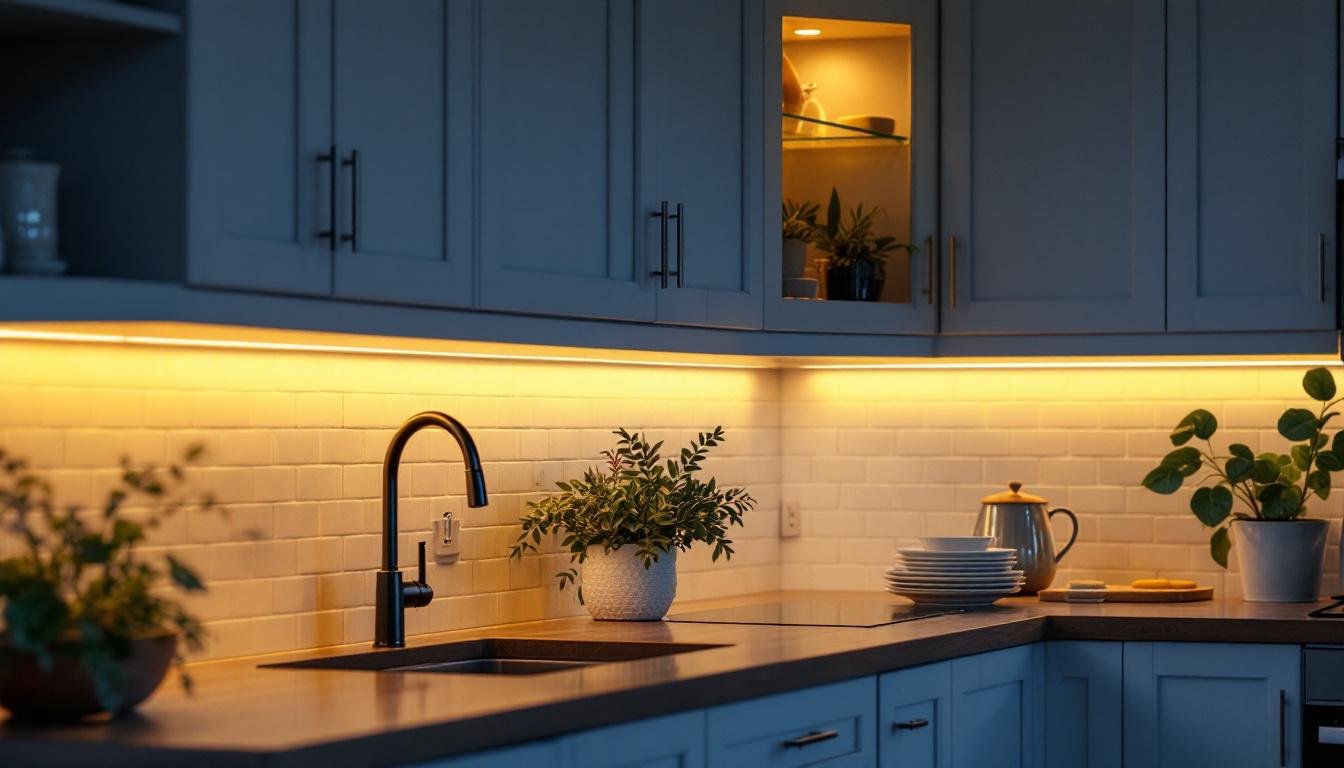
Under cabinet lighting has become an essential feature in modern kitchens, workspaces, and retail environments. For lighting contractors, the ability to properly link under cabinet lights is a critical skill that ensures both aesthetic appeal and functional illumination. Linking lights not only streamlines installation but also enhances the overall electrical efficiency and user experience.
Linking under cabinet lights means connecting multiple light fixtures in a series or parallel configuration, allowing them to operate seamlessly from a single power source or control switch. This approach reduces wiring complexity, minimizes installation time, and provides a clean, professional finish without visible cords or bulky transformers cluttering the space. Additionally, the ability to control multiple fixtures from one switch or dimmer adds convenience, allowing users to adjust lighting levels to suit their needs, whether for cooking, reading, or entertaining.
For contractors, understanding the nuances of linking is vital to avoid common pitfalls such as voltage drop, inconsistent brightness, and safety hazards. Moreover, with the increasing demand for energy-efficient LED solutions, proper linking techniques ensure that the lighting system performs optimally over its lifespan. When linking LED fixtures, it is crucial to consider the total wattage and the maximum load capacity of the circuit to prevent overheating and ensure longevity. Furthermore, utilizing compatible dimmers and drivers can enhance the versatility of the lighting setup, allowing for customizable ambiance that can transform a space from functional to inviting with just a flick of a switch.
In addition to technical considerations, the aesthetic impact of well-linked under cabinet lighting cannot be overstated. The right lighting can highlight countertops, showcase decorative elements, and create a warm atmosphere that enhances the overall design of a room. For instance, using color temperature variations can dramatically change the perception of space, making it feel either cozier or more expansive. Furthermore, integrating smart technology into linked systems allows for advanced features such as remote control via smartphones or voice-activated commands, providing users with unprecedented flexibility and control over their environment. As trends in home and commercial design continue to evolve, the importance of linking under cabinet lights will only grow, making it an invaluable skill for contractors and designers alike.
Types of Under Cabinet Lighting and Their Linking Methods
LED Strip Lights
LED strip lights are among the most popular options for under cabinet illumination due to their flexibility, slim profile, and energy efficiency. These strips often come with built-in connectors that allow easy linking between sections without the need for soldering or complex wiring.
When linking LED strip lights, contractors should pay close attention to the maximum run length specified by the manufacturer. Exceeding this length can cause voltage drop, leading to dimmer lights at the far end of the run. To mitigate this, power supplies may need to be placed at intervals, or thicker gauge wiring used to maintain consistent brightness.
Linear LED Bars
Linear LED bars offer a more rigid and durable solution compared to strip lights. They are typically linked using quick-connect cables or hardwired junction boxes. These bars often feature daisy-chaining capabilities, allowing multiple units to be connected end-to-end with minimal wiring.
Contractors must ensure that the total wattage of linked bars does not exceed the capacity of the power supply. Additionally, proper mounting and spacing are crucial to avoid heat buildup, which can reduce the lifespan of the LEDs.
Puck Lights
Puck lights provide focused, accent lighting and are usually linked via a low-voltage wiring system. They can be connected in series or parallel, depending on the design and power requirements. Linking puck lights requires careful planning of the wiring path to maintain a clean look and avoid visible cables.
Since puck lights often operate on 12V or 24V systems, contractors should verify the compatibility of transformers and dimmers used in the linked setup to ensure smooth operation and prevent flickering.
Electrical Considerations for Linking Under Cabinet Lights
Voltage and Current Load Management
One of the most critical aspects of linking under cabinet lights is managing voltage and current loads. LED lighting systems typically operate on low voltage, which is beneficial for safety but can present challenges such as voltage drop over long runs.
Lighting contractors should calculate the total current draw of all linked fixtures and ensure the power supply can handle the load with a margin for safety. Using a power supply rated for at least 20% higher than the total wattage is a common best practice to prevent overload and extend the lifespan of the components.
Wire Gauge Selection
The choice of wire gauge directly impacts the efficiency and safety of linked lighting systems. Thinner wires may be easier to conceal but can cause increased resistance and voltage drop, especially over longer distances.
Contractors should select wire gauges based on the total current and length of the run. For example, 18-gauge wire may suffice for short runs with low current, but 16-gauge or thicker wire is recommended for longer runs or higher loads. Adhering to local electrical codes and manufacturer recommendations is essential.
Transformer and Driver Compatibility
Under cabinet lights often require transformers or LED drivers to convert line voltage to the appropriate low voltage. When linking multiple fixtures, the transformer must be capable of supplying consistent voltage and current without overheating or shutting down.
It’s important to use transformers designed for linked lighting systems, as some may have built-in overload protection or dimming capabilities. Lighting contractors should also verify that the driver’s output matches the voltage requirements of all connected fixtures to avoid premature failure.
Installation Best Practices for Linking Under Cabinet Lights
Planning the Layout and Wiring Path
Successful linking begins with meticulous planning. Contractors should map out the exact locations of all fixtures, power sources, and control switches before installation. This step helps in determining the optimal wiring paths that minimize visible cables and reduce the risk of damage.
Using cable management solutions such as raceways or adhesive clips can keep wiring organized and hidden. Additionally, planning for future accessibility is wise, allowing for easy maintenance or upgrades without extensive dismantling.
Ensuring Secure Connections
Secure electrical connections are paramount for safety and performance. When linking under cabinet lights, connectors should be firmly attached and insulated to prevent shorts or disconnections. For strip lights, soldering or using manufacturer-approved connectors ensures a reliable bond.
In hardwired systems, junction boxes and wire nuts should be used according to code, and all connections tested with a multimeter before finalizing the installation. Proper strain relief should also be applied to prevent wires from pulling loose over time.
Testing and Troubleshooting
After installation, thorough testing is essential. Contractors should verify that all linked fixtures illuminate evenly and respond correctly to switches or dimmers. Checking for flickering, uneven brightness, or overheating can help identify issues early.
If problems arise, common troubleshooting steps include inspecting connections for looseness, measuring voltage at different points in the run, and confirming transformer output. Addressing these issues promptly ensures client satisfaction and reduces callbacks.
Advanced Linking Techniques and Controls
Incorporating Dimmers and Smart Controls
Modern under cabinet lighting systems often integrate dimmers or smart controls for enhanced functionality. Linking lights with dimming capabilities requires compatible drivers and switches that support smooth brightness adjustment without flicker or noise.
Smart lighting solutions can be linked via wireless protocols such as Zigbee or Bluetooth, allowing contractors to offer clients customizable scenes, scheduling, and remote control. Proper integration demands understanding both the electrical and communication aspects of the system.
Using Modular Linking Systems
Some manufacturers offer modular linking systems designed specifically for under cabinet lighting. These systems feature standardized connectors, pre-cut cables, and plug-and-play components that simplify installation and reduce errors.
Contractors can benefit from these systems by saving time and ensuring consistent quality. However, familiarity with the specific product line and adherence to manufacturer guidelines remain critical to avoid warranty issues.
Safety and Compliance Considerations
Adhering to Electrical Codes and Standards
Compliance with local electrical codes is non-negotiable for lighting contractors. Under cabinet lighting installations must meet requirements related to wiring methods, grounding, overcurrent protection, and fixture ratings.
Contractors should stay informed about updates to codes such as the National Electrical Code (NEC) or regional standards. Proper permits and inspections may be required, especially for commercial projects.
Ensuring Fire and Electrical Safety
Under cabinet lights are often installed near combustible materials like wood cabinetry. Using fixtures and wiring rated for the environment reduces fire risk. Additionally, ensuring that transformers and drivers have adequate ventilation prevents overheating.
Ground fault circuit interrupters (GFCIs) may be necessary in certain locations, such as kitchens or bathrooms, to protect against electrical shock. Lighting contractors must evaluate the installation environment and apply appropriate safety measures.
Conclusion: Mastering the Art of Linking Under Cabinet Lights
Linking under cabinet lights is a nuanced task that combines electrical expertise, design sensibility, and adherence to safety standards. For lighting contractors, mastering this skill opens opportunities to deliver high-quality, efficient, and visually appealing lighting solutions that meet client expectations.
By understanding the types of fixtures, electrical requirements, installation best practices, and emerging technologies, contractors can confidently tackle complex under cabinet lighting projects. Prioritizing planning, secure connections, and compliance ensures not only a successful installation but also long-term satisfaction for clients.
As under cabinet lighting continues to evolve with advancements in LED technology and smart controls, staying updated and adaptable will position lighting contractors as trusted professionals in this specialized field.
Get Your Premium Under Cabinet Lighting at LumenWholesale
Ready to elevate your lighting projects with the best under cabinet lights on the market? Look no further than LumenWholesale, where we provide contractors with exceptional, spec-grade lighting products at unbeatable wholesale prices. Our commitment to quality and affordability means you can access a wide range of high-performance lighting solutions that meet the highest industry standards. Plus, with free shipping on bulk orders, you can stock up on superior lighting without worrying about hidden fees or compromises. Don’t miss out on the perfect blend of quality, affordability, and convenience. Visit LumenWholesale now to find Wholesale Lighting at the Best Value for your next project.