Understanding the Challenges of Installing Pot Lights in Drop Ceilings
Drop ceilings, also known as suspended ceilings, are a common feature in commercial buildings, offices, and some residential spaces. They offer easy access to plumbing, wiring, and HVAC systems, making them a practical choice for many environments. However, installing pot lights—or recessed lighting—in these ceilings presents unique challenges that lighting contractors must navigate carefully.
Unlike drywall ceilings, drop ceilings consist of a grid framework supporting lightweight ceiling tiles. This structure limits the available space above the tiles and affects how lighting fixtures can be mounted. Pot lights require a secure housing that fits within the ceiling cavity, proper insulation considerations, and compliance with electrical codes. Understanding these constraints is essential for a successful installation that meets both aesthetic and functional requirements.
Space Constraints and Fixture Compatibility
One of the primary challenges is the limited clearance above the ceiling tiles. Standard pot light housings are often designed for drywall ceilings, which have more depth to accommodate the fixture and wiring. In drop ceilings, the plenum space—the area between the structural ceiling and the drop ceiling—may be shallow or crowded with ductwork and pipes.
Lighting contractors must select low-profile or shallow pot light housings specifically designed for drop ceilings. These fixtures are engineered to fit within the reduced space without compromising performance or safety. Additionally, the size of the pot light trim and the cutout in the ceiling tile must be carefully measured to ensure a clean, professional finish. This precision is vital, as any miscalculation can lead to visible gaps or uneven lighting, detracting from the overall aesthetic of the space. Moreover, the choice of bulb type—LED, incandescent, or halogen—can also influence the heat output and energy efficiency, further complicating the selection process.
Weight and Support Considerations
Drop ceiling grids are not designed to support heavy fixtures. Pot lights, especially those with metal housings, can add significant weight. Without proper reinforcement, the ceiling grid may sag or become damaged over time.
To address this, contractors often install additional support brackets or use specialized mounting hardware that anchors the pot light housing to the structural ceiling above the plenum. This approach ensures the fixture remains securely in place and maintains the integrity of the drop ceiling system. Additionally, it’s crucial to consider the electrical load that the pot lights will impose on the existing wiring. An assessment of the circuit’s capacity may be necessary to prevent overloading, which could lead to tripped breakers or even fire hazards. Properly managing these electrical considerations not only enhances safety but also ensures that the lighting system operates efficiently and effectively throughout its lifespan.
Choosing the Right Pot Light Fixtures and Components
Selecting the appropriate components is critical to a successful installation. Lighting contractors must consider fixture type, housing, trim, bulbs, and compatibility with the drop ceiling system.
IC-Rated vs. Non-IC-Rated Housings
Insulation Contact (IC) rating is a crucial factor in pot light selection. IC-rated housings are designed to be installed in direct contact with insulation without risk of overheating, while non-IC-rated housings require clearance from insulation materials.
In drop ceilings, insulation may be present above the tiles, especially in commercial buildings seeking energy efficiency. Contractors should verify the presence of insulation and choose IC-rated housings accordingly to comply with safety codes and prevent fire hazards. Additionally, understanding the thermal dynamics of the space can help in selecting the right housing. For instance, in areas with high ceilings or significant temperature fluctuations, ensuring adequate ventilation around the fixtures can further enhance safety and performance.
Shallow or Remodel Housings for Drop Ceilings
Specialized housings designed for drop ceilings are typically shallow or remodel types. Remodel housings allow installation without access from above the ceiling, which is often the case in retrofit projects. These housings clip onto the ceiling tile or grid and require minimal disruption to the existing ceiling.
Shallow housings are engineered to fit within tight plenum spaces, sometimes as thin as 3 to 4 inches. They maintain the functionality of traditional pot lights while adapting to the spatial limitations of drop ceilings. Furthermore, the choice between shallow and remodel housings can significantly impact the overall installation process. For example, shallow housings may be beneficial in areas where ceiling height is limited, while remodel housings can provide flexibility in design, allowing for a variety of layouts and lighting effects that enhance the overall aesthetic of the space.
Choosing the Right Trim and Bulb
The trim—the visible portion of the pot light—affects both the aesthetic and lighting quality. Contractors should select trims compatible with the housing and suited to the space’s design. Options include baffle trims for glare reduction, reflector trims for enhanced brightness, and adjustable trims for directional lighting.
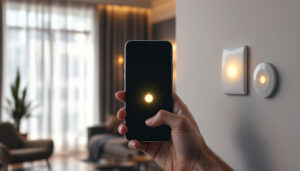
LED bulbs are the preferred choice for pot lights due to their energy efficiency, long lifespan, and low heat output. Selecting bulbs with appropriate color temperature and lumen output ensures the lighting meets the client’s needs, whether for warm ambiance or bright task lighting. Additionally, the integration of smart lighting technology can further elevate the functionality of pot lights. By choosing dimmable LED options or bulbs that can be controlled via smartphone apps, contractors can offer clients a customizable lighting experience that adapts to various moods and activities throughout the day. This not only enhances the usability of the space but also aligns with modern trends in sustainable and intelligent design.
Installation Best Practices for Lighting Contractors
Executing a pot light installation in a drop ceiling requires meticulous planning and adherence to best practices to ensure safety, functionality, and aesthetic appeal.
Pre-Installation Assessment and Planning
Before beginning installation, contractors should conduct a thorough assessment of the ceiling space. This includes measuring the plenum depth, locating structural supports, and identifying any obstructions such as HVAC ducts or plumbing.
Planning the layout of the pot lights is equally important. Proper spacing ensures even illumination and avoids shadows or overly bright spots. Industry guidelines recommend spacing pot lights approximately 4 to 6 feet apart, depending on ceiling height and desired lighting levels. Additionally, considering the type of activities that will take place in the room can influence the placement of the lights. For instance, areas designated for reading or detailed work may benefit from closer spacing or additional fixtures to enhance visibility.
Cutting Ceiling Tiles and Grid Modifications
Precise cutting of ceiling tiles is essential for a professional finish. Contractors should use appropriate tools such as hole saws or jigsaws to create clean, accurate openings for the pot lights. Care must be taken to avoid damaging the tile or grid components. It may also be beneficial to practice on a scrap piece of tile to ensure the technique is perfected before making cuts on the actual ceiling tiles.
In some cases, minor modifications to the ceiling grid may be necessary to accommodate fixture housings or support brackets. These adjustments must maintain the structural integrity of the grid and comply with manufacturer guidelines. Additionally, it is advisable to inspect the grid for any signs of wear or damage, as an unstable grid can lead to issues with fixture support and alignment over time.
Electrical Wiring and Code Compliance
All wiring must comply with local electrical codes and standards. This includes using appropriate gauge wire, securing cables properly, and ensuring connections are made within junction boxes or approved housings. Understanding the specific requirements for low-voltage versus line-voltage systems can also impact the installation process and the choice of fixtures.
Contractors should also verify that the circuit can handle the additional load of the pot lights and install dimmers or controls as specified by the client. Grounding and bonding are critical for safety and must be executed correctly. Furthermore, it’s wise to educate clients about the benefits of energy-efficient lighting options, such as LED bulbs, which not only reduce energy consumption but also have a longer lifespan, thereby minimizing future maintenance needs.
Securing Fixtures and Final Adjustments
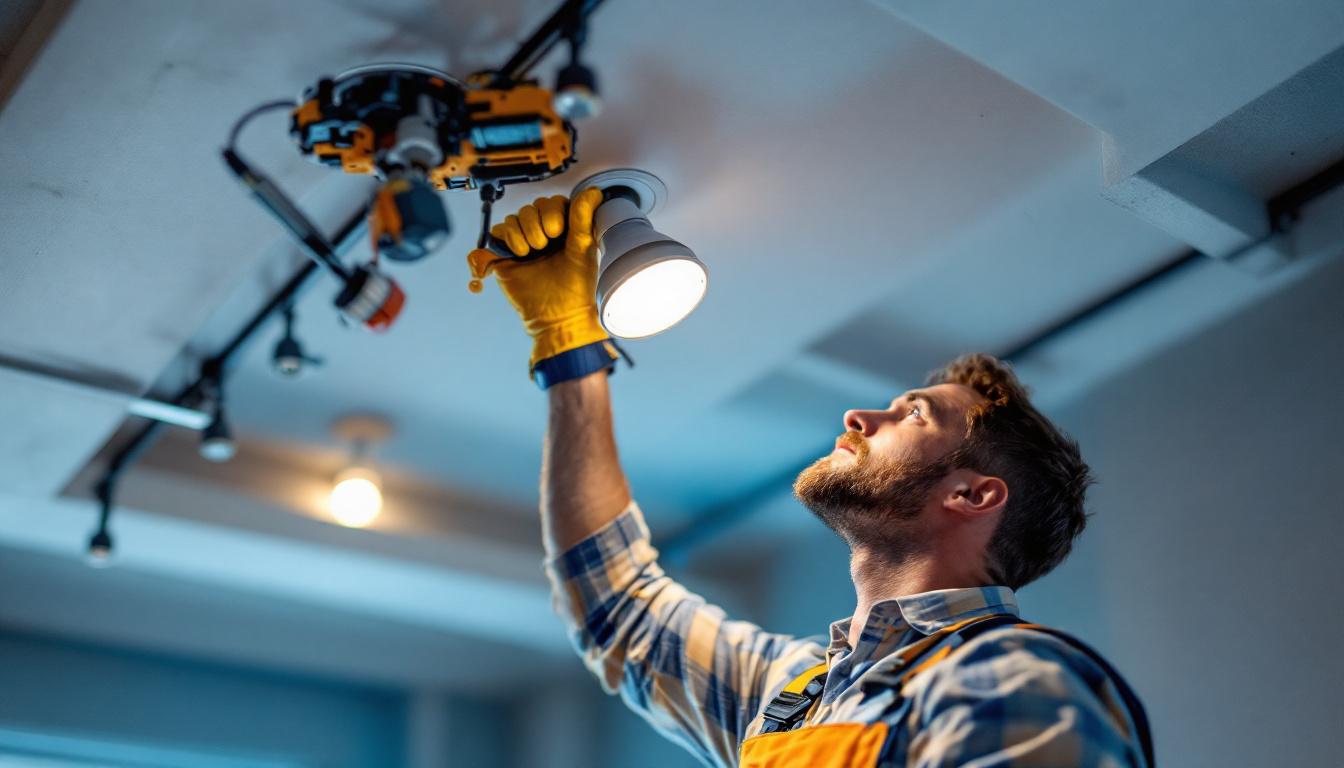
Once the housings are installed and wired, they must be securely fastened to prevent movement or sagging. Support brackets or mounting clips should be checked for tightness. Ensuring that the fixtures are level and aligned with the ceiling grid will contribute to a polished and professional appearance.
After installing the trims and bulbs, contractors should test each fixture to verify operation. Adjustments to trim positioning or bulb orientation may be necessary to achieve the desired lighting effect. Additionally, it can be beneficial to conduct a walkthrough with the client to demonstrate the lighting’s functionality and gather feedback on any adjustments that may be needed. This collaborative approach not only enhances customer satisfaction but also fosters trust and communication between the contractor and the client, paving the way for potential future projects.
Maintenance and Troubleshooting Tips for Drop Ceiling Pot Lights
Proper maintenance ensures the longevity and performance of pot lights installed in drop ceilings. Lighting contractors should advise clients on routine care and be prepared to address common issues.
Accessing Fixtures for Maintenance
One advantage of drop ceilings is the ease of access to fixtures. Tiles can be lifted or removed to reach housings and wiring without extensive demolition. Contractors should ensure that installation allows for straightforward access, avoiding permanent attachments that complicate maintenance.
Common Issues and Solutions
Flickering lights, dimming problems, or fixture sagging are common concerns. Flickering often results from loose wiring or incompatible dimmers, which can be resolved by tightening connections or installing compatible controls.
Sagging fixtures usually indicate insufficient support. Reinforcing the mounting hardware or adding additional brackets can restore stability. In cases of overheating, verifying the use of IC-rated housings and appropriate bulbs is essential.
Upgrading and Retrofitting
As LED technology advances, clients may seek to upgrade existing pot lights for improved efficiency or aesthetics. Lighting contractors should be familiar with retrofit kits and compatible components that allow seamless upgrades without replacing entire housings.
Additionally, integrating smart lighting controls or sensors can enhance energy savings and user convenience, making these valuable options to discuss during maintenance visits.
Conclusion: Delivering Quality Pot Light Installations in Drop Ceilings
Installing pot lights in drop ceilings requires specialized knowledge and careful attention to detail. Lighting contractors must navigate space constraints, select appropriate fixtures, and adhere to safety codes to deliver installations that are both functional and visually appealing.
By understanding the unique challenges of drop ceilings, choosing the right components, and following best installation practices, contractors can provide clients with durable, efficient, and attractive lighting solutions. Ongoing maintenance and the ability to troubleshoot common issues further enhance the value of professional pot light installations in these versatile ceiling systems.
Get Your Premium Lighting Supplies at LumenWholesale
Ready to elevate your pot light installations in drop ceilings? Look no further than LumenWholesale for all your lighting needs. Our extensive selection of spec-grade lighting products is designed to meet the highest industry standards, ensuring that every installation shines with reliability and performance. With unbeatable wholesale prices and the convenience of free shipping on bulk orders, LumenWholesale is your go-to source for quality lighting without the markup. Make your next project a standout success and enjoy the best value in lighting solutions. Wholesale Lighting at the Best Value is just a click away.