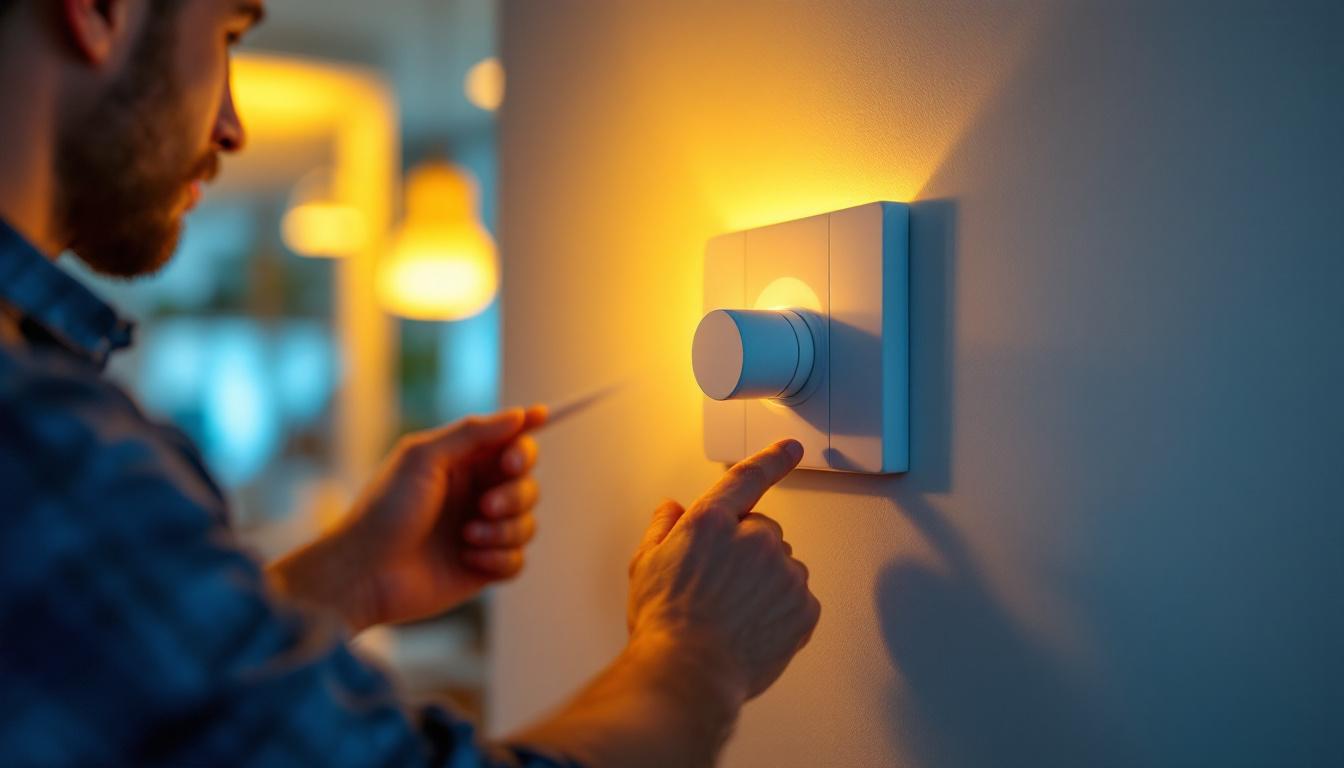
Understanding Light Control Sensors and Their Role in Modern Lighting Systems
Light control sensors are pivotal components in contemporary lighting solutions, designed to optimize illumination based on environmental conditions and user presence. These sensors detect ambient light levels or motion, enabling lighting systems to adjust brightness or switch on and off accordingly. For lighting contractors, integrating these sensors represents a significant step toward smarter, more energy-efficient installations.
At their core, light control sensors fall into two primary categories: ambient light sensors and occupancy sensors. Ambient light sensors measure the natural light available in a space and adjust artificial lighting to maintain consistent brightness. Occupancy sensors detect movement or presence, ensuring lights are only active when needed. Both types contribute to reducing unnecessary energy consumption, a critical consideration in today’s energy-conscious landscape.
In addition to their energy-saving capabilities, light control sensors also enhance user convenience and comfort. For instance, in office environments, these sensors can automatically adjust lighting levels based on the number of occupants in a room, creating a more pleasant working atmosphere. This adaptability not only improves productivity but also minimizes the likelihood of eye strain caused by overly bright or dim lighting. Moreover, many modern light control sensors can be integrated with smart home systems, allowing users to customize their lighting preferences via mobile apps or voice commands, further elevating the user experience.
The technology behind light control sensors has advanced significantly, with innovations such as advanced algorithms and machine learning capabilities that enable these devices to learn from user behavior over time. This means that the sensors can become increasingly efficient, adjusting to patterns of occupancy and natural light fluctuations without requiring constant manual input. Additionally, the integration of IoT (Internet of Things) technology allows for remote monitoring and control, giving users the ability to manage their lighting systems from anywhere, thus enhancing both security and energy management in residential and commercial settings.
Energy Efficiency Benefits of Light Control Sensors
Reduction in Energy Consumption
One of the most compelling advantages of light control sensors is their ability to significantly reduce energy consumption. Studies have shown that lighting accounts for approximately 15-20% of total electricity use in commercial buildings. By automating lighting control, these sensors can cut energy use by 30-60%, depending on the application and sensor type.
For example, occupancy sensors in office environments prevent lights from remaining on in unoccupied rooms, while ambient light sensors adjust artificial lighting in response to natural daylight levels. This dynamic adjustment ensures that energy is not wasted on over-illumination, which is both cost-effective and environmentally responsible. Moreover, the integration of these sensors can lead to substantial financial savings over time, as reduced energy consumption directly translates to lower utility bills. This not only benefits the bottom line for businesses but also contributes to a more sustainable future by decreasing the overall demand for energy production.
Extended Lifespan of Lighting Fixtures
Another indirect benefit of using light control sensors is the extension of lighting fixture lifespan. By reducing the amount of time lights are on unnecessarily, these sensors help minimize wear and tear on bulbs and ballasts. This translates to fewer replacements and maintenance interventions, saving both time and money for contractors and building owners alike.
Furthermore, the longevity of lighting fixtures can enhance the overall aesthetic and functionality of a space. With fewer burnt-out bulbs, environments remain consistently well-lit, promoting productivity and comfort among occupants. Additionally, the reduced frequency of replacements means that there is less waste generated, aligning with broader sustainability goals. As businesses increasingly prioritize eco-friendly practices, the adoption of light control sensors becomes a strategic move that not only improves operational efficiency but also showcases a commitment to environmental stewardship.
Types of Light Control Sensors and Their Applications
Ambient Light Sensors (Daylight Harvesting)
Ambient light sensors are designed to measure the intensity of natural light within a space. When sufficient daylight is present, the sensor dims or turns off artificial lighting, a process known as daylight harvesting. This approach is particularly effective in spaces with large windows or skylights, such as atriums, conference rooms, and retail environments.
Lighting contractors should consider integrating ambient light sensors in commercial projects where daylight is abundant. Not only does this improve energy efficiency, but it also enhances occupant comfort by maintaining consistent lighting levels without glare or sudden brightness changes.
Occupancy and Vacancy Sensors
Occupancy sensors detect motion or presence and automatically switch lights on when a room is occupied and off when it is vacant. Vacancy sensors require manual activation but turn off lights automatically when the space is empty. These sensors are ideal for areas with intermittent use, such as restrooms, storage rooms, corridors, and meeting rooms.
For contractors, selecting the appropriate sensor type depends on the specific use case and occupant behavior. Proper sensor placement and sensitivity settings are crucial to avoid false triggers or failure to detect presence, which can undermine energy savings and user satisfaction.
Combined Sensor Systems
Advanced lighting control systems often combine ambient light and occupancy sensors to maximize energy savings. These integrated systems can adjust lighting based on both occupancy and daylight availability, providing a comprehensive solution for energy management. Such systems are increasingly popular in smart building projects, where automation and data-driven control are key priorities.
Installation Considerations for Lighting Contractors
Sensor Placement and Coverage
Effective sensor placement is critical to achieving optimal performance. Lighting contractors must evaluate room layout, furniture arrangement, and typical occupant movement patterns to determine the best locations for sensors. For occupancy sensors, ceiling-mounted units often provide broad coverage, but wall-mounted or corner-mounted sensors may be preferable in certain spaces.
Coverage area and sensor range should align with the size and shape of the room to prevent blind spots or overlapping detection zones. Improper placement can lead to lights turning off unexpectedly or remaining on unnecessarily, reducing energy savings and causing occupant frustration.
Compatibility with Lighting Fixtures and Controls
Ensuring compatibility between sensors and lighting fixtures is essential. Many modern LED fixtures support dimming and can be seamlessly integrated with sensors for smooth light level adjustments. However, some older or specialized fixtures may require additional components or may not support certain sensor functions.
Contractors should verify that sensors are compatible with the building’s existing lighting control systems or plan for necessary upgrades. Integration with building automation systems can further enhance control capabilities and enable centralized management.
Calibration and Sensitivity Settings
Proper calibration of sensors is vital to avoid energy waste and ensure user comfort. Sensitivity settings determine how easily a sensor detects motion or ambient light changes. Overly sensitive sensors may cause lights to flicker or switch on unnecessarily, while under-sensitive sensors might fail to activate lighting when needed.
Contractors should perform on-site testing and adjust settings based on occupant feedback and environmental conditions. Periodic recalibration may be necessary to maintain optimal sensor performance over time.
Economic and Environmental Impact
Cost Savings and Return on Investment
The initial investment in light control sensors is often offset by substantial energy cost savings over time. Energy-efficient lighting systems with integrated sensors can reduce electricity bills by up to 50% in some commercial applications. Additionally, reduced maintenance costs due to longer fixture lifespan contribute to overall savings.
For lighting contractors, emphasizing the economic benefits of sensor integration can be a powerful selling point when proposing projects to clients. Demonstrating clear return on investment (ROI) helps justify upfront costs and encourages adoption of energy-efficient technologies.
Contribution to Sustainability Goals
Beyond financial advantages, light control sensors play a significant role in advancing sustainability initiatives. By lowering energy consumption, these sensors help reduce greenhouse gas emissions associated with electricity generation. This aligns with global efforts to combat climate change and supports corporate social responsibility objectives.
Many building owners and facility managers seek LEED certification or other green building standards, where energy-efficient lighting is a key criterion. Lighting contractors equipped with expertise in sensor technology can position themselves as valuable partners in achieving these certifications.
Challenges and Future Trends in Light Control Sensor Technology
Addressing Sensor Limitations
While light control sensors offer numerous benefits, they also present challenges. False triggers caused by pets, HVAC systems, or reflective surfaces can reduce effectiveness. Additionally, sensors may struggle in environments with irregular occupancy patterns or where occupants remain stationary for extended periods.
Lighting contractors must be aware of these limitations and select sensor types and configurations that mitigate such issues. Educating clients about realistic expectations and proper sensor use is also essential for long-term satisfaction.
Integration with Smart Building Systems
The future of light control sensors lies in their integration with broader smart building ecosystems. Advances in Internet of Things (IoT) technology enable sensors to communicate with HVAC, security, and energy management systems, creating holistic solutions that optimize building performance.
Emerging trends include adaptive lighting that learns occupant habits, wireless sensor networks for flexible installation, and AI-driven analytics to predict and respond to usage patterns. Lighting contractors who stay abreast of these developments will be well-positioned to offer cutting-edge solutions.
Wireless and Battery-Powered Sensors
Wireless sensor technology is gaining traction due to ease of installation and reduced disruption during retrofits. Battery-powered sensors eliminate the need for complex wiring, making them ideal for existing buildings where running new cables is challenging.
However, contractors must consider battery life and maintenance requirements when specifying these sensors. Selecting reliable products and planning for periodic battery replacement ensures consistent performance.
Conclusion: Embracing Light Control Sensors for Energy-Efficient Lighting Solutions
Light control sensors represent a transformative advancement in lighting technology, offering substantial energy savings, cost reductions, and environmental benefits. For lighting contractors, mastering the selection, installation, and calibration of these sensors is essential to delivering high-performance, sustainable lighting systems.
By understanding the various sensor types, installation best practices, and future trends, contractors can provide clients with tailored solutions that meet both functional and energy efficiency goals. As the demand for smart, green buildings continues to grow, light control sensors will remain a cornerstone of innovative lighting design and implementation.
Upgrade Your Lighting Projects with LumenWholesale
Ready to harness the power of light control sensors for your next energy-efficient lighting project? Look no further than LumenWholesale, where we provide contractors with the highest quality, spec-grade lighting products at unbeatable wholesale prices. Say goodbye to inflated markups and hello to a vast selection of reliable lighting solutions that meet the strictest industry standards. With free shipping on bulk orders, you can trust LumenWholesale to deliver premium lighting at the best value, ensuring your projects shine without breaking the bank. Elevate your lighting installations today by visiting Wholesale Lighting at the Best Value and experience the LumenWholesale difference.