Understanding Can Lights and Drop Ceilings
Can lights, also known as recessed lights or downlights, are a popular choice for modern lighting solutions due to their sleek design and ability to provide focused illumination without occupying ceiling space. Drop ceilings, often found in commercial buildings, offices, and some residential spaces, consist of a grid framework that supports lightweight ceiling tiles. This type of ceiling allows easy access to electrical wiring and HVAC systems, making it a practical choice for many installations. The versatility of drop ceilings means they can be customized with various tile designs and finishes, allowing for a range of aesthetic choices that can enhance the overall look of a space.
For lighting contractors, mastering the installation of can lights in drop ceilings is a valuable skill. It not only broadens the range of services offered but also aligns with current market demands for efficient, aesthetically pleasing lighting solutions. Understanding the structural nuances of drop ceilings and the technical requirements of can lights is essential to ensure a safe, professional installation that meets client expectations. Additionally, the integration of smart lighting technology into can lights has become increasingly popular, allowing homeowners and businesses to control their lighting through mobile apps or voice commands, further elevating the functionality of these fixtures.
Moreover, the choice of bulb type in can lights can significantly impact energy efficiency and ambiance. LED bulbs, for instance, are favored for their longevity and lower energy consumption compared to traditional incandescent bulbs. This shift towards energy-efficient lighting not only reduces electricity bills but also contributes to a more sustainable environment. As consumers become more eco-conscious, the demand for LED can lights in drop ceilings is likely to grow, prompting contractors to stay informed about the latest lighting technologies and trends to meet evolving client needs.
Technical Considerations for Installing Can Lights in Drop Ceilings
Assessing Ceiling Structure and Load Capacity
Before beginning any installation, contractors must evaluate the drop ceiling’s grid system and tile strength. Unlike drywall ceilings, drop ceilings are not designed to support heavy fixtures. Can lights must be lightweight or supported by additional framing to prevent damage or sagging. Using adjustable mounting brackets or retrofit housings designed specifically for drop ceilings can mitigate these issues. Furthermore, it is essential to check for any existing ductwork, plumbing, or electrical conduits that may interfere with the installation process. Proper planning can help avoid costly adjustments later on and ensure that the can lights are installed in optimal locations for both functionality and aesthetics.
Electrical Wiring and Safety Compliance
Electrical wiring in drop ceilings often runs above the tiles, which can simplify the installation process. However, contractors must adhere to local electrical codes and safety standards, ensuring that wiring is properly insulated and connections are secure. Using IC-rated (Insulation Contact) can light housings is crucial when insulation is present above the ceiling to prevent fire hazards. Additionally, it is advisable to use a circuit tester before installation to confirm that the power is off, reducing the risk of electrical shock. Implementing GFCI (Ground Fault Circuit Interrupter) protection can further enhance safety, especially in areas where moisture may be a concern, such as kitchens or bathrooms.
Choosing the Right Can Light Fixtures
Not all can lights are suitable for drop ceilings. Contractors should select fixtures that are compatible with the ceiling’s tile size and grid layout. LED can lights are highly recommended due to their energy efficiency, longevity, and reduced heat output. Additionally, selecting dimmable fixtures can add value for clients seeking customizable lighting environments. When choosing fixtures, it’s also important to consider the color temperature of the LEDs, as this can significantly impact the ambiance of the space. Warmer tones (around 2700K to 3000K) create a cozy atmosphere, while cooler tones (4000K to 5000K) are better suited for task-oriented areas. Moreover, exploring options for smart can lights that can be controlled via mobile apps or voice commands may appeal to tech-savvy clients looking to integrate modern solutions into their homes.
Step-by-Step Guide to Installing Can Lights in Drop Ceilings
Preparation and Planning
Start by mapping out the lighting layout in collaboration with the client, considering factors such as room function, natural light sources, and aesthetic preferences. Accurate measurements and marking are essential to ensure even spacing and alignment with ceiling tiles. It’s also beneficial to discuss the desired ambiance with the client, as different types of bulbs can create varying effects; for instance, warm white bulbs can foster a cozy atmosphere, while cool white bulbs are ideal for task-oriented spaces. Additionally, consider the use of dimmer switches, which can enhance flexibility in lighting control and allow for adjustments based on the time of day or specific activities.
Cutting Ceiling Tiles and Installing Housings
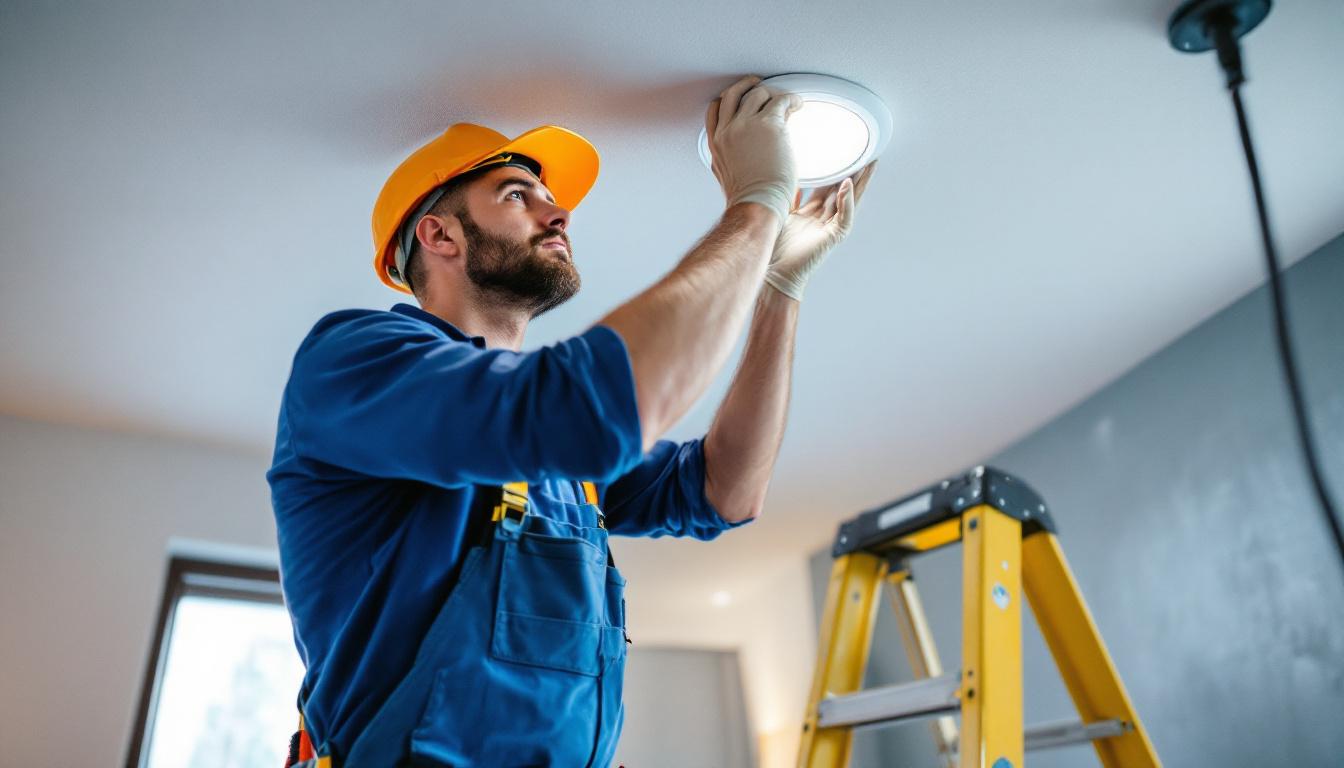
Carefully cut the ceiling tiles to accommodate the can light housings. Using a template helps maintain precision and reduces the risk of damaging tiles. Install the housings securely within the grid system, ensuring they are flush with the tile surface for a clean look. It’s important to check for any obstructions above the ceiling, such as ductwork or plumbing, before cutting to avoid any unexpected complications. Additionally, consider using insulation around the housings to improve energy efficiency and reduce heat loss, especially in climates where temperature control is critical. This extra step not only enhances the performance of the lighting but also contributes to the overall energy efficiency of the space.
Electrical Connections and Fixture Installation
Run wiring above the ceiling tiles, connecting the can light housings to the power source. Use wire nuts and electrical tape to secure connections, and test circuits before finalizing installation. After wiring, install the light fixtures and trim kits, adjusting as needed for proper fit and finish. Be mindful of local electrical codes and regulations, as they can vary significantly and may require specific types of wiring or installation techniques. Furthermore, consider the benefits of LED can lights, which offer longevity and energy savings over traditional incandescent bulbs. When selecting fixtures, pay attention to the beam angle and lumen output, as these factors will influence how effectively the lights illuminate the space and highlight architectural features or artwork within the room.
Business Benefits for Lighting Contractors
Expanding Service Offerings and Market Reach
By mastering can light installations in drop ceilings, contractors can tap into a broader client base, including commercial property managers, office renovations, and retail spaces. This specialization differentiates contractors from competitors who may only offer traditional lighting solutions. Furthermore, as businesses increasingly prioritize aesthetic appeal and functionality in their workspaces, contractors who can provide tailored lighting solutions are better positioned to meet the diverse needs of their clients. This adaptability not only enhances the contractor’s reputation but also fosters long-term relationships with clients who appreciate a comprehensive approach to their lighting needs.
Increasing Project Efficiency and Profit Margins
Drop ceiling installations often require less labor-intensive work compared to drywall ceilings, as the grid system provides easy access and support. This efficiency can reduce installation time and labor costs, allowing contractors to complete more projects and increase profitability. Additionally, the modular nature of drop ceilings means that any necessary repairs or modifications can be executed swiftly, minimizing downtime for clients. By streamlining the installation process, contractors can also allocate resources more effectively, ensuring that they can take on larger projects or multiple jobs simultaneously without compromising quality.
Enhancing Client Satisfaction and Repeat Business
Providing modern, energy-efficient lighting solutions that improve workspace ambiance and functionality leads to higher client satisfaction. Happy clients are more likely to recommend services and request future upgrades or maintenance, creating a steady revenue stream. Moreover, by staying informed about the latest trends in lighting technology, contractors can offer innovative solutions that not only meet but exceed client expectations. This proactive approach not only builds trust but also positions contractors as industry leaders, making them the go-to choice for clients looking to enhance their environments.
Leveraging Energy Efficiency Trends
With growing emphasis on sustainability, offering LED can light installations aligns contractors with green building practices. This can open doors to projects seeking LEED certification or energy rebates, adding further value to services provided. As businesses become more environmentally conscious, they are actively seeking partners who can help them achieve their sustainability goals. Contractors who can effectively communicate the long-term cost savings and environmental benefits of energy-efficient lighting are likely to attract a clientele that values both performance and responsibility. Additionally, by participating in energy efficiency programs, contractors can gain access to incentives that further enhance their profitability while contributing to a greener future.
Common Challenges and How to Overcome Them
Dealing with Ceiling Tile Fragility
Drop ceiling tiles can be fragile and prone to cracking when cut or handled improperly. Using the right cutting tools and techniques, such as scoring with a utility knife and snapping the tile cleanly, helps maintain tile integrity. Keeping spare tiles on hand also prepares contractors for any accidental damage.
Managing Limited Ceiling Depth
Some drop ceilings have limited space above the tiles, restricting fixture size and wiring options. Contractors should measure clearance carefully and select low-profile can light housings designed for shallow plenum spaces to avoid installation issues.
Ensuring Consistent Lighting Quality
Uneven lighting due to improper placement or fixture selection can detract from the overall aesthetic. Utilizing lighting design software or consulting with lighting designers can assist in creating balanced layouts that meet client needs.
Conclusion: Positioning Your Contracting Business for Success
Installing can lights in drop ceilings is a valuable skill that offers lighting contractors numerous business advantages. From expanding service offerings to improving project efficiency and aligning with sustainability trends, this expertise enhances both client satisfaction and profitability. By understanding the technical requirements, planning meticulously, and addressing common challenges proactively, contractors can deliver high-quality lighting solutions that meet the evolving demands of commercial and residential markets.
Investing in training and the right tools for can light installations in drop ceilings not only elevates a contractor’s professional reputation but also positions the business to capitalize on growing opportunities in energy-efficient and modern lighting design. Embracing this niche can be a strategic move that drives long-term growth and success in a competitive industry.
Get Your Premium Lighting Supplies at LumenWholesale
Ready to elevate your lighting projects and give your clients the best in modern, energy-efficient lighting? Look no further than LumenWholesale for all your can light needs. Our spec-grade lighting products are designed to meet the highest industry standards, ensuring you deliver exceptional quality with every installation. With unbeatable wholesale prices and the convenience of free shipping on bulk orders, you can trust LumenWholesale to provide the value and quality your business deserves. Don’t let local distributors’ markups limit your potential. Wholesale Lighting at the Best Value is just a click away. Partner with us and experience the difference today!