Understanding the Role of Outdoor Barn Structures in Lighting Projects
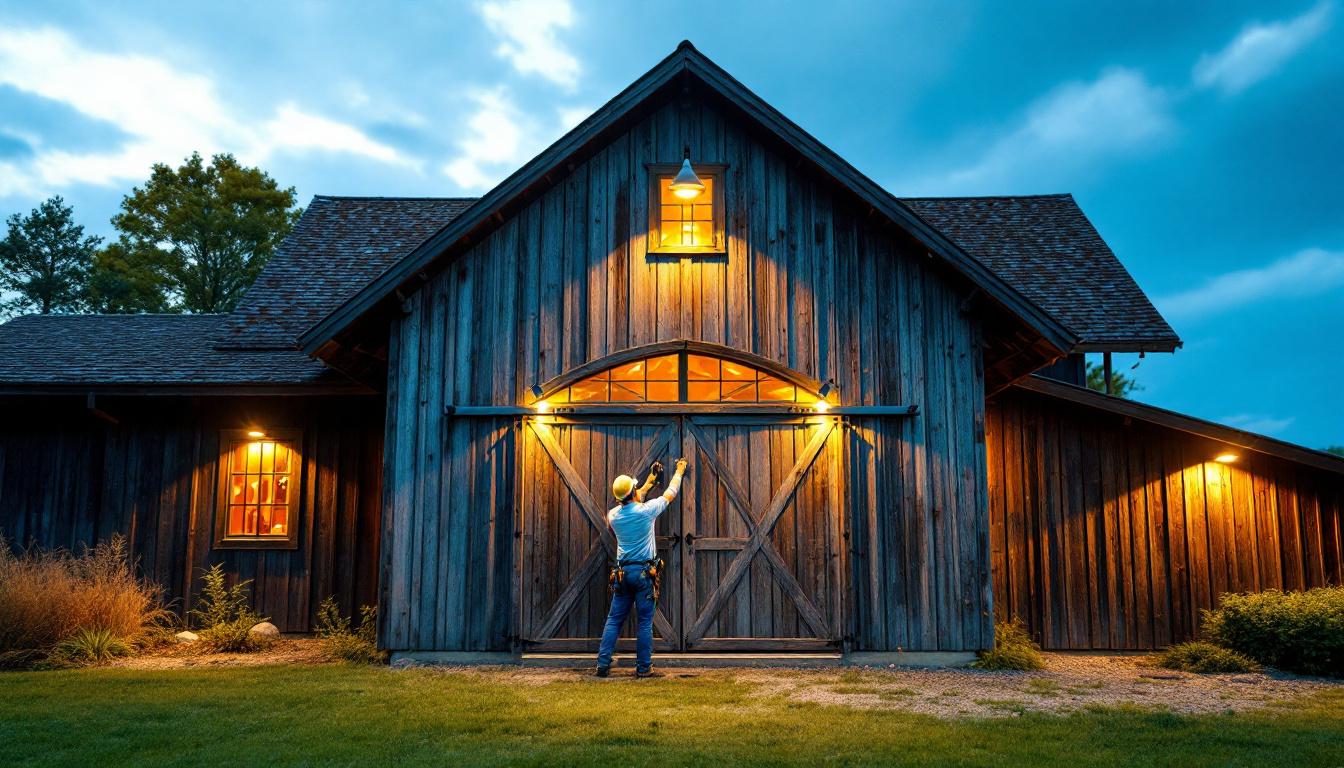
Lighting contractors often encounter a variety of environments that challenge their expertise and adaptability. One such environment is the outdoor barn setting, which presents unique considerations that can significantly impact project outcomes. Whether working on agricultural facilities, event spaces, or rustic commercial properties, understanding how barn exteriors influence lighting design and installation is essential for delivering effective, durable, and aesthetically pleasing solutions.
Outdoor barns are typically characterized by their large, open structures, varied materials such as wood and metal, and exposure to changing weather conditions. These factors create a complex backdrop for lighting contractors, who must balance functional illumination with safety, energy efficiency, and compliance with local regulations.
Why Barn Exteriors Are Distinctive Lighting Challenges
Unlike residential or standard commercial buildings, barns often lack uniform surfaces and may have irregular shapes or openings such as large doors, windows, and ventilation slats. This irregularity affects how light is distributed and reflected, demanding customized approaches to fixture placement and beam angles.
Moreover, barns are frequently situated in rural or semi-rural locations where ambient lighting is minimal. This environment can be advantageous for certain lighting effects but also requires careful planning to avoid light pollution and ensure appropriate brightness levels for safety and operational needs.
In addition to these challenges, the materials used in barn construction can further complicate lighting projects. For instance, wooden barns may absorb light differently than metal structures, leading to variations in how illumination appears across different surfaces. This necessitates a thorough understanding of the materials involved, as well as the potential for weathering and aging, which can alter the effectiveness of lighting over time. Additionally, the choice of lighting fixtures—such as LED versus traditional incandescent bulbs—can impact not only the quality of light but also the energy consumption and longevity of the installation, making it crucial for contractors to stay informed about the latest advancements in lighting technology.
Another important consideration is the intended use of the barn space. For example, a barn that serves as a venue for weddings or events may require softer, more ambient lighting to create a welcoming atmosphere, while a barn used for livestock may need brighter, more functional lighting to ensure safety and visibility during early morning or late evening hours. Understanding the specific needs of the space can help contractors design a lighting solution that enhances both the functionality and aesthetic appeal of the barn, ultimately leading to greater satisfaction for the end-users.
Key Factors Lighting Contractors Must Consider for Barn Exterior Projects
Material and Structural Considerations
The construction materials of barns—often wood, corrugated metal, or a combination—impact both the mounting options and the durability requirements for lighting fixtures. Wood surfaces may require specialized anchors or brackets to ensure secure installation without damaging the structure. Metal surfaces, on the other hand, might necessitate corrosion-resistant fixtures and fasteners. Additionally, the choice of materials can influence the aesthetic appeal of the lighting installation. For instance, rustic-style fixtures can complement wooden barns, while sleek, modern designs may be more suitable for metal structures, creating a harmonious look that enhances the overall appearance of the property.
Additionally, the structural integrity of older barns can vary widely. Contractors must assess whether the barn can support the weight and wiring of lighting systems, especially when installing overhead or high-mounted fixtures. This assessment often involves collaboration with structural engineers or property owners to avoid compromising the building’s stability. In some cases, it may be beneficial to incorporate energy-efficient lighting solutions that are lighter in weight, thereby reducing the load on the barn’s structure while still providing adequate illumination for both functionality and safety.
Weather and Environmental Exposure
Barns are exposed to harsh weather conditions including rain, snow, wind, and temperature fluctuations. Lighting contractors must select fixtures with appropriate Ingress Protection (IP) ratings to withstand moisture and dust ingress. For example, IP65 or higher-rated fixtures are commonly recommended for outdoor barn applications to ensure longevity and reduce maintenance needs. Furthermore, the placement of lighting fixtures should be strategic to minimize exposure to direct elements, such as positioning lights under eaves or overhangs, which can offer additional protection from the elements while still providing ample light coverage.
Temperature extremes also influence fixture choice. LED lights, while energy-efficient, can be sensitive to heat buildup or freezing conditions if not properly rated. Contractors should prioritize products designed for outdoor use in agricultural or rural settings to avoid premature failure. Additionally, incorporating smart lighting technology can provide flexibility in managing light intensity based on environmental conditions, ensuring optimal performance year-round while also contributing to energy savings.
Power Supply and Wiring Challenges
Many barns, especially older ones, may have limited or outdated electrical infrastructure. Lighting contractors must evaluate the existing power supply capacity and wiring conditions before planning installations. Upgrading electrical panels, adding circuit breakers, or installing weatherproof junction boxes might be necessary to meet modern code requirements and ensure safety. This process can also involve assessing the barn’s energy needs for future expansions, such as additional lighting or other electrical equipment, to ensure that the power supply is adequate and sustainable.
Furthermore, running wiring in barn environments requires careful routing to avoid damage from animals, machinery, or environmental factors. Using conduit and protective coverings is a best practice to safeguard electrical components and maintain system reliability. It is also essential to consider the potential for future maintenance; accessible wiring routes can facilitate easier repairs or upgrades, reducing downtime and ensuring that the barn remains functional and safe for its intended use. Involving the property owner in the planning process can help identify specific areas of concern and preferences, leading to a more tailored and effective lighting solution.
Design Strategies for Effective Barn Exterior Lighting
Balancing Functional and Aesthetic Goals
Lighting contractors must strike a balance between providing sufficient illumination for safety and operational tasks, and enhancing the barn’s aesthetic appeal. For agricultural barns, this might mean prioritizing bright, evenly distributed lighting to facilitate nighttime work and deter wildlife intrusion.
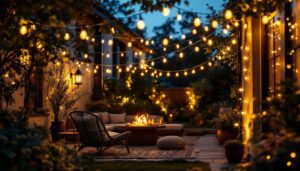
In contrast, barns repurposed for events or hospitality often benefit from layered lighting designs that incorporate ambient, accent, and decorative elements. Warm color temperatures, dimmable fixtures, and strategically placed uplights can create inviting atmospheres while highlighting architectural features.
Fixture Selection and Placement
Choosing the right fixtures is critical. Floodlights with adjustable beams are popular for broad coverage, while wall-mounted sconces can add character and focused light near entry points. Motion sensors and timers enhance energy efficiency by ensuring lights operate only when needed.
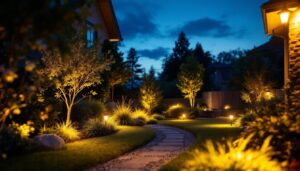
Placement should consider the barn’s layout and usage patterns. For example, illuminating pathways, loading areas, and parking zones improves safety, while uplighting barn walls can increase visibility and curb appeal. Contractors often use photometric planning tools to simulate light spread and optimize fixture locations before installation.
Energy Efficiency and Sustainability Considerations
With growing emphasis on sustainable building practices, lighting contractors are increasingly integrating energy-efficient technologies into barn projects. LED fixtures, solar-powered lights, and smart controls reduce energy consumption and operational costs.
Solar lighting is particularly advantageous in remote barn locations where extending electrical service is costly or impractical. Incorporating battery storage and intelligent control systems ensures consistent performance even during low sunlight periods.
Compliance and Safety in Barn Exterior Lighting
Adhering to Electrical Codes and Standards
Lighting contractors must ensure all installations comply with national and local electrical codes, such as the National Electrical Code (NEC) in the United States. These codes specify requirements for wiring methods, grounding, fixture ratings, and protection against environmental hazards.
Failure to comply can result in safety risks, legal liabilities, and costly rework. Contractors should stay current with code updates and work closely with inspectors and authorities having jurisdiction to guarantee project approval.
Addressing Light Pollution and Neighbor Considerations
Outdoor lighting near barns can impact neighbors and local wildlife if not properly managed. Excessive or poorly directed light contributes to light pollution, disrupting ecosystems and causing nuisance glare.
Using shielded fixtures, limiting light intensity, and employing timers or motion sensors helps mitigate these issues. Lighting contractors should engage with property owners and communities to develop lighting plans that respect environmental and social factors.
Ensuring Worker and Public Safety
Proper lighting is essential for preventing accidents in barn environments, where uneven terrain, machinery, and livestock present hazards. Contractors must design lighting systems that eliminate dark spots, reduce shadows, and provide clear visibility during night operations.
Emergency lighting and backup power solutions add layers of safety, ensuring illumination during power outages or critical situations. Incorporating these features aligns with best practices and enhances the overall value of the lighting installation.
Case Studies: Successful Barn Exterior Lighting Projects
Agricultural Facility Lighting Upgrade
A large dairy farm sought to upgrade its barn exterior lighting to improve nighttime operations and reduce energy costs. The lighting contractor conducted a thorough site assessment, identifying areas requiring high-intensity illumination such as feed loading zones and access roads.
By installing IP67-rated LED floodlights with motion sensors and integrating a centralized control system, the project achieved a 40% reduction in energy consumption while enhancing safety and operational efficiency. The contractor also ensured all wiring was protected within conduits to withstand farm equipment activity.
Event Barn Transformation
A historic barn converted into a wedding venue required a lighting design that preserved its rustic charm while providing functional illumination for guests and staff. The contractor employed warm white LED uplights to accentuate wooden beams and stonework, complemented by soft pathway lighting and adjustable sconces near entrances.
Smart lighting controls allowed event managers to tailor lighting scenes for different occasions, creating ambiance without compromising visibility. The project demonstrated how thoughtful lighting design enhances both aesthetics and usability in barn exterior environments.
Conclusion: Mastering Barn Exterior Lighting for Contractor Success
Lighting contractors who understand the unique challenges and opportunities presented by barn exteriors position themselves to deliver superior project outcomes. By carefully evaluating structural, environmental, and electrical factors, selecting appropriate fixtures, and prioritizing safety and compliance, contractors can create lighting solutions that meet client needs and stand the test of time.
As barns continue to evolve in function—from traditional agricultural uses to event spaces and beyond—the demand for specialized lighting expertise will grow. Embracing innovative technologies and sustainable practices will further enhance the value contractors bring to these distinctive projects.
Illuminate Your Barn Projects with LumenWholesale
Ready to elevate your barn exterior lighting projects with the best in spec-grade lighting products? Look no further than LumenWholesale. Our commitment to quality and affordability ensures that you have access to a wide range of reliable lighting solutions tailored to the unique challenges of barn environments. Say goodbye to middleman markups and hello to unbeatable wholesale prices, free shipping, and the convenience you deserve. Take the first step towards transforming your lighting projects by visiting Wholesale Lighting at the Best Value and discover how we can help you shine brighter with every installation.