Understanding Mobile Home Electrical Requirements
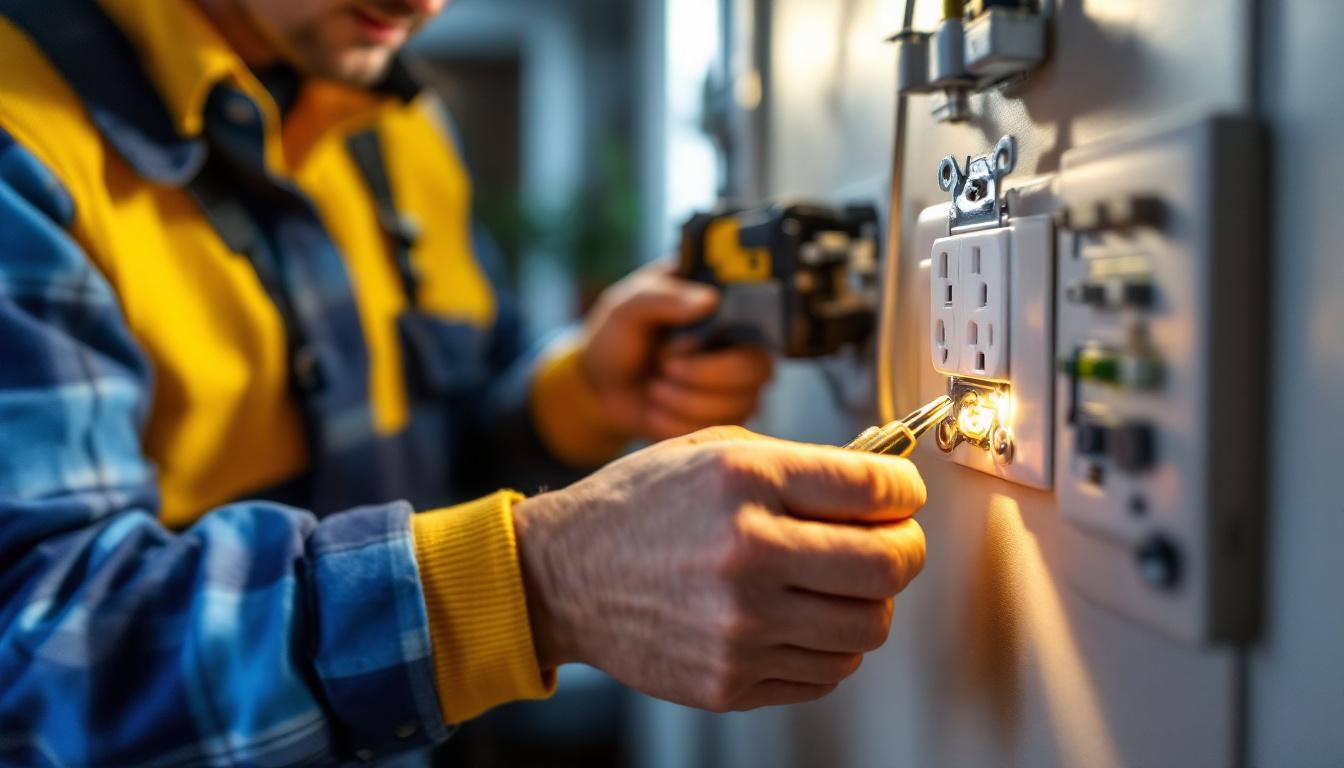
Mobile homes present unique challenges when it comes to electrical installations, particularly with receptacles. Unlike traditional site-built homes, mobile homes are subject to specific codes and standards that dictate how electrical systems must be installed and maintained. For lighting contractors, a thorough understanding of these requirements is essential to ensure safety, compliance, and customer satisfaction.
One of the key differences lies in the wiring methods and receptacle types used. Mobile homes often require wiring methods that accommodate the structure’s mobility and potential for vibration during transport. Additionally, receptacles must be installed in a manner that addresses the limited space and unique layout of mobile homes. Recognizing these distinctions early in the project can save time and prevent costly rework.
National Electrical Code (NEC) Considerations
The National Electrical Code (NEC) provides specific guidelines for mobile home electrical systems, particularly in Article 550. Lighting contractors should be familiar with these provisions, as they cover everything from wiring methods to grounding requirements. For example, the NEC mandates that all 125-volt, 15- and 20-ampere receptacles in mobile homes must be tamper-resistant and GFCI-protected in certain locations, such as kitchens and bathrooms.
Compliance with NEC standards not only ensures safety but also helps contractors avoid inspection failures and potential liability issues. Staying current with code updates and local amendments is equally important, as some jurisdictions may impose additional requirements on mobile home electrical installations. Furthermore, understanding the specific load calculations for mobile homes can significantly affect the overall design and layout of the electrical system. Mobile homes often have a different energy consumption profile compared to traditional homes, which means that contractors must carefully assess the electrical load to ensure that the system can handle the demands of modern appliances and technologies.
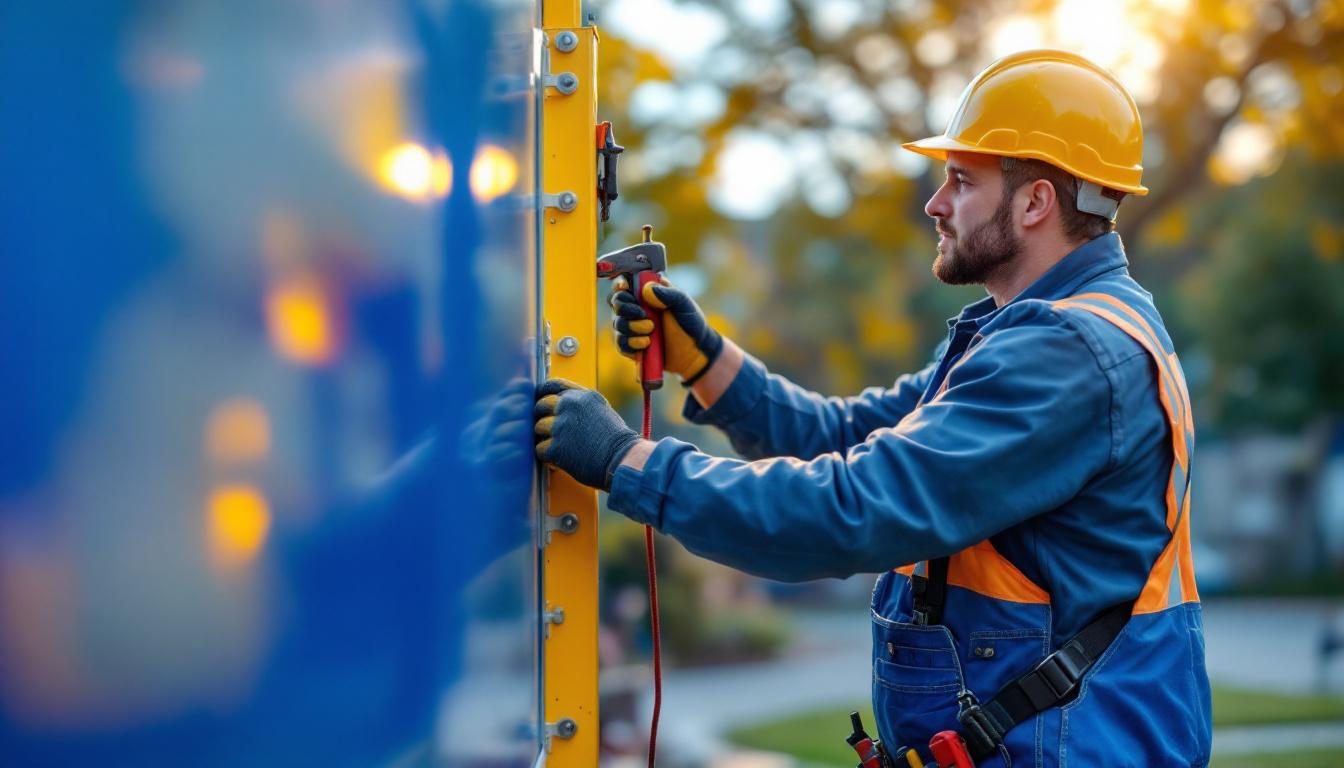
Another critical aspect to consider is the placement of electrical panels and service entrances. In mobile homes, these components must be strategically located to minimize the risk of damage during transport and to ensure accessibility for maintenance. Additionally, proper anchoring and securing of the electrical service are vital to prevent disconnections or failures during movement. By paying close attention to these details, contractors can enhance the longevity and reliability of the electrical systems in mobile homes, ultimately benefiting both the homeowner and the contractor’s reputation.
Choosing the Right Receptacles for Mobile Homes
Selecting appropriate receptacles is a critical step in mobile home electrical work. The choice impacts both functionality and safety, so lighting contractors must consider several factors before installation.
Durability and Safety Features
Mobile homes are subject to movement and vibrations that can loosen electrical connections over time. Therefore, receptacles designed for enhanced durability are preferable. Contractors should look for receptacles with robust construction and secure mounting options to withstand these conditions.
Safety features such as tamper-resistant shutters and ground-fault circuit interrupter (GFCI) protection are essential, especially in areas prone to moisture. These features help prevent electrical shocks and reduce fire hazards, making them a must-have in mobile home receptacles. Additionally, receptacles with weatherproof covers are ideal for outdoor use, ensuring that they remain functional and safe even in adverse weather conditions. This is particularly important for mobile homes located in regions with high humidity or frequent rainfall, where moisture can lead to electrical failures if not properly managed.
Compatibility with Mobile Home Wiring
Mobile homes often use aluminum wiring or specific cable types that differ from traditional copper wiring. Lighting contractors must ensure that the receptacles they choose are compatible with the wiring present. For instance, receptacles rated for aluminum wiring or those equipped with CO/ALR (copper-aluminum revised) terminals help prevent issues like corrosion and poor connections.
Using the right receptacles not only enhances safety but also extends the lifespan of the electrical system, reducing maintenance calls and improving overall customer satisfaction. Moreover, it’s crucial to consider the amperage rating of the receptacles, as mobile homes may have different power requirements based on their appliances and systems. Ensuring that the receptacles are rated appropriately for the expected load can prevent overheating and potential electrical fires, contributing to a safer living environment for residents. Additionally, contractors should familiarize themselves with local building codes and regulations, as compliance can vary significantly and impact the choice of receptacles used in mobile homes.
Installation Best Practices for Mobile Home Receptacles
Proper installation techniques are vital to ensure that receptacles function safely and reliably in mobile homes. Lighting contractors should adhere to best practices that address the unique conditions of these structures.
Secure Mounting and Box Selection
Due to the movement and vibration mobile homes experience, receptacle boxes must be securely mounted to prevent loosening. Metal boxes are often preferred for their strength and durability, but contractors should verify compatibility with the home’s wiring methods.
Additionally, using boxes with adequate depth and volume is important to accommodate wiring and prevent overcrowding, which can lead to overheating or damage during installation. It is also advisable to consider the placement of receptacles in relation to furniture and appliances to ensure accessibility and functionality. Properly positioned receptacles can significantly enhance the usability of the living space, reducing the need for extension cords and minimizing tripping hazards.
Proper Grounding and Bonding
Grounding is a critical safety aspect in mobile home electrical systems. Lighting contractors must ensure that all receptacles are properly grounded according to NEC guidelines. This includes verifying that grounding conductors are continuous and securely connected to grounding terminals.
Bonding the electrical system to the mobile home’s metal frame is also essential to prevent electrical shock hazards. Contractors should inspect grounding paths carefully and use appropriate connectors to maintain system integrity. Additionally, it is prudent to educate homeowners about the importance of grounding and bonding, as this knowledge can empower them to recognize potential issues and seek timely repairs, ensuring the ongoing safety of their electrical systems.
Wire Termination Techniques
Correctly terminating wires in receptacles is crucial to avoid loose connections that can cause arcing or overheating. Contractors should strip wires to the proper length, avoid nicking conductors, and use the correct screws or push-in terminals as specified by the receptacle manufacturer.
For aluminum wiring, special attention is required to prevent oxidation and ensure a solid connection. Applying antioxidant compound and using CO/ALR-rated receptacles are recommended practices. Furthermore, it is beneficial to conduct a thorough inspection of all terminations after installation, as this can help identify any potential issues before they escalate into safety hazards. Regular maintenance checks can also be encouraged, allowing homeowners to stay ahead of any electrical problems that may arise over time, thus promoting a safer living environment in their mobile homes.
Common Challenges and Troubleshooting Tips
Lighting contractors often encounter specific challenges when working with mobile home receptacles. Being prepared to address these issues can improve efficiency and reduce callbacks.
Dealing with Aging or Non-Compliant Wiring
Many mobile homes, especially older models, may have wiring systems that do not meet current codes or have deteriorated over time. Contractors should perform thorough inspections before installation to identify potential hazards such as aluminum wiring without proper receptacles or damaged insulation.
In some cases, upgrading wiring or replacing receptacles with code-compliant models is necessary. Educating homeowners about the benefits of these upgrades can facilitate approval and ensure safer electrical systems.
Addressing Loose or Intermittent Connections
Loose receptacle connections are a common source of electrical issues in mobile homes due to vibration and movement. Contractors should check all connections during installation and recommend periodic inspections to homeowners.
Using locking-type receptacles or securing mounting hardware with thread-locking compounds can help minimize loosening over time.
Ensuring Proper GFCI Functionality
GFCI receptacles are critical for preventing electrical shock, particularly in wet or damp areas. Contractors should test GFCI devices upon installation and educate homeowners on how to reset them if tripped.
In cases where GFCI receptacles frequently trip without apparent cause, troubleshooting may involve checking for ground faults elsewhere in the circuit or replacing faulty devices.
Enhancing Efficiency and Customer Satisfaction
Beyond technical expertise, lighting contractors can improve their service quality and customer relationships by adopting efficient practices and clear communication strategies.
Using Quality Materials and Tools
Investing in high-quality receptacles and installation tools not only ensures better performance but also reduces the likelihood of failures and callbacks. Contractors should source products from reputable manufacturers and verify that all materials meet or exceed code requirements.
Utilizing specialized tools designed for mobile home electrical work, such as wire strippers calibrated for aluminum wiring and torque screwdrivers, can improve installation accuracy and speed.
Providing Clear Explanations and Maintenance Tips
Homeowners often lack detailed knowledge about their mobile home electrical systems. Lighting contractors who take the time to explain the importance of proper receptacle installation, safety features, and routine maintenance build trust and reduce future service calls.
Offering simple maintenance tips, such as regularly testing GFCI receptacles and inspecting outlets for signs of wear, empowers homeowners to keep their electrical systems safe and functional.
Staying Updated with Industry Trends and Codes
The electrical industry is continually evolving, with updates to codes, new product innovations, and emerging best practices. Lighting contractors committed to ongoing education and professional development are better equipped to deliver high-quality services.
Participating in training sessions, subscribing to industry publications, and networking with peers can help contractors stay ahead of changes that impact mobile home receptacle installations.
Conclusion
Mobile home receptacle installation requires specialized knowledge and attention to detail. Lighting contractors who understand the unique electrical requirements, select appropriate receptacles, follow best installation practices, and proactively address common challenges can ensure safe, reliable, and code-compliant outcomes.
By combining technical expertise with quality materials and clear communication, contractors not only enhance safety but also build lasting customer relationships and a strong professional reputation in the mobile home sector.
Get Your Mobile Home Receptacle Solutions at LumenWholesale
Ready to elevate your mobile home receptacle installations with products that promise durability, safety, and code compliance? Look no further than LumenWholesale for all your lighting needs. Our extensive selection of spec-grade lighting products is designed to meet the unique demands of mobile homes, ensuring you deliver top-notch service to your clients. With unbeatable wholesale prices and the convenience of free shipping, you can stock up on high-quality receptacles and lighting solutions that fit your budget. Don’t let middleman markups affect your bottom line. Choose LumenWholesale for the best value in wholesale lighting. Wholesale Lighting at the Best Value.