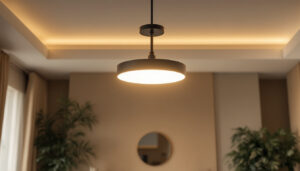
Understanding Dimmable Fluorescent Lighting Technology
Fluorescent lighting has long been a staple in commercial and industrial environments due to its energy efficiency and longevity. However, when it comes to dimmable fluorescent lights, the technology introduces complexities that require careful consideration. Unlike incandescent bulbs, which dim smoothly by simply reducing voltage, fluorescent lamps rely on ballast systems that regulate current and voltage to the lamp. This means that dimming fluorescent lights is not as straightforward and demands compatible components and proper installation.
For lighting contractors, understanding the intricacies of dimmable fluorescent lighting is crucial to avoid costly mistakes. The dimming mechanism typically involves either magnetic or electronic ballasts designed for dimming applications. Electronic dimming ballasts, which use advanced circuitry, offer smoother dimming ranges and better energy savings, but they must be paired with compatible dimmer controls. Magnetic ballasts, while more traditional, are less common in dimmable applications due to their limitations and inefficiencies.
Choosing the right ballast and dimmer combination is fundamental. Incompatible pairings can cause flickering, buzzing, reduced lamp life, or complete failure to dim. Additionally, dimming ranges vary; some systems only dim down to 50%, while others can go as low as 10%. Contractors must specify equipment that meets the project’s lighting requirements while ensuring compatibility.
Moreover, the impact of dimmable fluorescent lighting extends beyond mere functionality; it also influences the ambiance and productivity of a space. In environments such as offices or retail stores, the ability to adjust lighting levels can significantly enhance the overall atmosphere. For instance, brighter lighting can be beneficial during busy hours to promote alertness and focus, while softer lighting can create a more relaxed environment during quieter times. This adaptability not only improves the aesthetic appeal but can also lead to increased employee satisfaction and customer engagement.
Furthermore, as technology continues to evolve, the integration of smart controls with dimmable fluorescent lighting is becoming more prevalent. These systems allow for automated adjustments based on occupancy or natural light levels, providing an even greater level of energy efficiency and convenience. By incorporating sensors and programmable controls, businesses can optimize their lighting strategies, reducing energy consumption while maintaining the desired illumination levels. Understanding these advancements is essential for contractors looking to stay competitive in a rapidly changing market.
Common Pitfalls in Dimmable Fluorescent Lighting Projects
Ignoring Compatibility Between Ballasts and Dimmers
One of the most frequent errors in dimmable fluorescent lighting projects is neglecting to verify compatibility between ballasts and dimmer switches. Unlike incandescent dimmers, which are often universal, fluorescent dimmers must be matched to the ballast type. For example, a dimmer designed for electronic low-voltage transformers will not work correctly with a fluorescent ballast.
Failing to ensure this compatibility can lead to operational issues such as flickering, buzzing noises, or erratic dimming behavior. These issues not only frustrate end-users but may also necessitate costly rework or replacement of components. Moreover, the incorrect pairing of dimmers and ballasts can lead to increased energy consumption, which defeats the purpose of implementing a dimming system in the first place. This oversight can also impact the overall aesthetics of the lighting design, as inconsistent lighting can create an uninviting atmosphere.
Overlooking the Impact of Wiring and Installation Practices
Proper wiring and installation are essential for the reliable operation of dimmable fluorescent lighting systems. Contractors sometimes underestimate the importance of following manufacturer guidelines for wiring configurations, grounding, and load balancing. Incorrect wiring can introduce electrical noise, cause dimmers to malfunction, or even create safety hazards.
Additionally, the length and gauge of wiring can affect dimmer performance. Long wire runs or undersized cables may result in voltage drops or interference, leading to inconsistent dimming. Ensuring adherence to electrical codes and manufacturer instructions is vital to avoid these problems. Furthermore, the physical layout of the wiring can also play a role; for instance, running wires in parallel with power lines can induce unwanted electromagnetic interference, which can further complicate dimming functionality. By prioritizing meticulous installation practices, contractors can enhance the longevity and reliability of the lighting system.
Neglecting to Consider Lamp Types and Their Dimming Characteristics
Not all fluorescent lamps dim equally well. For example, T8 lamps with electronic ballasts generally dim more reliably and smoothly compared to older T12 lamps with magnetic ballasts. Some newer lamp technologies, such as rapid-start or instant-start lamps, may also have specific dimming requirements.
Contractors must specify lamps that are rated for dimming and compatible with the selected ballast. Using non-dimmable lamps or mismatched components can result in poor dimming performance and reduced lamp life, undermining the project’s overall quality. Additionally, it is crucial to consider the color temperature and color rendering index (CRI) of the lamps, as these factors can significantly influence the ambiance of the space. For instance, warmer color temperatures may create a cozy environment, while cooler temperatures can enhance focus and productivity. By carefully selecting the right lamp types, contractors can ensure that the lighting not only meets functional requirements but also enhances the overall aesthetic appeal of the environment.
Best Practices for Successful Dimmable Fluorescent Lighting Installations
Conduct Comprehensive System Compatibility Checks
Before procurement and installation, lighting contractors should conduct thorough compatibility assessments. This involves consulting technical datasheets, manufacturer compatibility charts, and, when possible, testing components together in a controlled environment. Confirming that the ballast, lamp, and dimmer are designed to work in unison reduces the risk of operational issues.
Many manufacturers provide compatibility lists or recommend specific dimmer models for their ballasts. Leveraging these resources ensures that the selected components will perform as expected. Furthermore, it is advisable to engage with manufacturer representatives or technical support teams during the planning phase. Their insights can provide invaluable guidance on the latest technologies and innovations in dimmable fluorescent systems, potentially leading to enhanced energy efficiency and performance.
Incorporate Proper Wiring and Load Management Strategies
Adhering to best wiring practices is essential. This includes using the correct wire gauge, minimizing wire lengths where possible, and ensuring all connections are secure and properly grounded. Balancing loads across multiple dimmers or circuits can prevent overloading and improve dimming consistency.
Additionally, contractors should consider the total load on the dimmer to avoid exceeding its rated capacity. Overloading can cause premature dimmer failure and potential safety hazards. It is also beneficial to implement a load calculation strategy that accounts for future expansions or modifications to the lighting system. By anticipating changes in usage or the addition of new fixtures, contractors can design a more flexible and resilient installation that meets evolving needs without requiring extensive rework.
Plan for User Experience and Maintenance
Successful lighting projects consider the end-user experience. Smooth, flicker-free dimming enhances occupant comfort and satisfaction. Contractors should specify dimming systems that provide a wide dimming range and stable operation at low light levels.
Maintenance considerations are also important. Selecting components with readily available replacements and clear installation instructions facilitates future servicing. Documenting the system design and component specifications aids facility managers in troubleshooting and upkeep. Moreover, providing training sessions for facility staff on the operation and maintenance of the dimmable lighting system can empower them to address minor issues independently, reducing downtime and enhancing overall efficiency. Regular maintenance schedules should also be established to ensure long-term reliability and performance, which can include periodic inspections and updates to software or firmware in smart dimming systems.
Energy Efficiency and Cost Implications of Dimmable Fluorescent Lighting
Dimmable fluorescent lighting offers significant energy savings when implemented correctly. By reducing light output during periods of low occupancy or daylight availability, facilities can lower electricity consumption and operational costs. Studies have shown that dimming fluorescent lights can reduce energy use by up to 40% in some commercial settings.
However, these savings depend heavily on proper system design and control strategies. Incompatible or poorly installed dimming systems may negate efficiency gains due to increased maintenance costs or premature equipment failure.
Lighting contractors play a pivotal role in ensuring that dimmable fluorescent lighting projects deliver on their promise of energy efficiency and cost-effectiveness. This involves selecting high-quality components, adhering to installation best practices, and educating clients on optimal system use.
Emerging Trends and Alternatives to Dimmable Fluorescent Lighting
While dimmable fluorescent lighting remains prevalent, the lighting industry is rapidly evolving. LED technology has emerged as a superior alternative, offering greater energy efficiency, longer lifespan, and more flexible dimming capabilities. LEDs do not require ballasts and are compatible with a wide range of dimming controls, simplifying installation and reducing compatibility concerns.
Many contractors are transitioning to LED retrofit kits or new LED fixtures to replace fluorescent systems. This shift can reduce maintenance costs and improve lighting quality. However, understanding the nuances of dimmable fluorescent lighting remains valuable, especially when working on legacy systems or projects with budget constraints.
Staying informed about advancements in lighting technology and control systems enables contractors to provide clients with the best solutions tailored to their specific needs and budgets.
Conclusion: Key Takeaways for Lighting Contractors
Dimmable fluorescent lighting projects require meticulous planning, component selection, and installation to avoid costly mistakes. Key considerations include ensuring ballast and dimmer compatibility, following proper wiring practices, and selecting lamps suited for dimming applications. Attention to these details not only enhances system performance but also maximizes energy savings and user satisfaction.
As the industry advances, lighting contractors should remain adaptable, embracing new technologies while maintaining expertise in traditional systems. By doing so, they can deliver reliable, efficient, and cost-effective lighting solutions that meet the evolving demands of their clients.
Get Your Dimmable Lighting Solutions at LumenWholesale
Ready to elevate your lighting projects with dimmable solutions that combine quality, affordability, and ease of installation? Look no further than LumenWholesale. Our extensive selection of spec-grade lighting products meets the highest industry standards, ensuring you get the most reliable and high-performance lighting for your projects. With unbeatable wholesale prices and the convenience of free shipping on bulk orders, LumenWholesale is your go-to source for premium lighting without the premium price tag. Discover wholesale lighting at the best value today and light up your projects with confidence.