Understanding the Importance of Electrical Boxes for Sconces
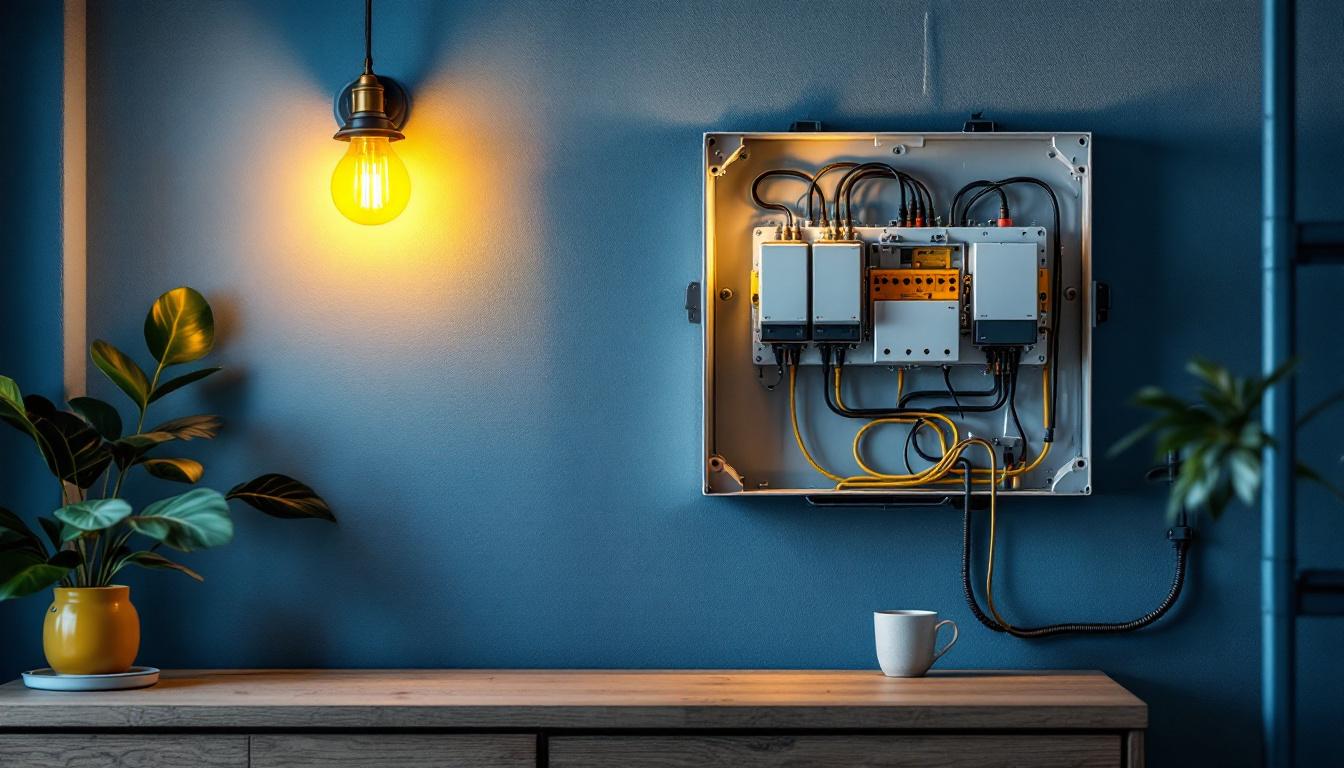
For lighting contractors, the electrical box is a fundamental component when installing wall sconces. It serves as the secure housing for wiring connections and provides the necessary support to hold the fixture in place. Without a properly selected and installed electrical box, the safety, functionality, and aesthetics of the sconce installation can be compromised.
Electrical boxes are designed to protect wiring from damage, prevent electrical fires, and ensure compliance with electrical codes. When it comes to sconces, which are often mounted on drywall or other wall surfaces, the electrical box must be carefully chosen to accommodate the fixture’s weight and wiring requirements. This is especially critical because sconces are visible elements of interior design and any failure can lead to costly repairs or safety hazards.
Why Proper Box Selection Matters
Choosing the right electrical box affects not only the safety but also the ease of installation and future maintenance. For example, a box that is too shallow may not provide enough space for wiring, leading to cramped connections that increase the risk of shorts or overheating. Conversely, an oversized box might be difficult to secure properly or may not align well with the sconce’s mounting hardware.
Moreover, the box must comply with local electrical codes and standards such as the National Electrical Code (NEC), which stipulates requirements for box fill capacity, grounding, and mounting methods. Lighting contractors who understand these nuances can avoid costly code violations and ensure their installations pass inspections smoothly.
In addition to safety and compliance, the type of electrical box used can also influence the overall aesthetic of the installation. For instance, a shallow box may work well for lightweight sconces, but if a heavier fixture is chosen, a deeper or more robust box may be necessary to maintain a clean and professional look. This consideration is particularly important in high-end residential projects where the visual impact of lighting fixtures plays a significant role in the overall design scheme. Furthermore, the choice of materials for the electrical box, such as plastic or metal, can also affect the durability and longevity of the installation, especially in areas with high humidity or temperature fluctuations.
Another critical aspect to consider is the accessibility of the electrical box for future maintenance. If a sconce needs to be replaced or repaired, having a well-placed and easily accessible electrical box can save time and reduce the risk of damaging the surrounding wall. This foresight can be invaluable, particularly in spaces where sconces are frequently changed out or upgraded as design trends evolve. Overall, a thoughtful approach to electrical box selection not only enhances the safety and functionality of the installation but also contributes to the long-term satisfaction of homeowners and the integrity of the overall design.
Types of Electrical Boxes Suitable for Sconce Installations
Lighting contractors have several options when selecting electrical boxes for sconces, each suited to different installation scenarios and fixture types.
Old Work (Remodel) Boxes
Old work boxes are designed for retrofit installations where the wall is already finished. These boxes typically have mounting wings or clamps that secure the box to drywall without the need for access to wall studs. They are ideal for replacing existing fixtures or adding sconces in finished spaces.
However, old work boxes have limitations in terms of weight capacity. Most standard models support fixtures up to around 10 pounds, which is sufficient for many sconces but not for heavier decorative fixtures. Contractors must verify the weight rating and, if necessary, opt for reinforced models or alternative mounting solutions.
New Work Boxes
New work boxes are used during the initial construction phase, installed before drywall or wall coverings are applied. These boxes attach directly to wall studs, providing a sturdy base for heavier fixtures. They come in various sizes and depths to accommodate different wiring volumes and fixture mounting requirements.
For sconces that are heavy or have elaborate mounting brackets, new work boxes offer superior support and ease of installation. They also allow for precise positioning, which is essential for aligning multiple sconces or coordinating with other architectural elements.
Old Work Boxes with Brace Bars
When a retrofit installation requires additional support, old work boxes with integrated brace bars can be used. These bars extend behind the drywall and anchor the box between studs, increasing stability and weight capacity. This option is particularly useful in situations where the wall material alone cannot support the sconce’s weight.
Key Considerations for Electrical Box Installation
Beyond selecting the right type of box, lighting contractors must pay attention to several critical factors during installation to ensure safety, functionality, and compliance.
Box Fill and Wiring Capacity
The National Electrical Code specifies box fill limits based on the number and size of conductors, devices, and clamps inside the box. Overfilling an electrical box can lead to overheating and make it difficult to secure connections properly.
Contractors should calculate the total volume of wires and devices to determine the minimum box size required. For sconces, this often includes the fixture’s leads, grounding conductors, and any additional wiring such as dimmer switches or occupancy sensors. Using boxes with adequate volume prevents cramped wiring and reduces the risk of electrical faults.
Mounting Height and Alignment
Proper mounting height is essential for both functionality and aesthetics. The standard height for wall sconces varies depending on the room type and intended use, but generally ranges between 60 to 72 inches from the floor to the center of the fixture. Consistent height and alignment are crucial when installing multiple sconces to create a balanced look.
Electrical boxes must be installed at the correct height during rough-in to avoid costly adjustments later. Contractors should also ensure the box is flush with the finished wall surface to facilitate secure fixture mounting and prevent gaps or misalignment.
Grounding and Safety Compliance
Grounding is a vital safety measure that protects against electrical shock and fire hazards. Electrical boxes used for metallic fixtures or those made of metal themselves must be properly grounded. This involves connecting the grounding conductor to the box and the fixture’s grounding terminal.
Lighting contractors should verify that grounding conductors are continuous and securely attached, and that all components meet the applicable electrical codes. Using boxes with built-in grounding screws or clips can simplify this process and enhance safety.
Specialized Electrical Boxes for Unique Sconce Installations
Some sconce installations present unique challenges that require specialized electrical boxes or mounting techniques.
Shallow or Low-Profile Boxes
In spaces with limited wall cavity depth, such as thin walls or walls with insulation, shallow electrical boxes are necessary. These boxes minimize intrusion into the wall while still providing sufficient space for wiring and fixture mounting.
Low-profile boxes are commonly used in historic renovations or modern minimalist designs where wall thickness is constrained. Contractors must ensure that these boxes still meet box fill requirements and provide adequate support for the sconce.
Weather-Resistant Boxes for Exterior Sconces
When installing sconces outdoors, electrical boxes must be rated for wet or damp locations. Weather-resistant boxes are typically made of corrosion-resistant materials and feature sealed covers to protect wiring from moisture and debris.
These boxes often include gasketed covers and are compatible with outdoor-rated fixtures. Proper sealing and grounding are essential to prevent electrical hazards and maintain long-term durability in exterior environments.
Adjustable and Articulating Boxes
For sconces that require precise positioning or adjustment after installation, adjustable electrical boxes offer a flexible solution. These boxes can be tilted or rotated to align the fixture perfectly, accommodating uneven walls or architectural features.
Articulating boxes are particularly useful in commercial or hospitality settings where lighting design may evolve over time. They allow contractors to make adjustments without extensive rewiring or wall repairs.
Best Practices for Lighting Contractors When Working with Electrical Boxes
Adhering to best practices ensures that sconce installations are safe, reliable, and visually appealing.
Pre-Installation Planning
Before beginning installation, contractors should review the sconce manufacturer’s specifications and local electrical codes. This includes confirming the required box type, size, and mounting method. Planning also involves verifying wall construction, stud locations, and access points.
Taking accurate measurements and marking mounting locations reduces errors and streamlines the installation process. Coordination with other trades, such as drywall installers and electricians, helps ensure that boxes are installed correctly during rough-in.
Using Quality Materials and Tools
Investing in high-quality electrical boxes and compatible mounting hardware enhances the durability and safety of the installation. Using the correct tools, such as box cutters, fish tapes, and torque drivers, helps achieve precise cuts and secure connections.
Contractors should also use wire connectors rated for the specific wire gauge and environment, and apply electrical tape or heat shrink tubing where necessary to protect connections.
Testing and Inspection
After installation, testing the sconce for proper operation and secure mounting is essential. This includes verifying that all connections are tight, grounding is effective, and the fixture is stable.
Lighting contractors should also conduct a visual inspection to ensure that the box is flush with the wall and that no wiring is exposed. Compliance with inspection requirements helps avoid delays and rework.
Conclusion: Enhancing Sconce Installations with the Right Electrical Box
For lighting contractors, selecting and installing the appropriate electrical box is a critical step in achieving safe, code-compliant, and aesthetically pleasing sconce installations. Understanding the different types of boxes, their applications, and installation best practices empowers contractors to deliver high-quality results that satisfy clients and inspectors alike.
By prioritizing proper box fill, secure mounting, grounding, and adherence to local codes, contractors can minimize risks and enhance the longevity of their lighting projects. Whether working on new construction, remodels, or specialized installations, the right electrical box is the foundation of a successful sconce installation.
Get Your Premium Lighting Supplies at LumenWholesale
Ready to elevate your sconce installations with the highest quality electrical boxes and lighting fixtures? Look no further than LumenWholesale, where we offer an extensive selection of spec-grade lighting products at unbeatable wholesale prices. Say goodbye to local distributor markups and hello to top-notch lighting solutions that meet the most rigorous industry standards. With free shipping on bulk orders, you can stock up on all the essentials you need to ensure every project shines. Don’t compromise on quality or value—Wholesale Lighting at the Best Value is just a click away.