Introduction to 4 Foot LED Tubes
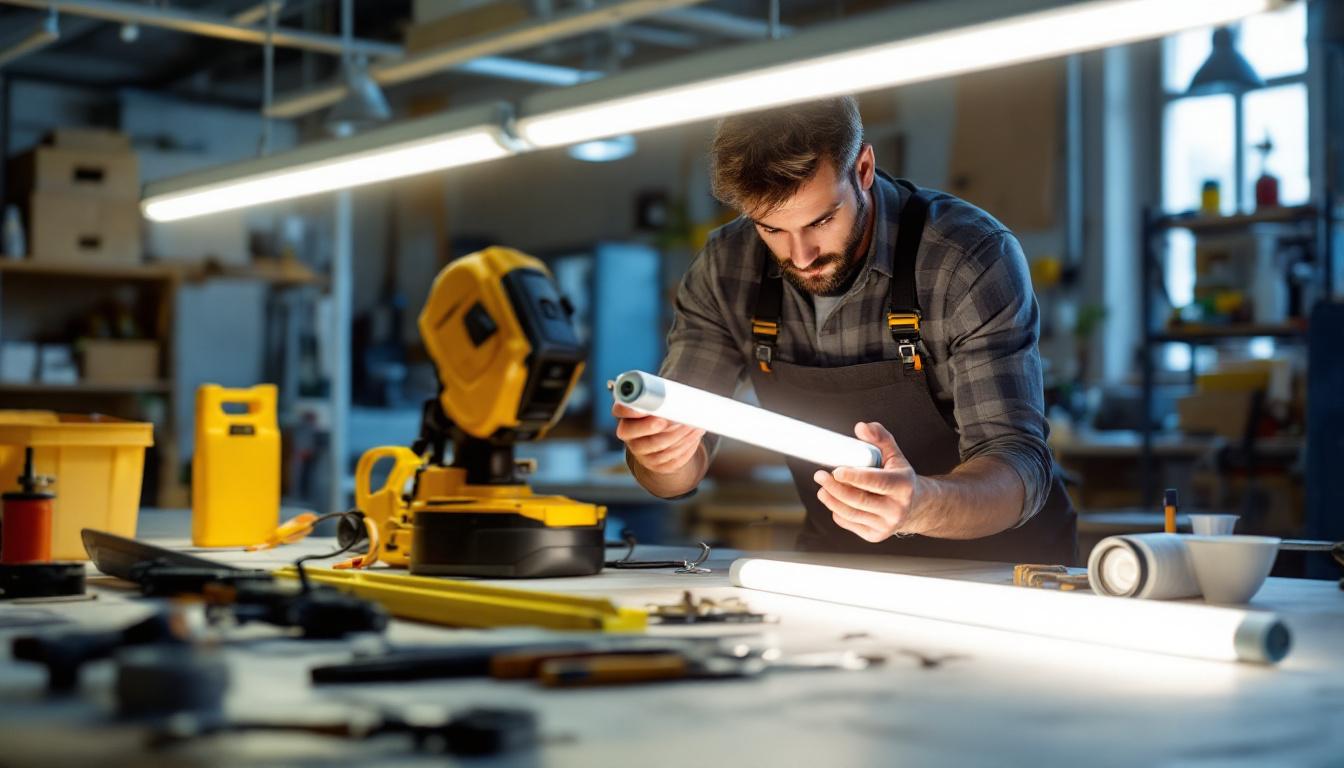
Lighting contractors are increasingly turning to 4 foot LED tubes as a reliable, energy-efficient alternative to traditional fluorescent tubes. These LED tubes offer numerous benefits, including reduced energy consumption, longer lifespans, and improved light quality. Understanding the technical specifications, installation requirements, and market trends of 4 foot LED tubes is essential for contractors aiming to provide optimal lighting solutions for their clients.
Given the widespread use of 4 foot fluorescent tubes in commercial and industrial settings, the transition to LED technology represents a significant opportunity for lighting contractors. This article delves into everything contractors need to know about 4 foot LED tubes—from their types and advantages to installation considerations and regulatory compliance.
One of the standout features of 4 foot LED tubes is their impressive energy efficiency. Typically, these LED tubes consume about 40% to 60% less energy compared to their fluorescent counterparts, which not only reduces electricity bills but also contributes to a lower carbon footprint. Additionally, many LED tubes are designed to last up to 50,000 hours or more, significantly outpacing the lifespan of traditional fluorescent tubes, which often require replacement every 12,000 hours. This longevity translates into less frequent replacements, ultimately leading to lower maintenance costs and less waste in landfills.
Moreover, the light quality provided by 4 foot LED tubes is another compelling reason for their growing popularity. Unlike fluorescent tubes that can emit a harsh, flickering light, LED tubes produce a consistent, high-quality illumination that enhances visibility and comfort in work environments. Many models also offer adjustable color temperatures, allowing contractors to customize the lighting to suit specific tasks or atmospheres, whether it’s a warm light for a cozy setting or a cooler light for precision work. As businesses increasingly recognize the importance of creating a pleasant and productive atmosphere for employees, the demand for versatile lighting solutions like 4 foot LED tubes continues to rise.
Key Benefits of 4 Foot LED Tubes
Energy Efficiency and Cost Savings
One of the primary reasons contractors recommend 4 foot LED tubes is their superior energy efficiency. Compared to traditional T8 or T12 fluorescent tubes, LED tubes typically consume 40-60% less electricity. This reduction translates into substantial cost savings on energy bills, especially in large-scale installations such as office buildings, warehouses, and schools.
For example, a standard 32-watt fluorescent tube can be replaced by an 18-20 watt LED tube that delivers comparable or better light output. Over time, these savings accumulate, making LED tubes a cost-effective investment for clients focused on reducing operational expenses. Additionally, many utility companies offer rebates and incentives for upgrading to energy-efficient lighting solutions, further enhancing the financial appeal of LED tubes. This not only helps in offsetting the initial investment but also encourages businesses to adopt more sustainable practices.
Longer Lifespan and Reduced Maintenance
LED tubes boast significantly longer lifespans than fluorescent tubes. While fluorescent tubes generally last around 15,000 to 20,000 hours, LED tubes can operate for 50,000 hours or more under optimal conditions. This longevity reduces the frequency of replacements, lowering maintenance costs and minimizing disruptions in commercial environments.
For lighting contractors, this means fewer service calls and enhanced client satisfaction. Additionally, many LED tubes come with warranties that cover several years, providing further assurance of product reliability. The reduced need for replacements also means less waste generated, contributing to a more sustainable approach to lighting. As businesses strive to meet corporate social responsibility goals, the long lifespan of LED tubes aligns perfectly with efforts to reduce their environmental footprint.
Improved Light Quality and Environmental Impact
LED tubes provide superior light quality with higher Color Rendering Index (CRI) values, often above 80, which ensures colors appear more natural and vibrant. This is particularly important in retail, healthcare, and educational settings where accurate color representation enhances the environment. The ability to choose from a range of color temperatures also allows businesses to create the desired ambiance, whether it’s a warm, inviting glow for a restaurant or bright, crisp lighting for a workspace.
Moreover, LED tubes do not contain hazardous materials such as mercury, which is present in fluorescent tubes. This makes LED tubes a more environmentally friendly option, simplifying disposal and reducing environmental risks. The lower heat output of LED technology also contributes to a cooler environment, which can lead to reduced air conditioning costs in commercial spaces. As sustainability becomes increasingly important to consumers and businesses alike, the adoption of LED technology not only meets regulatory requirements but also enhances a company’s reputation as an environmentally conscious entity.
Types of 4 Foot LED Tubes and Their Applications
Direct Replacement (Plug and Play) LED Tubes
Direct replacement LED tubes, also known as plug-and-play tubes, are designed to work with existing fluorescent ballasts. This type is popular among contractors because it simplifies installation, requiring no rewiring or fixture modification.
However, compatibility with existing ballasts is crucial. Contractors must verify ballast types and conditions to ensure the LED tubes function correctly and safely. While plug-and-play tubes reduce upfront labor costs, they may be limited by the ballast’s lifespan and efficiency.
Ballast Bypass (Direct Wire) LED Tubes
Ballast bypass LED tubes require the removal or bypassing of the fluorescent ballast, with the tube wired directly to the line voltage. This approach eliminates ballast-related maintenance issues and improves energy efficiency since the ballast no longer consumes power.
Though installation is more involved, requiring electrical expertise and fixture modification, ballast bypass tubes offer long-term reliability and cost savings. Contractors often recommend this option for new installations or when ballasts are nearing the end of their service life.
Universal or Hybrid LED Tubes
Universal LED tubes combine the features of plug-and-play and ballast bypass tubes, allowing them to operate with or without a ballast. This flexibility makes them attractive for contractors managing mixed or uncertain existing infrastructure.
While universal tubes provide installation versatility, they may come at a higher initial cost. Contractors should weigh this against potential labor savings and client preferences when selecting the appropriate tube type.
Installation Considerations for Lighting Contractors
Assessing Existing Fixtures and Ballasts
Before recommending or installing 4 foot LED tubes, contractors must thoroughly assess the existing lighting infrastructure. This includes identifying the type and condition of ballasts, fixture compatibility, and wiring configurations.
Ballast compatibility charts provided by LED manufacturers are invaluable tools for ensuring plug-and-play tubes will operate correctly. In cases where ballasts are old, inefficient, or incompatible, contractors should consider ballast bypass or universal tubes to optimize performance and reduce future maintenance.
Electrical Safety and Code Compliance
Electrical safety is paramount during LED tube installation. Contractors must adhere to local electrical codes and standards, such as the National Electrical Code (NEC) in the United States, which may have specific requirements for LED tube retrofits.
Proper labeling, wiring, and grounding practices are essential. Additionally, contractors should ensure that LED tubes are UL-listed or meet equivalent safety certifications to guarantee safe operation in commercial environments.
Lighting Design and Layout Optimization
LED technology allows contractors to rethink lighting design, as LED tubes often provide more directional light and different beam angles compared to fluorescent tubes. This can impact fixture spacing, mounting heights, and overall lighting uniformity.
Contractors should evaluate lighting levels (measured in foot-candles or lux) and consider the specific needs of the space, such as task lighting or ambient illumination. Utilizing lighting design software or consulting manufacturer photometric data can help optimize layouts for both energy efficiency and occupant comfort.
Market Trends and Future Outlook
Growing Demand for Energy-Efficient Lighting
The demand for energy-efficient lighting solutions continues to rise as building owners and facility managers prioritize sustainability and cost reduction. Government incentives, rebates, and stricter energy codes further encourage the adoption of LED technology, including 4 foot LED tubes.
Lighting contractors are well-positioned to capitalize on this trend by offering comprehensive retrofit packages that include LED tubes, controls, and smart lighting integration.
Advancements in LED Technology
Ongoing advancements in LED chip efficiency, driver electronics, and thermal management continue to enhance the performance and affordability of 4 foot LED tubes. Innovations such as tunable white and color-changing LED tubes are expanding the possibilities for dynamic lighting environments.
Contractors should stay informed about these developments to offer cutting-edge solutions that meet evolving client demands and differentiate their services in a competitive market.
Integration with Smart Lighting Systems
Smart lighting systems incorporating sensors, wireless controls, and IoT connectivity are becoming increasingly common. Many 4 foot LED tubes are now compatible with these systems, enabling features such as occupancy sensing, daylight harvesting, and remote monitoring.
By integrating LED tubes with smart controls, contractors can deliver enhanced energy savings and user experience, positioning themselves as leaders in modern lighting solutions.
Conclusion: Best Practices for Lighting Contractors
4 foot LED tubes represent a transformative opportunity for lighting contractors to deliver energy-efficient, cost-effective, and high-quality lighting solutions. Success in this space requires a thorough understanding of product types, installation requirements, and market dynamics.
Contractors should prioritize careful assessment of existing fixtures, adherence to electrical codes, and thoughtful lighting design to maximize the benefits of LED tube retrofits. Staying current with technological advancements and market trends will ensure contractors remain competitive and capable of meeting client expectations in the rapidly evolving lighting industry.
Ultimately, embracing 4 foot LED tubes not only supports sustainability goals but also enhances the value and reliability of lighting installations, making them a smart choice for contractors and their clients alike.
Get Your 4 Foot LED Tubes at LumenWholesale
Ready to upgrade your lighting projects with the best 4 foot LED tubes on the market? Look no further than LumenWholesale. Our commitment to quality and affordability ensures that you have access to spec-grade lighting products that meet the highest industry standards. By choosing us, you eliminate the middleman and enjoy unbeatable wholesale prices, coupled with the convenience of free shipping on bulk orders. Don’t compromise on quality or value—visit Wholesale Lighting at the Best Value today and experience the LumenWholesale difference for all your contractor lighting needs.