The Evolving Landscape of Lighting Technology
Lighting technology has undergone a significant transformation over recent years, driven by advancements in energy efficiency, smart controls, and design innovation. For lighting contractors, staying abreast of these changes is not merely beneficial—it’s essential for maintaining competitiveness and delivering value to clients.
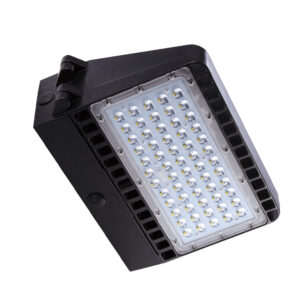
LED lighting, for instance, has become the industry standard due to its longevity and reduced energy consumption. According to industry reports, LED fixtures can reduce energy use by up to 75% compared to traditional incandescent bulbs, translating to substantial savings for end-users. Contractors who understand the nuances of LED technology, including color temperature, lumen output, and dimming capabilities, can better tailor solutions to client needs.
Moreover, the integration of smart lighting systems offers new opportunities. These systems provide enhanced control over lighting environments through automation, remote access, and adaptive settings. Lighting contractors who focus on mastering these technologies can position themselves as trusted advisors in a rapidly digitizing market.
In addition to energy efficiency and smart technology, the aesthetic aspects of lighting design have also evolved significantly. Modern consumers are increasingly interested in how lighting can enhance the ambiance of their spaces. This has led to a surge in demand for customizable lighting solutions that can adapt to different moods and activities. For instance, tunable white lighting allows users to adjust the color temperature throughout the day, mimicking natural daylight patterns and promoting well-being. Contractors who can offer insights into these design elements not only meet functional needs but also elevate the overall experience for their clients.
Furthermore, sustainability has emerged as a key consideration in lighting design and installation. With growing awareness of environmental issues, many clients are seeking solutions that minimize their carbon footprint. This has prompted the development of eco-friendly materials and energy-efficient designs, such as solar-powered lighting and fixtures made from recycled components. Lighting contractors who prioritize sustainable practices not only contribute to a healthier planet but also appeal to a conscientious consumer base that values corporate responsibility. By embracing these trends, contractors can differentiate themselves in a crowded marketplace and foster long-term relationships with clients who share their commitment to sustainability.
Energy Efficiency and Sustainability: A Growing Priority
Meeting Regulatory Demands
Energy codes and sustainability standards have tightened globally, compelling building owners and developers to prioritize energy-efficient lighting solutions. Lighting contractors must be well-versed in these regulations to ensure compliance and avoid costly retrofits. For example, many jurisdictions now require lighting systems to meet specific energy performance criteria, which often include the use of occupancy sensors, daylight harvesting, and high-efficiency fixtures.
Understanding these requirements allows contractors to guide clients through the complexities of code compliance, thereby enhancing project success rates and client satisfaction. Furthermore, staying updated on evolving regulations can provide contractors with a competitive edge, as they can proactively implement solutions that not only meet but exceed the minimum standards. This proactive approach can lead to long-term partnerships with clients who value expertise and foresight in navigating the regulatory landscape.
Environmental Responsibility and Market Expectations
Beyond regulatory compliance, sustainability has become a key consideration for many clients seeking to reduce their carbon footprint. Lighting contractors who emphasize eco-friendly solutions—such as recyclable materials, low mercury content, and energy-saving designs—can differentiate themselves in a crowded marketplace.
Additionally, corporate social responsibility initiatives increasingly influence purchasing decisions. Contractors who can demonstrate their commitment to sustainable practices often find greater acceptance among environmentally conscious clients. The integration of smart lighting technologies, which not only enhance energy efficiency but also improve user experience, is becoming a focal point. By offering solutions that allow for remote control and monitoring, contractors can help clients optimize their energy usage while also appealing to tech-savvy consumers who value innovation and convenience.
Moreover, as the demand for green building certifications, such as LEED and BREEAM, continues to rise, lighting contractors have an opportunity to play a pivotal role in helping clients achieve these prestigious accolades. By collaborating with architects and engineers early in the design process, contractors can ensure that lighting solutions are seamlessly integrated into the overall sustainability strategy, ultimately contributing to more resilient and environmentally friendly buildings.
Enhancing Safety and Compliance on Job Sites
Safety remains a paramount concern for lighting contractors, given the inherent risks associated with electrical installations and working at heights. A focused approach to safety protocols not only protects workers but also minimizes project delays and liability risks. With the increasing complexity of modern lighting systems, the importance of a robust safety culture cannot be overstated. Ensuring that all personnel are aware of potential hazards and equipped with the right knowledge is essential for fostering a proactive safety environment.
Contractors must ensure that all team members are trained in the latest safety standards, including proper use of personal protective equipment (PPE), lockout/tagout procedures, and ladder or scaffold safety. Regular safety audits and adherence to Occupational Safety and Health Administration (OSHA) guidelines help maintain a safe working environment. Additionally, implementing a comprehensive safety training program that includes hands-on demonstrations and simulations can significantly enhance workers’ understanding and retention of safety practices. Engaging employees in safety discussions and encouraging them to voice concerns can further contribute to a culture of safety on the job site.
Moreover, compliance with electrical codes such as the National Electrical Code (NEC) is critical. Contractors who prioritize code adherence avoid costly rework and uphold their professional reputation. Staying updated with the latest revisions and amendments to these codes is essential, as they often reflect advancements in technology and safety practices. Furthermore, fostering relationships with local inspectors can facilitate smoother inspections and ensure that all installations meet the required standards. By emphasizing both safety and compliance, contractors not only protect their workforce but also enhance their operational efficiency and project outcomes.
In addition to training and compliance, the use of technology can play a significant role in enhancing safety on job sites. Tools such as drones for site inspections and augmented reality applications for training can provide valuable insights and improve situational awareness. These technologies can help identify potential hazards before they become issues, allowing contractors to take proactive measures. Furthermore, incorporating project management software can streamline communication regarding safety protocols and ensure that all team members are on the same page regarding safety expectations and responsibilities.
Customer-Centric Project Management
Clear Communication and Expectation Setting
Effective communication is a cornerstone of successful lighting projects. Contractors who focus on transparent dialogue with clients from project inception through completion foster trust and reduce misunderstandings. This includes discussing project timelines, budget constraints, and potential challenges upfront.
Utilizing project management tools tailored to the construction and electrical industries can streamline communication and documentation, ensuring all stakeholders remain informed and aligned.
Customization and Flexibility
Clients increasingly demand lighting solutions that reflect their unique needs and aesthetics. Contractors who prioritize customization—whether through bespoke fixture design, tailored lighting controls, or adaptive installation techniques—can deliver superior results that enhance client satisfaction and generate repeat business.
Flexibility in accommodating last-minute changes or unforeseen site conditions also distinguishes top-performing contractors. A customer-centric approach that balances professionalism with adaptability is essential in today’s dynamic project environments.
Investing in Workforce Development and Training
The lighting industry’s rapid technological evolution necessitates ongoing education for contractors and their teams. Investing in workforce development ensures that personnel possess the skills needed to install, maintain, and troubleshoot advanced lighting systems effectively.
Training programs focusing on emerging technologies, safety practices, and regulatory updates empower contractors to deliver high-quality workmanship and innovative solutions. Additionally, certifications from recognized industry organizations enhance credibility and open doors to more complex and lucrative projects.
Contractors who prioritize workforce development also benefit from improved employee retention and morale, contributing to a more stable and skilled team.
Leveraging Digital Tools and Data Analytics
Digital transformation is reshaping how lighting contractors operate, from design and installation to maintenance and client engagement. Utilizing Building Information Modeling (BIM) and computer-aided design (CAD) software enables precise planning and reduces errors during installation.
Furthermore, data analytics derived from smart lighting systems provide actionable insights into energy usage patterns, maintenance needs, and occupant behavior. Contractors who incorporate these insights into their service offerings can deliver proactive maintenance and optimize lighting performance over time.
Embracing digital tools not only enhances operational efficiency but also positions contractors as forward-thinking partners in the eyes of clients.
Building Strong Industry Relationships and Networks
Successful lighting contractors recognize the value of cultivating robust relationships with manufacturers, suppliers, architects, and other trades. These partnerships facilitate access to the latest products, technical support, and collaborative opportunities that can enhance project outcomes.
Active participation in industry associations and trade shows keeps contractors informed about emerging trends and regulatory changes. Networking also fosters knowledge sharing and can lead to referrals and joint ventures that expand business opportunities.
By focusing on relationship-building, lighting contractors create a foundation for long-term success and resilience in a competitive market.
Conclusion: Why Focus Matters for Lighting Contractors
In an industry marked by rapid technological advancements, evolving regulations, and heightened client expectations, lighting contractors must maintain a sharp focus on multiple fronts. From mastering new technologies and ensuring safety compliance to delivering customized solutions and investing in workforce development, each area demands dedicated attention.
Contractors who embrace a comprehensive, focused approach not only improve project quality and client satisfaction but also position themselves as leaders in a dynamic market. Ultimately, this focus drives sustainable growth, enhances professional reputation, and secures a competitive edge in the lighting industry.
Illuminate Your Projects with LumenWholesale
As you strive to focus on the ever-evolving demands of the lighting industry, let LumenWholesale be your trusted partner in success. We provide lighting contractors with top-quality, spec-grade lighting products at unbeatable wholesale prices, ensuring you can deliver excellence to your clients without compromise. Our extensive selection is designed to meet the highest industry standards, so you can confidently tackle any project with reliable, high-performance lighting. Plus, with the convenience of free shipping on bulk orders, you can enjoy premium lighting at the best value — all without hidden fees. Elevate your lighting game and experience the perfect blend of quality, affordability, and convenience. Visit LumenWholesale today and secure the competitive edge your business deserves.