Understanding the Importance of Energy-Efficient Lighting in Modern Projects
Energy efficiency has become a cornerstone in the lighting industry, driven by rising energy costs, environmental concerns, and evolving regulations. For lighting contractors, integrating energy-efficient solutions is not just a trend but a necessity to meet client demands and comply with standards.
Lighting accounts for a significant portion of energy consumption in commercial and residential buildings. According to industry data, lighting can represent up to 20-30% of total electricity use in commercial spaces. This presents a substantial opportunity for contractors to optimize energy use and reduce operational costs through efficient lighting solutions.
Moreover, the push towards sustainability and green building certifications such as LEED and WELL has heightened the demand for lighting systems that minimize energy consumption without compromising performance. Contractors who are well-versed in energy-efficient lighting technologies can position themselves as valuable partners in sustainable building projects.
In addition to the financial benefits, energy-efficient lighting can significantly enhance the quality of light within a space. Technologies such as LED and smart lighting systems not only consume less power but also offer superior color rendering and adjustable brightness levels, allowing for a tailored lighting experience. This adaptability can improve the ambiance of a room, making it more conducive to productivity in office environments or creating a more inviting atmosphere in retail spaces. Furthermore, the longevity of energy-efficient fixtures means less frequent replacements, which translates to lower maintenance costs and reduced waste in landfills.
As the conversation around climate change continues to evolve, the role of lighting contractors in promoting energy-efficient solutions becomes increasingly critical. By adopting innovative technologies such as daylight harvesting systems and occupancy sensors, contractors can help clients maximize natural light usage and minimize energy waste. These advancements not only contribute to lower energy bills but also align with the growing consumer preference for environmentally responsible practices. As a result, contractors who embrace these technologies can differentiate themselves in a competitive market, showcasing their commitment to sustainability and modern design principles.
What Are Grow Lights and Why Are They Relevant to Lighting Contractors?
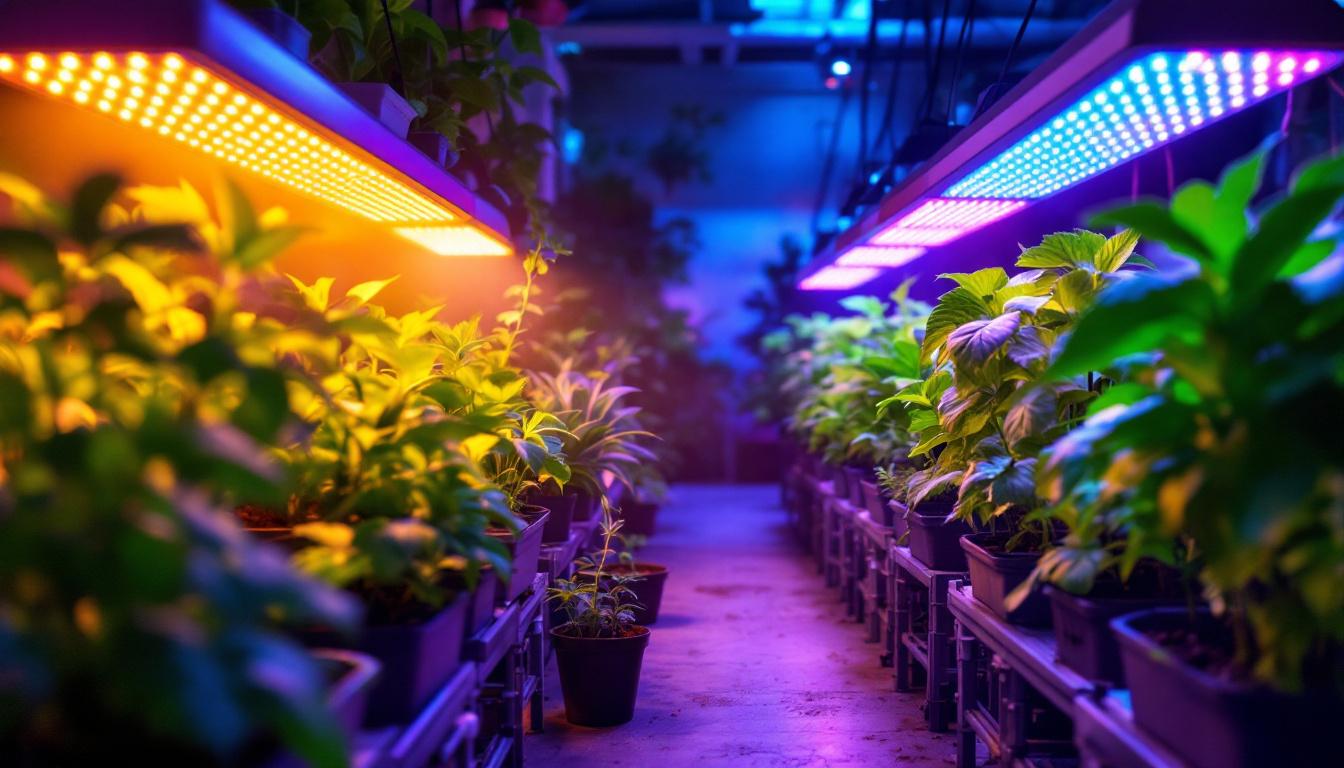
Grow lights are specialized lighting systems designed to support plant growth by providing the specific light spectrum plants need for photosynthesis. While traditionally associated with indoor horticulture and agriculture, the technology behind grow lights has significant implications for energy-efficient lighting in broader applications.
Lighting contractors may wonder how grow lights fit into their portfolio. The answer lies in the advanced LED technology and spectrum control that grow lights utilize. These features align closely with the principles of energy efficiency and precise lighting control, which are increasingly important in architectural and commercial lighting projects.
By understanding grow light technology, contractors can expand their expertise in LED systems, learn about spectrum tuning, and explore innovative lighting solutions that optimize energy use. This knowledge can also open doors to niche markets such as indoor agriculture, controlled environment farming, and even biophilic design projects.
Moreover, the rise of urban farming and vertical gardens has created a demand for effective grow lights in non-traditional settings, such as restaurants and residential homes. These environments often require tailored lighting solutions that not only promote plant health but also enhance the aesthetic appeal of the space. For instance, lighting contractors can integrate grow lights into interior design, allowing homeowners to cultivate herbs or decorative plants indoors without compromising on style or functionality.
Additionally, as sustainability becomes a priority in construction and renovation projects, grow lights present an opportunity for contractors to advocate for greener practices. With their ability to reduce energy consumption and support local food production, grow lights can be positioned as a vital component of eco-friendly building initiatives. This alignment with sustainable values can not only attract environmentally conscious clients but also contribute to the overall health and well-being of urban communities by promoting local food sources and reducing transportation emissions associated with traditional agriculture.
Key Features of Energy-Efficient Grow Lights
Advanced LED Technology
Modern grow lights predominantly use LED technology, which offers superior energy efficiency compared to traditional lighting methods like incandescent or fluorescent bulbs. LEDs convert a higher percentage of electrical energy into usable light, reducing wasted energy and heat.
For lighting contractors, familiarity with LED grow lights means understanding their longevity, energy consumption, and maintenance requirements. LEDs typically have lifespans exceeding 50,000 hours, which translates into fewer replacements and lower maintenance costs over time.
Spectrum Control and Customization
One of the standout features of grow lights is their ability to emit specific wavelengths tailored to plant needs. This spectrum control ensures that energy is not wasted on unnecessary light frequencies, enhancing efficiency.
In broader lighting applications, spectrum tuning can improve occupant comfort, productivity, and well-being by mimicking natural light patterns. Contractors who grasp these concepts can recommend lighting solutions that balance energy efficiency with human-centric design.
Heat Management
Efficient heat dissipation is critical in grow lights to maintain optimal performance and prevent damage. Many grow light systems incorporate advanced cooling technologies such as heat sinks and fans to manage thermal output.
Understanding heat management principles helps contractors ensure that lighting installations remain safe and efficient, especially in confined or sensitive environments where heat buildup can be problematic.
Energy Savings and Cost Benefits for Clients
Energy-efficient grow lights can significantly reduce electricity consumption, which translates into cost savings for clients. For commercial growers, energy costs are often one of the largest operational expenses, making efficient lighting a key factor in profitability.
For contractors working on commercial or institutional projects, recommending energy-efficient lighting solutions can enhance client satisfaction by lowering utility bills and reducing carbon footprints. Additionally, many regions offer incentives and rebates for installing energy-efficient lighting, which contractors should be aware of to maximize client benefits.
By integrating grow light technology principles into general lighting design, contractors can deliver solutions that optimize energy use, improve lighting quality, and provide measurable returns on investment.
How Lighting Contractors Can Leverage Grow Light Technology
Expanding Service Offerings
Lighting contractors can diversify their services by incorporating grow light expertise, especially as indoor agriculture and controlled environment farming continue to grow. This specialization can differentiate contractors in a competitive market and attract new clients.
Additionally, knowledge of spectrum tuning and LED technology can enhance traditional lighting projects, allowing contractors to offer tailored solutions that improve energy efficiency and occupant experience.
Staying Ahead with Training and Certification
To effectively integrate grow light technology and energy-efficient lighting solutions, contractors should pursue relevant training and certifications. Programs offered by lighting manufacturers, industry associations, and energy efficiency organizations provide valuable technical knowledge and practical skills.
Certifications such as the Certified Lighting Efficiency Professional (CLEP) or specialized horticultural lighting credentials can bolster credibility and demonstrate commitment to best practices in energy-efficient lighting.
Collaborating with Manufacturers and Suppliers
Building strong relationships with grow light manufacturers and suppliers can provide contractors with access to the latest products, technical support, and training resources. These partnerships can also facilitate customized solutions tailored to specific project requirements.
Contractors should seek suppliers who prioritize innovation and sustainability, ensuring that the products they recommend align with energy efficiency goals and client expectations.
Challenges and Considerations in Implementing Grow Light Solutions
Initial Investment and ROI Analysis
While energy-efficient grow lights offer long-term savings, the upfront cost can be higher than traditional lighting systems. Contractors must help clients perform thorough return on investment (ROI) analyses to justify the initial expenditure.
Highlighting factors such as reduced energy bills, lower maintenance costs, and potential incentives can support decision-making and facilitate project approval.
Design Complexity and Integration
Incorporating grow lights or advanced LED systems requires careful design to ensure optimal light distribution, spectrum balance, and heat management. Lighting contractors must collaborate closely with architects, engineers, and horticultural experts when applicable.
Proper integration ensures that lighting systems perform as intended, maximizing energy efficiency and achieving desired outcomes.
Regulatory Compliance and Standards
Contractors must stay informed about local and national regulations related to energy efficiency, lighting performance, and safety. Compliance with standards such as ASHRAE 90.1, Title 24, or other regional codes is essential to avoid penalties and ensure project success.
Understanding how grow light technology fits within these frameworks enables contractors to recommend compliant and effective solutions.
Future Trends in Energy-Efficient Lighting and Grow Light Technology
The lighting industry is rapidly evolving, with continuous advancements in LED efficiency, smart controls, and spectrum customization. Grow light technology is at the forefront of these innovations, influencing broader lighting applications.
Emerging trends include integration with Internet of Things (IoT) systems for real-time monitoring and adaptive lighting control, enhancing both energy savings and user experience. Additionally, developments in organic LEDs (OLEDs) and quantum dot technology promise even greater efficiency and spectrum precision.
For lighting contractors, staying abreast of these trends is crucial to maintaining competitive advantage and delivering cutting-edge solutions that meet the evolving needs of clients.
Conclusion: Why Grow Light Knowledge Is Essential for Lighting Contractors
Energy-efficient lighting is a critical component of modern building design and operation. Grow light technology, with its advanced LED systems, spectrum control, and energy-saving features, offers valuable insights and tools for lighting contractors aiming to excel in this field.
By embracing grow light principles, contractors can enhance their technical expertise, expand service offerings, and deliver superior energy-efficient solutions that benefit clients and the environment alike. Staying informed about industry trends, investing in training, and fostering strong supplier relationships will position contractors for success in the dynamic lighting market.
Illuminate Your Projects with LumenWholesale
Ready to elevate your lighting game with the latest in energy-efficient grow light technology? Look no further than LumenWholesale, where we provide contractors with the highest quality, spec-grade lighting products at unbeatable wholesale prices. Say goodbye to middleman markups and hello to a vast selection of reliable, high-performance lighting that meets the most rigorous industry standards. With LumenWholesale, bulk buying is a breeze, thanks to our hassle-free process and free shipping. Don’t compromise on quality or value—visit LumenWholesale for Wholesale Lighting at the Best Value and bring unparalleled efficiency and style to every project.