The Critical Role of Stair Lighting in Basement Safety
Basement stairs often represent one of the most overlooked areas when it comes to lighting design. For lighting contractors, understanding the importance of properly illuminating these spaces is essential—not only for aesthetic reasons but, more importantly, for safety and compliance. Basements are frequently dim, enclosed areas where natural light is minimal or nonexistent. Without adequate lighting, basement stairs can become hazardous, increasing the risk of slips, trips, and falls.
Statistics from safety organizations consistently highlight stair-related accidents as a common cause of home injuries. Poorly lit stairways contribute significantly to these incidents, especially in basements where visibility is limited. For lighting contractors, this underscores the need to prioritize stair lighting solutions that enhance visibility and reduce accident risks.
Understanding the Safety Risks
Basement stairs are often steep, narrow, and enclosed by walls, which can create shadows and dark spots. These factors make it difficult for users to judge step depth and height accurately. Inadequate lighting exacerbates these challenges, particularly for elderly individuals or those with impaired vision. For contractors, recognizing these risks is the first step in designing effective lighting strategies that mitigate hazards.
Moreover, basement stairs are sometimes used infrequently, which means occupants may be less familiar with their layout. This unfamiliarity combined with poor lighting can increase the likelihood of accidents. Lighting contractors must consider these human factors when planning installations. The use of motion-sensor lights can be particularly beneficial in these scenarios, automatically illuminating the stairs as someone approaches, thus ensuring that the area is always well-lit when in use. Additionally, incorporating features such as illuminated handrails or step lights can further enhance safety by providing clear visual cues that guide users safely up and down the stairs.
Another important aspect to consider is the color temperature of the lighting used. Warmer light tones can create a more inviting atmosphere, while cooler tones can enhance visibility. Contractors should aim for a balance that not only ensures safety but also complements the overall aesthetic of the basement. Furthermore, the placement of light fixtures is crucial; strategically positioning lights to minimize shadows and maximize coverage can significantly improve the safety of basement stairs. By taking these factors into account, lighting contractors can create a well-lit environment that not only prevents accidents but also enhances the usability and comfort of basement spaces.
Key Lighting Considerations for Basement Stairs
Lighting basement stairs requires a thoughtful approach that balances functionality, aesthetics, and energy efficiency. Contractors must evaluate the space carefully, considering stair dimensions, wall colors, ceiling height, and existing electrical infrastructure. Each of these factors influences the choice of lighting fixtures, placement, and control systems. Additionally, it’s important to consider the overall design theme of the basement, as the lighting should integrate seamlessly with the decor to create a cohesive look.
Fixture Selection and Placement
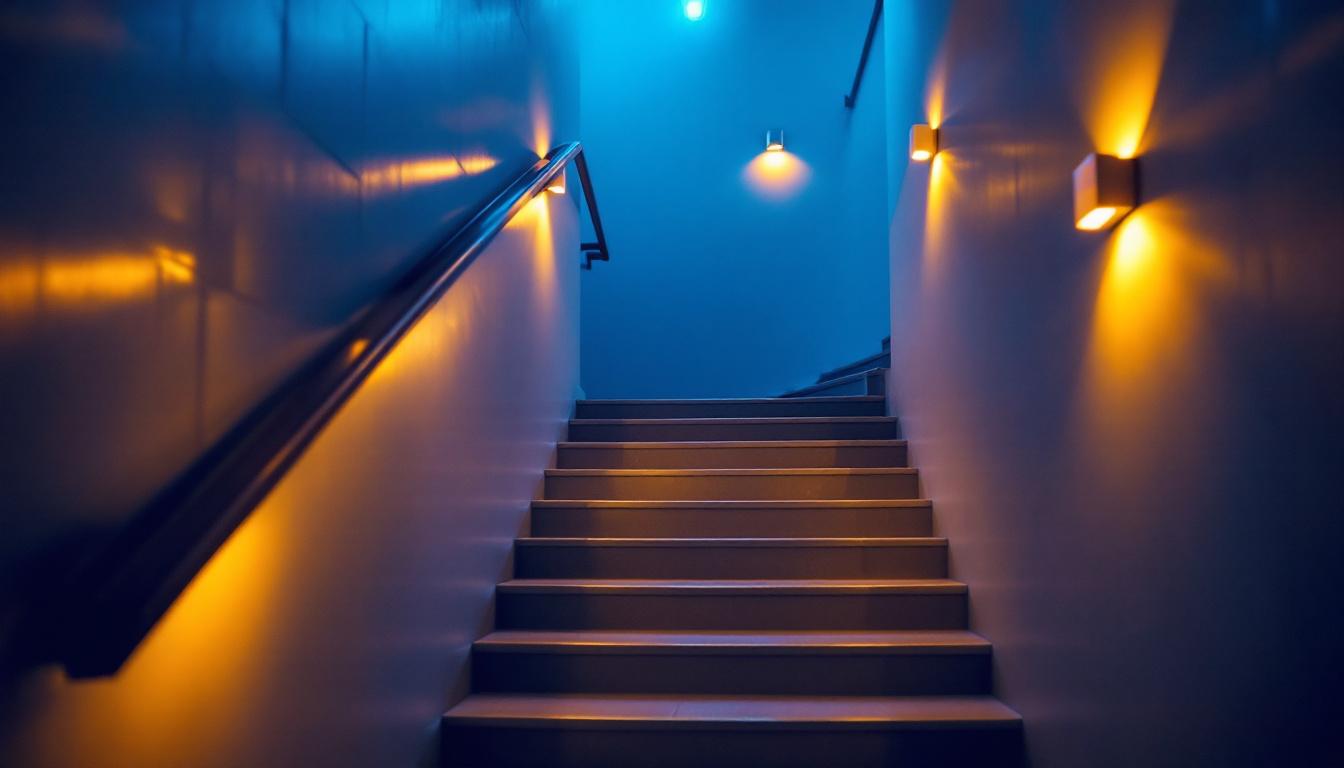
Choosing the right type of fixture is crucial. Recessed lights, wall sconces, and LED strip lights are popular options for basement stairs. Recessed lights installed in the ceiling provide even, unobtrusive illumination. Wall sconces can add both style and function by casting light directly onto the stair treads. LED strip lights mounted beneath handrails or along stair nosings offer continuous, low-level lighting that enhances safety without glare. Moreover, smart lighting options, such as motion sensors or dimmable fixtures, can enhance convenience and energy efficiency, allowing homeowners to customize their lighting based on usage patterns.
Placement is equally important. Lights should be positioned to minimize shadows and glare while ensuring each step is clearly visible. For example, a combination of overhead lighting and stair tread illumination can provide comprehensive coverage. Contractors should avoid placing fixtures directly opposite the stairs, as this can create blinding reflections or deep shadows. Furthermore, considering the use of light fixtures with adjustable angles can help direct light where it’s most needed, adapting to any changes in the space or user preferences over time.
Lighting Levels and Color Temperature
Illuminance levels for stairways should comply with recommended standards to ensure safety. Generally, a minimum of 100 lux on each stair tread is advisable, but this may vary depending on the basement’s ambient lighting and the client’s needs. Contractors should use a light meter or rely on manufacturer specifications to achieve appropriate brightness. It’s also beneficial to assess the potential for natural light sources, such as windows or light wells, which can influence the overall lighting strategy and reduce reliance on artificial lighting during the day.
Color temperature also affects visibility and ambiance. Warm white light (2700K–3000K) creates a welcoming atmosphere, while cooler white light (3500K–4000K) can enhance contrast and clarity. For basement stairs, a neutral to slightly cool white light often works best to improve depth perception without feeling harsh. Additionally, incorporating color-changing LED options can allow homeowners to adjust the mood of the space for different occasions, enhancing the versatility of the basement area as a whole. This adaptability can transform a simple stairway into a dynamic feature that complements the overall design while prioritizing safety and functionality.
Energy Efficiency and Control Solutions
Energy efficiency is a growing priority for lighting contractors and homeowners alike. Basement stair lighting, while essential, should not lead to unnecessary energy consumption. Incorporating energy-efficient fixtures and smart controls can optimize performance and reduce costs over time. As energy prices continue to rise, the importance of implementing sustainable practices becomes increasingly evident. Homeowners are not only looking to save on their utility bills but also to contribute to a more sustainable future by reducing their overall carbon footprint.
LED Technology Advantages
LED lighting is the preferred choice for basement stairs due to its longevity, low heat output, and energy efficiency. Compared to traditional incandescent or halogen bulbs, LEDs consume significantly less power and require less frequent replacement. This reduces maintenance demands, which is particularly beneficial in basement environments that may be harder to access. Furthermore, the durability of LED fixtures means they are less likely to break or fail, making them an ideal choice for high-traffic areas like stairways.
Additionally, LEDs offer versatility in color rendering and dimming capabilities, allowing contractors to tailor lighting to specific client preferences and functional requirements. This adaptability can create a more inviting atmosphere, enhancing the aesthetic appeal of the basement space. Homeowners can choose warmer tones for a cozy feel or cooler tones for a more modern look, depending on their personal style and the overall design of their home.
Smart Controls and Automation
Integrating motion sensors, timers, or smart home systems can enhance both safety and convenience. Motion-activated lighting ensures that basement stairs are illuminated only when in use, preventing energy waste. Timers can be programmed to turn lights off after a set period, while smart controls allow remote operation and customization via mobile devices. This level of control not only improves energy efficiency but also adds a layer of security, as homeowners can program lights to simulate occupancy when they are away, deterring potential intruders.
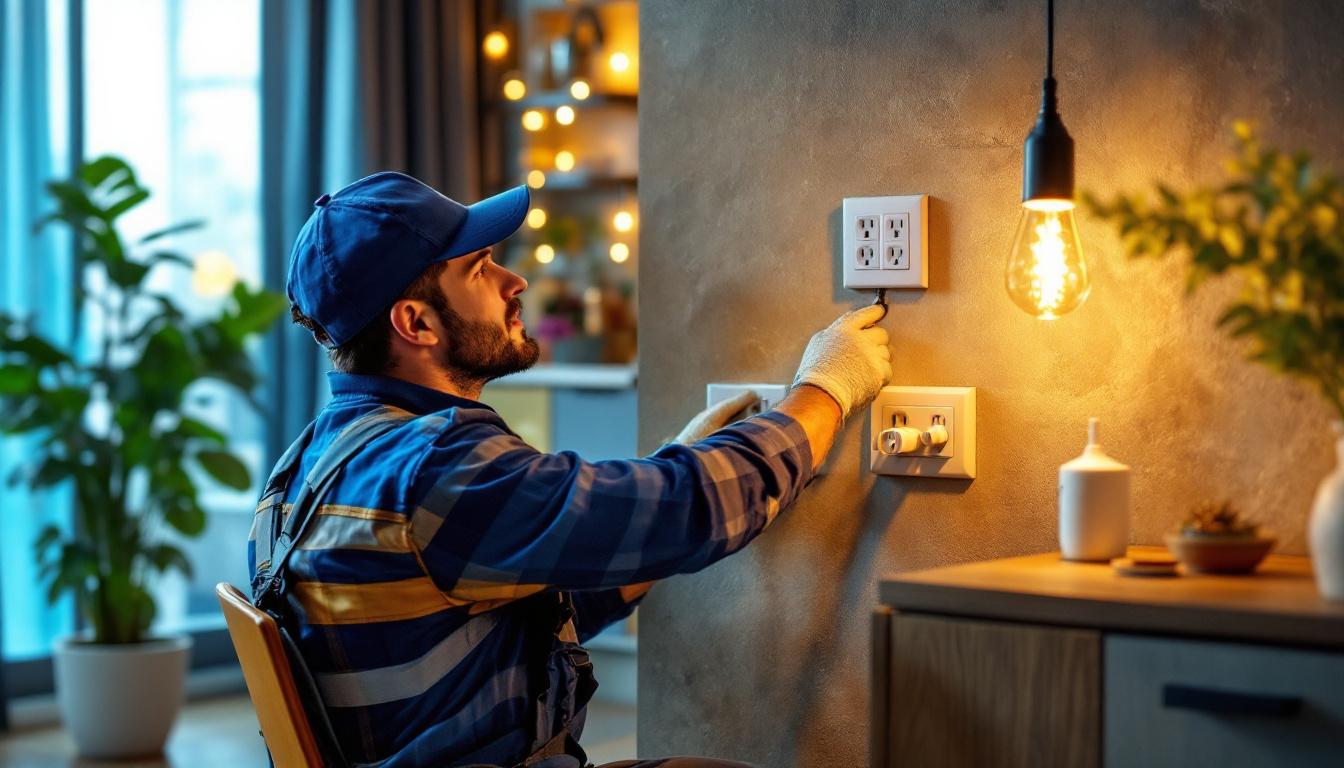
For lighting contractors, recommending and installing these technologies adds value to their services and meets growing consumer demand for smart, sustainable home solutions. As the market for smart home devices continues to expand, staying informed about the latest advancements in lighting technology can position contractors as leaders in the industry. By offering comprehensive solutions that include energy-efficient fixtures and smart controls, contractors can help homeowners create safer, more efficient living spaces that align with modern lifestyle needs.
Compliance with Building Codes and Standards
Lighting contractors must be well-versed in local building codes and safety standards that govern stair lighting. These regulations are designed to protect occupants by setting minimum requirements for illumination, fixture placement, and emergency lighting.
Relevant Codes and Guidelines
Most jurisdictions require stairways, including basement stairs, to have adequate lighting that is permanently installed and controlled by a switch located at the top and bottom of the stairs. The International Residential Code (IRC) and similar standards specify minimum illumination levels and fixture types suitable for stairways.
Contractors should also be aware of accessibility guidelines, such as those outlined in the Americans with Disabilities Act (ADA), which may influence lighting choices in commercial or multi-family residential buildings.
Inspection and Documentation
Proper documentation of lighting installations is essential for code compliance and client assurance. Lighting contractors should maintain detailed records of fixture specifications, placement plans, and control systems. This documentation facilitates inspections and can be valuable for future maintenance or upgrades.
Enhancing Aesthetics and Client Satisfaction
While safety and compliance are paramount, basement stair lighting also offers opportunities to enhance the overall aesthetic appeal of a home or building. Thoughtful lighting design can transform an otherwise utilitarian space into an inviting and visually appealing area.
Design Trends and Creative Solutions
Contemporary lighting trends favor minimalist fixtures, layered lighting, and the use of color to create mood and depth. Lighting contractors can collaborate with interior designers or architects to develop custom solutions that complement the basement’s style and function.
For example, integrating LED strip lights along stair risers can produce a floating effect, while wall-mounted fixtures with decorative shades add character. Using dimmable lighting allows occupants to adjust brightness according to time of day or activity, enhancing comfort and ambiance.
Client Education and Communication
Educating clients about the benefits of proper basement stair lighting fosters trust and satisfaction. Contractors should explain how lighting choices impact safety, energy use, and aesthetics, helping clients make informed decisions. Providing visual examples, such as before-and-after photos or lighting simulations, can be particularly persuasive.
Conclusion: Why Lighting Contractors Must Prioritize Basement Stair Lighting
For lighting contractors, basement stair lighting is far more than a routine installation task. It is a critical component of home safety, energy efficiency, regulatory compliance, and design excellence. By approaching basement stair lighting with a comprehensive understanding of safety risks, technical requirements, and client needs, contractors can deliver solutions that protect occupants and elevate the value of their work.
In an industry where attention to detail and innovation are key, mastering basement stair lighting sets contractors apart as trusted professionals who prioritize both function and form. The investment in quality lighting design for basement stairs pays dividends in reduced accidents, satisfied clients, and enhanced reputation.
Illuminate Your Projects with LumenWholesale
Ready to enhance the safety and aesthetics of your basement stair lighting projects while ensuring compliance and energy efficiency? Look no further than LumenWholesale for all your lighting needs. Our extensive selection of spec-grade lighting products is designed to meet the highest industry standards, providing you with reliable, high-performance lighting at unbeatable wholesale prices. Say goodbye to inflated markups and hidden fees with our hassle-free bulk buying options and free shipping. Elevate your lighting installations today and experience the ultimate value in quality and convenience. Discover the difference with Wholesale Lighting at the Best Value at LumenWholesale.