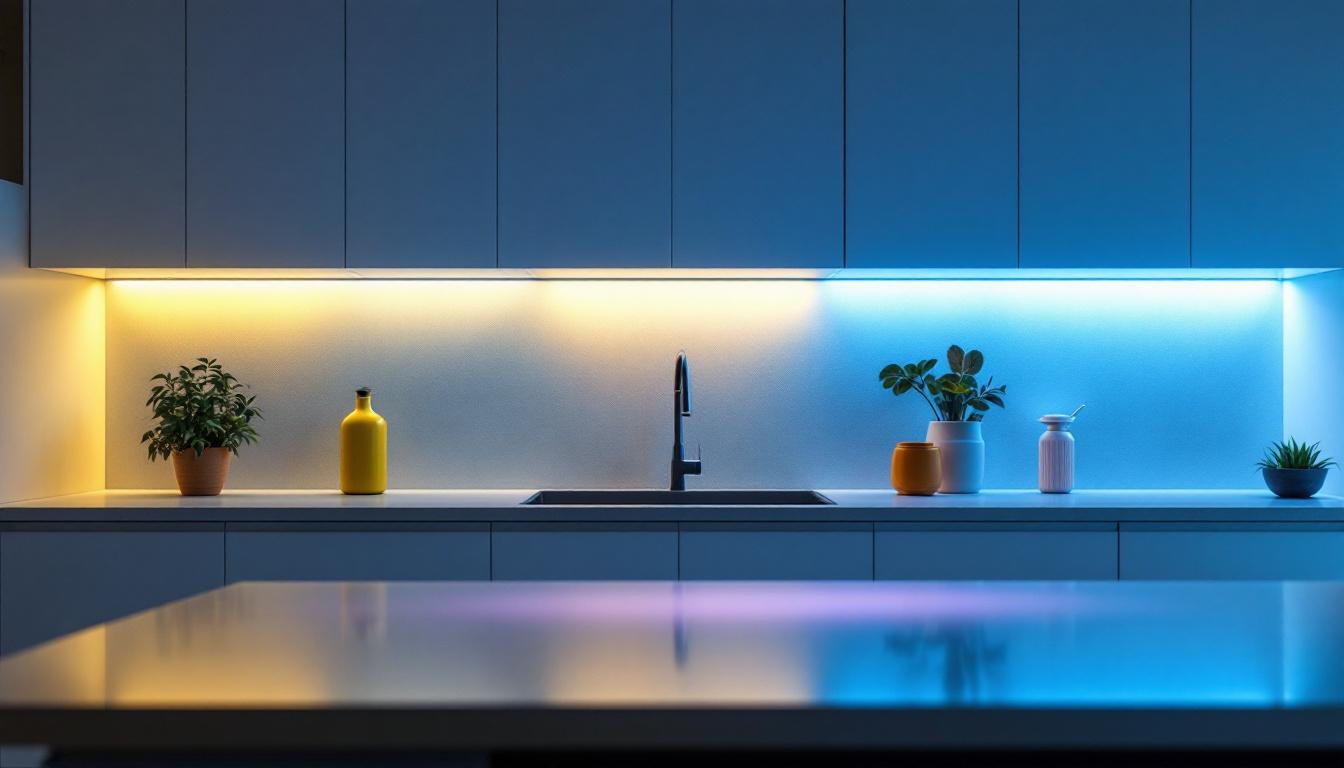
Lighting contractors operate in a competitive market where efficiency, cost control, and quality are paramount. One of the most significant factors influencing project budgets and profitability is the choice of light fixtures. Understanding the various types of fixtures and their implications on installation, maintenance, and energy consumption can empower contractors to reduce costs effectively while delivering superior results to clients.
This article explores the different kinds of light fixtures commonly used in commercial and residential projects, highlighting how strategic selection and application can lead to substantial cost savings for lighting contractors.
Understanding the Types of Light Fixtures
Light fixtures come in a variety of styles and configurations, each suited to specific environments and purposes. The primary categories include recessed, surface-mounted, pendant, track, and wall-mounted fixtures. Each type presents unique advantages and challenges that impact labor, materials, and long-term operational costs.
Recessed Light Fixtures
Recessed fixtures, also known as can lights or downlights, are installed into ceilings, creating a clean, streamlined look. These fixtures are popular in both commercial and residential settings due to their minimal visual impact and versatility.
From a contractor’s perspective, recessed lighting can reduce costs by minimizing the need for bulky fixture housings and trim work. However, installation requires precise ceiling cuts and electrical wiring within confined spaces, which can increase labor time if not planned properly.
Choosing LED recessed fixtures with integrated drivers can further reduce costs by lowering energy consumption and extending fixture lifespan, minimizing maintenance visits. Moreover, the ability to dim these fixtures enhances their functionality, allowing homeowners to create different moods and atmospheres in a space, from bright task lighting to soft ambient light for relaxation.
Surface-Mounted Light Fixtures
Surface-mounted fixtures attach directly to ceilings or walls, making them easier to install compared to recessed options. They are especially useful in spaces where ceiling cavities are shallow or inaccessible.
For lighting contractors, surface-mounted fixtures often translate to lower installation labor costs and faster project completion. Additionally, these fixtures are generally easier to maintain and replace, which can be a selling point for clients concerned about long-term upkeep expenses. The variety of designs available, from sleek modern styles to more traditional looks, allows for customization that can enhance the overall aesthetic of a room.
Furthermore, surface-mounted fixtures can also serve as statement pieces, adding a layer of design flair to a space. Their versatility in placement allows for creative lighting solutions, such as creating a layered lighting effect by combining different types of fixtures in a single area.
Pendant Light Fixtures
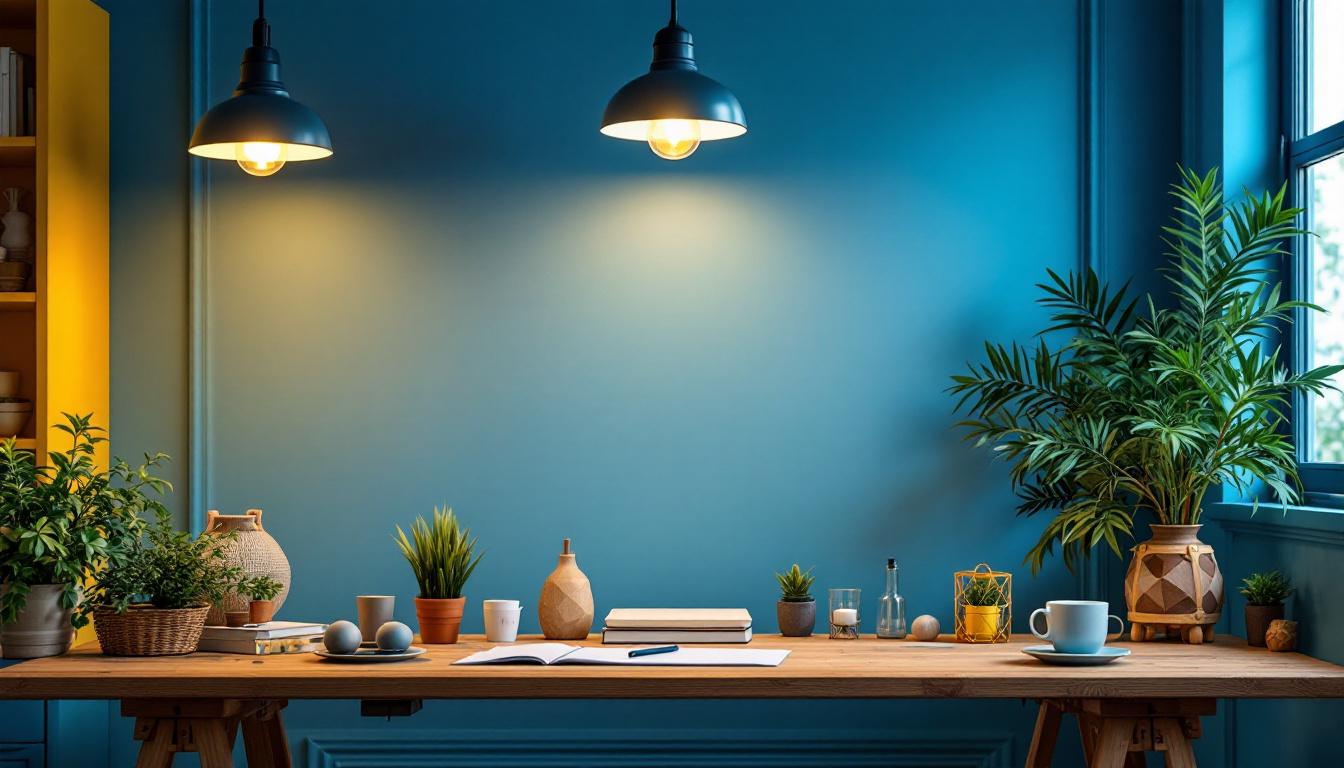
Pendant fixtures hang from the ceiling by rods, chains, or cords and are commonly used for task lighting or decorative purposes. Their design allows for flexibility in directing light where it’s needed most.
While pendants can sometimes require more complex wiring and mounting hardware, selecting modular or adjustable models can simplify installation and reduce labor costs. Contractors can also leverage pendant fixtures to add aesthetic value to projects, potentially commanding higher fees without significantly increasing material costs. The wide range of styles and finishes available means that pendants can complement various interior design themes, from industrial to bohemian.
Moreover, pendant lighting can be used to create focal points in a room, such as over kitchen islands or dining tables, drawing the eye and enhancing the overall design. The ability to mix and match different pendant styles can also lead to unique and personalized lighting arrangements that reflect the homeowner’s taste.
Track Lighting Fixtures
Track lighting systems consist of a continuous track that holds multiple adjustable light heads. This system offers high flexibility in positioning and directing light, making it ideal for retail, gallery, or office environments.
For contractors, track lighting can reduce the number of electrical circuits needed, as multiple fixtures share a single power source. This can lower wiring complexity and material costs. Additionally, track lighting’s adaptability means fewer fixture replacements or relocations over time, reducing maintenance expenses. The ability to easily reposition the light heads allows users to change the focus of the lighting as their needs evolve, making it a practical choice for dynamic spaces.
Furthermore, track lighting can also accommodate various bulb types, including energy-efficient LEDs, which can significantly lower energy costs. This flexibility not only enhances functionality but also allows for creative lighting designs that can highlight artwork or architectural features in a space.
Wall-Mounted Light Fixtures
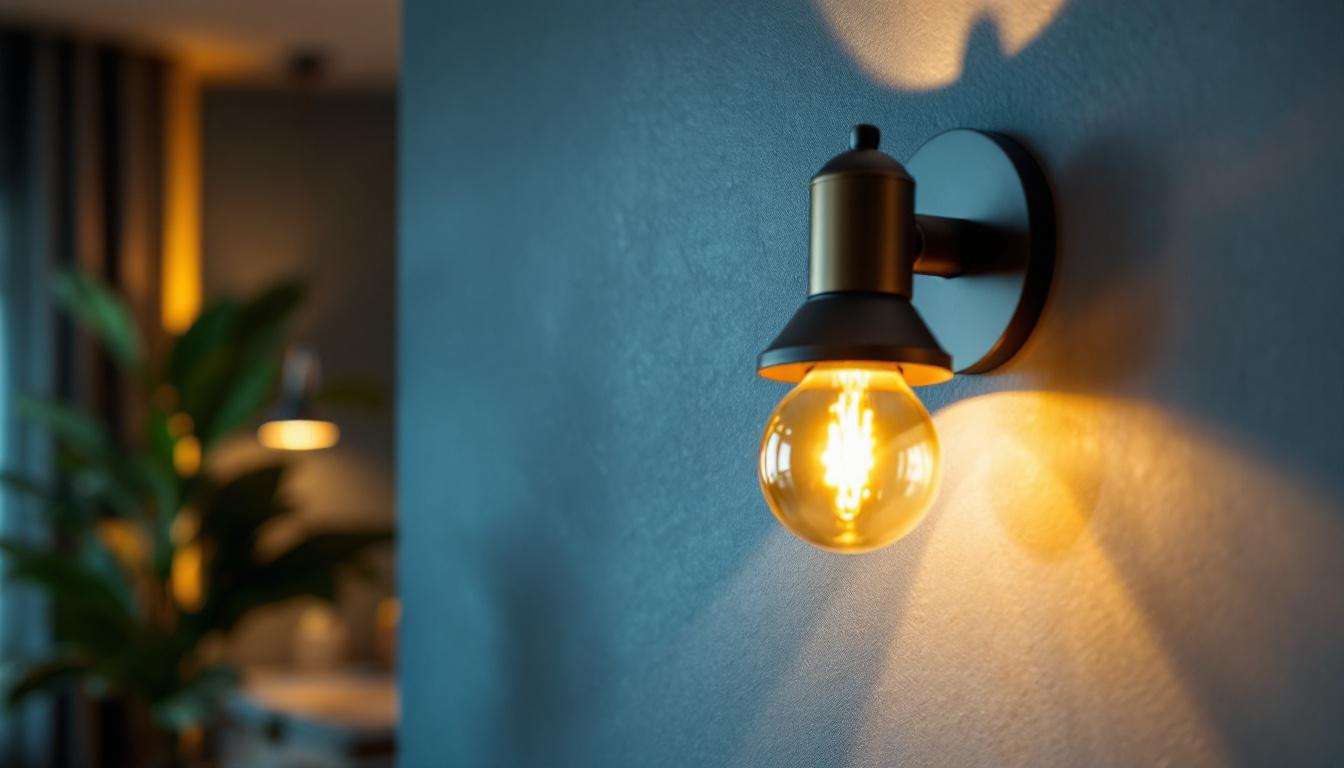
Wall-mounted fixtures, including sconces and vanity lights, provide accent or task lighting while contributing to interior design. They are typically easier to install than ceiling fixtures, especially in retrofit projects.
Contractors can benefit from the straightforward installation process and the opportunity to upsell decorative fixtures that enhance client satisfaction. Selecting energy-efficient models with long-lasting bulbs can also help reduce operational costs for clients, strengthening the contractor’s value proposition. Wall-mounted fixtures can also be strategically placed to improve the functionality of a space, such as providing illumination in hallways or enhancing the ambiance in living areas.
Additionally, the variety of wall-mounted fixtures available allows for a wide range of design possibilities, from minimalist designs that blend seamlessly into the background to bold, artistic pieces that serve as conversation starters. This versatility not only meets practical lighting needs but also allows homeowners to express their personal style through their lighting choices.
Cost-Saving Benefits of Choosing the Right Fixtures
Beyond the initial purchase price, the choice of light fixtures influences several cost factors throughout a project’s lifecycle. Lighting contractors who understand these implications can optimize both upfront and long-term expenses.
Reduced Installation Time and Labor Costs
Fixtures designed for ease of installation can significantly cut labor hours. For example, surface-mounted and modular fixtures often come with pre-wired components or snap-in connectors, reducing the complexity of electrical work.
Recessed fixtures with integrated LED modules can eliminate the need for separate ballast installation or bulb replacement, simplifying the process. Contractors who prioritize fixtures with user-friendly designs can accelerate project timelines and reduce labor costs, improving overall profitability.
Lower Energy Consumption
Energy-efficient fixtures, particularly those utilizing LED technology, can dramatically reduce electricity costs for end-users. This benefit enhances the contractor’s reputation for delivering sustainable solutions, which is increasingly important in competitive bids.
Moreover, some fixtures come with built-in sensors or dimming capabilities, allowing for smart lighting control. These features can further decrease energy use, providing clients with ongoing savings and reducing the likelihood of costly retrofits.
Minimized Maintenance and Replacement Expenses
Fixtures with longer lifespans and durable construction reduce the frequency of maintenance visits and replacements. This is especially valuable in commercial settings where downtime can disrupt operations and incur additional costs.
Lighting contractors can advise clients on selecting fixtures with robust materials and easy-to-replace components, positioning themselves as trusted advisors who prioritize long-term value.
Material and Inventory Management
Standardizing fixture types across multiple projects can streamline inventory management and bulk purchasing, leading to volume discounts and reduced storage costs. Contractors who develop strong supplier relationships and maintain consistent product lines can leverage these efficiencies to lower material expenses.
Practical Strategies for Lighting Contractors to Reduce Costs
Beyond selecting the right fixtures, lighting contractors can implement several strategies to maximize cost savings throughout their projects.
Conduct Thorough Site Assessments
Understanding the specific lighting needs and constraints of each site allows contractors to recommend the most appropriate fixture types and configurations. This reduces the risk of costly changes during installation and ensures optimal fixture performance.
Leverage Energy Codes and Incentives
Many jurisdictions offer rebates or incentives for installing energy-efficient lighting systems. Contractors who stay informed about these programs can pass savings on to clients or incorporate them into project bids, making their services more competitive.
Train Installation Teams on Fixture-Specific Techniques
Investing in training for installation crews on the nuances of different fixture types enhances efficiency and reduces errors. Skilled teams complete work faster and with fewer callbacks, directly impacting labor costs and client satisfaction.
Use Lighting Design Software
Advanced lighting design tools enable contractors to simulate fixture placement and performance before installation. This reduces guesswork, prevents over-specification, and helps optimize fixture selection for both cost and lighting quality.
Case Studies: Cost Reduction Through Fixture Selection
Real-world examples illustrate how thoughtful fixture choices can lead to measurable cost savings for lighting contractors.
Commercial Office Retrofit
A lighting contractor working on a large office retrofit replaced outdated fluorescent troffers with LED recessed fixtures featuring integrated controls. This change reduced installation time by 20% due to simplified wiring and eliminated the need for separate ballasts.
Energy consumption dropped by nearly 50%, qualifying the project for utility rebates. Maintenance costs also decreased as the LED modules had a lifespan exceeding 50,000 hours, minimizing bulb replacements.
Retail Store Track Lighting Upgrade
In a retail environment, switching from fixed downlights to adjustable track lighting allowed the contractor to reduce the number of fixtures by strategically positioning light heads. This lowered material costs and simplified electrical circuits.
The flexibility of track lighting enabled the store to adapt lighting layouts for seasonal displays without additional installations, reducing future labor expenses.
Conclusion
For lighting contractors, understanding the kinds of light fixtures and their associated cost implications is essential for delivering value-driven projects. By selecting fixtures that balance aesthetics, functionality, and efficiency, contractors can reduce installation labor, lower energy consumption, and minimize maintenance costs.
Implementing strategic planning, leveraging technology, and maintaining supplier partnerships further enhance cost savings. Ultimately, these practices not only improve profitability but also strengthen client relationships by providing sustainable, high-quality lighting solutions.
Illuminate Your Projects with LumenWholesale
Ready to enhance your lighting projects while keeping costs down? Look no further than LumenWholesale for a vast array of spec-grade lighting products designed to meet your every need. Say goodbye to inflated markups and hello to unbeatable wholesale prices, quality you can trust, and the convenience of free shipping on bulk orders. Elevate your lighting game and give your clients the best value by choosing Wholesale Lighting at the Best Value with LumenWholesale. Start browsing our selection today and light up your projects with confidence.