Introduction to Commercial Motion Detector Light Switches
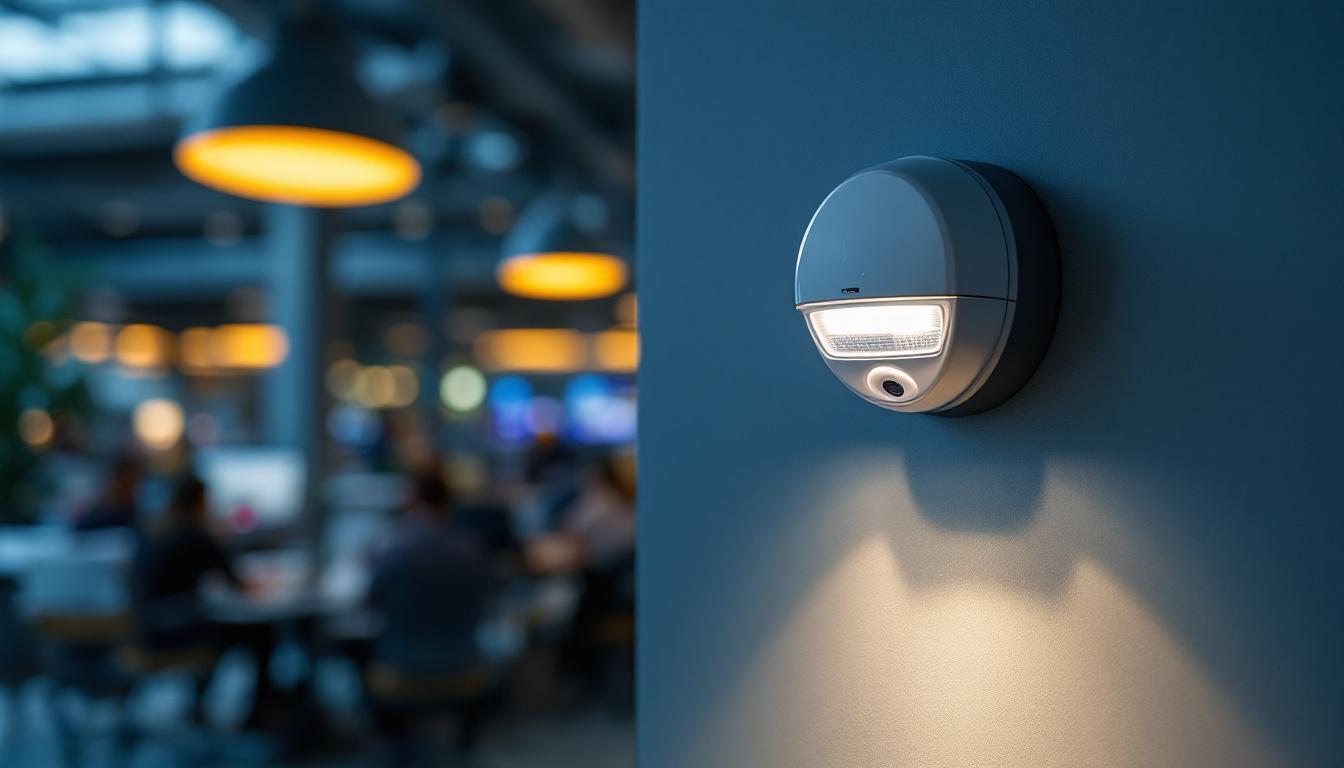
Commercial motion detector light switches have revolutionized the way lighting is managed in commercial spaces. These devices automatically control lighting based on occupancy, reducing energy waste and enhancing convenience. For lighting contractors, understanding how to optimize these systems is crucial to delivering efficient, cost-effective, and sustainable lighting solutions to clients.
In commercial environments such as offices, warehouses, retail stores, and public buildings, lighting can account for a significant portion of energy consumption. Motion detector switches help mitigate this by ensuring lights operate only when needed. However, maximizing their efficiency requires careful selection, installation, and configuration tailored to the specific application.
One of the key benefits of motion detector light switches is their ability to adapt to various environments. For instance, in a retail setting, these switches can be programmed to turn on lights when customers enter a store, creating a welcoming atmosphere while conserving energy during off-peak hours. In contrast, in a warehouse, motion detectors can help illuminate vast spaces only when personnel are present, significantly reducing electricity costs. This adaptability not only enhances the user experience but also aligns with growing sustainability goals in the commercial sector.
Moreover, advancements in technology have led to the development of more sophisticated motion detectors that utilize infrared, ultrasonic, or dual-technology sensors. These innovations allow for improved detection accuracy and reduced false triggers, which can be particularly beneficial in spaces with high ceilings or complex layouts. Additionally, many modern systems offer integration with smart building technologies, enabling remote monitoring and control, which further enhances energy management capabilities. As businesses increasingly prioritize energy efficiency and sustainability, the role of motion detector light switches in optimizing lighting systems becomes even more vital.
Understanding the Technology Behind Motion Detector Light Switches
Types of Sensors Used
Motion detector light switches rely primarily on two types of sensors: Passive Infrared (PIR) sensors and Ultrasonic sensors. PIR sensors detect heat emitted by moving bodies, making them ideal for environments with clear line-of-sight and stable temperature conditions. Ultrasonic sensors emit high-frequency sound waves and detect changes in the reflected waves caused by movement, making them suitable for areas with obstacles or where motion is subtle.
Some advanced commercial switches combine both sensor types to increase accuracy and reduce false triggers. Understanding the strengths and limitations of each sensor type helps contractors recommend the best solution for a given space. For instance, while PIR sensors are effective in open areas, they may struggle in spaces with furniture or partitions that obstruct the heat signature. Conversely, ultrasonic sensors can be more effective in complex environments but may be susceptible to interference from other sounds or movements, such as air conditioning units or pets. This nuanced understanding allows for tailored solutions that enhance energy efficiency and user experience.
Integration with Lighting Control Systems
Modern motion detector switches often integrate seamlessly with broader lighting control systems, including dimming controls, daylight harvesting, and building automation systems (BAS). This integration enables more granular control over lighting, such as adjusting brightness based on occupancy patterns or ambient light levels. For example, in a workspace, lights can automatically dim or turn off when no one is present, significantly reducing energy consumption and extending the lifespan of the lighting fixtures.
For contractors, ensuring compatibility between motion detector switches and existing or planned control systems is essential. This requires familiarity with communication protocols such as DALI, BACnet, or Zigbee, depending on the system architecture. Additionally, understanding the specific needs of the installation environment—whether it’s a residential setting or a large commercial space—can influence the choice of sensors and controls. With the rise of smart home technology, many motion detector switches now offer app integration, allowing users to customize settings remotely and receive notifications about activity in their homes or businesses. This level of control not only enhances convenience but also provides an added layer of security, making motion detector light switches a versatile choice for modern lighting solutions.
Key Factors to Consider for Optimal Installation
Sensor Placement and Coverage
Proper sensor placement is critical to achieving maximum efficiency. Sensors must cover the intended area without blind spots while avoiding detection of irrelevant movements outside the target zone. For example, in a large open-plan office, multiple sensors may be necessary to cover the entire space effectively.
Height and angle of installation affect sensor sensitivity. PIR sensors generally perform best when mounted at heights between 6 to 12 feet, with a clear line of sight. Ultrasonic sensors can be installed higher but require calibration to avoid detecting motion through walls or partitions.
Adjusting Time Delay and Sensitivity Settings
Time delay settings determine how long the lights remain on after motion is no longer detected. Setting this too short can cause lights to turn off prematurely, disrupting occupants, while too long a delay wastes energy. Sensitivity adjustments help filter out minor or irrelevant movements, reducing false triggers.
Contractors should work closely with clients to understand typical occupancy patterns and tailor these settings accordingly. For instance, conference rooms may require shorter delays due to intermittent use, whereas hallways might benefit from longer delays for safety and convenience.
Ambient Light Considerations
Many commercial motion detector switches include ambient light sensors to prevent lights from turning on when sufficient natural light is available. This feature, known as daylight harvesting, can significantly reduce energy consumption in spaces with windows or skylights.
Proper calibration of ambient light thresholds is essential. If set too low, lights may activate unnecessarily; if too high, areas may remain dim when artificial lighting is needed. Contractors should conduct thorough site assessments to determine optimal settings.
Benefits of Optimizing Commercial Motion Detector Light Switches
Energy Savings and Cost Reduction
One of the most compelling reasons to optimize motion detector light switches is the potential for substantial energy savings. Studies indicate that occupancy sensors can reduce lighting energy use by up to 30-50% in commercial buildings. This translates to significant cost reductions on utility bills, which is a strong selling point for clients focused on operational efficiency.
Moreover, reducing unnecessary lighting extends the lifespan of bulbs and fixtures, lowering maintenance and replacement costs over time.
Enhancing Occupant Comfort and Productivity
Well-optimized motion detector lighting systems contribute to occupant comfort by providing consistent and responsive lighting. Avoiding abrupt light outages or excessive delays enhances user experience, which is particularly important in workplaces where lighting quality impacts productivity and well-being.
Additionally, automated lighting reduces the burden on occupants to manually control switches, minimizing distractions and improving overall satisfaction.
Supporting Sustainability Goals
As sustainability becomes a priority for many organizations, lighting contractors play a vital role in helping clients meet environmental targets. Optimized motion detector light switches contribute to reducing carbon footprints by lowering energy consumption and supporting green building certifications such as LEED or WELL.
Demonstrating expertise in energy-efficient lighting solutions positions contractors as trusted advisors in sustainable building practices.
Challenges and Solutions in Implementation
Addressing False Triggers and Sensor Limitations
False triggers caused by HVAC systems, pets, or reflective surfaces can undermine the effectiveness of motion detector switches. To mitigate this, contractors should select sensors with adjustable sensitivity and employ dual-technology sensors that require confirmation from both PIR and ultrasonic inputs before activating lights.
Regular maintenance and periodic recalibration are also necessary to ensure ongoing accuracy and reliability.
Compatibility with Existing Electrical Infrastructure
Integrating motion detector switches into older buildings can present challenges due to incompatible wiring or outdated fixtures. Contractors must assess electrical infrastructure thoroughly and may need to recommend upgrades or alternative solutions to ensure proper functionality.
Consulting manufacturer guidelines and conducting pilot installations can help identify potential issues early in the project.
Balancing Security and Energy Efficiency
In some commercial settings, lighting serves dual purposes of illumination and security. Motion detector switches must be configured to maintain adequate lighting levels for safety without compromising energy savings. This often involves zoning controls and integrating with security systems to ensure lights remain on during critical periods.
Collaborating with security professionals during design and installation phases enhances overall system performance.
Best Practices for Lighting Contractors
Conduct Comprehensive Site Assessments
Effective optimization begins with a detailed understanding of the space, occupancy patterns, and client needs. Contractors should perform thorough site assessments, including measuring ambient light levels, mapping traffic flow, and identifying potential obstructions.
This information guides sensor selection, placement, and configuration, ensuring tailored solutions that maximize efficiency.
Educate Clients on System Operation and Benefits
Client education is essential for successful adoption and satisfaction. Contractors should explain how motion detector switches work, their energy-saving potential, and any operational nuances such as sensitivity adjustments or manual overrides.
Providing user manuals and training sessions helps clients make the most of their investment and reduces service calls related to misunderstandings.
Leverage Advanced Technologies and Analytics
Emerging technologies such as IoT-enabled sensors and cloud-based analytics offer new opportunities for optimization. These systems can monitor occupancy trends, identify inefficiencies, and enable remote adjustments, providing ongoing performance improvements.
Contractors who stay abreast of these innovations can offer cutting-edge solutions that differentiate their services in a competitive market.
Conclusion
Optimizing commercial motion detector light switches is a multifaceted process that requires technical expertise, careful planning, and client collaboration. By understanding sensor technologies, installation best practices, and integration possibilities, lighting contractors can deliver solutions that significantly reduce energy consumption, enhance occupant comfort, and support sustainability goals.
Addressing challenges such as false triggers and infrastructure compatibility further ensures reliable system performance. Ultimately, well-optimized motion detector lighting systems represent a smart investment for commercial clients seeking efficiency and modernity in their lighting design.
Get the Best in Efficiency and Value with LumenWholesale
Ready to elevate your lighting projects with the most efficient motion detector light switches on the market? Look no further than LumenWholesale. Our commitment to providing contractors with high-quality, specification-grade lighting products at unbeatable wholesale prices ensures that you can optimize your commercial lighting designs for maximum efficiency without breaking the bank. With LumenWholesale, you’ll find an extensive selection of reliable, high-performance lighting solutions that meet the highest industry standards. Plus, with the convenience of free shipping on bulk orders, you can enjoy premium lighting at the best value — all without hidden fees or compromises. Don’t miss out on the perfect blend of quality, affordability, and convenience. Visit LumenWholesale today and discover the difference that superior lighting products can make in your next project.