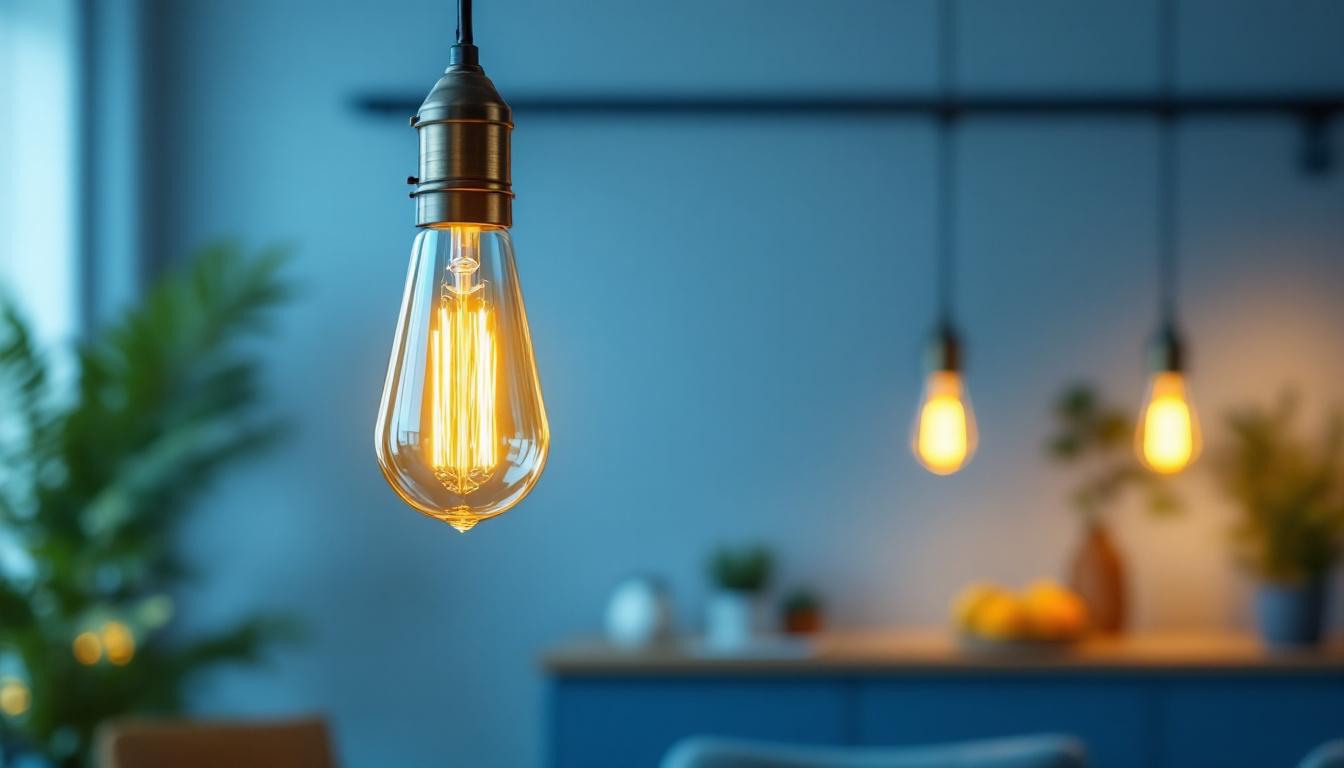
Understanding the Critical Role of Bulb Fixtures in Lighting Projects
For lighting contractors, the focus often gravitates towards the luminaire’s style, wattage, and energy efficiency. However, the bulb fixture—the component that holds and connects the bulb to the electrical supply—plays a crucial role in the overall performance, safety, and longevity of lighting installations. Overlooking the nuances of bulb fixtures can lead to premature failures, increased maintenance costs, and even safety hazards.
Bulb fixtures are more than just holders; they are the interface between electrical wiring and the light source. Their design, material quality, and compatibility with bulbs directly impact heat dissipation, electrical contact stability, and ease of maintenance. Recognizing these factors is essential for lighting contractors aiming to deliver durable and code-compliant lighting solutions.
Moreover, the choice of bulb fixture can significantly influence the aesthetic appeal of a lighting installation. Fixtures come in a variety of styles, from sleek modern designs to vintage-inspired options, allowing contractors to tailor their selections to the specific ambiance of a space. The right fixture can enhance the visual impact of the lighting, drawing attention to architectural features or creating a warm, inviting atmosphere. Additionally, the color and finish of the fixture can complement or contrast with the surrounding decor, further enhancing the overall design scheme.
Another critical aspect to consider is the adaptability of bulb fixtures. Many modern fixtures are designed to accommodate a range of bulb types, including LED, incandescent, and halogen, providing flexibility for future upgrades or changes in lighting technology. This adaptability not only extends the lifespan of the installation but also allows contractors to meet evolving client needs without the necessity for complete overhauls. Furthermore, with the increasing emphasis on sustainability, selecting fixtures that support energy-efficient bulbs can contribute to reducing the overall carbon footprint of a lighting project, aligning with both regulatory standards and client expectations for environmentally responsible solutions.
Common Oversights in Bulb Fixture Selection and Installation
Ignoring Compatibility Between Bulb and Fixture
One of the most frequent mistakes lighting contractors make is assuming that any bulb will fit any fixture. This assumption can lead to mismatches in socket type, voltage rating, and heat tolerance. For example, installing a high-wattage halogen bulb in a fixture designed for lower wattage incandescent bulbs can cause overheating, melting of fixture components, or even electrical fires.
Moreover, LED bulbs, which have become the industry standard due to their energy efficiency, often require specific fixtures or adapters to optimize performance. Using incompatible fixtures can result in flickering, reduced bulb lifespan, or suboptimal light distribution. Additionally, the color temperature of the bulb can significantly affect the ambiance of a space. A warm white LED may create a cozy atmosphere in a living room, while a cool white bulb is more suited for task-oriented areas like kitchens or offices. Understanding these nuances is crucial for achieving the desired lighting effect and ensuring customer satisfaction.
Neglecting Heat Management and Ventilation
Heat buildup within bulb fixtures is a silent threat that many contractors underestimate. Excessive heat can degrade fixture materials, damage wiring insulation, and shorten bulb life. Fixtures with poor ventilation or those made from heat-sensitive materials are particularly vulnerable.
Lighting contractors should prioritize fixtures designed with adequate heat dissipation features, such as vented housings or heat sinks, especially when working with high-intensity bulbs. Ignoring this aspect can lead to increased maintenance calls and client dissatisfaction. Furthermore, the placement of fixtures plays a crucial role in heat management; fixtures should be installed in locations that allow for proper airflow and should not be enclosed in tight spaces without adequate ventilation. This attention to detail can significantly enhance the longevity of both the fixtures and the bulbs used.
Overlooking Electrical Safety and Code Compliance
Electrical codes and safety standards dictate specific requirements for bulb fixtures, including grounding, insulation, and socket ratings. Failing to adhere to these standards can result in non-compliant installations that pose fire risks or electrical shock hazards.
Contractors must ensure that fixtures are UL-listed or certified by recognized safety organizations and that installation practices meet local electrical codes. This diligence protects both the contractor and the end user from liability and safety incidents. Additionally, it is essential to stay updated on any changes to electrical codes, as they can evolve to address new technologies or safety concerns. Regular training and education on these regulations can empower contractors to make informed decisions, ultimately leading to safer installations and enhanced reputations within the industry.
Material and Design Considerations for Optimal Bulb Fixtures
Choosing Durable, Heat-Resistant Materials
The material composition of bulb fixtures significantly influences their performance and lifespan. Metals such as brass and aluminum are popular for their excellent heat resistance and electrical conductivity. Plastic fixtures, while cost-effective and lightweight, must be engineered with heat-resistant polymers to prevent deformation or melting under high temperatures. This is particularly crucial in applications where fixtures are subject to prolonged exposure to heat, such as in recessed lighting or enclosed fixtures.
Lighting contractors should evaluate the environment in which the fixture will operate. For example, fixtures installed in outdoor or humid environments require corrosion-resistant materials to prevent degradation over time. Stainless steel and treated aluminum are excellent choices for outdoor installations, as they can withstand harsh weather conditions without compromising structural integrity. Furthermore, UV-resistant coatings can be applied to plastic components to enhance their durability against sun exposure, ensuring that the fixtures maintain their appearance and functionality over the years.
Fixture Design Impact on Light Distribution and Maintenance
Fixture design affects not only aesthetics but also functional aspects like light distribution and ease of bulb replacement. Fixtures with reflective interiors can enhance light output, reducing the number of fixtures needed and lowering energy consumption. The angle and shape of reflectors play a crucial role in directing light where it is needed most, which is particularly beneficial in spaces like retail environments or art galleries where lighting highlights specific areas or objects.
Additionally, designs that facilitate quick and safe bulb replacement minimize downtime and labor costs. Features such as tool-less access panels or standardized socket types can streamline maintenance operations. Some modern fixtures even incorporate smart technology that alerts users when a bulb is nearing the end of its life, allowing for proactive maintenance. This not only improves efficiency but also enhances the overall user experience by ensuring consistent lighting quality. Moreover, considering the aesthetic aspect of fixture design can lead to innovative solutions that blend functionality with style, making fixtures a focal point in interior design rather than just utilitarian objects.
Emerging Trends and Technologies in Bulb Fixtures
Smart Fixtures and Integration with IoT
The rise of smart lighting systems has introduced bulb fixtures equipped with sensors, wireless communication modules, and adaptive controls. These fixtures enable dynamic lighting adjustments based on occupancy, daylight availability, or user preferences, enhancing energy efficiency and user experience. For instance, smart fixtures can automatically dim or brighten based on the time of day or the presence of people in a room, creating a more comfortable and energy-efficient environment. Moreover, many of these systems can be controlled remotely through smartphone applications, allowing users to customize their lighting settings from anywhere, which adds a layer of convenience and flexibility to modern living.
Lighting contractors should familiarize themselves with these technologies to offer clients modern, integrated solutions. However, this also requires understanding new installation protocols and ensuring compatibility with existing electrical infrastructure. As the market for smart fixtures continues to grow, contractors must stay updated on the latest advancements and best practices, including cybersecurity measures to protect user data and privacy. Furthermore, training on troubleshooting and maintenance of these advanced systems will be crucial, as clients will expect ongoing support and guidance to maximize their smart lighting investments.
Eco-Friendly and Sustainable Fixture Options
Environmental considerations are increasingly influencing product selection. Fixtures made from recycled materials or designed for easy disassembly and recycling align with sustainability goals. Additionally, fixtures that support low-energy bulbs and reduce light pollution contribute to eco-friendly lighting designs. The shift towards LED technology, for example, not only reduces energy consumption but also minimizes waste due to their longer lifespan compared to traditional incandescent bulbs. As consumers become more environmentally conscious, the demand for fixtures that are both stylish and sustainable will only continue to rise, prompting manufacturers to innovate and expand their eco-friendly product lines.
Contractors who incorporate sustainable fixture options can differentiate their services and meet growing client demand for green building practices. By showcasing the benefits of eco-friendly fixtures, such as lower utility bills and reduced environmental impact, contractors can appeal to a broader clientele. Additionally, offering consultations on energy-efficient lighting design can position contractors as experts in sustainable practices, further enhancing their reputation in the industry. As regulations around energy efficiency tighten and incentives for green building practices become more prevalent, staying ahead of these trends will be essential for contractors looking to thrive in a competitive market.
Best Practices for Lighting Contractors When Working with Bulb Fixtures
Comprehensive Pre-Installation Planning
Successful lighting projects begin with thorough planning. Contractors should assess the intended application, environmental conditions, and bulb specifications before selecting fixtures. Consulting manufacturer datasheets and leveraging lighting design software can aid in making informed choices.
Rigorous Quality Control and Testing
Before finalizing installations, testing fixtures for electrical continuity, secure bulb fit, and heat management is essential. Routine inspections during maintenance visits help identify early signs of fixture wear or failure, preventing costly repairs or replacements.
Continuous Education and Staying Updated
The lighting industry evolves rapidly, with new technologies, materials, and standards emerging regularly. Contractors committed to ongoing education—through trade publications, manufacturer training, and industry conferences—can maintain a competitive edge and ensure high-quality workmanship.
Conclusion: Elevating Lighting Installations Through Attention to Bulb Fixtures
While often overshadowed by the bulb or luminaire design, bulb fixtures are foundational to the success of any lighting installation. By recognizing the critical importance of fixture compatibility, material quality, heat management, and safety compliance, lighting contractors can enhance the reliability, efficiency, and safety of their projects.
Incorporating emerging technologies and sustainable practices further positions contractors as leaders in a dynamic industry. Ultimately, meticulous attention to bulb fixtures not only prevents common pitfalls but also elevates the overall value delivered to clients.
Illuminate Your Projects with LumenWholesale
Ready to take your lighting installations to the next level? Choose LumenWholesale for your next project and experience the unbeatable combination of quality, affordability, and convenience. Our extensive selection of spec-grade lighting products ensures that you’ll find the perfect bulb fixtures to meet the highest industry standards and enhance every aspect of your lighting solutions. Say goodbye to inflated markups and hello to top-quality lighting at wholesale prices, complete with the ease of bulk buying and free shipping. Elevate your lighting installations and deliver exceptional value to your clients with LumenWholesale. Discover our premium lighting options now at Wholesale Lighting at the Best Value.