The Evolution of Dimmer Technology and Its Impact on Lighting Contractors
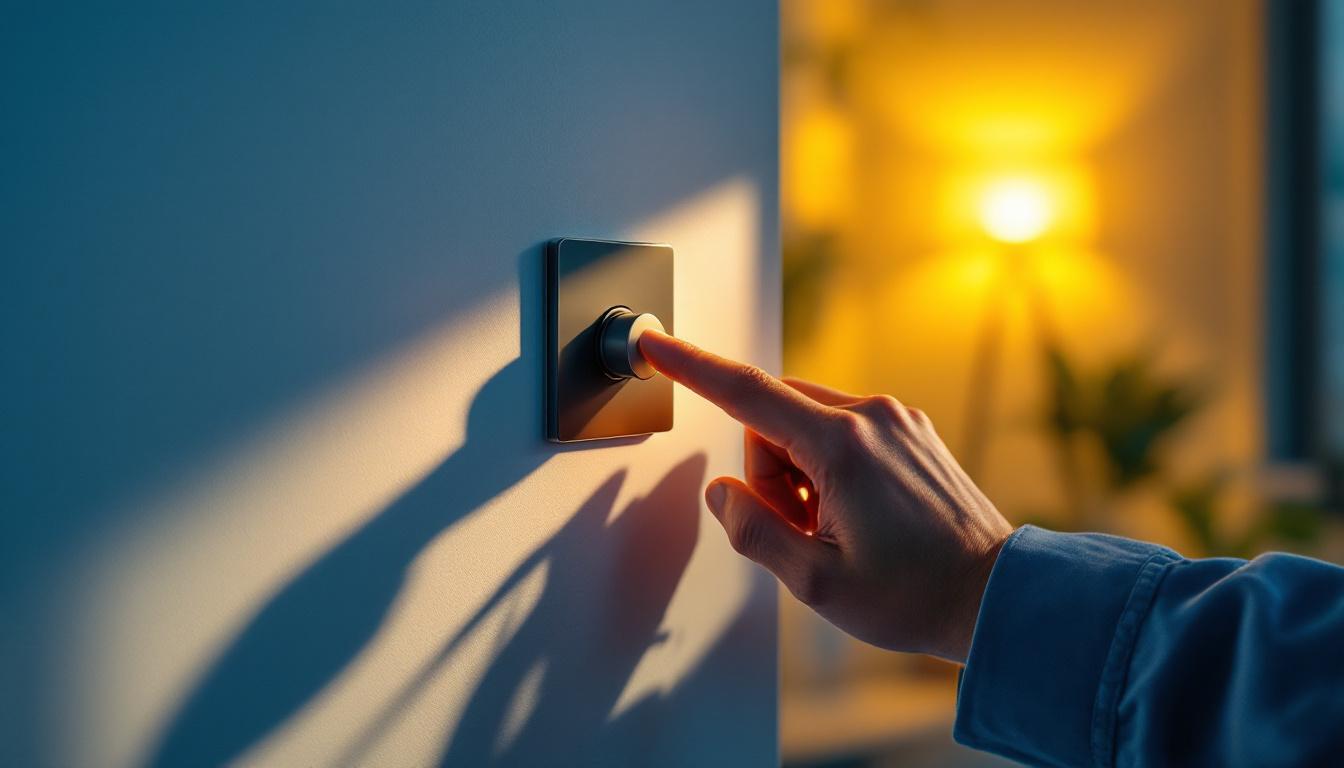
Lighting technology has undergone significant advancements over recent decades, and the humble dimmer slider is no exception. Once a simple mechanical device that controlled the brightness of incandescent bulbs, modern dimmer sliders now integrate sophisticated electronics, support a variety of lighting sources, and enhance energy efficiency. For lighting contractors, staying current with these developments is not just beneficial—it is essential for delivering optimal service and maintaining a competitive edge.
Understanding the evolution of dimmer sliders helps contractors appreciate the complexity and capabilities of today’s lighting controls. Early dimmers operated by varying voltage, which was suitable for incandescent bulbs but incompatible with newer lighting technologies such as LEDs and CFLs. Modern dimmers employ advanced methods like trailing-edge and leading-edge phase control, which provide smoother dimming, reduce flicker, and extend the lifespan of lighting fixtures. This evolution has not only improved user experience but has also led to significant energy savings, making it a win-win for both consumers and contractors alike.
Moreover, the integration of smart technology has transformed dimmer sliders from simple manual controls into networked devices capable of remote operation, automation, and integration with building management systems. This shift requires contractors to be knowledgeable not only about electrical wiring but also about communication protocols, software interfaces, and compatibility standards. As smart homes and IoT (Internet of Things) devices become more prevalent, lighting contractors must also understand how to troubleshoot and optimize these systems to ensure seamless operation. This knowledge empowers them to offer comprehensive solutions that cater to the growing demand for smart lighting, which can be programmed to adjust based on occupancy, time of day, or even user preferences.
In addition to the technical aspects, the rise of dimmer technology has also influenced design trends in the lighting industry. With the ability to create mood and ambiance through precise control of light levels, designers are increasingly incorporating dimmers into their projects to enhance the aesthetic appeal of spaces. Whether it’s a cozy restaurant atmosphere or a bright, functional workspace, the right dimming solution can significantly impact how a space is perceived and utilized. This trend places additional emphasis on the role of lighting contractors, who must not only install these systems but also collaborate with designers and architects to achieve the desired effects, ensuring that both functionality and style are prioritized in every project.
Why Staying Updated Matters for Lighting Contractors
Meeting Client Expectations and Enhancing Satisfaction
Clients today expect more than just basic lighting solutions. They demand energy-efficient, customizable, and smart lighting systems that can be controlled easily and integrated with other home or commercial automation technologies. Contractors who stay updated on the latest dimmer slider technologies can recommend and install products that meet these expectations, thereby increasing client satisfaction and loyalty.
For example, advanced dimmer sliders can offer features such as scene setting, voice control compatibility, and adaptive dimming that adjusts to ambient light levels. These functionalities not only improve user experience but also add significant value to the contractor’s service offering. Furthermore, the integration of smart technology into lighting systems allows for remote access via mobile applications, enabling clients to control their lighting from anywhere. This added convenience can be a significant selling point for contractors, as clients appreciate the ability to customize their environments effortlessly. Additionally, offering solutions that incorporate energy monitoring can help clients track their energy usage and costs, further enhancing their satisfaction and trust in the contractor’s expertise.
Ensuring Compliance with Industry Standards and Regulations
Lighting contractors must also navigate a complex landscape of electrical codes, energy efficiency standards, and safety regulations that frequently evolve. Staying informed about the latest dimmer slider technologies ensures compliance with these requirements, reducing the risk of costly rework, liability issues, or failed inspections.
Energy efficiency standards, such as those promoted by government agencies and industry organizations, often specify the types of dimming controls permissible for certain lighting applications. Using outdated dimmer sliders can lead to non-compliance, while updated products often come with certifications that simplify adherence to these standards. Moreover, understanding the nuances of these regulations can empower contractors to advise clients on potential rebates or incentives available for using energy-efficient lighting solutions. This knowledge not only positions the contractor as a trusted advisor but also enhances their reputation within the community as a professional who prioritizes both compliance and client savings. By proactively addressing these regulatory aspects, contractors can differentiate themselves in a competitive market, showcasing their commitment to quality and safety in every project they undertake.
Key Features and Innovations in Modern Dimmer Sliders
Compatibility with LED and Other Low-Voltage Lighting
One of the most critical advancements in dimmer sliders is their improved compatibility with LED lighting. LEDs operate differently from traditional incandescent bulbs, requiring dimmers that can handle low wattage and provide stable, flicker-free dimming. Modern dimmer sliders incorporate technologies such as trailing-edge phase-cut control, which is more suitable for LEDs and other low-voltage lighting systems.
Lighting contractors must be aware of the specific dimmer models that are compatible with the LED products they install. Mismatched dimmers can lead to issues like flickering, buzzing, or premature bulb failure, which negatively impact client satisfaction and increase service calls.
Smart and Wireless Integration
The rise of smart homes and buildings has introduced dimmer sliders that connect wirelessly via protocols such as Zigbee, Z-Wave, or Wi-Fi. These smart dimmers can be controlled remotely through mobile apps, voice assistants, or automated schedules, offering unprecedented convenience and energy management capabilities.
For contractors, this means acquiring skills in configuring and troubleshooting wireless networks and understanding interoperability between different smart home ecosystems. Offering smart dimmer installations can open new revenue streams and position contractors as leaders in cutting-edge lighting solutions.
Energy Efficiency and Sustainability
Energy efficiency remains a top priority for both residential and commercial clients. Modern dimmer sliders contribute to sustainability goals by reducing energy consumption and extending the lifespan of lighting fixtures. Some models include features like adaptive dimming, which adjusts light output based on occupancy or natural light availability, further enhancing efficiency.
Contractors who promote energy-saving dimmer solutions can help clients reduce utility costs and carbon footprints, aligning their services with broader environmental initiatives and regulations.
Practical Tips for Lighting Contractors to Stay Updated
Continuing Education and Training
Engaging in ongoing education is critical for contractors to keep pace with technological advancements. Manufacturers often provide training sessions, webinars, and certification programs focused on their latest dimmer slider products and installation techniques. Participating in these opportunities ensures contractors are well-versed in product capabilities, installation best practices, and troubleshooting methods.
Additionally, industry associations and trade shows offer valuable platforms for learning about emerging trends, networking with peers, and gaining hands-on experience with new technologies.
Leveraging Manufacturer Resources and Technical Support
Manufacturers typically offer extensive resources, including detailed product specifications, installation guides, and technical support services. Contractors who actively utilize these resources can improve the quality and efficiency of their installations.
Establishing strong relationships with manufacturers and distributors can also provide early access to new products, beta testing opportunities, and insights into upcoming innovations.
Staying Informed Through Industry Publications and Online Communities
Regularly reading industry publications, blogs, and forums helps contractors stay informed about market trends, product reviews, and regulatory updates. Online communities and social media groups dedicated to lighting professionals can be excellent venues for sharing experiences, solving problems, and discovering best practices related to dimmer sliders and other lighting technologies.
Challenges and Considerations When Adopting New Dimmer Slider Technologies
Compatibility and Integration Issues
One of the primary challenges contractors face when adopting new dimmer slider technologies is ensuring compatibility with existing lighting fixtures and control systems. Not all dimmers work seamlessly with every type of bulb or automation platform, which can lead to installation delays or client dissatisfaction.
Contractors must conduct thorough product research and testing before specifying dimmers for a project. Consulting compatibility charts and performing on-site evaluations can mitigate risks associated with mismatched components.
Cost Implications and Client Budget Constraints
Advanced dimmer sliders, particularly those with smart features and wireless connectivity, often come at a higher price point than traditional models. Contractors need to balance the benefits of upgraded technology with client budgets and project requirements.
Providing clients with clear explanations of the long-term value, energy savings, and enhanced functionality of modern dimmers can justify the initial investment and facilitate informed decision-making.
Technical Complexity and Installation Challenges
New dimmer slider technologies may require specialized installation skills, including knowledge of low-voltage wiring, wireless configuration, and software setup. Contractors must be prepared to invest time and resources in training and may need to adjust their workflows to accommodate these complexities.
Proper planning, documentation, and testing during installation are essential to ensure reliable operation and minimize callbacks.
The Future of Dimmer Sliders and Lighting Control
Looking ahead, dimmer sliders are expected to become even more integrated with intelligent building systems, leveraging artificial intelligence and machine learning to optimize lighting based on user behavior, environmental conditions, and energy consumption patterns. Voice control and gesture recognition may become standard features, further enhancing user interaction.
For lighting contractors, embracing these innovations will require continuous learning and adaptation but will also present exciting opportunities to deliver state-of-the-art lighting solutions that enhance comfort, productivity, and sustainability.
In summary, staying updated on dimmer slider technology is vital for lighting contractors aiming to provide superior service, comply with evolving standards, and capitalize on emerging market trends. By investing in education, leveraging resources, and carefully managing challenges, contractors can position themselves as trusted experts in the dynamic field of lighting control.
Get Your Cutting-Edge Dimmer Sliders at LumenWholesale
As a lighting contractor committed to excellence, you understand the importance of staying ahead with the latest dimmer slider technologies. At LumenWholesale, we support your dedication to superior service by providing an extensive selection of top-quality, spec-grade lighting products at unbeatable wholesale prices. Say goodbye to inflated markups and hello to reliable, high-performance lighting that meets the highest industry standards. Plus, with free shipping on bulk orders, you can stock up on premium lighting solutions at the best value — all without hidden fees or compromises. Elevate your projects and stay competitive in the ever-evolving world of lighting control. Wholesale Lighting at the Best Value is just a click away.