Understanding Home Automation Lighting Control Systems
Home automation lighting control systems have revolutionized the way lighting is managed in residential settings. For lighting contractors, grasping the fundamentals of these systems is crucial to meeting modern homeowner demands and staying competitive in the industry. At its core, a home automation lighting control system allows users to control lighting fixtures remotely or automatically, enhancing convenience, energy efficiency, and ambiance.
These systems integrate various technologies such as wireless communication, sensors, and smart devices to offer seamless control. Unlike traditional lighting setups, home automation systems provide dynamic control options including dimming, scheduling, scene setting, and integration with other smart home devices like security systems and thermostats. Homeowners can create personalized lighting scenes that adapt to different activities, whether it’s a cozy movie night or a vibrant gathering with friends, thereby elevating the overall living experience.
Why Lighting Contractors Should Care
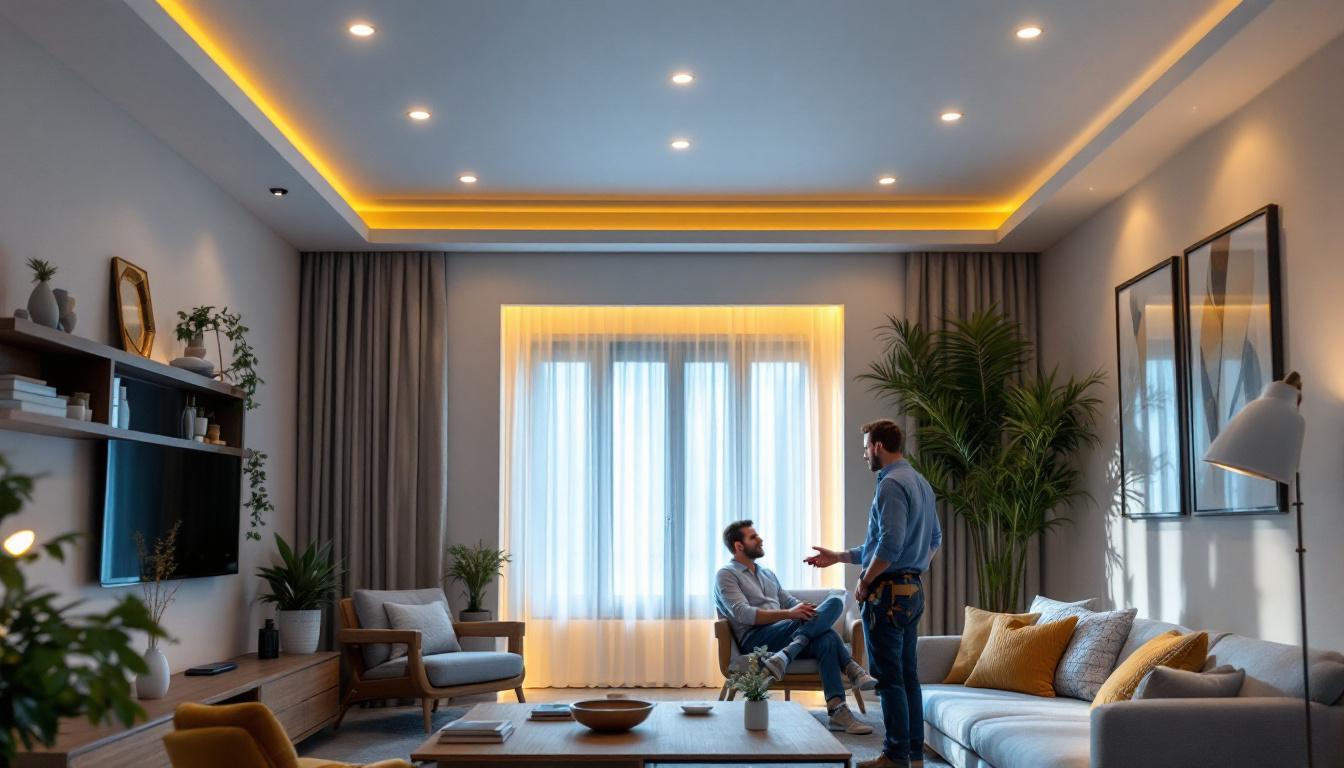
Lighting contractors are often the first point of contact for homeowners looking to upgrade or install new lighting solutions. Understanding home automation lighting control systems enables contractors to recommend appropriate solutions, troubleshoot effectively, and offer value-added services. Moreover, the demand for smart home installations continues to grow, with studies indicating that a significant percentage of homeowners consider smart lighting a priority when renovating or building new homes. This trend is not just about aesthetics; it also reflects a growing awareness of energy consumption and sustainability. Home automation lighting systems can significantly reduce energy costs by allowing homeowners to monitor and control their usage more effectively.
Furthermore, as technology advances, the integration of artificial intelligence and machine learning into these systems is becoming more prevalent. This means that lighting control systems can learn user preferences over time and adjust settings automatically to optimize comfort and efficiency. For contractors, staying abreast of these advancements is essential, as it enables them to provide cutting-edge solutions that meet the evolving needs of tech-savvy homeowners. By offering comprehensive consultations and installations that include the latest in smart lighting technology, contractors can position themselves as trusted experts in a rapidly changing market, ultimately leading to increased customer satisfaction and loyalty.
Key Components of Home Automation Lighting Control Systems
To effectively install and maintain these systems, contractors need to be familiar with their main components. Each part plays a critical role in the overall functionality and user experience.
Control Interfaces
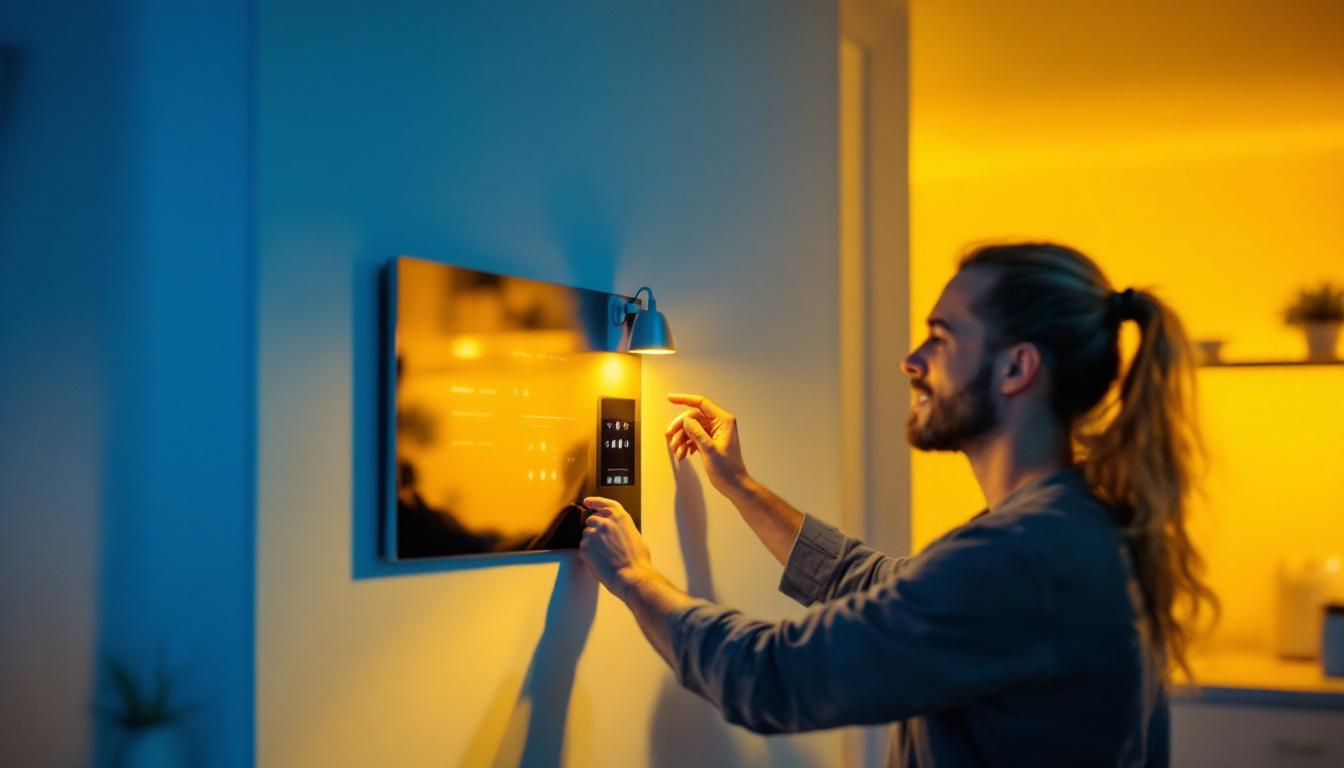
Control interfaces are the user’s gateway to managing lighting systems. These include wall-mounted touch panels, smartphone apps, voice assistants, and remote controls. Modern systems often support multiple interfaces to provide flexibility and convenience. For example, a homeowner may use a smartphone app to turn off lights remotely or a voice command through a smart speaker to adjust brightness. Additionally, some systems allow for customizable scenes that can be activated with a single command, such as “movie night,” which dims the lights and sets the perfect ambiance, enhancing the overall experience of home entertainment.
Lighting Controllers and Hubs
The controller or hub acts as the brain of the system, processing commands from control interfaces and communicating with the lighting fixtures. These devices can be standalone or integrated into broader smart home hubs. Lighting controllers often support various communication protocols such as Zigbee, Z-Wave, or Wi-Fi, which are essential for interoperability among devices from different manufacturers. Furthermore, advanced hubs can learn user preferences over time, adjusting lighting based on patterns of use or even the time of day, creating a seamless and intuitive living environment that adapts to the homeowner’s lifestyle.
Smart Lighting Fixtures and Modules
Smart bulbs, LED drivers, dimmers, and relay modules form the hardware that directly controls the lighting output. These components can be installed in place of traditional fixtures or integrated into existing setups. Many smart lighting devices offer features like color tuning, dimming, and energy monitoring, which add significant value for end users. Beyond mere functionality, these fixtures can also contribute to energy efficiency, with some models designed to automatically adjust brightness based on natural light levels in the room. This not only helps in reducing electricity bills but also promotes a more sustainable approach to home energy consumption, aligning with the growing trend towards eco-friendly living.
Popular Communication Protocols and Their Impact on Installation
Understanding the communication protocols used in home automation lighting systems is vital for contractors to ensure compatibility and optimal performance.
Zigbee and Z-Wave
Zigbee and Z-Wave are two of the most widely used wireless protocols in smart lighting. Both operate on low-power radio frequencies and create mesh networks, which improve reliability by allowing devices to relay signals to one another. This is particularly beneficial in larger homes or buildings with multiple rooms.
While Zigbee tends to offer higher data rates and is more commonly used in commercial products, Z-Wave boasts a broader range of compatible devices and operates on a frequency less crowded by Wi-Fi signals, reducing interference.
Wi-Fi and Bluetooth
Wi-Fi-based lighting systems are popular due to their ease of integration with existing home networks and direct internet access. However, they can be more power-hungry and sometimes less reliable in environments with congested wireless traffic.
Bluetooth, especially Bluetooth Mesh, is gaining traction for lighting control because of its low power consumption and robust mesh networking capabilities. Contractors should consider the home’s wireless environment and client preferences when selecting protocol-based solutions.
Installation Best Practices for Lighting Contractors
Successful installation of home automation lighting control systems requires a blend of technical knowledge, planning, and customer communication. Here are some best practices tailored for lighting contractors.
Pre-Installation Assessment
Begin with a thorough assessment of the home’s electrical infrastructure, existing lighting fixtures, and the homeowner’s lifestyle and preferences. This helps in selecting the right system components and ensures compatibility with current wiring and devices. For example, older homes may require additional wiring or upgrades to support certain smart modules.
System Design and Integration
Design the lighting control system to maximize functionality and user experience. Consider zoning lights by room or activity, incorporating sensors for occupancy or daylight harvesting, and planning for future expansion. Integration with other smart home systems, such as security or HVAC, can enhance overall home automation capabilities.
Wiring and Device Installation
Follow manufacturer guidelines carefully when installing smart modules, dimmers, and controllers. Pay attention to neutral wire requirements, load capacities, and compatibility with LED or other lighting types. Proper wiring not only ensures safety but also prevents issues like flickering or device malfunction.
Testing and Client Education
After installation, conduct comprehensive testing to verify all components work as intended. Demonstrate system features to homeowners, including how to use control interfaces, set schedules, and troubleshoot basic issues. Providing clear instructions and support builds client confidence and satisfaction.
Energy Efficiency and Cost Benefits of Automated Lighting
One of the most compelling reasons homeowners invest in automated lighting control systems is the potential for energy savings and cost reduction. Lighting contractors can leverage this benefit when discussing options with clients.
Reduced Energy Consumption
Automated lighting systems can significantly cut energy use by ensuring lights are only on when needed. Features like occupancy sensors automatically turn off lights in unoccupied rooms, while daylight sensors adjust brightness based on natural light availability. Dimming capabilities further reduce power consumption without compromising comfort.
Lower Utility Bills and Environmental Impact
By optimizing lighting usage, homeowners can see noticeable reductions in their electricity bills. Additionally, decreased energy consumption contributes to a smaller carbon footprint, aligning with growing consumer interest in sustainable living. Lighting contractors who emphasize these benefits can differentiate themselves in a competitive market.
Long-Term Savings and Maintenance
Smart lighting systems often use LED technology, which has a longer lifespan and lower maintenance requirements compared to traditional bulbs. Automated controls can extend the life of lighting fixtures by preventing overuse and reducing heat generation. These factors translate into long-term savings for homeowners.
Future Trends Lighting Contractors Should Watch
The home automation landscape continues to evolve rapidly, and staying informed about emerging trends can help lighting contractors anticipate client needs and offer cutting-edge solutions.
Integration with Voice and AI Assistants
Voice control through assistants like Alexa, Google Assistant, and Siri is becoming standard in smart homes. Lighting contractors should be prepared to integrate lighting systems that respond reliably to voice commands and work seamlessly with AI-driven home automation platforms.
Advanced Sensors and Adaptive Lighting
Emerging sensor technologies enable lighting systems to adapt dynamically to occupant behavior, circadian rhythms, and environmental conditions. For example, tunable white lighting can adjust color temperature throughout the day to support natural sleep-wake cycles, enhancing occupant well-being.
Enhanced Cybersecurity Measures
As home automation systems become more connected, cybersecurity is a critical concern. Contractors should prioritize systems with robust encryption and secure communication protocols to protect homeowner privacy and prevent unauthorized access.
Conclusion
For lighting contractors, mastering home automation lighting control systems is not just about technical installation—it’s about delivering smarter, more efficient, and user-friendly lighting solutions that meet modern homeowner expectations. By understanding system components, communication protocols, installation best practices, and the benefits of automation, contractors can position themselves as trusted experts in this growing field.
Embracing the future of lighting technology will enable contractors to expand their service offerings, increase customer satisfaction, and contribute to more sustainable living environments. With the right knowledge and skills, lighting contractors can confidently navigate the evolving landscape of home automation lighting control systems.
Get Your Premium Lighting Supplies at LumenWholesale
Ready to take your lighting projects to the next level? At LumenWholesale, we provide lighting contractors like you with the highest quality, spec-grade lighting products at prices that can’t be beaten. Say goodbye to local distributor markups and hello to our extensive selection that meets the most rigorous industry standards. With free shipping on bulk orders, you can stock up on reliable, high-performance lighting solutions and pass on the savings to your clients. Elevate your service offerings with the unbeatable value and convenience of Wholesale Lighting at the Best Value from LumenWholesale.