Understanding Solar Lighting Systems with Battery Backup
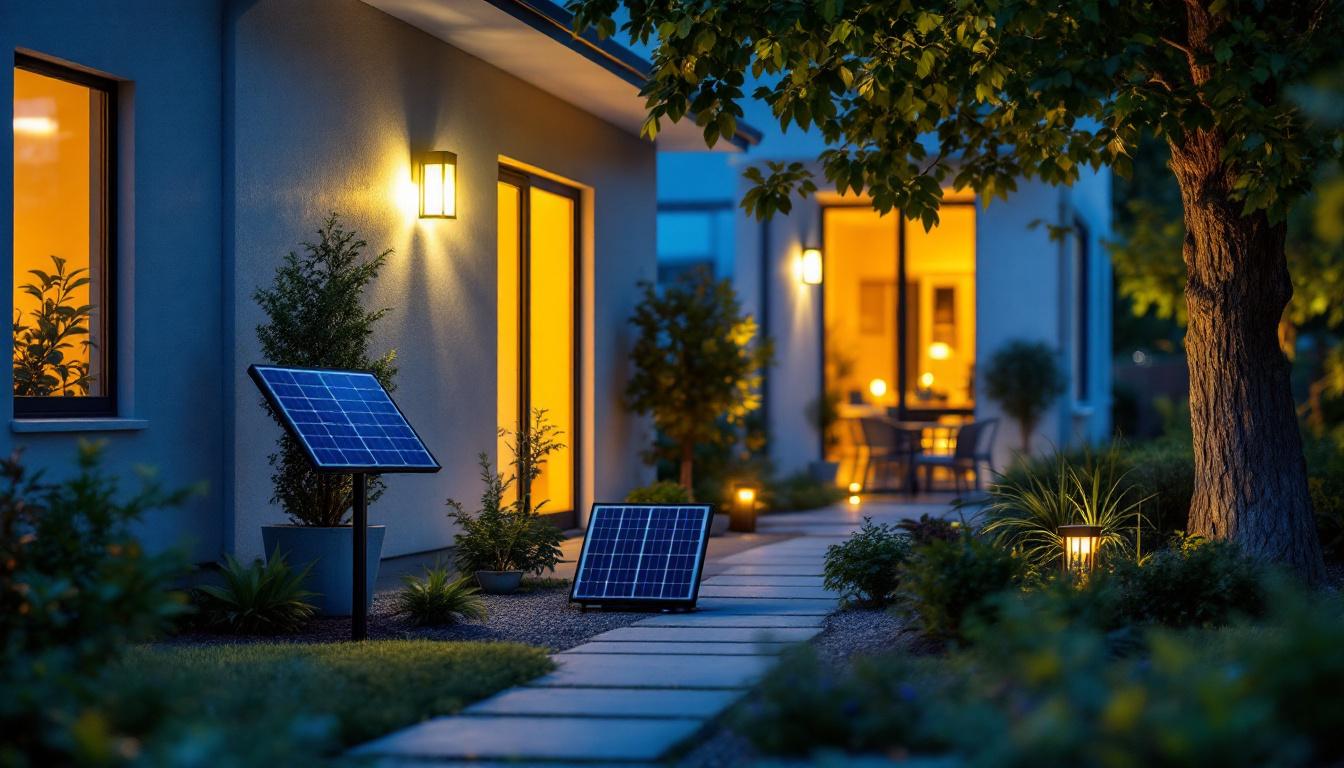
Solar lighting systems equipped with battery backup have become a cornerstone in modern outdoor lighting solutions. For lighting contractors, mastering the intricacies of these systems is essential to deliver reliable, efficient, and sustainable lighting installations. Unlike traditional lighting systems, solar lights harness energy directly from the sun, storing it in batteries to provide illumination even during nighttime or overcast conditions.
The integration of battery backup ensures continuous operation, making these systems highly dependable for various applications such as street lighting, landscape illumination, security lighting, and remote area lighting where grid access is limited or unavailable. Understanding the components, including photovoltaic panels, charge controllers, batteries, and LED fixtures, is the first step toward successful implementation.
Key Components and Their Roles
At the heart of any solar lighting system is the photovoltaic (PV) panel, which converts sunlight into electrical energy. This energy is then regulated by a charge controller to prevent overcharging or deep discharging of the battery, which stores the energy for use during low-light periods. The LED fixture, known for its energy efficiency and longevity, uses the stored energy to provide illumination.
For lighting contractors, selecting high-quality components that are compatible and optimized for the intended application is crucial. Battery technology, in particular, plays a significant role in system performance, with options ranging from sealed lead-acid to lithium-ion batteries, each with distinct advantages and maintenance requirements. Sealed lead-acid batteries, while cost-effective, may require more frequent replacements compared to lithium-ion batteries, which offer longer life cycles and faster charging times. Understanding these differences allows contractors to make informed decisions that align with the specific needs of their projects.
Moreover, the placement and orientation of the PV panels significantly influence the overall efficiency of the solar lighting system. Ideally, panels should be installed in locations that receive maximum sunlight exposure throughout the day, avoiding any potential obstructions such as trees or buildings. This strategic positioning not only enhances energy capture but also ensures that the system can sustain longer periods of operation during cloudy weather or shorter daylight hours, which is particularly important in regions with varying climatic conditions. Additionally, advancements in smart technology are paving the way for more sophisticated solar lighting systems, allowing for features such as motion sensors and remote monitoring, which further optimize energy use and enhance security in outdoor spaces.
Design Considerations for Optimal Performance
Designing a solar lighting system with battery backup requires careful planning to ensure optimal performance and longevity. Lighting contractors must consider factors such as site location, solar insolation levels, load requirements, and environmental conditions.
Assessing Site Conditions and Solar Potential
Accurate assessment of the installation site is fundamental. Factors like shading from trees or buildings, geographic latitude, and seasonal variations in sunlight impact the amount of solar energy available. Utilizing solar pathfinders or software tools to analyze these variables can help in selecting the right panel size and orientation.
Additionally, understanding local weather patterns and temperature ranges informs battery selection and system sizing, as extreme temperatures can affect battery efficiency and lifespan. For instance, regions that experience prolonged winter months may require systems designed with higher energy storage capabilities to accommodate shorter daylight hours. Moreover, the orientation and tilt of solar panels can be optimized based on local climatic conditions, ensuring maximum solar gain throughout the year.
Load Analysis and Battery Sizing
Determining the total energy consumption of the lighting fixtures is essential for proper battery sizing. This involves calculating the wattage of the LED lights, the number of hours they will operate each night, and any additional loads such as sensors or communication devices.
Battery capacity must be sufficient to power the system through periods of low sunlight, often referred to as autonomy days. A common practice is to design for at least three to five days of autonomy, ensuring reliable operation during cloudy weather or extended darkness. It is also important to consider potential future expansions of the system, as additional lighting or features may be added later. Therefore, a slight over-sizing of the battery can provide flexibility for future upgrades without necessitating a complete system overhaul.
Choosing the Right Battery Technology
Battery selection impacts not only system reliability but also maintenance and total cost of ownership. Sealed lead-acid batteries are widely used due to their affordability and robustness but require periodic replacement and can be sensitive to deep discharges.
Lithium-ion batteries, while more expensive upfront, offer longer life cycles, higher energy density, and better performance in extreme temperatures. For contractors working on premium or critical installations, recommending lithium-ion technology can enhance customer satisfaction and reduce long-term maintenance. Furthermore, advancements in battery management systems (BMS) can optimize the charging and discharging processes, prolonging battery life and improving overall system efficiency. As the solar technology landscape continues to evolve, staying informed about emerging battery technologies, such as flow batteries or solid-state batteries, can provide contractors with innovative solutions that meet diverse client needs and expectations.
Installation Best Practices for Lighting Contractors
Proper installation is vital to maximize the efficiency and lifespan of solar lighting systems with battery backup. Lighting contractors must adhere to best practices that address mechanical, electrical, and safety considerations.
Panel Placement and Mounting
Solar panels should be installed in locations free from shading and oriented to capture maximum sunlight, typically facing true south in the northern hemisphere or true north in the southern hemisphere. The tilt angle should be optimized based on latitude to maximize annual solar gain.
Mounting hardware must be robust and corrosion-resistant, especially in outdoor environments exposed to wind, rain, and temperature fluctuations. Adjustable mounts can facilitate fine-tuning of panel angles post-installation.
Battery Enclosure and Ventilation
Batteries should be housed in weatherproof enclosures that provide protection from moisture, dust, and temperature extremes. Proper ventilation is critical, particularly for lead-acid batteries, to prevent the buildup of hazardous gases.
Contractors should ensure easy access for maintenance while securing the enclosure against tampering or vandalism, especially in public or remote locations.
Electrical Connections and Safety Protocols
All electrical wiring must comply with local codes and standards, using appropriately rated cables and connectors. Proper grounding and surge protection safeguard the system against electrical faults and lightning strikes.
Safety protocols during installation include de-energizing circuits before work, using personal protective equipment, and verifying system polarity to prevent damage to components.
Maintenance Strategies to Enhance System Longevity
Although solar lighting systems are designed for low maintenance, regular inspections and upkeep are necessary to ensure consistent performance and extend system life.
Routine Inspections and Cleaning
Solar panels accumulate dust, dirt, and debris that can significantly reduce energy absorption. Lighting contractors should recommend scheduled cleaning, especially in dusty or polluted environments. Using soft brushes or water with mild detergents can maintain panel efficiency without causing damage.
Visual inspections should also check for physical damage, loose connections, corrosion, and battery health indicators.
Battery Maintenance and Replacement Planning
Monitoring battery voltage and capacity helps detect early signs of degradation. For lead-acid batteries, maintaining proper electrolyte levels and avoiding deep discharges prolongs service life. Lithium-ion batteries require less maintenance but should still be monitored for performance anomalies.
Contractors should establish replacement schedules based on manufacturer recommendations and system usage patterns, informing clients about expected lifecycle costs.
Software and Remote Monitoring
Advanced solar lighting systems often include remote monitoring capabilities, allowing contractors to track performance metrics such as battery state of charge, energy production, and fault alerts. Implementing such technologies can reduce site visits and enable proactive maintenance.
Contractors can leverage these tools to provide value-added services, enhancing client relationships and system reliability.
Addressing Common Challenges and Troubleshooting
Despite careful design and installation, solar lighting systems may encounter issues that require prompt attention. Lighting contractors should be prepared to diagnose and resolve common problems efficiently.
Dealing with Insufficient Illumination
Causes of dim or non-functioning lights include battery depletion, panel shading, faulty wiring, or LED fixture failure. Systematic troubleshooting involves checking battery voltage, inspecting panel cleanliness and orientation, and verifying electrical connections.
Replacing worn-out batteries or upgrading to higher-efficiency panels and LEDs can restore performance.
Battery Failure and Capacity Loss
Battery issues often manifest as reduced autonomy or inability to hold charge. Overcharging, deep discharging, and exposure to extreme temperatures accelerate battery degradation. Contractors should educate clients on proper usage and environmental considerations.
Implementing battery management systems and selecting appropriate battery types can mitigate these risks.
Environmental and Vandalism Concerns
Outdoor solar lighting systems are exposed to environmental hazards such as storms, wildlife interference, and vandalism. Using tamper-resistant hardware, protective enclosures, and strategic placement can reduce damage risks.
Contractors should also consider insurance and warranty options to protect both their business and clients.
Leveraging Industry Trends and Innovations
Keeping abreast of emerging technologies and market trends allows lighting contractors to offer cutting-edge solutions and maintain a competitive edge.
Advancements in Battery Technology
Ongoing improvements in battery chemistry, such as solid-state batteries and enhanced lithium-ion variants, promise higher energy densities, faster charging, and longer lifespans. Contractors should monitor these developments to recommend future-proof systems.
Integration with Smart Lighting and IoT
Smart solar lighting systems equipped with sensors, adaptive controls, and connectivity enable energy optimization and enhanced user experience. Features like motion detection, dimming, and remote diagnostics are becoming standard expectations.
Contractors skilled in integrating these technologies can deliver superior value and open new service opportunities.
Sustainability and Regulatory Compliance
Increasing emphasis on sustainability and energy efficiency drives demand for solar lighting solutions. Contractors should be familiar with local regulations, incentives, and certification programs that impact project design and client benefits.
Promoting environmentally responsible practices not only aligns with market trends but also enhances brand reputation.
Conclusion
Solar lights with battery backup represent a dynamic and growing segment of the lighting industry, offering sustainable and reliable illumination solutions. For lighting contractors, mastering best practices in system design, installation, maintenance, and troubleshooting is essential to meet client expectations and ensure long-term success.
By understanding the technical nuances, leveraging emerging technologies, and adhering to rigorous quality standards, contractors can position themselves as trusted experts in solar lighting, driving growth and innovation in their businesses.
Illuminate Your Projects with LumenWholesale
Ready to elevate your lighting projects with the best in solar lights and battery backup systems? LumenWholesale is here to support your needs with spec-grade lighting products that combine quality, affordability, and convenience. Say goodbye to inflated markups and hello to unbeatable wholesale prices, complete with the ease of bulk buying and free shipping. Don’t compromise on performance or price. Visit LumenWholesale today and discover the perfect lighting solutions for your next project, ensuring you deliver sustainable and reliable illumination every time.