Understanding 6 Inch Retrofit LED Lights: An Overview for Contractors
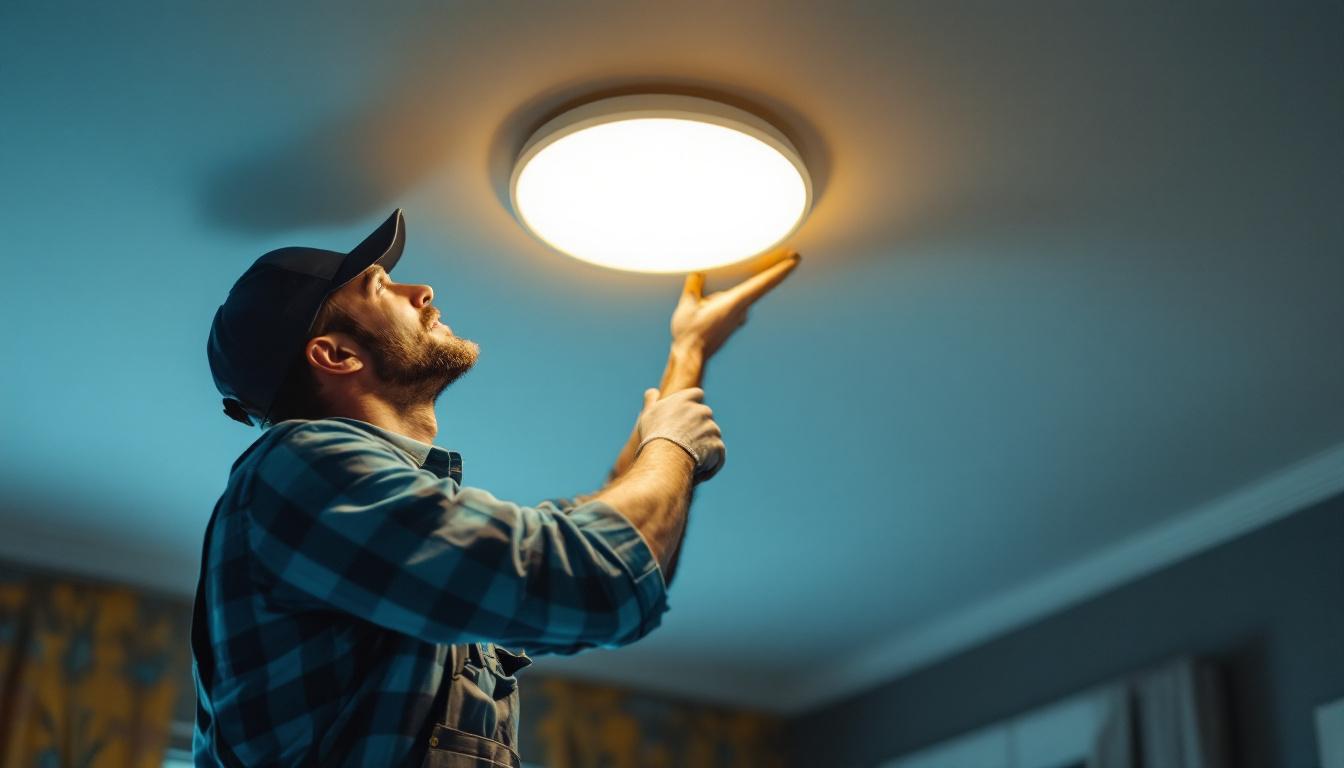
In the evolving landscape of lighting technology, 6 inch retrofit LED lights have emerged as a popular choice for both residential and commercial applications. These fixtures offer an efficient, cost-effective way to upgrade existing recessed lighting without the need for extensive rewiring or demolition. For lighting contractors, mastering the nuances of these retrofit solutions is essential to delivering quality installations that meet client expectations and comply with electrical standards.
Retrofit LED lights are designed to fit into existing housings, replacing traditional incandescent or fluorescent bulbs while offering enhanced energy efficiency and longer lifespans. The 6 inch size is particularly favored due to its versatility, fitting a wide range of ceiling configurations and providing balanced illumination in various spaces.
Why 6 Inch Retrofit LEDs Are a Contractor’s Go-To
The 6 inch retrofit LED lights strike a balance between light output and installation ease. Their size is large enough to provide ample brightness for general lighting purposes yet compact enough to retrofit into most standard recessed housings. This size is commonly found in kitchens, offices, hallways, and retail environments, making it a staple in many lighting projects.
From a contractor’s perspective, these retrofit kits reduce labor time and complexity. Unlike full fixture replacements, retrofit LEDs often require minimal tools and can be installed quickly, minimizing disruption to the client’s space. Furthermore, the energy savings and reduced maintenance costs appeal to end-users, enhancing the value proposition contractors can offer.
Additionally, many 6 inch retrofit LED lights come with adjustable color temperatures, allowing contractors to customize the ambiance of a space according to client preferences. This feature is particularly advantageous in settings like restaurants or showrooms, where the right lighting can significantly influence the atmosphere and customer experience. Moreover, the ability to choose between warm, neutral, and cool white light gives contractors the flexibility to meet diverse aesthetic demands while ensuring optimal functionality.
Another notable advantage of these retrofit solutions is their compatibility with smart home systems. As technology continues to advance, integrating lighting with smart controls has become increasingly popular. Many 6 inch retrofit LED lights can be connected to Wi-Fi or Bluetooth-enabled systems, allowing users to adjust brightness and color settings remotely or through voice commands. For contractors, being knowledgeable about these smart features can enhance their service offerings and appeal to tech-savvy clients looking to modernize their spaces.
Key Considerations Before Installation
Successful installation of 6 inch retrofit LED lights depends on careful assessment and preparation. Lighting contractors must evaluate the existing infrastructure and understand the specific requirements of each project to avoid common pitfalls.
Assessing Existing Housing Compatibility
One of the first steps is verifying that the existing recessed housing is compatible with the retrofit LED. Not all housings are created equal; variations in depth, diameter, and mounting style can affect fit and performance. Contractors should measure the housing dimensions precisely and consult manufacturer specifications to ensure a proper match.
Additionally, some retrofit LEDs are designed exclusively for either insulated or non-insulated housings. Installing a retrofit light in the wrong housing type can lead to overheating or void warranty coverage. Therefore, confirming the housing’s insulation status is critical. Furthermore, it may be beneficial to inspect the condition of the existing housing for any signs of wear or damage. Over time, older housings may develop issues such as rust or corrosion, which could compromise the integrity of the installation. Ensuring that the housing is in good condition not only enhances safety but also contributes to the longevity of the new lighting system.
Electrical Compatibility and Safety
Retrofit LEDs typically operate on line voltage (120V), but contractors must verify the electrical system’s compatibility. Ensuring that the existing wiring and circuit breakers can support the new fixtures is essential for safety and performance. Moreover, checking for proper grounding and adherence to local electrical codes prevents potential hazards.
It is also important to confirm that the retrofit LED is rated for the intended environment, such as damp or wet locations. This consideration is especially relevant for bathrooms, covered outdoor areas, or commercial kitchens. Additionally, contractors should assess the overall energy efficiency of the existing electrical system. Upgrading to LED technology not only reduces energy consumption but can also lead to significant savings on utility bills. By evaluating the entire electrical setup, contractors can provide clients with recommendations for further enhancements, such as smart lighting controls or energy-efficient circuit breakers, that can optimize performance and sustainability.
Light Output and Color Temperature Selection
Choosing the right lumen output and color temperature is crucial for achieving the desired ambiance and functionality. For a 6 inch retrofit LED, lumen outputs typically range from 600 to 1100 lumens, which can replace traditional 65W to 90W incandescent bulbs.
Color temperature choices usually span from warm white (2700K) to daylight (5000K). Warm white creates a cozy atmosphere suitable for residential settings, while cooler temperatures are preferred in task-oriented or commercial spaces. Contractors should engage clients in this decision-making process to tailor lighting solutions to their needs. In addition to these factors, it’s also worth considering the Color Rendering Index (CRI) of the LEDs. A higher CRI value indicates that colors will appear more vibrant and true to life, which is particularly important in settings such as art galleries or retail spaces where accurate color representation is essential. By discussing these nuances with clients, contractors can help them make informed choices that enhance both the aesthetic and functional aspects of their lighting design.
Installation Best Practices for Lighting Contractors
Proper installation techniques ensure that retrofit LED lights perform optimally and maintain longevity. Lighting contractors can enhance their professionalism and client satisfaction by adhering to best practices during installation.
Pre-Installation Preparation
Before beginning the installation, contractors should turn off power at the circuit breaker to prevent electrical shocks. Using a voltage tester to confirm that the power is off adds an extra layer of safety.
Next, removing the existing trim and bulb carefully avoids damage to the housing or ceiling. Inspecting the housing for any signs of wear, corrosion, or damage allows contractors to address issues before installing the new LED retrofit.
Securing the Retrofit LED Fixture
Most 6 inch retrofit LED lights feature spring clips or torsion springs that secure the fixture inside the housing. Ensuring these clips are properly engaged prevents the fixture from loosening over time. Contractors should follow manufacturer instructions closely, as improper mounting can lead to rattling or fixture failure.
When fitting the retrofit, it’s important to confirm that the fixture sits flush with the ceiling surface for a clean, professional look. Any gaps or misalignment can detract from the aesthetic and potentially allow dust or insects to enter the housing.
Electrical Connections and Testing
The retrofit LED typically comes with a quick-connect plug or requires simple wire nut connections. Contractors should ensure all connections are tight and secure to prevent flickering or intermittent operation. Using wire connectors rated for the wire gauge and environment enhances reliability.
After installation, restoring power and testing each fixture for proper operation is essential. Checking for consistent light output, absence of flicker, and correct color temperature confirms a successful installation.
Optimizing Performance and Longevity
Beyond installation, contractors can offer clients valuable advice on maintaining their retrofit LED lights to maximize performance and lifespan.
Addressing Heat Management
LEDs are sensitive to heat, which can degrade their components and reduce lifespan. Ensuring that retrofit fixtures are installed in housings with adequate ventilation helps dissipate heat effectively. Contractors should avoid installing retrofit LEDs in enclosed housings not rated for LED use, as this can cause overheating.
Routine Inspection and Cleaning
Encouraging clients to periodically inspect and clean their lighting fixtures can prevent dust buildup, which impairs light output and can trap heat. Using a soft cloth to gently wipe the trim and lens maintains brightness and appearance.
Upgrading Controls for Energy Savings
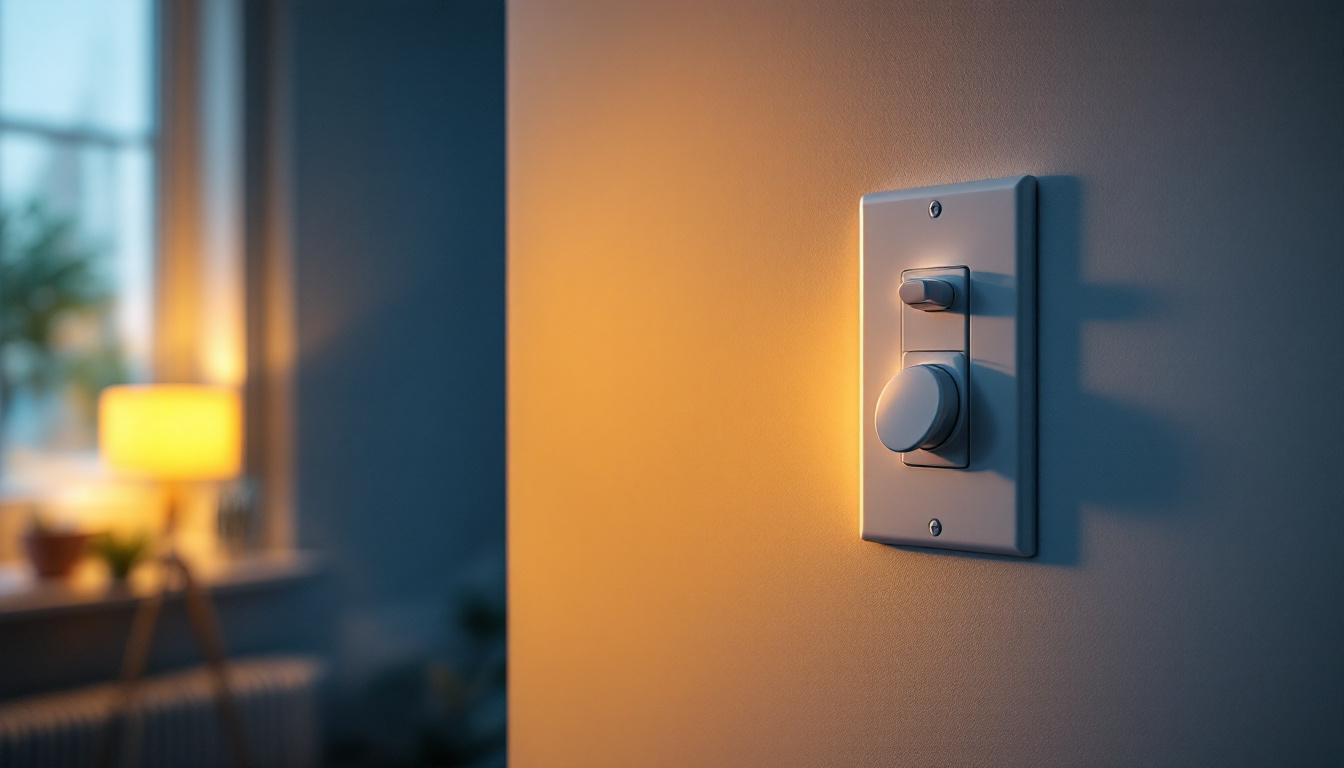
Integrating dimmers, occupancy sensors, or smart lighting controls with retrofit LEDs can further enhance energy efficiency and user convenience. Contractors should recommend compatible control systems that do not cause flickering or reduce LED lifespan.
Common Challenges and How to Overcome Them
While 6 inch retrofit LED lights simplify many aspects of lighting upgrades, contractors may encounter challenges that require troubleshooting and expertise.
Flickering and Dimming Issues
Flickering is often caused by incompatible dimmers or loose wiring connections. Lighting contractors should verify that dimmers are LED-compatible and that all electrical connections are secure. Recommending high-quality dimmers designed for LED loads can prevent these issues.
Fitment Problems
Occasionally, retrofit LEDs may not fit perfectly due to variations in housing dimensions or obstructions such as insulation or wiring. In such cases, contractors can explore alternative retrofit models or consider partial fixture replacement if necessary.
Color Mismatch and Client Dissatisfaction
Clients may sometimes be unhappy with the color temperature or brightness after installation. To mitigate this, contractors should provide samples or demonstrate different color temperatures beforehand. Clear communication about lighting effects and expectations helps ensure client satisfaction.
Conclusion: Elevating Your Retrofit LED Installations
For lighting contractors, mastering the installation and maintenance of 6 inch retrofit LED lights opens doors to efficient, profitable projects that delight clients. By thoroughly assessing existing conditions, adhering to best installation practices, and addressing common challenges proactively, contractors can deliver lighting solutions that combine aesthetics, performance, and energy savings.
Staying informed about the latest retrofit technologies and industry standards empowers contractors to offer expert guidance and superior service. As demand for sustainable and cost-effective lighting continues to grow, proficiency in 6 inch retrofit LED installations will remain a valuable skill in the contractor’s toolkit.
Get Your Premium Retrofit LED Lights at LumenWholesale
Ready to elevate your lighting projects with the best 6 inch retrofit LED lights in the market? Look no further than LumenWholesale. Our commitment to quality and affordability ensures that you have access to spec-grade lighting products that meet your high standards without breaking the bank. Say goodbye to local distributor markups and hello to our unbeatable wholesale prices, complete with the convenience of free shipping on bulk orders. Don’t compromise on quality or value; choose LumenWholesale for your lighting needs and make every installation a shining success. Wholesale Lighting at the Best Value is just a click away.