Introduction to Outdoor House Wall Lights
Outdoor house wall lights serve as both functional and aesthetic elements in residential lighting design. For lighting contractors, understanding the nuances of these fixtures is crucial to delivering installations that meet client expectations, comply with safety standards, and enhance the property’s curb appeal. These lights not only illuminate pathways and entryways but also contribute significantly to the overall ambiance and security of a home. The right choice of outdoor lighting can transform a mundane exterior into a welcoming space, making it essential for contractors to consider factors such as style, brightness, and placement.
With the increasing demand for energy-efficient and smart lighting solutions, contractors must stay informed about the latest technologies, materials, and installation best practices. This includes familiarity with LED technology, which not only offers longevity and reduced energy consumption but also provides a range of color temperatures to suit various design preferences. Additionally, smart outdoor lighting systems allow homeowners to control their lights remotely, set schedules, and even integrate with home automation systems, providing an added layer of convenience and security. This comprehensive guide explores the essential knowledge every lighting contractor should possess when working with outdoor house wall lights.
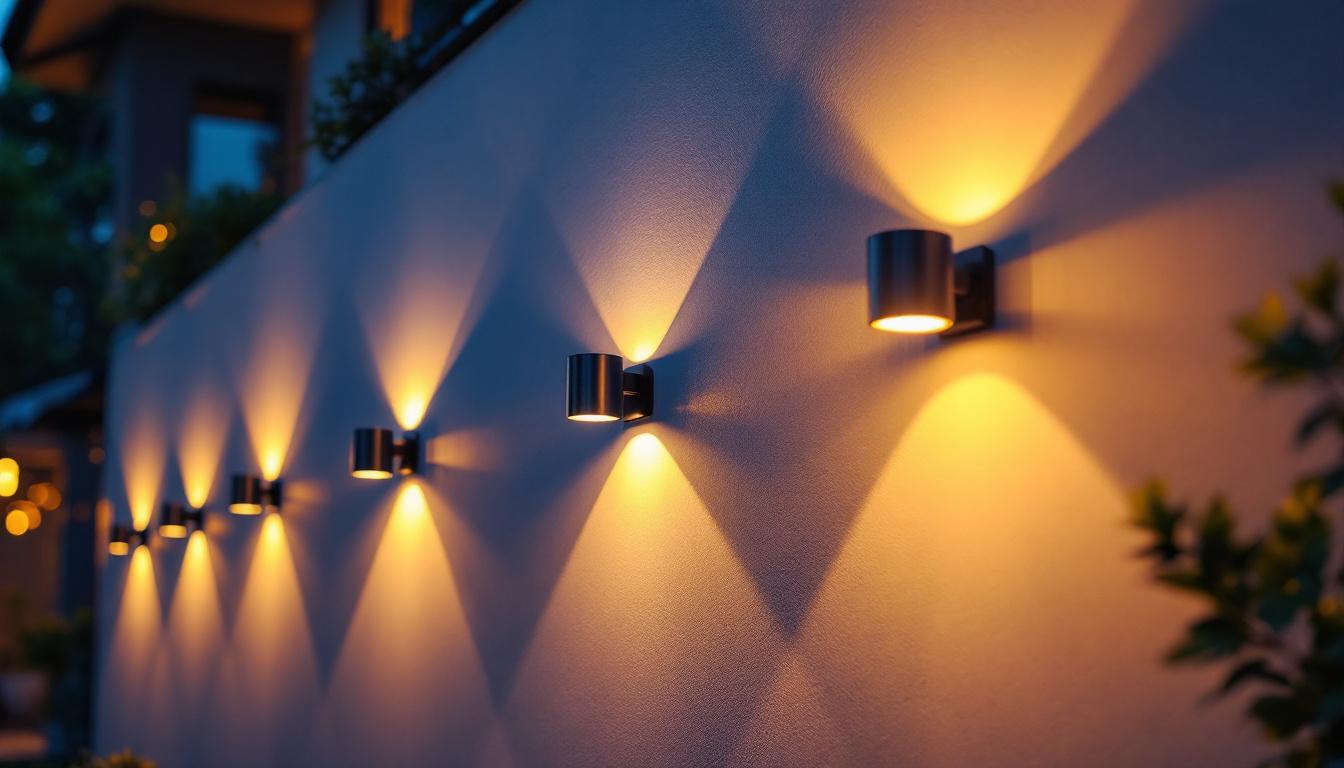
Moreover, understanding the different styles of outdoor wall lights is key to meeting diverse client needs. From traditional lanterns that evoke a classic charm to sleek, modern fixtures that complement contemporary architecture, the variety is vast. Contractors should also be aware of the significance of light distribution; wall-mounted fixtures can create dramatic shadows and highlight architectural features, enhancing the visual interest of the property. Furthermore, considerations such as weather resistance and durability are paramount, especially in regions prone to harsh weather conditions. Selecting materials that withstand the elements, such as corrosion-resistant metals and UV-protected finishes, ensures longevity and reduces the need for frequent replacements.
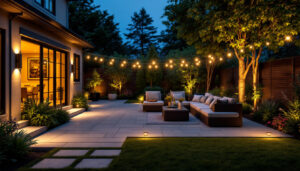
Another important aspect is the integration of outdoor wall lights with landscape design. Properly placed lighting can accentuate garden features, illuminate pathways, and create a safe environment for evening gatherings. Collaborating with landscape architects or designers can provide a holistic approach to outdoor lighting, ensuring that fixtures not only serve their purpose but also blend seamlessly with the natural surroundings. By taking these factors into account, lighting contractors can elevate their installations, providing clients with not just light, but an enhanced outdoor experience that reflects their style and lifestyle.
Types of Outdoor Wall Lights and Their Applications
Traditional vs. Modern Designs
Outdoor wall lights come in a variety of styles, from classic lanterns to sleek, contemporary fixtures. Traditional designs often feature ornate metalwork and glass enclosures, evoking a timeless charm suitable for period homes or those seeking a vintage aesthetic. In contrast, modern fixtures emphasize minimalism, clean lines, and innovative materials like brushed aluminum or polycarbonate. These modern designs not only serve a functional purpose but also act as artistic statements, enhancing the overall appeal of the property.
Choosing the right style depends on the architectural context and the homeowner’s preferences. Contractors should be prepared to advise clients on options that complement the exterior design while providing adequate illumination. For instance, a rustic farmhouse may benefit from wrought iron sconces that blend seamlessly with its surroundings, while a contemporary home might look best with geometric fixtures that align with its sleek facade. Additionally, the finish of the fixtures—whether matte, glossy, or textured—can further influence the aesthetic, allowing homeowners to express their personal style while ensuring functionality.
Functional Categories: Security, Accent, and Ambient Lighting
Understanding the functional purpose of outdoor wall lights is essential. Security lighting typically involves bright, motion-activated fixtures designed to deter intruders and illuminate dark areas. Accent lighting highlights architectural features, landscaping, or decorative elements, often using softer, directional light. Ambient lighting provides general illumination for outdoor living spaces, creating a welcoming atmosphere. Each of these categories plays a crucial role in enhancing safety and usability, while also contributing to the overall ambiance of the outdoor environment.
Contractors must assess the site’s requirements and recommend fixtures accordingly, sometimes integrating multiple types to achieve a balanced lighting scheme. For example, a well-lit entryway might combine security lights with ambient fixtures to create a safe yet inviting space. Furthermore, the use of smart lighting technology can enhance these functionalities; homeowners can control brightness levels and schedules through mobile apps, ensuring that their outdoor areas are both secure and beautifully illuminated at all times. This integration of technology not only adds convenience but also allows for energy efficiency, making outdoor spaces more sustainable and user-friendly.
Key Considerations for Installation
Compliance with Electrical Codes and Safety Standards
Outdoor lighting installations must adhere to local electrical codes and safety regulations to ensure reliability and prevent hazards. This includes using fixtures rated for wet or damp locations, proper grounding, and weatherproof junction boxes. The National Electrical Code (NEC) provides guidelines on wiring methods, circuit protection, and fixture placement that contractors must follow rigorously.
Failing to comply can result in safety risks, code violations, and costly rework. Staying current with code updates and manufacturer instructions is a non-negotiable aspect of professional practice.
Power Sources and Energy Efficiency
Most outdoor wall lights operate on standard line voltage, but low-voltage systems are also popular for their safety and energy savings. LED technology dominates the market due to its long lifespan and low power consumption. Contractors should prioritize LED fixtures and compatible drivers or transformers to optimize performance and reduce operational costs.
Solar-powered wall lights offer an alternative in areas where wiring is impractical, though their brightness and reliability can vary. Discussing power options with clients helps align the lighting solution with their budget and sustainability goals.
Placement and Mounting Techniques
Proper placement is vital for maximizing the effectiveness of outdoor wall lights. Fixtures should be mounted at heights that prevent glare while providing sufficient coverage. For entryways, a height of approximately 66 to 72 inches above the ground is standard, but this can vary based on fixture design and door dimensions.
Contractors must also consider the mounting surface material—whether brick, stucco, wood, or siding—and use appropriate anchors and sealants to ensure a secure, weatherproof installation. Attention to detail in mounting prevents water intrusion and fixture damage over time.
Material Durability and Weather Resistance
Choosing Weather-Resistant Materials
Outdoor wall lights are exposed to a range of environmental conditions, including rain, snow, UV radiation, and temperature fluctuations. Materials such as stainless steel, brass, aluminum with powder coating, and high-grade plastics are preferred for their corrosion resistance and durability.
Contractors should evaluate the local climate and recommend fixtures with suitable ingress protection (IP) ratings. An IP rating of IP44 or higher is generally recommended for outdoor wall lights to ensure protection against water splashes and solid particles.
Maintenance Considerations
Durable materials reduce maintenance frequency, but contractors should advise clients on routine cleaning and inspection to maintain fixture appearance and functionality. For example, glass panels may require periodic cleaning to prevent dirt buildup, and seals should be checked to avoid moisture ingress.
Offering maintenance tips enhances customer satisfaction and prolongs the lifespan of the installation.
Integrating Smart and Automated Lighting Solutions
Benefits of Smart Outdoor Wall Lights
Smart lighting systems offer enhanced control, energy efficiency, and security features. Integration with home automation platforms allows homeowners to schedule lighting, adjust brightness, and receive alerts remotely. Motion sensors, dusk-to-dawn photocells, and color-changing LEDs expand the functionality of outdoor wall lights beyond traditional uses.
Lighting contractors who understand smart technologies can provide added value by designing systems that meet modern lifestyle demands.
Installation Challenges and Solutions
Smart lighting often requires additional wiring, network connectivity, and compatibility checks. Contractors must be proficient in configuring wireless protocols such as Zigbee, Z-Wave, or Wi-Fi and troubleshooting connectivity issues. Proper planning during installation ensures seamless operation and minimizes post-installation support calls.
Training and certification in smart lighting products can position contractors as experts in this rapidly evolving field.
Energy Codes and Sustainability Trends
Adhering to Energy Efficiency Standards
Many jurisdictions enforce energy codes that mandate minimum efficiency levels for outdoor lighting. These codes often specify maximum wattage, require the use of LEDs, and encourage controls like timers or motion sensors. Lighting contractors must be familiar with local regulations to ensure compliance and avoid penalties.
Incorporating energy-efficient fixtures and controls not only meets code requirements but also appeals to environmentally conscious clients.
Promoting Sustainable Lighting Practices
Beyond compliance, contractors can advocate for sustainable lighting by recommending fixtures with recyclable materials, low light pollution designs, and adaptive controls that reduce unnecessary energy use. Educating clients about the environmental impact of lighting choices fosters trust and supports long-term relationships.
Common Challenges and How to Overcome Them
Dealing with Uneven Surfaces and Mounting Obstacles
Outdoor walls are rarely perfectly flat or uniform, which can complicate fixture installation. Contractors should carry a variety of mounting brackets, spacers, and sealants to adapt to different surfaces. Custom fabrication or adjustments may be necessary for unique architectural features.
Proper site assessment and preparation prevent installation delays and ensure a professional finish.
Addressing Electrical Supply Issues
Older homes may have outdated wiring or insufficient circuit capacity for modern outdoor lighting. Contractors must evaluate the electrical system and recommend upgrades if needed, such as adding dedicated circuits or installing ground-fault circuit interrupters (GFCIs) for safety.
Clear communication with clients about potential additional costs and timelines is essential for managing expectations.
Conclusion: Elevating Outdoor Lighting Installations
Mastering the intricacies of outdoor house wall lights empowers lighting contractors to deliver superior results that enhance safety, beauty, and energy efficiency. By staying informed about design trends, technical requirements, and emerging technologies, contractors can confidently guide clients through the selection and installation process.
Attention to detail, adherence to codes, and a commitment to quality workmanship distinguish successful contractors in a competitive market. Outdoor wall lighting is more than just illumination—it is an opportunity to transform a home’s exterior and create lasting impressions.
Get Your Premium Outdoor Lighting at LumenWholesale
Ready to elevate your outdoor lighting installations with products that promise safety, beauty, and energy efficiency? Look no further than LumenWholesale for a vast selection of top-quality, spec-grade lighting products at unbeatable wholesale prices. Say goodbye to inflated markups and hello to superior lighting that meets the highest industry standards. With free shipping on bulk orders, LumenWholesale ensures you get the best value without hidden fees or compromises. Make your next project shine with the perfect blend of quality, affordability, and convenience. Wholesale Lighting at the Best Value is just a click away.