Understanding the Role of Dryer Electrical Outlets in Lighting Efficiency
For lighting contractors, the connection between electrical outlets for dryers and overall lighting efficiency might not be immediately obvious. However, optimizing these outlets plays a crucial role in ensuring that a building’s electrical system functions smoothly, safely, and efficiently. Dryers are among the highest energy-consuming appliances in residential and commercial settings, and their electrical requirements can impact the distribution and management of power throughout a property.
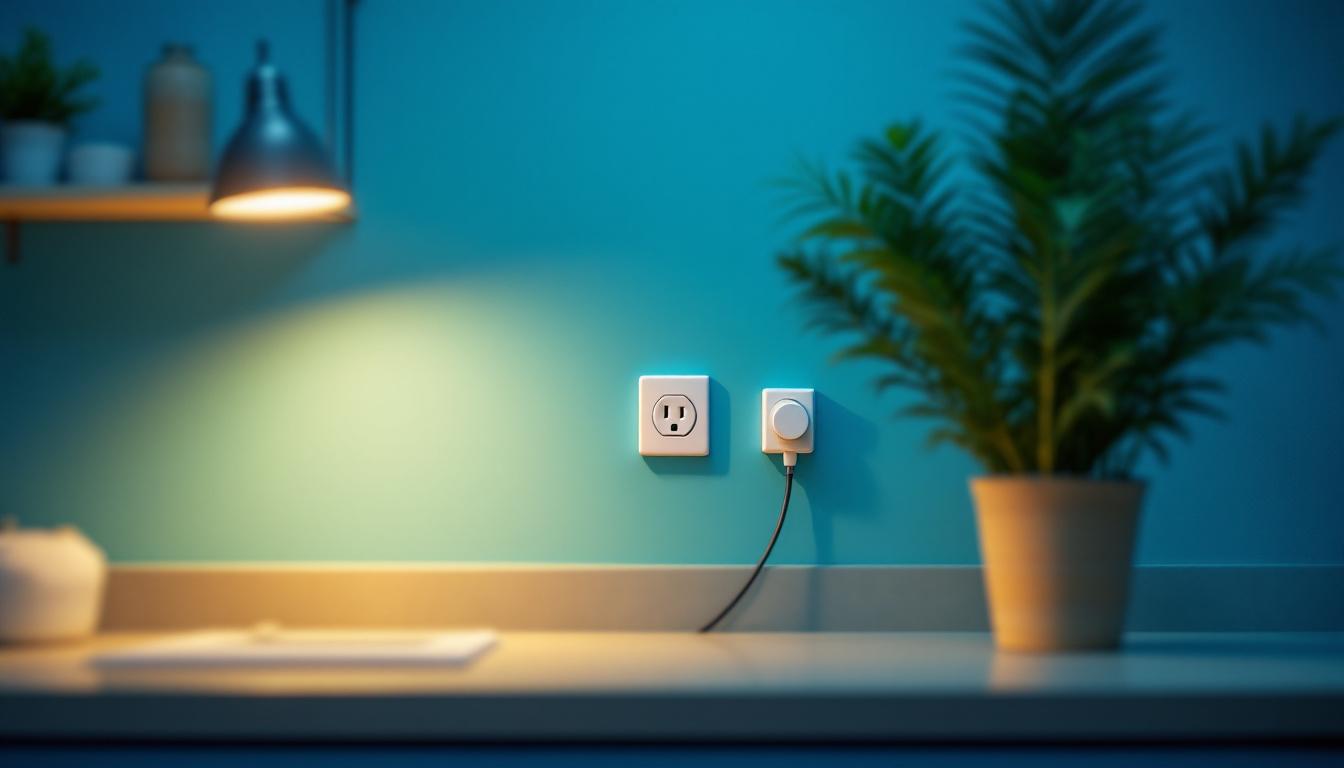
Electrical outlets for dryers are designed to handle high voltage and amperage, typically 240 volts and 30 amps, to accommodate the heavy load of these appliances. When these outlets are improperly installed or maintained, they can cause voltage drops or electrical interference that may affect lighting circuits. This can lead to flickering lights, reduced bulb lifespan, or uneven illumination, which are significant concerns for lighting contractors aiming to deliver optimal lighting performance.
Therefore, understanding the specifications, installation standards, and maintenance requirements of dryer outlets is essential. This knowledge helps contractors anticipate potential electrical issues and design lighting systems that maintain consistent performance even under heavy load conditions. Additionally, the proximity of dryer outlets to lighting circuits can further complicate the situation. If not properly isolated, the electromagnetic interference generated by a dryer can disrupt the operation of nearby lighting fixtures, causing dimming or erratic behavior. This necessitates careful planning during the installation phase, ensuring that the electrical layout minimizes any adverse effects on lighting systems.
Moreover, the integration of modern energy-efficient lighting solutions, such as LED fixtures, can also be impacted by the electrical quality provided by dryer outlets. LEDs are sensitive to voltage fluctuations, and if the electrical supply is unstable due to issues with dryer outlets, it can lead to premature failure or inconsistent brightness. As such, lighting contractors must not only focus on the aesthetics and functionality of lighting design but also consider the underlying electrical infrastructure that supports it. By ensuring that dryer outlets are properly installed and maintained, contractors can enhance the reliability and efficiency of the entire electrical system, ultimately leading to improved lighting performance and energy savings for their clients.
Key Electrical Standards and Codes for Dryer Outlets
Compliance with National Electrical Code (NEC) Requirements
The National Electrical Code (NEC) provides detailed guidelines for the installation of dryer outlets to ensure safety and efficiency. For lighting contractors, familiarity with these codes is indispensable, as improper installation can lead to hazardous conditions or inefficiencies that affect the entire electrical system.
NEC mandates that dryer outlets must be dedicated circuits, meaning they should not share wiring with lighting or other appliances. This separation prevents overloads that can cause circuit breakers to trip, interrupting lighting and other systems. The code also specifies the type of receptacle and plug configuration to prevent mismatching and ensure secure connections. Additionally, the NEC outlines specific amperage requirements for different types of dryers, which can vary based on their design and energy consumption. Understanding these specifications is crucial for contractors to ensure that the electrical system can handle the load without risk of overheating or failure.
Grounding and Circuit Protection
Proper grounding is another critical aspect. A well-grounded dryer outlet reduces the risk of electrical shock and minimizes electrical noise that can interfere with sensitive lighting controls, such as dimmers and smart lighting systems. Circuit protection devices, including breakers and fuses, must be rated correctly to handle the dryer’s load without compromising other circuits.
Moreover, the installation of ground fault circuit interrupters (GFCIs) is often recommended in areas where moisture is present, such as laundry rooms. GFCIs provide an additional layer of safety by quickly cutting off power in the event of a ground fault, thereby protecting users from potential electrocution. It’s also essential for contractors to ensure that the wiring used for dryer outlets is of the appropriate gauge to handle the high current draw, which typically requires a minimum of 10-gauge wire for 30-amp circuits. This attention to detail not only complies with safety standards but also enhances the longevity and reliability of the electrical system.
Choosing the Right Electrical Outlet for Dryers to Enhance Lighting Efficiency
Types of Dryer Outlets and Their Impact
Dryer outlets primarily come in two configurations: 3-prong and 4-prong. The 4-prong outlet, which includes a separate ground wire, is the modern standard and offers enhanced safety and reliability. Lighting contractors should advocate for 4-prong outlets in new installations or upgrades to reduce electrical noise and improve system stability. The presence of a dedicated ground wire not only minimizes the risk of electrical shock but also helps in maintaining a cleaner electrical signal, which is essential for sensitive lighting systems that may be affected by fluctuations in power quality.
Using the correct outlet type ensures that the dryer operates within its designed electrical parameters, preventing voltage fluctuations that could affect lighting circuits. Additionally, high-quality outlets with robust contacts reduce resistance and heat buildup, contributing to overall electrical efficiency. It’s worth noting that using a 3-prong outlet in a 4-prong setup can lead to potential hazards, as the lack of a ground wire increases the risk of electrical faults. Therefore, ensuring that the right outlet is installed not only enhances the performance of the dryer but also safeguards the integrity of the entire electrical system.
Material and Build Quality Considerations
Investing in outlets made from durable materials with corrosion-resistant contacts can extend the lifespan of the electrical connection and maintain consistent performance. This is particularly important in environments prone to moisture or temperature variations, where degraded outlets can cause intermittent electrical issues impacting lighting. For instance, in laundry rooms or basements where humidity levels can fluctuate, selecting outlets with weather-resistant features can help mitigate the risk of corrosion and ensure a reliable connection over time.
Moreover, the build quality of the outlet can significantly influence not just durability but also the ease of installation and maintenance. Outlets designed with user-friendly features, such as easy-access terminals and clear labeling, can simplify the installation process for electricians and reduce the likelihood of wiring errors. Additionally, some modern outlets come equipped with smart technology, allowing for enhanced monitoring of electrical usage and potential overloads, which can be particularly beneficial in settings where multiple high-draw appliances are used simultaneously. This integration of technology not only improves safety but also aids in optimizing energy consumption, making it a wise choice for both residential and commercial applications.
Installation Best Practices for Dryer Outlets to Support Lighting Systems
Proper Circuit Design and Load Balancing
One of the most effective ways to optimize dryer outlets for lighting efficiency is through thoughtful circuit design. Lighting contractors should collaborate with electricians to ensure that dryer circuits are isolated and balanced across the electrical panel. Load balancing prevents excessive voltage drops that could dim lights or cause flickering.
Using dedicated circuits with appropriately rated breakers ensures that the dryer’s high power draw does not interfere with lighting circuits. Additionally, incorporating surge protection devices can safeguard lighting equipment from transient voltage spikes caused by dryer startup cycles.
Correct Wiring Techniques and Connection Integrity
Ensuring tight, secure connections during installation reduces resistance and potential heat generation. Loose or corroded connections in dryer outlets can lead to voltage instability, which adversely affects sensitive lighting components. Using proper wire gauges, connectors, and following torque specifications is essential for maintaining electrical integrity.
Maintenance Strategies to Sustain Efficiency and Safety
Regular Inspection and Testing
Routine inspection of dryer outlets can identify early signs of wear, corrosion, or damage that might compromise electrical performance. For lighting contractors, recommending periodic checks as part of building maintenance plans helps prevent unexpected lighting issues caused by electrical faults in dryer circuits.
Testing outlets with voltage meters and thermal imaging cameras can reveal hidden problems such as overheating or voltage drops, allowing for timely repairs that preserve lighting quality.
Upgrading Outlets and Components
As technology advances, upgrading older dryer outlets to modern standards can enhance overall electrical system efficiency. Newer outlets with improved contact designs and materials can reduce electrical resistance and noise, benefiting lighting systems connected to the same panel.
Integrating Smart Technologies for Advanced Efficiency
Smart Circuit Breakers and Load Monitoring
Incorporating smart circuit breakers that monitor load and voltage in real-time can provide valuable data to optimize electrical distribution. Lighting contractors can leverage this information to adjust lighting controls dynamically, ensuring consistent illumination even when heavy appliances like dryers are in use.
Coordinating Dryer Outlets with Smart Lighting Systems
Smart lighting systems that respond to electrical load changes can mitigate the effects of voltage fluctuations caused by dryers. For instance, adaptive dimming can compensate for minor voltage drops, maintaining visual comfort and energy efficiency.
Case Studies and Practical Examples
Residential Application: Preventing Flicker in Multi-Appliance Homes
In a multi-appliance residential setting, improper dryer outlet installation led to noticeable flickering in LED lighting fixtures. After assessing the electrical panel and circuits, the contractor identified shared circuits causing voltage drops. By installing a dedicated 4-prong dryer outlet on a separate circuit and upgrading the panel breakers, the flickering was eliminated, and lighting performance stabilized.
Commercial Laundry Facility: Enhancing Lighting Consistency
A commercial laundry facility experienced frequent lighting disruptions during peak dryer usage. Implementing load balancing across circuits and integrating surge protection devices for dryer outlets resulted in smoother electrical flow. The lighting contractor also introduced smart breakers to monitor load patterns, enabling proactive adjustments that maintained consistent lighting levels and reduced maintenance calls.
Conclusion: The Critical Intersection of Dryer Outlets and Lighting Efficiency
For lighting contractors, understanding and optimizing electrical outlets for dryers is a vital component of delivering high-quality lighting solutions. Proper installation, adherence to electrical codes, and maintenance of dryer outlets not only ensure safety but also protect lighting systems from voltage instability and interference.
By selecting the right outlet types, employing best installation practices, and integrating smart technologies, contractors can significantly enhance lighting efficiency and reliability. This holistic approach benefits clients by reducing energy waste, minimizing maintenance costs, and improving overall electrical system performance.
Ultimately, the synergy between dryer outlet optimization and lighting system design underscores the importance of a comprehensive electrical strategy, positioning lighting contractors as key contributors to building efficiency and occupant satisfaction.
Illuminate Your Projects with LumenWholesale
Ready to elevate your lighting installations with premium products that promise efficiency and longevity? Look no further than LumenWholesale, where we specialize in providing contractors with high-quality, specification-grade lighting solutions at unbeatable wholesale prices. Our commitment to excellence ensures that you have access to an extensive selection of lighting products that meet the highest industry standards. Plus, with the convenience of free shipping on bulk orders, you can enjoy the best value without any hidden fees or compromises. Enhance your lighting projects today by visiting Wholesale Lighting at the Best Value and discover the LumenWholesale difference.