Introduction to USB Duplex Receptacles
In today’s fast-evolving electrical landscape, USB duplex receptacles have become an essential component in residential, commercial, and industrial lighting projects. For lighting contractors, understanding the nuances of these devices is crucial not only for meeting client expectations but also for ensuring compliance with electrical codes and enhancing overall project value.
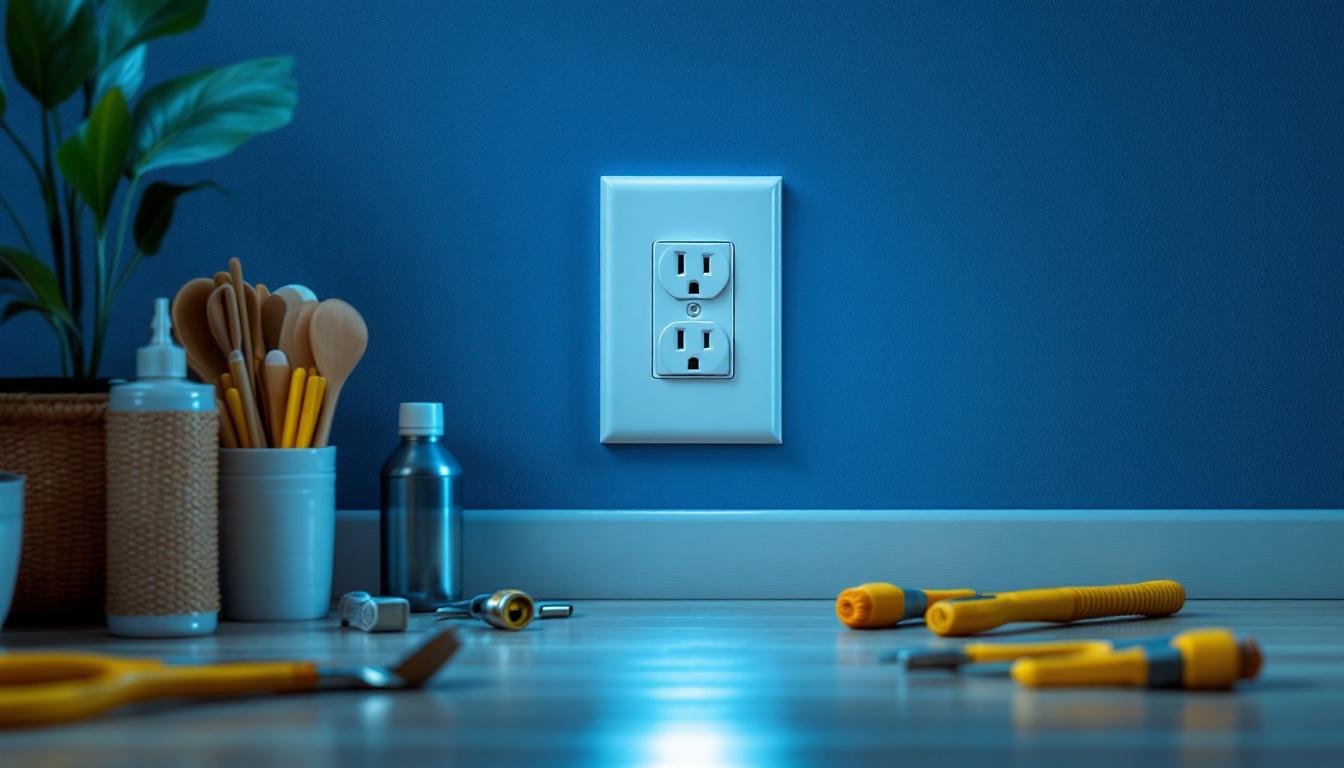
USB duplex receptacles combine traditional electrical outlets with integrated USB charging ports, allowing users to power devices directly without the need for separate adapters. This innovation has transformed how spaces are wired, especially in environments where convenience and functionality are paramount.
Moreover, the rise of smart devices has further increased the demand for USB duplex receptacles, as more households and businesses rely on smartphones, tablets, and other portable electronics. These receptacles not only streamline the charging process but also contribute to a cleaner, more organized appearance by reducing the clutter of multiple chargers and cords. In commercial settings, such as offices and conference rooms, the ability to charge devices quickly and efficiently can enhance productivity and improve the overall user experience.
Additionally, USB duplex receptacles are designed with various amperage ratings, catering to different charging needs. Some models offer fast charging capabilities, which can significantly reduce the time required to power up devices. This feature is particularly beneficial in high-traffic areas, such as airports, coffee shops, and educational institutions, where users often seek quick and accessible charging solutions. As technology continues to advance, the integration of USB receptacles into electrical systems is likely to expand, paving the way for even more innovative designs and functionalities that cater to the evolving needs of consumers.
Why USB Duplex Receptacles Matter for Lighting Contractors
Meeting Modern Consumer Demands
The proliferation of USB-powered devices—from smartphones and tablets to smart home gadgets—has driven demand for accessible charging points. Lighting contractors who incorporate USB duplex receptacles into their installations are better positioned to offer modern, user-friendly solutions that align with contemporary lifestyle needs.
Clients increasingly expect built-in USB charging capabilities in kitchens, bedrooms, offices, and public spaces. By integrating USB duplex receptacles, contractors can enhance the appeal and functionality of their projects, often leading to higher customer satisfaction and repeat business. Moreover, the convenience of having charging ports readily available can transform how spaces are utilized, encouraging more dynamic interactions among family members or colleagues as they gather around shared charging stations.
As technology continues to evolve, the demand for more charging options is likely to rise. By staying ahead of these trends, contractors not only meet current consumer expectations but also position themselves as forward-thinking professionals who understand the importance of adaptability in their work. This foresight can be a significant differentiator in a competitive market, making it essential for contractors to keep abreast of the latest innovations in electrical installations.
Enhancing Project Efficiency and Aesthetics
USB duplex receptacles reduce clutter caused by multiple adapters and charging cables. This streamlined approach complements lighting designs that emphasize clean lines and minimalism. Additionally, these receptacles can simplify wiring and reduce the number of outlets needed, which can be beneficial in tight spaces or areas with limited wall real estate.
From a contractor’s perspective, installing USB duplex receptacles can also save time during the finishing phase, as fewer devices and cords need to be managed. This efficiency can translate into cost savings and smoother project timelines. Furthermore, the aesthetic appeal of a well-integrated USB receptacle can enhance the overall design of a room, allowing for a seamless blend of functionality and style. The availability of various designs and finishes means that contractors can choose options that complement existing decor, ensuring that the installation not only serves a practical purpose but also contributes to the overall ambiance of the space.
Moreover, the integration of USB duplex receptacles can also be an opportunity for contractors to educate their clients about energy efficiency and smart home technology. By discussing the benefits of using these modern receptacles, such as energy-saving features and the potential for future upgrades, contractors can foster a deeper relationship with their clients, positioning themselves as trusted advisors in the ever-evolving landscape of home technology.
Technical Specifications and Considerations
Understanding Electrical Ratings and Compatibility
USB duplex receptacles typically come with varying electrical ratings that lighting contractors must understand to ensure safe and effective installations. Most models support standard 15-amp or 20-amp circuits and include USB ports rated for 5 volts DC output, often with varying amperage capabilities such as 2.4A or higher for fast charging.
It is essential to verify that the receptacle’s amperage and voltage ratings align with the circuit’s specifications and the client’s device requirements. Overloading a USB port or mismatching ratings can lead to device damage or electrical hazards. Additionally, understanding the nuances of power distribution in multi-port configurations is crucial, as some receptacles may share power across multiple ports, potentially affecting charging speeds when multiple devices are connected simultaneously.
Types of USB Ports and Charging Technologies
USB duplex receptacles may feature different types of USB ports, including USB-A, USB-C, or a combination of both. USB-C ports are increasingly popular due to their reversible design and ability to deliver higher power levels, supporting fast charging for a broader range of devices.
Some receptacles incorporate advanced charging technologies such as Power Delivery (PD) or Quick Charge, which optimize charging speeds and efficiency. Lighting contractors should be familiar with these technologies to recommend the best options based on client needs and device compatibility. For instance, Power Delivery can dynamically adjust the voltage and current based on the device’s requirements, making it ideal for charging everything from smartphones to laptops, while Quick Charge technology can significantly reduce charging time for compatible devices, enhancing user convenience and satisfaction.
Code Compliance and Safety Standards
Compliance with the National Electrical Code (NEC) and other local regulations is non-negotiable. USB duplex receptacles must meet UL (Underwriters Laboratories) or equivalent safety certifications to ensure they are safe for residential and commercial use.
Lighting contractors should also be aware of specific code requirements related to tamper-resistant receptacles, ground-fault circuit interrupters (GFCI), and arc-fault circuit interrupters (AFCI), especially in areas like kitchens, bathrooms, and outdoor spaces. Many USB duplex receptacles now come with integrated tamper-resistant features to meet these standards. Furthermore, understanding the implications of installation locations is vital; for example, outdoor installations may require additional weatherproofing measures to prevent moisture ingress, while indoor installations might necessitate considerations for accessibility and ease of use, ensuring that the receptacles are conveniently located for user interaction without compromising safety or aesthetics.
Installation Best Practices for Lighting Contractors
Pre-Installation Planning
Before installation, contractors should assess the project’s electrical layout to determine optimal receptacle placement. Considerations include proximity to workstations, furniture, and lighting fixtures, as well as anticipated device usage patterns. This initial assessment not only enhances functionality but also contributes to the overall aesthetic of the space, ensuring that the lighting complements the interior design. Engaging with the client during this phase can also reveal specific preferences or requirements that may not have been initially discussed, such as the need for dimmable lighting or specific color temperatures that align with the client’s vision.
It is advisable to consult with clients about their device charging habits and preferences for USB port types. This information can guide the selection of receptacles that best meet functional and aesthetic requirements. Additionally, understanding the types of devices that will frequently be used can influence the number and placement of USB ports. For instance, if the client regularly uses multiple devices simultaneously, it may be beneficial to install receptacles with higher amperage ratings or those featuring multiple USB ports to accommodate their needs efficiently.
Wiring and Mounting Tips
Proper wiring is critical for the safe operation of USB duplex receptacles. Contractors should follow manufacturer instructions meticulously, ensuring secure connections and proper grounding. Using high-quality wiring materials and tools reduces the risk of electrical faults. Furthermore, it is prudent to familiarize oneself with local electrical codes and regulations, as these can vary significantly and may dictate specific requirements for installations, particularly in commercial settings where safety standards are more stringent.
When mounting, ensure that the receptacle is flush with the wall surface and that faceplates fit securely. In some cases, contractors may need to adjust electrical boxes or wall cutouts to accommodate the slightly larger size of USB duplex receptacles compared to standard outlets. Additionally, considering the height at which these receptacles are installed can greatly affect usability; placing them at a comfortable height for users can enhance the overall experience, particularly in spaces like kitchens or home offices where devices are frequently plugged in and unplugged.
Testing and Troubleshooting
After installation, thorough testing is essential. Use appropriate testers to verify correct voltage, grounding, and USB port functionality. Testing ensures that both the traditional outlets and USB ports deliver power safely and efficiently. It is also beneficial to conduct load testing to ensure that the circuits can handle the expected electrical demand without tripping breakers or causing overheating, particularly in high-use areas.
If issues arise, common troubleshooting steps include checking wiring connections, verifying circuit breakers, and consulting the manufacturer’s support resources. Promptly addressing problems prevents client dissatisfaction and potential safety hazards. Additionally, documenting the installation process and any troubleshooting steps taken can be invaluable for future reference, allowing contractors to provide better service and support for their clients over time. This practice not only fosters trust but also positions the contractor as a knowledgeable resource for ongoing electrical needs and upgrades.
Emerging Trends and Future Outlook
Integration with Smart Lighting and Home Automation
USB duplex receptacles are increasingly being integrated with smart home systems. Some models now feature smart controls that allow users to monitor energy consumption, schedule charging times, or even control USB power remotely via mobile apps.
For lighting contractors, this trend represents an opportunity to expand service offerings by combining lighting installations with smart receptacle technology, creating more interconnected and efficient environments.
Energy Efficiency and Sustainability Considerations
Energy-efficient USB duplex receptacles are gaining traction, featuring low standby power consumption and auto-shutoff capabilities to minimize wasted energy. These features align with growing client interest in sustainable building practices and can contribute to green building certifications.
Contractors who prioritize energy-efficient products can position themselves as leaders in environmentally responsible construction, appealing to a broader client base.
Conclusion: Maximizing Value with USB Duplex Receptacles
For lighting contractors, mastering the technical, practical, and regulatory aspects of USB duplex receptacles is essential for delivering high-quality, future-ready electrical solutions. These devices not only enhance user convenience but also contribute to cleaner, more efficient, and aesthetically pleasing installations.
By staying informed about the latest technologies, adhering to best installation practices, and anticipating client needs, contractors can leverage USB duplex receptacles to differentiate their services and drive project success in a competitive market.
Upgrade Your Lighting Projects with LumenWholesale
Ready to take your lighting installations to the next level with USB duplex receptacles? At LumenWholesale, we provide lighting contractors with the highest quality, spec-grade lighting products at exceptional wholesale prices. Our comprehensive selection is designed to meet rigorous industry standards, ensuring you have access to reliable and high-performance lighting solutions for every project. With the added benefits of free shipping and no middleman markups, you can enjoy premium lighting at the best value. Elevate your projects with the perfect combination of quality, affordability, and convenience. Visit LumenWholesale today and discover how we can help you achieve success in the competitive lighting market.