Understanding the Importance of Exterior Barn Lighting
Exterior barn lighting serves multiple critical functions beyond mere illumination. For lighting contractors, recognizing these roles is essential to designing and installing systems that meet both client needs and regulatory standards. Proper lighting enhances safety, security, and operational efficiency, while also contributing to the aesthetic appeal of the barn and surrounding property.
Safety is paramount in agricultural and equestrian environments. Well-designed exterior lighting reduces the risk of accidents by illuminating pathways, entrances, and work areas. This is particularly important during early morning or late evening hours when natural light is limited. Additionally, adequate lighting deters unauthorized access and theft, protecting valuable equipment, livestock, and stored goods.
From a functional perspective, lighting facilitates extended working hours and improves visibility for tasks such as loading, unloading, and equipment maintenance. It also plays a role in animal welfare by minimizing stress caused by sudden changes in light intensity. For lighting contractors, balancing these factors with energy efficiency and compliance requirements is a key challenge.
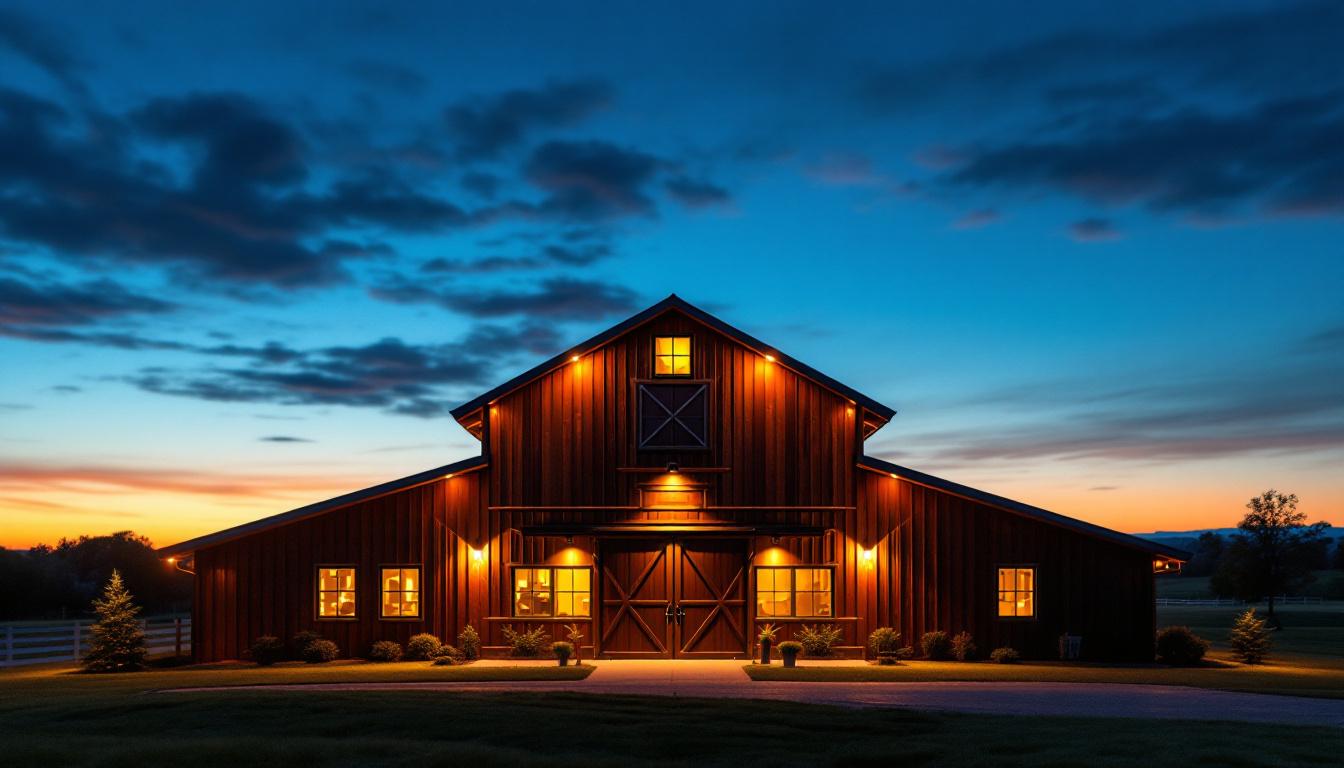
Moreover, the aesthetic aspect of exterior barn lighting cannot be overlooked. Thoughtfully designed lighting can enhance the architectural features of a barn, creating a welcoming atmosphere that complements the surrounding landscape. For instance, strategically placed fixtures can highlight the barn’s structure, making it a focal point during evening events or gatherings. This adds value not only to the property but also to the overall experience of those who work and visit the barn.
In addition to aesthetics, the choice of lighting technology plays a significant role in the effectiveness of exterior barn lighting. LED fixtures, for example, offer energy efficiency and longevity, reducing the frequency of replacements and maintenance. They also provide a range of color temperatures, allowing for customization based on the specific needs of the environment. By utilizing smart lighting solutions, contractors can further enhance functionality, enabling features like motion sensors and timers that optimize energy use while ensuring safety and security at all hours.
Key Compliance Considerations for Exterior Barn Lighting
Local and National Electrical Codes
Compliance with electrical codes is non-negotiable for lighting contractors working on barn exteriors. The National Electrical Code (NEC) provides guidelines for safe electrical installations, including requirements specific to agricultural buildings. These codes address wiring methods, grounding, fixture ratings, and protection against environmental hazards such as moisture and dust.
For example, lighting fixtures installed outdoors must have appropriate ingress protection (IP) ratings to withstand exposure to rain, dust, and temperature fluctuations. Contractors should select fixtures rated for wet or damp locations, ensuring longevity and safety. Additionally, wiring must be protected against physical damage and installed in conduit or other approved methods. It is also essential to consider the placement of electrical panels and junction boxes, ensuring they are accessible yet protected from potential hazards such as livestock or machinery. Regular inspections and maintenance of these installations can prevent costly failures and enhance safety on the property.
Energy Efficiency and Environmental Regulations
Many jurisdictions have adopted energy codes that impact exterior lighting design. These regulations often mandate the use of energy-efficient fixtures such as LED lamps and require controls like timers, motion sensors, or photocells to minimize energy consumption. Lighting contractors must stay current with these evolving standards to ensure installations are both compliant and cost-effective for clients.
Environmental considerations also include minimizing light pollution. Excessive or poorly directed lighting can disrupt local wildlife and contribute to skyglow, affecting neighboring properties. Using shielded fixtures and directing light downward helps mitigate these issues while maintaining effective illumination. Furthermore, implementing smart lighting systems can enhance energy efficiency by adjusting brightness levels based on the time of day or occupancy, thereby reducing unnecessary energy use. Education on the importance of these practices can empower barn owners to make informed decisions that benefit both their operations and the surrounding environment.
Designing Effective Exterior Barn Lighting Systems
Assessing Site-Specific Needs
Every barn and property is unique, requiring a tailored lighting approach. Contractors should begin with a thorough site assessment, considering factors such as barn size, layout, surrounding terrain, and typical activities. Understanding client priorities—whether security, operational functionality, or aesthetics—guides fixture selection and placement.
For instance, a dairy farm with frequent nighttime activity may prioritize bright, uniform lighting around entrances and loading areas. In contrast, a horse barn might emphasize softer lighting to avoid startling animals while still providing sufficient visibility for caretakers. Additionally, the local climate and seasonal variations can influence lighting needs. For example, areas with heavy snowfall may require fixtures that are positioned higher to prevent snow accumulation, while regions prone to fog might benefit from lights with a warmer color temperature to enhance visibility.
Choosing the Right Fixtures and Technologies
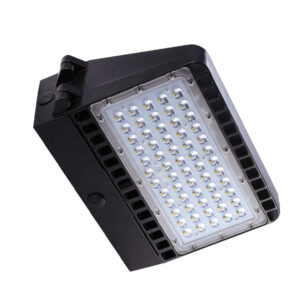
Advancements in lighting technology offer contractors a broad palette of options. LED fixtures are now the industry standard due to their energy efficiency, long lifespan, and versatility. They come in various color temperatures, allowing customization to suit different environments and tasks.
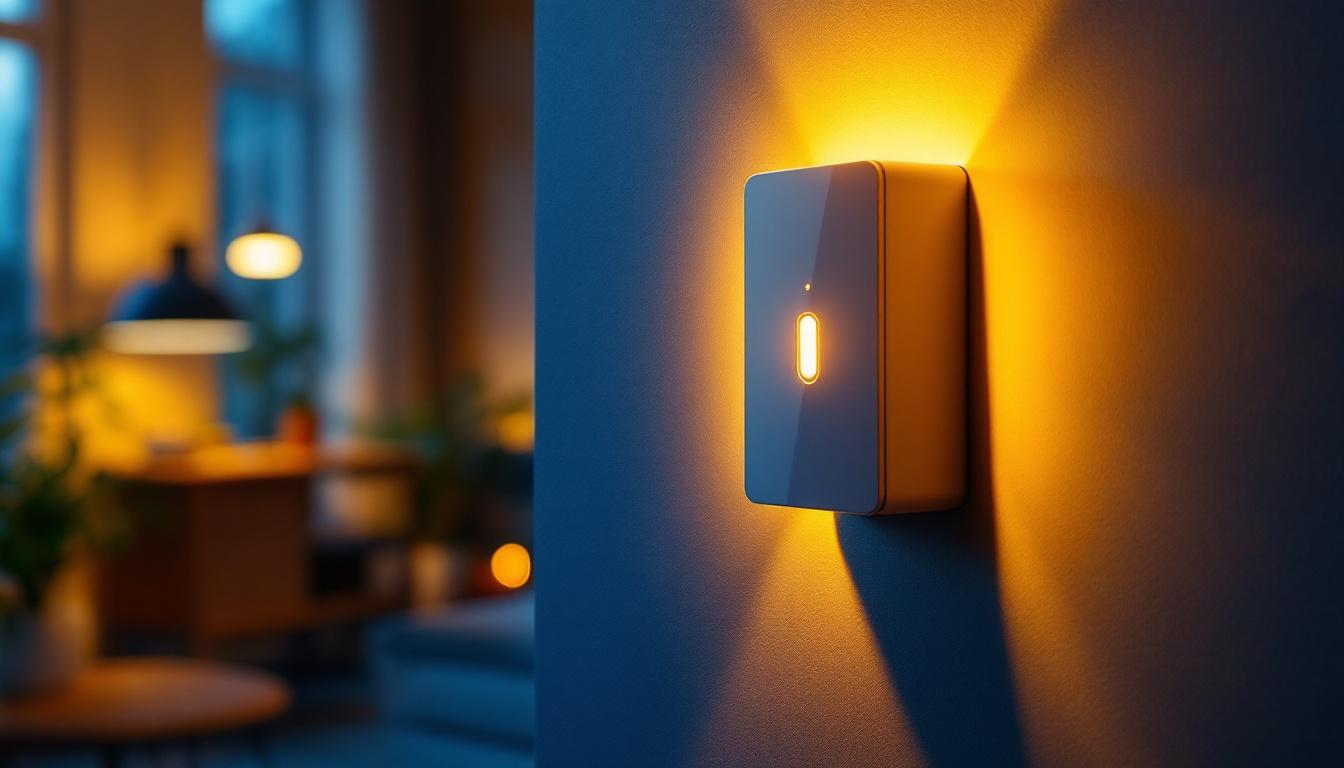
Motion-activated lighting enhances security and energy savings by illuminating areas only when movement is detected. Photocell sensors automatically adjust lighting based on ambient light levels, ensuring lights operate only when needed. Combining these controls with timers can optimize performance and reduce operational costs. Furthermore, smart lighting systems can be integrated into existing farm management technologies, allowing for remote control and monitoring via smartphones or tablets. This integration not only enhances convenience but also provides valuable data on energy consumption and lighting patterns, enabling more informed decisions about usage and efficiency.
Ensuring Proper Light Distribution and Glare Control
Effective exterior lighting requires careful attention to beam angles and fixture placement. Overly broad or poorly aimed lights can cause glare, reducing visibility and creating safety hazards. Contractors should select fixtures with appropriate optics and use shields or louvers to direct light precisely where it is needed.
Layering lighting—combining ambient, task, and accent lighting—can improve overall effectiveness. For example, floodlights provide general illumination, while pathway lights enhance navigation and step lights highlight changes in elevation. This approach creates a balanced environment that supports both safety and operational needs. Additionally, incorporating dimmable fixtures can further enhance flexibility, allowing for adjustments based on specific activities or the time of day. By carefully planning the layout and types of lighting, contractors can create a harmonious atmosphere that not only meets functional requirements but also enhances the overall aesthetic appeal of the barn and its surroundings.
Installation Best Practices for Lighting Contractors
Preparing the Site and Infrastructure
Proper preparation is crucial for a successful installation. Contractors should verify that the electrical supply and distribution systems are adequate for the planned lighting load. This may involve upgrading panels, circuits, or conduit runs to comply with code and accommodate future expansions.
Trenching and conduit installation must protect wiring from mechanical damage and environmental exposure. Using galvanized or PVC conduit rated for outdoor use ensures durability. Additionally, grounding and bonding practices must adhere to NEC requirements to prevent electrical hazards.
Fixture Mounting and Wiring Techniques
Mounting fixtures securely is essential to withstand wind, vibration, and other environmental stresses. Contractors should use manufacturer-recommended hardware and verify that mounting surfaces are stable and capable of supporting the weight. Adjustable mounts allow for fine-tuning light direction post-installation.
Wiring connections must be made in weatherproof junction boxes with proper sealing to prevent moisture ingress. Using corrosion-resistant connectors and following color-coding standards improves reliability and simplifies future maintenance.
Testing and Commissioning
After installation, comprehensive testing ensures the system operates as intended. Contractors should verify fixture functionality, sensor responsiveness, and control integration. Measuring light levels with a lux meter confirms compliance with design specifications and safety standards.
Documenting test results and providing clients with operation manuals and maintenance guidelines supports long-term performance and client satisfaction.
Maintenance and Troubleshooting for Exterior Barn Lighting
Routine Inspection and Cleaning
Regular maintenance is vital to sustain lighting performance and safety. Contractors should advise clients to inspect fixtures periodically for damage, corrosion, and dirt accumulation, which can reduce light output. Cleaning lenses and replacing damaged components prolong system life and maintain effectiveness.
Addressing Common Issues
Common problems include flickering lights, sensor malfunctions, and wiring faults. Flickering often indicates loose connections or voltage fluctuations, which require prompt attention to prevent further damage. Sensor issues may arise from environmental factors such as foliage growth or dirt obstructing detection zones.
Systematic troubleshooting involves checking power supply integrity, verifying sensor alignment, and inspecting wiring for wear or damage. Providing clients with basic troubleshooting tips empowers them to address minor issues promptly, reducing downtime.
Emerging Trends and Innovations in Barn Exterior Lighting
Lighting technology continues to evolve, offering new opportunities for contractors to enhance barn exterior lighting. Smart lighting systems integrated with IoT (Internet of Things) enable remote monitoring and control, improving energy management and security.
Adaptive lighting that adjusts intensity and color temperature based on time of day or activity patterns enhances animal welfare and operational efficiency. Solar-powered fixtures provide sustainable options, particularly in remote locations lacking reliable grid access.
Staying informed about these trends allows contractors to recommend cutting-edge solutions that meet client expectations while adhering to compliance requirements.
Conclusion: Balancing Compliance, Functionality, and Innovation
For lighting contractors, exterior barn lighting projects demand a comprehensive understanding of safety codes, energy regulations, and site-specific needs. By combining technical expertise with thoughtful design and installation practices, contractors can deliver lighting systems that enhance safety, security, and productivity.
Embracing new technologies and maintaining rigorous maintenance protocols ensures long-term success and client satisfaction. Ultimately, well-executed exterior barn lighting reflects professionalism and contributes significantly to the operational excellence of agricultural and equestrian facilities.
Illuminate Your Projects with LumenWholesale
Ready to elevate your exterior barn lighting projects with the best in spec-grade lighting products? At LumenWholesale, we provide contractors with superior lighting solutions that combine quality, affordability, and convenience. Our extensive selection is designed to meet the highest industry standards, ensuring your installations are not only compliant but also enhance safety, security, and productivity. Say goodbye to inflated markups and hello to unbeatable wholesale prices, free shipping, and hassle-free bulk buying. Take the first step towards a brighter future for your lighting projects with Wholesale Lighting at the Best Value from LumenWholesale.