Understanding Lumens: The Foundation of Lighting Brightness
For lighting contractors, mastering the concept of lumens is essential. Lumens measure the total amount of visible light emitted by a source, which directly correlates to how bright that light appears to the human eye. Unlike watts, which measure energy consumption, lumens quantify brightness, making them the most accurate indicator when advising clients on lighting solutions.
When clients inquire about “15 lumens,” they are essentially asking about the intensity of light output. This value is relatively low compared to standard household lighting, but understanding its practical applications and limitations is critical. Lighting contractors must be prepared to explain these nuances clearly to manage expectations and recommend appropriate lighting products.
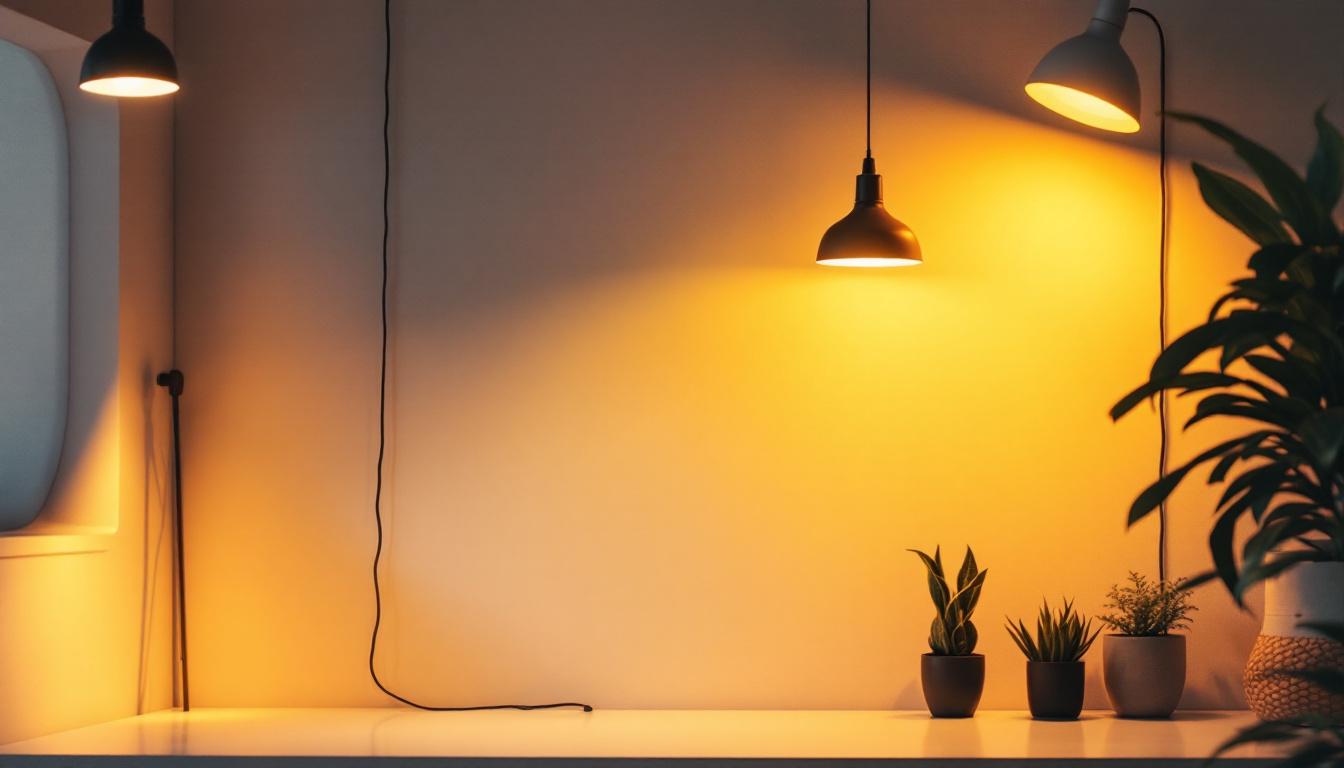
In practical terms, 15 lumens might be suitable for subtle accent lighting, such as in a display case or for highlighting artwork. It can create a soft glow that enhances the ambiance without overwhelming the senses. However, for general illumination in a room, this level of brightness would fall short. For example, a standard 60-watt incandescent bulb emits about 800 lumens, providing a much more comfortable and functional light level for everyday tasks. Therefore, it is crucial for contractors to assess the specific lighting needs of each space and recommend solutions that not only meet aesthetic desires but also functional requirements.
Moreover, the context in which lumens are used can significantly affect their perceived brightness. Factors such as the color temperature of the light source, the color of the walls, and the presence of natural light can all influence how a certain lumen output is experienced. For instance, cooler light temperatures can make a space feel brighter and more energetic, while warmer temperatures can create a cozy and inviting atmosphere. Educating clients about these variables can empower them to make informed decisions that align with their vision for their spaces, ensuring that they achieve both the desired ambiance and functionality in their lighting design.
What Does 15 Lumens Look Like in Real-World Settings?
To put 15 lumens into perspective, consider everyday light sources and their brightness levels. A typical candle emits about 12 lumens, so 15 lumens is just slightly brighter than candlelight. This level of brightness is generally insufficient for tasks requiring clear visibility but can be useful in specific contexts.
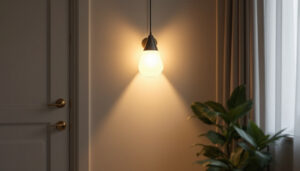
For example, 15 lumens is commonly found in small indicator lights, nightlights, or decorative fixtures intended to provide ambient or accent lighting rather than illumination. It might also be used in pathway lighting where subtle guidance is preferred over bright illumination. Lighting contractors should emphasize to clients that 15 lumens will not light up a room but can enhance safety and atmosphere when applied correctly. In a darkened hallway, a 15-lumen light can create a gentle glow that helps prevent trips and falls without overwhelming the senses, making it ideal for late-night navigation.
Moreover, in outdoor settings, 15 lumens can be particularly effective in garden or landscape lighting, where the goal is to create a serene and inviting atmosphere rather than to flood the area with light. For instance, a string of fairy lights or small solar-powered garden stakes emitting 15 lumens each can transform a backyard into a magical retreat, perfect for evening gatherings or quiet reflection under the stars. These low-level lights can highlight pathways or accentuate features like trees or sculptures, adding depth and interest to the landscape without detracting from the natural ambiance.
Comparative Examples of Lumens
To help clients visualize 15 lumens, compare it to other familiar light sources:
- A smartphone flashlight typically outputs between 40 and 100 lumens.
- A standard 60-watt incandescent bulb produces around 800 lumens.
- LED bulbs designed for reading or task lighting often range from 400 to 700 lumens.
These comparisons highlight that 15 lumens is on the very low end of the brightness spectrum, reinforcing its role as a supplementary or decorative light rather than a primary source. In fact, many people might not even notice a 15-lumen light in a well-lit environment, but in the right setting—like a cozy bedroom or a softly lit patio—it can provide just the right touch of warmth and comfort. Understanding the context in which 15 lumens is used can help consumers make informed decisions about their lighting needs, ensuring they choose the right brightness for their specific applications.
Client Expectations: Why Knowing Lumens Matters
Clients often come to lighting contractors with vague ideas about brightness, sometimes referencing watts or relying on outdated concepts. It is the contractor’s responsibility to educate clients about lumens and how they translate into real-world lighting outcomes. This knowledge builds trust and ensures clients receive lighting solutions that meet their needs.
Moreover, clients expect lighting professionals to recommend fixtures and bulbs that balance brightness, energy efficiency, and aesthetic appeal. Understanding the implications of low-lumen outputs like 15 lumens allows contractors to suggest appropriate uses, such as accent lighting or safety markers, rather than overpromising brightness.
Addressing Misconceptions
Many clients mistakenly equate higher wattage with brighter light, which can lead to confusion when selecting LED or energy-efficient lighting. Explaining that lumens are the true measure of brightness helps clarify these misconceptions. For instance, a 15-lumen LED light may consume very little power but will not illuminate a space effectively.
Lighting contractors should also be prepared to discuss how factors like fixture design, beam angle, and light color temperature influence perceived brightness. A narrow beam angle can make 15 lumens appear brighter in a focused area, while a wide beam disperses light more thinly.
Applications and Limitations of 15 Lumens in Lighting Projects
In practical terms, 15 lumens is best suited for specific lighting applications where subtle illumination is desired. Lighting contractors can leverage this knowledge to design lighting schemes that use low-lumen sources strategically.
Accent and Decorative Lighting
Accent lighting highlights architectural features, artwork, or landscaping elements without overwhelming the space. A 15-lumen fixture can provide just enough light to create visual interest and depth. For example, small LED spotlights or strip lights with this output are ideal for showcasing details in a room or garden.
Nightlights and Safety Markers
Clients often seek low-level lighting for nighttime safety without disturbing sleep. A 15-lumen nightlight offers gentle illumination that helps navigate hallways or bathrooms safely. Similarly, pathway markers or step lights with this brightness enhance safety outdoors without contributing to light pollution.
Limitations in Task and Ambient Lighting
It is important to communicate to clients that 15 lumens is inadequate for tasks requiring good visibility, such as reading, cooking, or detailed work. Ambient lighting in living spaces typically requires several hundred lumens to be effective. Lighting contractors should guide clients toward higher-lumen options when brightness is a priority.
Technical Considerations for Lighting Contractors
Beyond understanding lumens, contractors must consider how various technical factors affect light performance and client satisfaction.
Beam Angle and Light Distribution
The beam angle determines how light is spread from the source. A narrow beam concentrates light into a smaller area, making 15 lumens appear brighter within that zone. Conversely, a wide beam disperses light over a larger area, reducing perceived brightness. Contractors should select fixtures with appropriate beam angles to optimize the effectiveness of low-lumen lights.
Color Temperature and Perception of Brightness
Color temperature, measured in Kelvins (K), influences how bright light appears to the human eye. Cooler temperatures (5000K and above) tend to appear brighter and more energizing, while warmer temperatures (2700K to 3000K) create a softer, more relaxing ambiance. At 15 lumens, choosing a cooler color temperature can enhance perceived brightness, which may be beneficial in certain applications.
Energy Efficiency and Client Budgets
Low-lumen lighting often correlates with low energy consumption, which appeals to clients focused on sustainability and cost savings. Contractors should highlight the efficiency benefits of 15-lumen LEDs, especially when used in large quantities for decorative or safety lighting. However, balancing energy savings with functional brightness remains key to client satisfaction.
Communicating Effectively with Clients About 15 Lumens
Clear communication is vital when discussing low-lumen lighting options. Lighting contractors should use relatable analogies and visual aids to help clients grasp what 15 lumens means in practical terms.
Using Visual Demonstrations
Whenever possible, showing clients physical samples or demonstrations of 15-lumen lights in situ can bridge the gap between technical specifications and real-world experience. This approach helps clients set realistic expectations and make informed decisions.
Providing Contextual Recommendations
Rather than presenting lumens as isolated numbers, contractors should frame recommendations within the context of the client’s space and needs. For example, explaining that a 15-lumen fixture is perfect for subtle pathway lighting but insufficient for a reading nook ensures clients understand the purpose and limitations.
Offering Alternatives and Upgrades
Clients may initially request low-lumen lighting for cost or aesthetic reasons but later require more brightness. Contractors should be prepared to suggest scalable solutions, such as adjustable fixtures or layered lighting designs, that can accommodate changing needs without extensive rewiring or replacement.
Conclusion: Mastering Lumens to Exceed Client Expectations
For lighting contractors, a thorough understanding of lumens—and specifically what 15 lumens represents—is crucial for delivering expert advice and tailored lighting solutions. By educating clients on the practical applications, limitations, and technical nuances of low-lumen lighting, contractors build credibility and foster satisfaction.
Ultimately, 15 lumens serves a niche but important role in lighting design. When applied thoughtfully, it enhances ambiance, safety, and energy efficiency. Lighting professionals who can articulate these benefits and guide clients appropriately will stand out in a competitive market.
Illuminate Your Projects with LumenWholesale
Ready to elevate your lighting projects with the expertise and value that only LumenWholesale can provide? Our extensive range of high-quality, spec-grade lighting products is designed to meet your every need, ensuring you can deliver on client expectations with confidence. Say goodbye to inflated markups and hello to unbeatable wholesale prices, free shipping, and the convenience of bulk buying. Don’t compromise on quality or cost—choose LumenWholesale for lighting solutions that truly shine. Explore our selection now and secure the best value in wholesale lighting.