Understanding Apartment Lighting: Unique Challenges and Opportunities
Lighting contractors face a distinct set of challenges when working on apartment projects compared to single-family homes or commercial buildings. Apartments often have limited space, shared walls, and specific building codes that influence lighting design and installation. Recognizing these nuances is essential for delivering effective, safe, and aesthetically pleasing lighting solutions.
One of the primary considerations is the diversity of apartment layouts. From studio units to multi-bedroom apartments, lighting needs vary widely. Contractors must tailor their approach to accommodate different room sizes, ceiling heights, and natural light availability. Additionally, apartments often require lighting that balances functionality with energy efficiency, as landlords and property managers prioritize cost savings and tenant comfort.
Another critical factor is the integration of lighting controls. Tenants expect modern conveniences such as dimmers, smart lighting, and energy-saving sensors. Contractors should be well-versed in installing and programming these systems, ensuring they are user-friendly and compliant with local regulations. Understanding the building’s electrical infrastructure and any restrictions on modifications is also crucial to avoid costly mistakes.
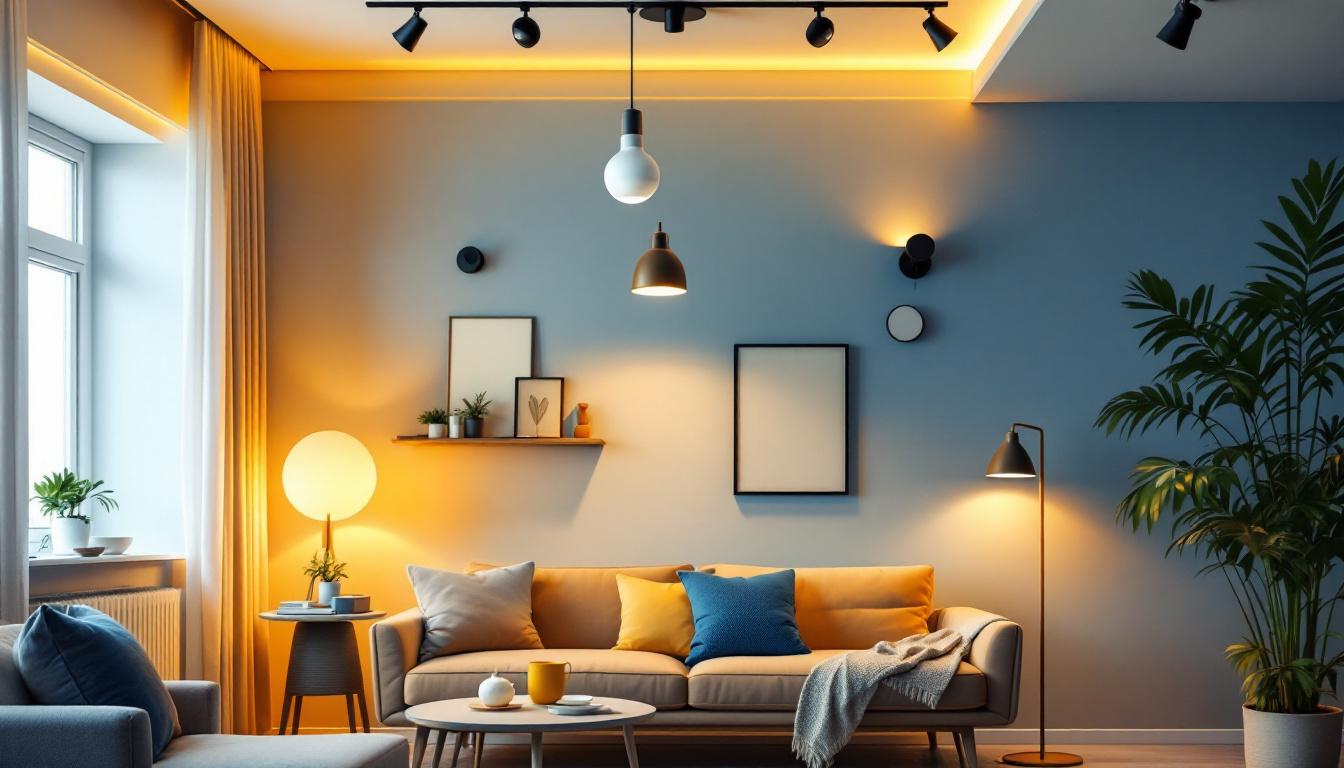
Moreover, the aesthetic aspect of lighting cannot be overlooked. In apartment settings, where space is often at a premium, the choice of fixtures can significantly impact the overall ambiance. Contractors may need to recommend stylish yet compact options that complement the interior design while providing adequate illumination. For instance, pendant lights can serve as both functional and decorative elements, drawing attention to key areas like dining spaces or kitchen islands. Additionally, wall sconces can enhance the visual appeal of narrow hallways, creating a warm and inviting atmosphere.
Furthermore, the use of layered lighting can dramatically improve the functionality of apartment spaces. By combining ambient, task, and accent lighting, contractors can create a versatile environment that meets various needs throughout the day. For example, a well-lit living room might feature recessed lighting for general illumination, table lamps for reading, and strategically placed spotlights to highlight artwork or architectural features. This thoughtful approach not only enhances the aesthetic but also allows tenants to personalize their living spaces, making them feel more at home.
Key Lighting Types and Their Applications in Apartments
Ambient Lighting: Setting the Foundation
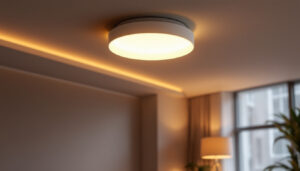
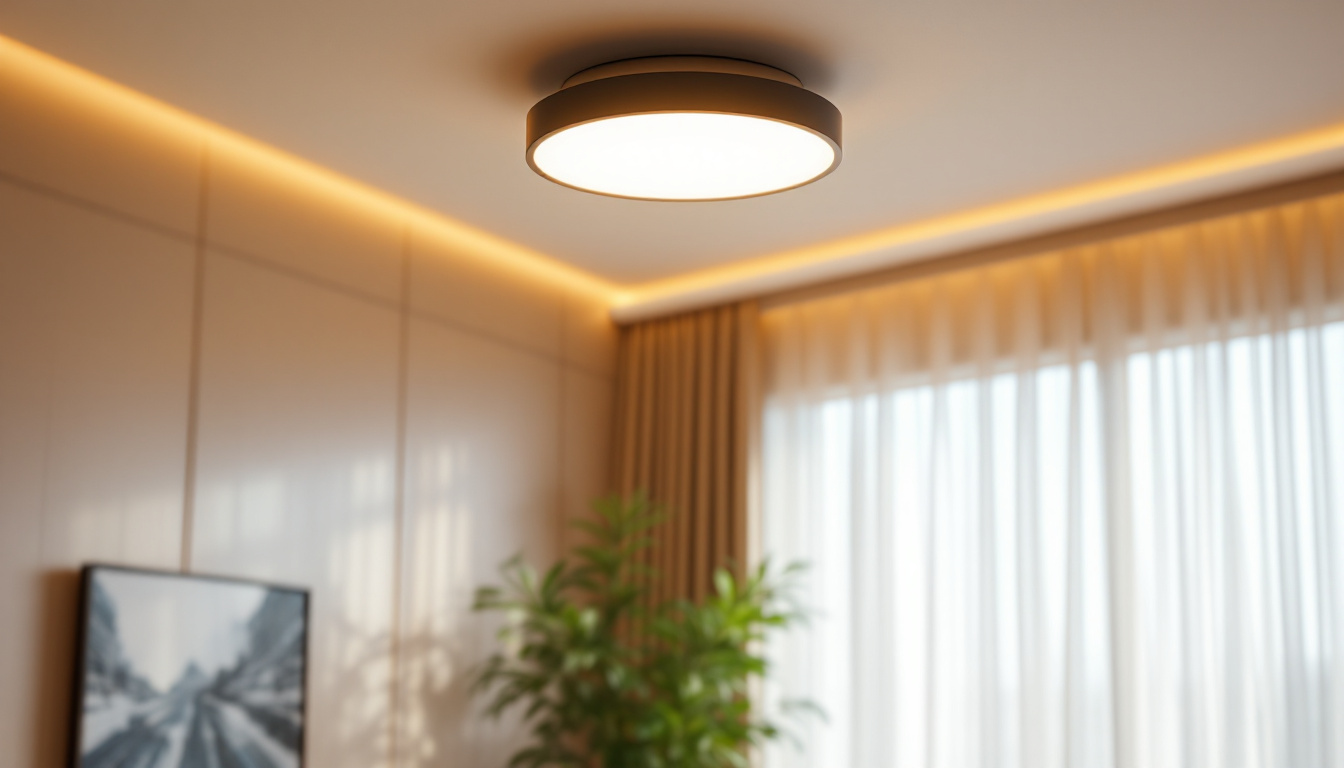
Ambient lighting provides the general illumination that fills a room, creating a comfortable environment. In apartments, ceiling-mounted fixtures such as flush mounts, semi-flush mounts, and recessed lights are commonly used to achieve this effect. Contractors should prioritize fixtures that distribute light evenly to avoid dark corners or overly bright spots.
LED technology has become the standard for ambient lighting due to its energy efficiency and long lifespan. Selecting LED fixtures with appropriate color temperatures—typically between 2700K and 3000K for warm, inviting spaces—can enhance tenant satisfaction. Furthermore, dimmable ambient lighting offers flexibility, allowing tenants to adjust brightness based on their activities and preferences. This adaptability is particularly beneficial in multifunctional spaces, where a living room may serve as both a cozy retreat and a lively gathering area.
In addition to traditional fixtures, incorporating smart lighting systems can elevate the ambient lighting experience. These systems allow tenants to control their lighting via smartphone apps or voice commands, enabling them to create customized lighting scenes for various occasions. For example, a “movie night” setting could dim the lights to create a cinematic atmosphere, while a “wake-up” mode gradually brightens the room in the morning, mimicking natural sunlight and promoting a positive start to the day.
Task Lighting: Enhancing Functionality
Task lighting focuses on specific areas where activities such as reading, cooking, or working take place. In apartments, common task lighting fixtures include under-cabinet lights in kitchens, desk lamps in workspaces, and vanity lights in bathrooms. Proper task lighting reduces eye strain and improves usability, which is especially important in compact living spaces.
Contractors should recommend adjustable or directional fixtures that tenants can customize. For example, installing track lighting systems in kitchens allows for repositioning lights as needed. Ensuring that task lighting is bright enough without causing glare is another important consideration, often achieved through careful fixture placement and the use of diffusers. Additionally, incorporating LED task lights with built-in features such as USB charging ports can enhance functionality, catering to the needs of tech-savvy tenants who require power sources for their devices.
Another innovative approach is to integrate task lighting with furniture. For instance, selecting coffee tables with built-in lighting or bedside tables with illuminated surfaces can provide both aesthetic appeal and practical utility. This dual-purpose design not only saves space but also enhances the overall ambiance of the apartment, making it feel more inviting and modern.
Accent Lighting: Adding Depth and Style
Accent lighting highlights architectural features, artwork, or decorative elements, adding visual interest and depth to apartment interiors. Wall sconces, LED strip lights, and spotlights are popular choices for accent lighting. In apartments, where space is limited, accent lighting can create the illusion of larger, more dynamic spaces.
Lighting contractors should collaborate with interior designers or property managers to identify focal points that benefit from accent lighting. Using energy-efficient LED strips behind crown molding or under shelves can subtly enhance the ambiance without consuming excessive power. Additionally, color-changing LED options offer tenants the ability to personalize their living environment. This flexibility allows for seasonal decor changes, where tenants can switch colors to match their mood or the time of year, creating a more engaging living space.
Moreover, accent lighting can be employed to draw attention to unique design elements such as textured walls or statement furniture pieces. For example, a strategically placed spotlight can illuminate a beautiful piece of art, transforming it into a captivating focal point. Similarly, backlighting a bookshelf can create a warm glow that highlights the collection of books and decorative items, making the space feel more curated and inviting. By thoughtfully integrating accent lighting, contractors can help tenants express their personal style while enhancing the overall aesthetic of the apartment.
Energy Efficiency and Sustainability in Apartment Lighting
Energy efficiency is a top priority for apartment buildings, driven by rising utility costs and increasing environmental awareness. Lighting contractors play a vital role in helping property owners reduce energy consumption while maintaining high-quality illumination.
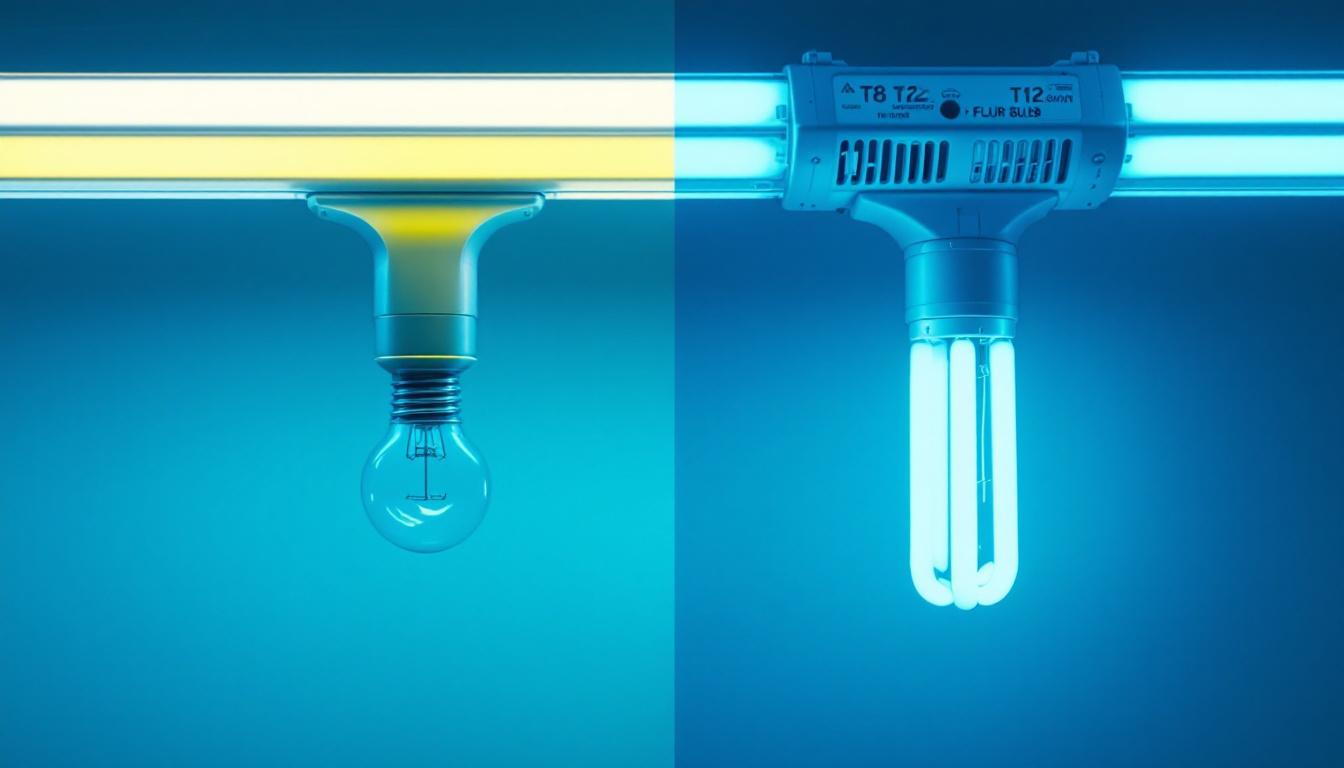
LED lighting remains the cornerstone of energy-efficient apartment lighting. Compared to traditional incandescent or fluorescent bulbs, LEDs consume significantly less power and last longer, reducing maintenance costs. Incorporating occupancy sensors and daylight harvesting systems further optimizes energy use by adjusting lighting based on room occupancy and natural light levels.
Many municipalities and utility companies offer incentives or rebates for installing energy-efficient lighting solutions. Contractors should stay informed about these programs to advise clients accordingly. Additionally, specifying fixtures and controls that comply with ENERGY STAR® standards or other recognized certifications ensures that installations meet or exceed efficiency benchmarks.
Compliance, Safety, and Code Considerations
Lighting contractors must navigate a complex landscape of building codes, electrical regulations, and safety standards when working on apartment projects. Compliance ensures not only legal adherence but also the safety and well-being of tenants.
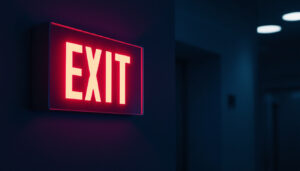
Key regulations include the National Electrical Code (NEC), which governs wiring methods, fixture installation, and circuit requirements. Contractors should verify that all lighting components are UL-listed or approved by relevant testing agencies. Special attention is necessary for emergency lighting and exit signs, which are mandatory in multi-unit residential buildings.
Fire safety is another critical concern. Lighting installations should not interfere with fire alarms, sprinklers, or escape routes. Contractors must coordinate with building management and fire safety officials to ensure that lighting designs support overall safety plans. Furthermore, proper grounding, circuit protection, and secure fixture mounting prevent electrical hazards and reduce liability risks.
Modern Technologies Transforming Apartment Lighting
Smart Lighting Systems
The rise of smart home technology has transformed tenant expectations for apartment lighting. Smart lighting systems allow remote control via smartphones, voice commands, and automated schedules. For contractors, this means mastering the installation and integration of platforms such as Zigbee, Z-Wave, or Wi-Fi-enabled devices.
Smart lighting not only enhances convenience but also contributes to energy savings through features like motion detection and adaptive brightness. Contractors should educate clients on the benefits and limitations of different smart lighting solutions, ensuring compatibility with existing building infrastructure and tenant devices.
Human-Centric Lighting
Human-centric lighting (HCL) is an emerging approach that adjusts color temperature and intensity throughout the day to support circadian rhythms. This technology can improve tenant well-being by promoting better sleep, mood, and productivity.
Implementing HCL in apartments requires fixtures capable of tunable white light and sophisticated control systems. Lighting contractors should stay abreast of developments in this field and consider pilot projects or phased rollouts in larger apartment complexes. Demonstrating the health benefits of HCL can be a compelling selling point for property owners focused on tenant satisfaction.
Best Practices for Lighting Installation and Maintenance in Apartments
Successful lighting projects in apartments depend on meticulous planning, skilled installation, and ongoing maintenance. Contractors should begin with thorough site assessments to understand the unique conditions of each unit and common areas.
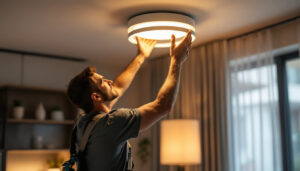
During installation, minimizing disruption to tenants is paramount. Scheduling work during convenient hours, protecting floors and furniture, and maintaining clear communication help build trust and reduce complaints. Using modular or pre-assembled lighting components can speed up installation and reduce errors.
Post-installation, offering maintenance services such as bulb replacement, fixture cleaning, and system troubleshooting ensures long-term performance. Providing tenants or property managers with user guides and training on lighting controls enhances satisfaction and reduces service calls. Establishing a responsive support system reflects professionalism and fosters repeat business.
Conclusion: Elevating Apartment Living Through Expert Lighting Solutions
Lighting contractors have a vital role in shaping the living experience within apartments. By understanding the unique challenges of apartment lighting, embracing energy-efficient technologies, complying with safety standards, and adopting modern innovations, contractors can deliver solutions that satisfy both property owners and tenants.
Investing in continuous education and staying current with industry trends empowers contractors to offer cutting-edge, reliable lighting systems. Ultimately, well-designed lighting enhances comfort, safety, and aesthetics, contributing to the overall appeal and value of apartment communities.
Discover Unmatched Lighting Solutions with LumenWholesale
Ready to elevate your lighting projects to new heights? At LumenWholesale, we provide lighting contractors with the highest quality, spec-grade lighting products at the most competitive wholesale prices. Say goodbye to local distributor markups and hello to our extensive selection that meets rigorous industry standards. With free shipping on bulk orders, you can trust that you’re getting premium lighting solutions at the best value, with no hidden fees. Enhance your apartment lighting projects with the perfect combination of quality, affordability, and convenience. Wholesale Lighting at the Best Value is just a click away. Experience the LumenWholesale difference today!