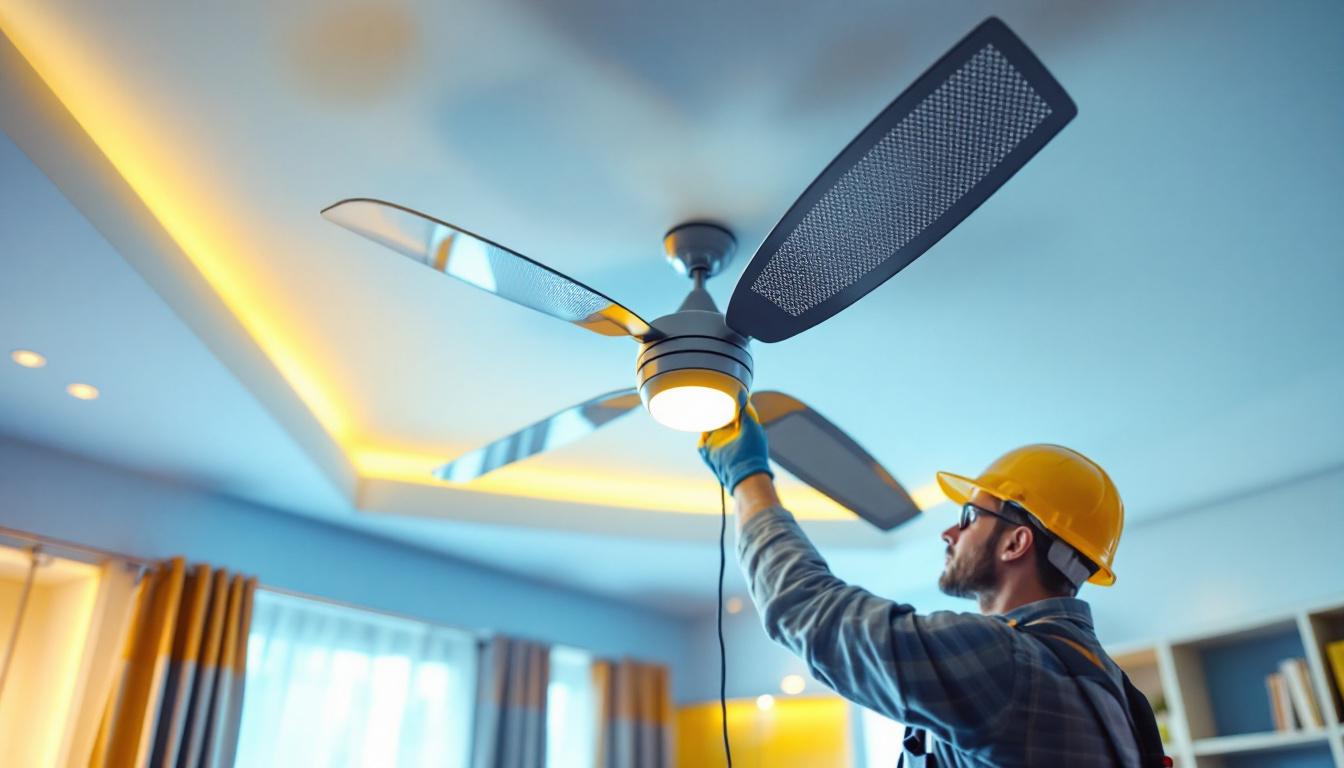
Understanding the Challenge: Controlling Two Ceiling Fans with One Switch
For lighting contractors, integrating multiple ceiling fans into a single switch circuit is a common yet nuanced task. While the concept seems straightforward—control two fans with one switch—the practical execution demands a thorough understanding of electrical wiring, load management, and user convenience. This challenge often arises in residential and commercial settings where space constraints or aesthetic preferences dictate minimal wall controls.
Controlling two ceiling fans on one switch can simplify user interaction and reduce installation costs. However, it also introduces complexities such as ensuring proper fan speed control, managing lighting loads if fans have integrated lights, and adhering to electrical codes. Contractors must balance functionality, safety, and client expectations while navigating these technical considerations.
Key Electrical Considerations
When wiring two ceiling fans to a single switch, the first priority is to assess the circuit’s load capacity. Each ceiling fan, especially those with integrated lighting kits, draws a specific amount of current. Overloading the circuit can lead to tripped breakers or, worse, electrical hazards. Lighting contractors should calculate the combined amperage of both fans and verify that the circuit breaker and wiring gauge can handle the load safely.
Another critical factor is the wiring configuration. Typically, contractors use a single-pole switch to control the hot wire feeding both fans. However, if independent control of fan speed or lighting is desired, more complex wiring setups involving multi-gang switches or remote controls might be necessary. Understanding the difference between line, load, neutral, and ground wires in the fan’s wiring harness is essential to avoid miswiring.
Top Resources for Mastering Dual Ceiling Fan Control
Lighting contractors looking to master the art of controlling two ceiling fans with one switch can benefit from a variety of specialized resources. These include technical manuals, industry-standard wiring diagrams, online forums, and manufacturer support portals. Leveraging these resources enhances both the quality and efficiency of installations.
Technical Manuals and Wiring Diagrams
Manufacturers of ceiling fans and switches often provide detailed technical manuals and wiring diagrams that are invaluable for contractors. These documents specify the wiring color codes, recommended switch types, and installation procedures tailored to their products. For example, Hunter Fan Company and Emerson provide comprehensive guides that cover multi-fan wiring scenarios, including tips for integrating fans with lighting kits.
Contractors should maintain a library of such manuals and ensure they reference the latest versions. These resources not only clarify wiring complexities but also help in troubleshooting issues that may arise during or after installation.
Online Professional Communities and Forums
Engaging with online communities such as the Electrical Contractor Network or specialized subreddits for electricians and lighting professionals can offer real-world insights and peer support. These platforms allow contractors to exchange experiences, share wiring schematics, and discuss innovative solutions for controlling multiple fans with a single switch.
Additionally, many forums feature Q&A sections where seasoned professionals provide guidance on code compliance, best practices, and product recommendations. Active participation in these communities can keep contractors updated on emerging trends and technologies.
Manufacturer Support and Training Programs
Leading ceiling fan and switch manufacturers often offer training programs and customer support tailored to contractors. These programs may include webinars, in-person workshops, and certification courses focused on advanced wiring techniques and smart control integrations.
Utilizing manufacturer support ensures contractors are familiar with the latest product lines and installation innovations. It also provides direct access to technical experts who can assist with complex wiring challenges, such as integrating two ceiling fans on one switch while maintaining optimal performance and safety.
Advanced Wiring Techniques for Two Fans on One Switch
Beyond basic wiring, mastering advanced techniques is crucial for lighting contractors aiming to deliver seamless dual-fan control solutions. These methods address common challenges such as independent fan speed control, synchronized lighting operation, and compatibility with smart home systems.
Parallel Wiring for Simplicity and Safety
The most straightforward approach to controlling two ceiling fans with one switch is parallel wiring. In this configuration, the hot wire from the switch feeds both fans simultaneously, while each fan’s neutral and ground wires connect back to the circuit panel. This setup ensures that flipping the switch powers both fans at once.
Parallel wiring is favored for its simplicity and compliance with electrical codes. However, it limits the user’s ability to control each fan independently, which may not suit all client needs.
Using Multi-Gang Switches for Independent Control
When clients require separate control for each fan, installing a multi-gang switch box becomes necessary. This setup involves multiple switches housed in a single wall plate, each wired to a different fan. While this approach increases wiring complexity and installation time, it offers enhanced user flexibility.
Lighting contractors must carefully plan the wiring paths and ensure that the switch box can accommodate the additional switches without compromising safety or aesthetics. Labeling each switch clearly also helps prevent user confusion.
Integrating Remote Controls and Smart Switches
Modern lighting and fan control technologies offer wireless solutions that simplify dual-fan management. Remote control kits and smart switches allow users to operate multiple fans independently or simultaneously without additional wall switches.
Smart switches compatible with platforms like Zigbee, Z-Wave, or Wi-Fi enable integration with home automation systems, voice assistants, and mobile apps. For contractors, this means staying abreast of the latest smart home trends and ensuring proper installation to avoid interference or connectivity issues.
Ensuring Compliance and Safety in Dual Fan Installations
Safety and code compliance are paramount when installing two ceiling fans on one switch. Lighting contractors must adhere to national and local electrical codes, such as the National Electrical Code (NEC), which governs wiring practices, load calculations, and grounding requirements.
Load Calculations and Circuit Protection
Proper load calculation is essential to prevent circuit overloads. Contractors should sum the wattage of both fans and their lighting kits, then verify that the circuit breaker rating matches or exceeds this load. Using a breaker with an appropriate amperage rating protects the wiring and connected devices from damage due to excessive current.
Additionally, contractors should inspect the condition and gauge of existing wiring. For instance, 14-gauge wire is typically rated for 15 amps, while 12-gauge wire supports up to 20 amps. Selecting the correct wire gauge ensures safe operation under the combined load of two fans.
Grounding and Neutral Wire Considerations
Grounding provides a path for fault current and is a critical safety feature. Each fan must be properly grounded according to code requirements. Lighting contractors should verify that the grounding conductors are continuous and securely connected to the fan’s metal housing and the circuit panel.
Neutral wire connections must also be handled carefully. Since the neutral serves as the return path for current, improper neutral wiring can cause flickering lights or erratic fan operation. Contractors should ensure that neutrals from both fans are correctly joined at the neutral bus bar in the panel and that no neutral wires are shared improperly between circuits.
Inspection and Testing Protocols
After installation, thorough inspection and testing are crucial. Contractors should use a multimeter to verify voltage and continuity in the wiring, ensuring that both fans receive power as intended. Testing the switch operation multiple times confirms reliable control.
Furthermore, contractors should educate clients on the operation and maintenance of the dual-fan system, including how to reset breakers and troubleshoot common issues. Providing documentation or user guides enhances client satisfaction and reduces service calls.
Case Studies: Successful Dual Ceiling Fan Installations
Examining real-world examples helps lighting contractors understand practical challenges and solutions when wiring two ceiling fans to one switch.
Residential Living Room with Integrated Lighting
In a spacious living room, a homeowner requested two ceiling fans with integrated LED lighting controlled by a single wall switch to maintain a clean aesthetic. The contractor employed parallel wiring with a 20-amp circuit breaker to accommodate the combined load. Both fans were Hunter models with compatible wiring harnesses, simplifying installation.
The contractor also installed a smart switch capable of dimming the fan lights simultaneously. This approach met the client’s desire for minimal controls while providing energy-efficient lighting. Post-installation testing confirmed stable operation, and the homeowner appreciated the streamlined design.
Commercial Office Space with Independent Fan Control
A commercial office required two ceiling fans in a shared conference room, each needing independent control for occupant comfort. The contractor installed a dual-gang switch box with separate switches for each fan. Wiring was carefully routed to maintain code compliance and avoid interference with other electrical systems.
To enhance convenience, the contractor integrated remote control receivers into each fan, allowing users to adjust fan speed and lighting without reaching the wall switches. This hybrid solution balanced user flexibility with straightforward wall controls, earning positive feedback from building management.
Conclusion: Mastering Dual Ceiling Fan Control for Lighting Contractors
Controlling two ceiling fans with one switch is a task that combines technical knowledge, practical skills, and client-focused design. Lighting contractors who invest time in understanding electrical load management, wiring configurations, and modern control technologies position themselves as trusted experts in the field.
By leveraging manufacturer resources, engaging with professional communities, and adhering to safety standards, contractors can deliver reliable, efficient, and aesthetically pleasing dual-fan installations. Whether opting for simple parallel wiring or advanced smart controls, mastery of these techniques enhances project outcomes and client satisfaction.
Ultimately, the ability to seamlessly integrate two ceiling fans on a single switch reflects a contractor’s commitment to quality, innovation, and safety—qualities that define excellence in the lighting industry.
Get Your Spec-Grade Lighting Supplies at LumenWholesale
Ready to take your ceiling fan installations to the next level? At LumenWholesale, we provide lighting contractors with the highest quality, spec-grade lighting products at the most competitive wholesale prices. Say goodbye to local distributor markups and hello to a vast selection of reliable, high-performance lighting essentials that meet the strictest industry standards. Plus, with free shipping on bulk orders, you can stock up on all your project needs without worrying about hidden fees. Elevate your lighting game and ensure every dual ceiling fan installation shines with excellence. Discover the value and convenience of shopping at LumenWholesale today.