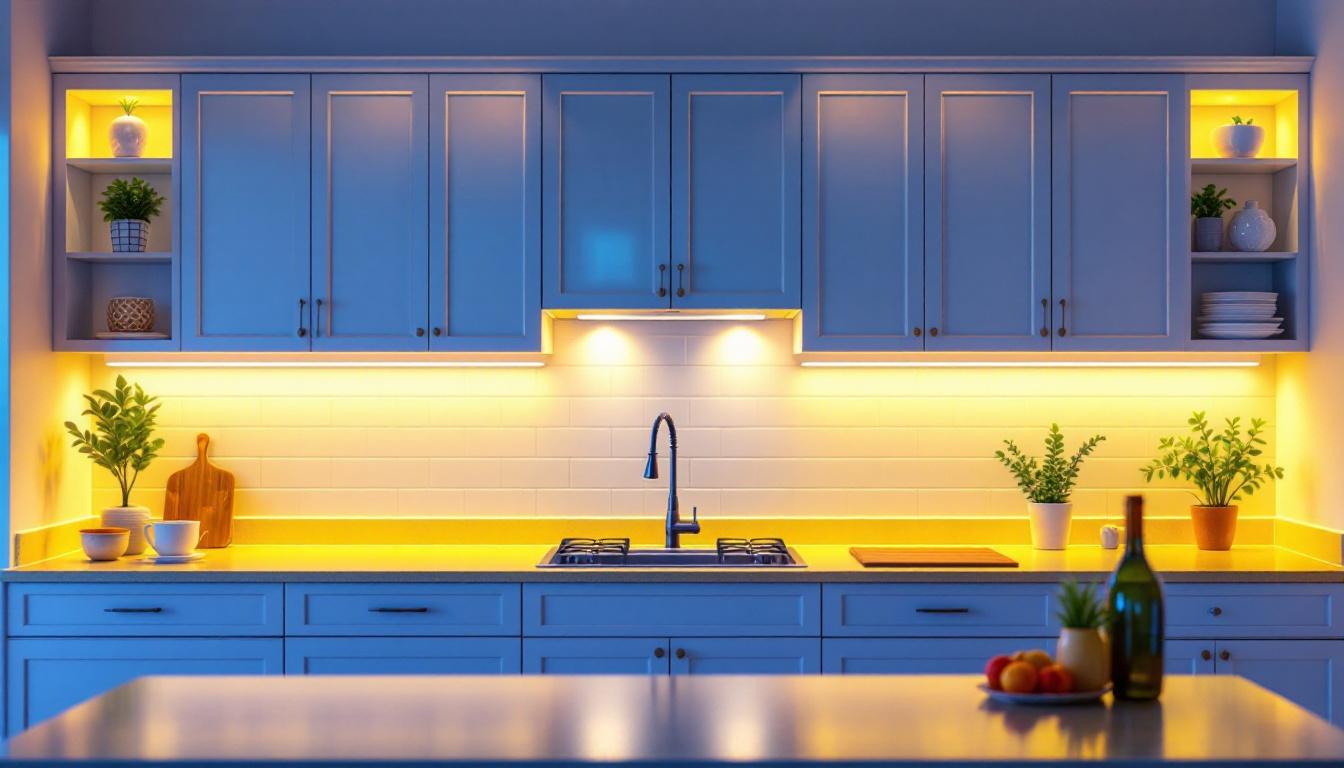
Understanding the True Cost of Under Cabinet Lighting Installation
Under cabinet lighting has become a staple in modern kitchen design, providing both functional illumination and aesthetic appeal. For lighting contractors, accurately estimating the cost of installing these systems is crucial—not only to ensure profitability but also to maintain client satisfaction. However, many contractors underestimate the complexity involved, leading to budget overruns and project delays.
The cost of under cabinet lighting installation is influenced by several factors, including the type of lighting chosen, the complexity of the electrical work, labor costs, and the quality of materials. LED strip lights, puck lights, and fluorescent fixtures each come with different price points and installation requirements. Furthermore, the existing cabinetry and electrical infrastructure can either simplify or complicate the installation process.
Contractors must also consider the integration of dimmers, transformers, and control systems, which can add to both the material and labor costs. A comprehensive understanding of these variables is essential for creating accurate quotes and avoiding common pitfalls.
In addition to the technical aspects, contractors should also be aware of the aesthetic preferences of their clients. The choice of color temperature, for instance, can dramatically affect the ambiance of a kitchen. Warm white lights create a cozy atmosphere, while cool white lights can enhance a modern and clean look. This consideration not only impacts the selection of the lighting fixtures but also the overall satisfaction of the homeowner, making it a critical factor in the planning phase.
Moreover, the installation process itself can vary significantly depending on the layout of the kitchen. Open-concept designs may require more extensive wiring and careful planning to ensure that the lighting is evenly distributed and effectively highlights key areas such as countertops and workspaces. Additionally, the potential for future upgrades or changes in kitchen design should be taken into account, as flexible installation options can save time and costs in the long run. By addressing these considerations upfront, contractors can provide a more tailored service that meets the unique needs of each client.
Common Mistakes Lighting Contractors Make When Estimating Costs
Underestimating Labor Time and Complexity
One of the most frequent errors lighting contractors make is underestimating the labor time required for installation. While under cabinet lighting may appear straightforward, it often involves intricate wiring, precise placement, and coordination with other trades such as carpenters or electricians.
For example, retrofitting lighting into existing cabinetry can be significantly more time-consuming than installing in new construction due to the need to conceal wiring without damaging the cabinetry. Additionally, contractors sometimes overlook the time needed to troubleshoot electrical issues or to comply with local electrical codes, both of which can extend the project timeline. Moreover, the complexity of the installation can increase dramatically when dealing with custom cabinetry or when integrating smart lighting systems, which may require additional programming and testing to ensure seamless operation.
Failing to Account for Material Quality and Compatibility
Another common mistake is selecting low-quality lighting fixtures or components to reduce upfront costs. While this may seem cost-effective initially, inferior materials often lead to premature failures, increased maintenance, and dissatisfied clients. Moreover, mismatched components—such as incompatible transformers or dimmers—can cause flickering or uneven lighting, which compromises the overall quality of the installation.
Contractors should prioritize sourcing components from reputable manufacturers and verify compatibility before installation. This approach not only ensures longevity and performance but also reduces the likelihood of costly callbacks. Furthermore, investing in higher-quality materials can enhance the aesthetic appeal of the space, ultimately leading to positive word-of-mouth referrals and repeat business. Clients are more likely to appreciate and recommend contractors who provide durable and visually appealing lighting solutions.
Neglecting to Include All Necessary Components in the Estimate
Lighting contractors sometimes forget to include essential components such as transformers, dimmer switches, mounting hardware, and wiring accessories in their cost estimates. These omissions can lead to unexpected expenses that erode profit margins and frustrate clients.
For instance, LED under cabinet lights typically require low-voltage transformers to convert standard household current. Failure to budget for these transformers or to account for multiple units in larger installations can significantly increase costs. Similarly, the need for specialized connectors or custom mounting solutions should be anticipated and factored into the estimate. Additionally, contractors should consider the potential need for extra materials, such as insulation or protective coverings, especially in environments prone to moisture or heat, which can further complicate the installation process and impact the final cost.
Overlooking Permitting and Inspection Costs
In many jurisdictions, electrical work—including under cabinet lighting installation—requires permits and inspections to ensure safety and code compliance. Contractors who overlook these regulatory requirements risk project delays, fines, or the need to redo work at their own expense.
Including permitting fees and the time required to coordinate inspections in the project estimate is essential. This not only ensures compliance but also helps maintain a transparent and professional relationship with clients. Additionally, staying informed about local regulations and changes in building codes can save contractors from costly missteps and enhance their reputation as knowledgeable professionals. By proactively addressing these aspects, contractors can foster trust and confidence with their clients, ultimately leading to smoother project execution and greater client satisfaction.
Strategies for Accurate Cost Estimation and Successful Installation
Conducting Thorough Site Assessments
Before providing a quote, lighting contractors should perform detailed site assessments to identify potential challenges. This includes inspecting existing cabinetry, electrical panels, and available power sources. Understanding the workspace allows contractors to anticipate obstacles such as limited access, the need for additional wiring, or structural modifications.
Site assessments also provide an opportunity to discuss client preferences, such as lighting color temperature, brightness levels, and control options, which can impact both materials and labor costs. Moreover, these assessments can reveal unique architectural features or design elements that may influence the lighting design, such as vaulted ceilings or large windows that require specialized fixtures. By taking the time to understand the nuances of each project, contractors can tailor their proposals to meet the specific needs and aesthetic goals of their clients, ensuring a more personalized approach to lighting solutions.
Providing Detailed and Transparent Quotes
Clear, itemized quotes help manage client expectations and reduce the risk of disputes. Breaking down costs into categories—such as materials, labor, permits, and contingencies—allows clients to understand the value of each component and the rationale behind the total price.
Additionally, including disclaimers about potential unforeseen issues and how they will be handled can protect contractors from scope creep and unexpected expenses. Providing a timeline for each phase of the project can also enhance transparency, allowing clients to see when to expect various milestones. This proactive communication fosters trust and helps clients feel more involved in the process, which can lead to a more collaborative relationship throughout the installation.
Leveraging Technology and Training
Staying current with the latest lighting technologies and installation techniques can improve efficiency and reduce errors. Contractors should invest in training on new products, smart lighting controls, and energy-efficient solutions to offer clients the best options and streamline installation processes.
Utilizing design software and project management tools can also enhance accuracy in planning and cost estimation, helping contractors visualize layouts and anticipate material needs. Furthermore, incorporating augmented reality (AR) tools can allow clients to see how different lighting options will look in their space before installation begins. This not only aids in decision-making but also minimizes the likelihood of costly changes during the project. By embracing these technological advancements, contractors can position themselves as industry leaders, capable of delivering innovative and effective lighting solutions that meet the evolving demands of their clients.
Case Studies Highlighting Cost Estimation Challenges
Case Study 1: Retro-Fit Kitchen Lighting
A lighting contractor was tasked with installing LED strip lighting under existing kitchen cabinets. The initial estimate failed to account for the need to remove and reinstall cabinetry panels to hide wiring properly. This oversight resulted in additional labor hours and material costs, increasing the project budget by 25%.
The lesson here is the importance of thorough site evaluation and factoring in labor for cabinet modifications when retrofitting lighting. Furthermore, this scenario highlights the necessity of clear communication with clients about potential challenges that may arise during the installation process. By setting realistic expectations and discussing possible complications upfront, contractors can foster trust and reduce the likelihood of disputes over budget increases.
Additionally, employing a detailed checklist during the estimation phase can help identify potential pitfalls. This checklist could include considerations such as existing infrastructure, accessibility of work areas, and the specific requirements of the lighting fixtures being installed. By taking a proactive approach to project planning, contractors can mitigate risks and enhance the overall efficiency of their operations.
Case Study 2: New Construction with Integrated Controls
In a new construction project, a contractor underestimated the complexity of integrating under cabinet lighting with a smart home system. The lack of experience with the control platform led to extended installation time and additional expenses for specialized components.
This example underscores the need for contractors to stay informed about emerging technologies and to include training or subcontracting costs in their estimates when necessary. As smart home systems become increasingly popular, contractors must invest time in understanding the nuances of these technologies to provide accurate estimates and seamless installations.
Moreover, collaborating with technology specialists during the planning phase can greatly enhance project outcomes. By leveraging the expertise of those familiar with smart home systems, contractors can avoid common pitfalls and ensure that all components work harmoniously. This collaboration not only improves the quality of the installation but also enhances client satisfaction by delivering a well-integrated, functional system that meets their expectations. As the industry evolves, continuous education and adaptation will be crucial for contractors aiming to remain competitive and successful in the market.
Conclusion: Avoiding Costly Mistakes to Enhance Profitability and Client Satisfaction
For lighting contractors, mastering the art of accurate cost estimation for under cabinet lighting installations is vital. Avoiding common mistakes—such as underestimating labor, neglecting material quality, omitting necessary components, and ignoring permitting requirements—can significantly improve project outcomes.
By conducting comprehensive site assessments, providing transparent quotes, and embracing ongoing education, contractors can enhance their professionalism and profitability. Ultimately, these practices lead to satisfied clients, repeat business, and a strong reputation in the competitive lighting industry.
Get Your Lighting Right with LumenWholesale
Ready to avoid the common pitfalls in under cabinet lighting installation and ensure your projects shine with success? Choose LumenWholesale for your lighting needs and benefit from our spec-grade lighting products at unbeatable wholesale prices. Our commitment to quality and affordability means you can deliver exceptional results to your clients without the worry of inflated markups. With free shipping on bulk orders, you can stock up on reliable, high-performance lighting and keep your projects on track and within budget. Don’t compromise on quality or cost—visit LumenWholesale today and experience the best value in wholesale lighting.