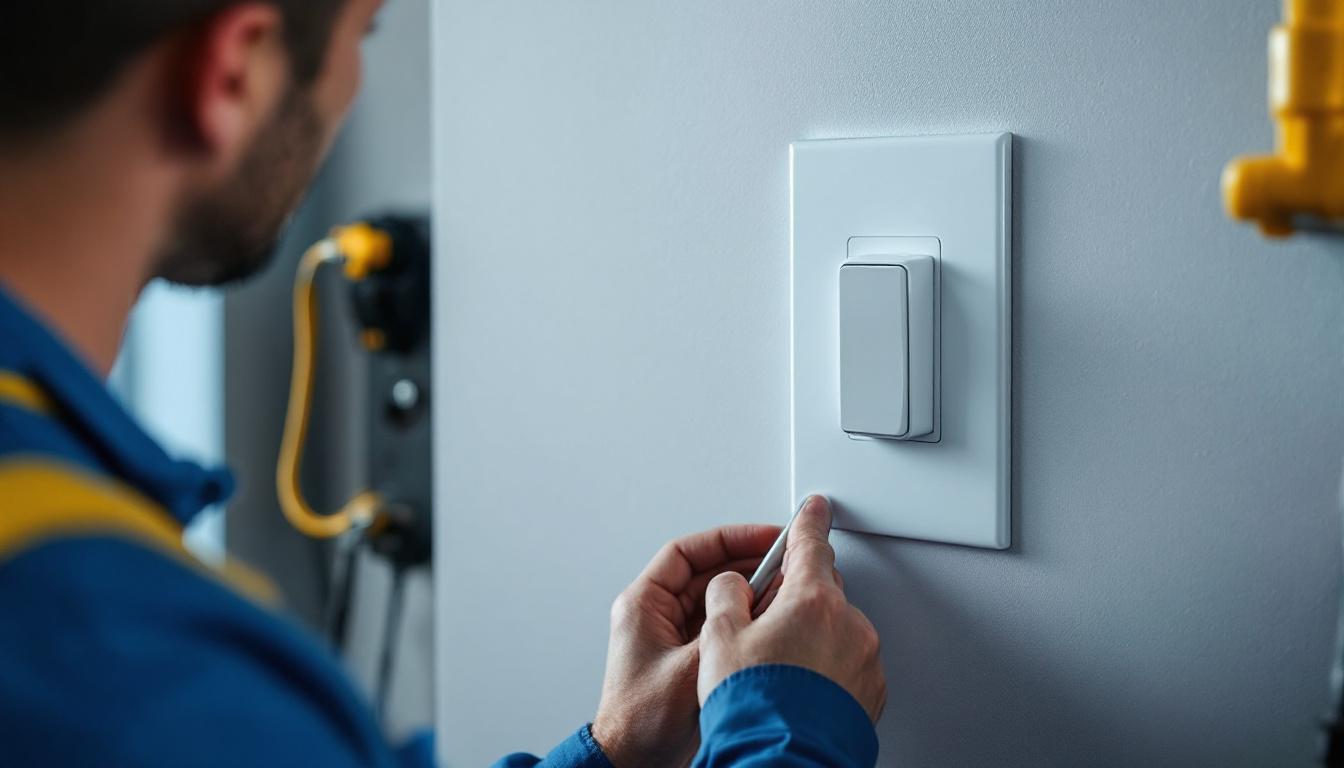
Understanding the Single Pole Smart Switch: A Foundation for Lighting Professionals
For lighting contractors, the single pole smart switch represents a pivotal advancement in residential and commercial lighting control. Unlike traditional switches, these devices integrate seamlessly with smart home ecosystems, offering enhanced convenience, energy efficiency, and customization. Before recommending or installing these switches, professionals must grasp their core functions and limitations.
A single pole switch controls a light or set of lights from one location. When smart technology is embedded, it allows remote operation via smartphone apps, voice assistants, or automation routines. This is particularly valuable in homes or offices where centralized control or remote access is desired. However, understanding the wiring and compatibility requirements is essential to avoid installation pitfalls.
Key Features That Define Single Pole Smart Switches
Modern single pole smart switches typically feature Wi-Fi or Zigbee connectivity, enabling integration with popular platforms like Amazon Alexa, Google Assistant, or Apple HomeKit. Many models support dimming capabilities, scheduling, and energy monitoring, which can be attractive selling points for clients aiming to optimize their lighting systems.
From a technical standpoint, these switches often require a neutral wire for proper operation, a detail that can complicate installations in older buildings. Lighting professionals must assess the existing wiring infrastructure before proceeding to ensure compatibility and safety. Additionally, some switches come equipped with advanced features such as geofencing, which allows lights to turn on or off automatically based on the homeowner’s location, enhancing both security and energy savings.
Moreover, the user interface of these smart switches is designed to be intuitive, often featuring touch-sensitive controls or physical buttons that provide tactile feedback. This ensures that even those who may not be tech-savvy can easily operate the lighting system. Furthermore, many brands offer customizable skins or faceplates, allowing homeowners to match their switches to their interior decor, thus marrying functionality with aesthetics. As the demand for smart home technology continues to rise, understanding these nuances will empower lighting professionals to provide tailored solutions that meet their clients’ evolving needs.
Pre-Installation Checklist: Ensuring a Smooth and Safe Setup
Preparation is critical when installing single pole smart switches. A thorough pre-installation checklist helps avoid common issues such as non-functional switches, flickering lights, or connectivity problems. Here are the essential considerations lighting professionals should verify before beginning any installation.
Assessing Wiring Compatibility
One of the most frequent challenges encountered in smart switch installations is the absence of a neutral wire. Many single pole smart switches require a neutral wire to complete the circuit and power the switch’s internal electronics. In older homes, neutral wires may not be present in the switch box, necessitating alternative solutions like smart bulbs or specialized switches that do not require neutral wiring.
Contractors should use a voltage tester and wiring diagrams to confirm the presence and condition of neutral wires. If the neutral is missing, discussing options with the client beforehand can prevent unexpected delays or additional costs. Furthermore, it’s essential to educate clients about the implications of their existing wiring setup. For instance, some may not realize that older wiring can also affect the overall safety and efficiency of their electrical system. Providing insights into potential upgrades or modifications can empower clients to make informed decisions about their smart home installations.
Verifying Load Compatibility
Smart switches are designed to handle specific load types and wattages. Lighting professionals must verify that the connected fixtures fall within the switch’s rated load capacity. For example, LED lights, CFLs, incandescent bulbs, and halogen lamps may have different electrical characteristics that affect switch performance.
Installing a smart switch incompatible with the load can result in flickering, buzzing, or premature device failure. Consulting manufacturer specifications and testing with the client’s existing lighting setup ensures optimal functionality. Additionally, it’s beneficial to discuss with clients the advantages of upgrading to energy-efficient lighting options. Not only do modern LED fixtures often work seamlessly with smart switches, but they can also lead to significant energy savings over time. By educating clients on the benefits of compatible lighting, professionals can enhance the overall value of the installation.
Confirming Network and Hub Requirements
Connectivity is a cornerstone of smart switch functionality. Before installation, verify the client’s home or building network capabilities. Wi-Fi-based switches require a strong and stable wireless signal at the switch location. In contrast, Zigbee or Z-Wave switches may require a compatible hub or gateway.
Lighting professionals should evaluate the signal strength using network testing tools and discuss hub requirements with clients. Recommending network upgrades or signal extenders may be necessary to guarantee reliable operation. It’s also worth noting that the choice of smart switch can influence the overall smart home ecosystem. For example, some switches offer enhanced features such as voice control compatibility or integration with home automation systems. By exploring these options with clients, professionals can help them create a more cohesive and user-friendly smart home experience, ultimately leading to greater satisfaction with their investment.
Installation Best Practices: Delivering Quality and Reliability
Executing the installation with precision and adherence to best practices ensures safety, durability, and client satisfaction. Lighting professionals must combine electrical expertise with smart technology knowledge to achieve seamless integration. This blend of skills not only enhances the functionality of the installed systems but also elevates the overall aesthetic appeal of the space, creating an environment that is both beautiful and efficient.
Safety First: Adhering to Electrical Codes and Standards
Compliance with local electrical codes and standards is non-negotiable. Professionals should always turn off power at the circuit breaker before working on wiring and use appropriate personal protective equipment. Proper grounding and secure wire connections prevent hazards such as electrical shock or fire. Furthermore, staying updated with the latest codes and regulations ensures that installations are not only safe but also future-proof, accommodating any upcoming changes in technology or standards.
Documenting the installation process and performing thorough testing before restoring power helps identify and resolve issues early. This diligence protects both the contractor and the client. Additionally, keeping a detailed log of the installation can serve as a valuable reference for future maintenance or upgrades, making it easier to troubleshoot any potential problems that may arise down the line.
Step-by-Step Installation Workflow
Begin by removing the existing single pole switch and labeling wires for clarity. Connect the line (hot), load, neutral, and ground wires according to the smart switch’s wiring diagram. Use wire nuts or push-in connectors rated for the wire gauge to ensure secure connections. It’s also beneficial to double-check the connections before securing the switch, as this can save time and prevent issues later in the process.
After wiring, mount the smart switch firmly in the electrical box and attach the faceplate. Restore power and proceed with the switch’s setup via its companion app or hub interface. Testing the switch’s responsiveness, dimming functions, and integration with voice assistants confirms a successful installation. Additionally, consider demonstrating the various features of the smart switch to the client, such as remote access and energy monitoring capabilities, which can further enhance their experience and satisfaction with the product.
Educating Clients on Usage and Maintenance
Providing clients with clear instructions on operating their new smart switch enhances user experience and reduces support calls. Demonstrate how to use the app, schedule lighting scenes, and troubleshoot common issues. Highlight the importance of firmware updates to maintain security and functionality. Offering a printed or digital manual that outlines these features can serve as a handy reference for clients, empowering them to make the most of their new technology.
Additionally, advise clients on maintenance tips such as cleaning the switch surface gently and avoiding exposure to moisture. This proactive communication fosters trust and positions the lighting professional as a knowledgeable partner. Encourage clients to reach out with any questions or concerns, reinforcing the idea that ongoing support is part of the service. By establishing this open line of communication, professionals can build lasting relationships that lead to repeat business and referrals in the future.
Advanced Considerations: Expanding Smart Switch Capabilities
For lighting contractors aiming to offer comprehensive smart lighting solutions, understanding advanced features and integration options is invaluable. These considerations can differentiate services and provide clients with tailored, future-proof systems.
Multi-Location Control and Scene Integration
While single pole switches control lighting from one location, clients may desire multi-location control for convenience. Combining single pole smart switches with compatible 3-way or multi-way smart switches enables control from multiple points. Professionals should ensure compatibility among devices and plan wiring accordingly.
Furthermore, integrating single pole smart switches into broader smart home scenes allows synchronized lighting with other devices such as thermostats, security systems, or motorized shades. This holistic approach enhances comfort and energy efficiency.
Energy Monitoring and Reporting
Many single pole smart switches offer energy monitoring features, providing real-time data on electricity consumption. Lighting professionals can leverage this capability to advise clients on energy-saving strategies and demonstrate measurable cost reductions.
Incorporating energy reports into client consultations adds value and reinforces the benefits of smart lighting investments. It also aligns with growing consumer interest in sustainability and green building practices.
Future-Proofing with Firmware and Platform Updates
Smart switch technology evolves rapidly, with manufacturers frequently releasing firmware updates to improve performance, security, and compatibility. Lighting professionals should establish protocols for monitoring updates and assisting clients with installation when needed.
Choosing devices from reputable brands with strong support ecosystems ensures longevity and reduces obsolescence risks. Encouraging clients to register their devices and maintain updated software protects against vulnerabilities and unlocks new features over time.
Conclusion: Mastering Single Pole Smart Switch Installations for Professional Excellence
For lighting contractors, mastering the nuances of single pole smart switch selection, installation, and client education is essential to delivering high-quality smart lighting solutions. A comprehensive checklist encompassing wiring compatibility, load assessment, network readiness, and safety protocols lays the groundwork for successful projects.
By embracing advanced features and maintaining a client-focused approach, lighting professionals can differentiate their services, foster long-term relationships, and contribute to the growing smart home market. Staying informed about emerging technologies and industry standards will ensure continued relevance and success in this dynamic field.
Upgrade Your Lighting Projects with LumenWholesale
Ready to elevate your lighting installations with the best in smart switch technology? At LumenWholesale, we provide lighting professionals like you with spec-grade, top-quality lighting products at unbeatable wholesale prices. Say goodbye to inflated markups and hello to a vast selection of reliable, high-performance lighting essentials that meet the highest industry standards. With free shipping on bulk orders, you can stock up on everything you need for your next project with ease. Don’t compromise on quality or value—visit LumenWholesale today for Wholesale Lighting at the Best Value and make every installation a shining success.