Understanding Big Recessed Lights: An Overview
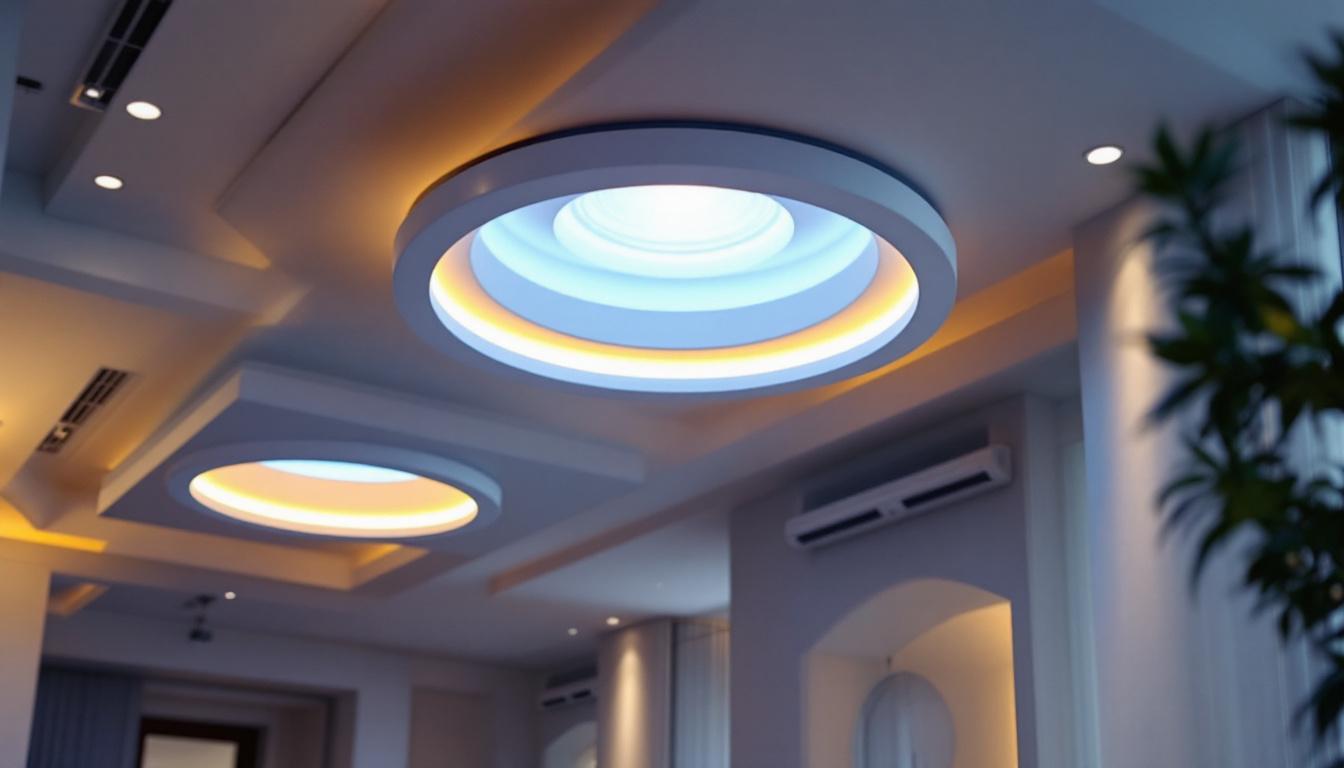
Big recessed lights have become a staple in modern lighting design, especially in commercial and high-end residential projects. These fixtures offer a sleek, unobtrusive look while providing ample illumination for large spaces. For lighting contractors, mastering the installation and specification of big recessed lights is crucial to delivering both aesthetic appeal and functional performance.
Unlike standard recessed lights, big recessed fixtures typically feature larger apertures—often ranging from 6 to 12 inches or more—which allow for higher lumen output and broader light distribution. This makes them ideal for areas requiring uniform lighting such as conference rooms, lobbies, retail spaces, and expansive living areas. However, their size and power demand careful planning and execution to avoid common pitfalls like glare, uneven lighting, or excessive energy consumption.
Why Size Matters in Recessed Lighting
The size of recessed lights directly impacts the quality and spread of light. Larger fixtures can accommodate higher wattage bulbs or multiple LEDs, which translates to brighter, more even illumination. Additionally, big recessed lights often come with enhanced heat dissipation features, allowing for longer-lasting performance and reduced maintenance.
For lighting contractors, understanding the relationship between fixture size, lumen output, and beam angle is essential. Properly sized fixtures ensure that spaces are well-lit without the need for excessive numbers of lights, which can increase installation complexity and costs. Moreover, the choice of trim styles and finishes can further enhance the visual appeal of big recessed lights, allowing them to blend seamlessly with various interior designs. Options such as baffle trims can help reduce glare, while reflector trims can maximize light output, making it easier to tailor the lighting to specific needs.
Furthermore, the integration of smart technology in big recessed lighting systems is gaining traction. Many modern fixtures now offer compatibility with smart home systems, allowing users to control brightness and color temperature through mobile apps or voice commands. This not only enhances convenience but also enables energy savings by allowing users to adjust lighting based on occupancy or time of day. As sustainability becomes increasingly important in design, the ability to incorporate energy-efficient LEDs into these larger fixtures further supports eco-friendly initiatives while providing high-quality lighting solutions.
Planning and Design Considerations
Successful installation of big recessed lights begins with thoughtful planning and design. Lighting contractors must collaborate closely with architects, interior designers, and clients to align lighting choices with the overall vision and functional requirements of the space.
Assessing Space and Lighting Needs
Before selecting fixtures, contractors should conduct a thorough assessment of the space. Key factors include ceiling height, room dimensions, surface reflectance, and the intended use of the area. For example, a retail environment might require bright, evenly distributed light to highlight merchandise, while a conference room may benefit from adjustable lighting to accommodate presentations and meetings.
Using lighting calculation software or photometric analysis can help determine the optimal number and placement of big recessed lights. This approach minimizes guesswork and ensures compliance with relevant lighting standards and codes. Additionally, considering the natural light sources in the space, such as windows and skylights, can significantly influence the overall lighting design. By integrating both artificial and natural light, designers can create a harmonious balance that enhances the aesthetic appeal and functionality of the environment.
Choosing the Right Fixture and Trim
Big recessed lights come in various styles and trims, each affecting the fixture’s performance and appearance. Contractors should consider factors such as:
- Trim Type: Baffle trims reduce glare, while reflector trims maximize brightness. Adjustable trims allow for directional lighting, useful in highlighting specific areas.
- Color Temperature: Selecting the appropriate color temperature (measured in Kelvins) influences the ambiance. Warmer tones (2700K-3000K) create cozy environments, whereas cooler tones (3500K-5000K) promote alertness and clarity.
- Dimming Compatibility: Ensuring fixtures are compatible with dimming systems enhances control and energy efficiency.
Moreover, the choice of materials and finishes for the fixtures can also play a pivotal role in the overall design. For instance, sleek, modern finishes may complement contemporary spaces, while more traditional materials can enhance classic interiors. Additionally, energy-efficient options, such as LED recessed lights, not only reduce electricity costs but also have a longer lifespan, making them a sustainable choice for both residential and commercial applications. The integration of smart lighting technology further allows users to customize their lighting experience, adapting to different moods and activities throughout the day.
Installation Best Practices
Proper installation is paramount to the performance and longevity of big recessed lights. Lighting contractors must adhere to manufacturer guidelines and industry standards to avoid common issues such as overheating, poor alignment, or electrical hazards.
Preparing the Ceiling and Housing
Big recessed lights require appropriately sized housings that fit securely within the ceiling cavity. Contractors should verify ceiling thickness and clearance to accommodate the fixture’s depth and heat dissipation needs. Using IC-rated housings is essential when installing fixtures in insulated ceilings to prevent fire hazards.
Before installation, inspect the electrical wiring and junction boxes to ensure they meet local codes and can handle the fixture’s power requirements. Upgrading wiring or circuit breakers may be necessary for high-wattage fixtures.
Ensuring Proper Alignment and Spacing
Accurate placement of big recessed lights impacts both aesthetics and functionality. Contractors should mark fixture locations precisely, maintaining consistent spacing to achieve uniform light distribution. In large rooms, staggering fixtures can reduce shadows and enhance visual comfort.
Using laser levels or layout tools can improve accuracy during installation. Additionally, verifying that each fixture is flush with the ceiling surface prevents unsightly gaps or uneven surfaces.
Addressing Heat Management and Ventilation
Due to their size and power, big recessed lights generate significant heat. Proper ventilation within the ceiling cavity is critical to prevent overheating, which can shorten fixture lifespan or cause safety issues. Contractors should ensure that housings have adequate airflow and that insulation is installed according to manufacturer recommendations.
In some cases, installing dedicated heat shields or thermal protection devices may be necessary. Monitoring fixture temperature during commissioning helps identify potential problems early.
Electrical and Control System Integration
Integrating big recessed lights with electrical and control systems enhances functionality and energy efficiency. Lighting contractors play a key role in specifying compatible components and ensuring seamless operation.
Wiring and Power Considerations
Big recessed lights often require higher wattage circuits, making it essential to assess the electrical load and distribute it appropriately. Contractors should calculate total wattage per circuit and avoid overloading to maintain safety and reliability.
Using high-quality connectors and following best practices for wire management reduces the risk of faults and simplifies future maintenance. Grounding and bonding must comply with electrical codes to prevent shock hazards.
Implementing Lighting Controls
Modern lighting projects increasingly incorporate advanced control systems such as dimmers, occupancy sensors, and daylight harvesting. Big recessed lights are well-suited to these technologies, enabling dynamic lighting scenes and significant energy savings.
Contractors should verify that fixtures are compatible with control devices and program systems to meet client preferences. For example, integrating occupancy sensors in conference rooms can automatically adjust lighting based on presence, reducing unnecessary energy use.
Maintenance and Troubleshooting
Long-term performance of big recessed lights depends on proper maintenance and timely troubleshooting. Lighting contractors should educate clients on routine care and be prepared to address common issues.
Routine Maintenance Practices
Regular cleaning of trims and lenses prevents dust buildup, which can diminish light output and alter color quality. Contractors should recommend appropriate cleaning methods and schedules based on the environment.
Inspecting fixtures periodically for signs of wear, such as discoloration or flickering, helps identify problems early. Replacing bulbs or LEDs with manufacturer-approved components ensures consistent performance.
Common Troubleshooting Scenarios
Lighting contractors may encounter issues such as flickering, dimming failures, or overheating. Diagnosing these problems involves checking electrical connections, verifying compatibility with controls, and assessing fixture condition.
In some cases, upgrading to newer, more efficient fixtures or control systems may be the best solution. Keeping detailed records of installations and maintenance facilitates faster resolution of issues.
Energy Efficiency and Sustainability Considerations
Big recessed lights, when specified and installed correctly, can contribute significantly to energy-efficient building design. Lighting contractors have an opportunity to promote sustainable practices by selecting appropriate technologies and advising clients on best use.
Leveraging LED Technology
LED-based big recessed lights offer superior energy efficiency compared to traditional incandescent or fluorescent options. They consume less power, produce less heat, and have longer lifespans, reducing replacement frequency and maintenance costs.
Contractors should prioritize LED fixtures with high efficacy (lumens per watt) and quality drivers to maximize benefits. Selecting fixtures with appropriate color rendering index (CRI) ensures accurate color perception, important in retail and hospitality settings.
Incorporating Smart Lighting Solutions
Smart lighting systems enable precise control over big recessed lights, allowing for automated dimming, scheduling, and integration with building management systems. These capabilities optimize energy use and enhance occupant comfort.
Lighting contractors should stay informed about emerging technologies and standards to offer clients cutting-edge solutions that align with sustainability goals and regulatory requirements.
Conclusion
Big recessed lights represent a powerful tool in the lighting contractor’s arsenal, capable of transforming spaces with clean, effective illumination. By understanding the nuances of fixture selection, installation, electrical integration, and maintenance, contractors can deliver superior results that satisfy both aesthetic and functional demands.
Emphasizing energy efficiency and embracing smart control technologies further positions contractors as leaders in sustainable lighting design. With careful planning and attention to detail, big recessed lights can elevate any project, ensuring client satisfaction and long-term success.
Illuminate Your Projects with LumenWholesale
Ready to take your lighting projects to the next level? LumenWholesale is here to support you with exceptional, spec-grade big recessed lights that will transform any space into a masterpiece of design and efficiency. Benefit from our unbeatable wholesale prices and extensive selection that meets the highest industry standards. Say goodbye to inflated markups and hello to hassle-free bulk buying with free shipping. Elevate your lighting solutions and give your clients the quality, affordability, and convenience they deserve. Discover the best value in wholesale lighting by visiting Wholesale Lighting at the Best Value today.