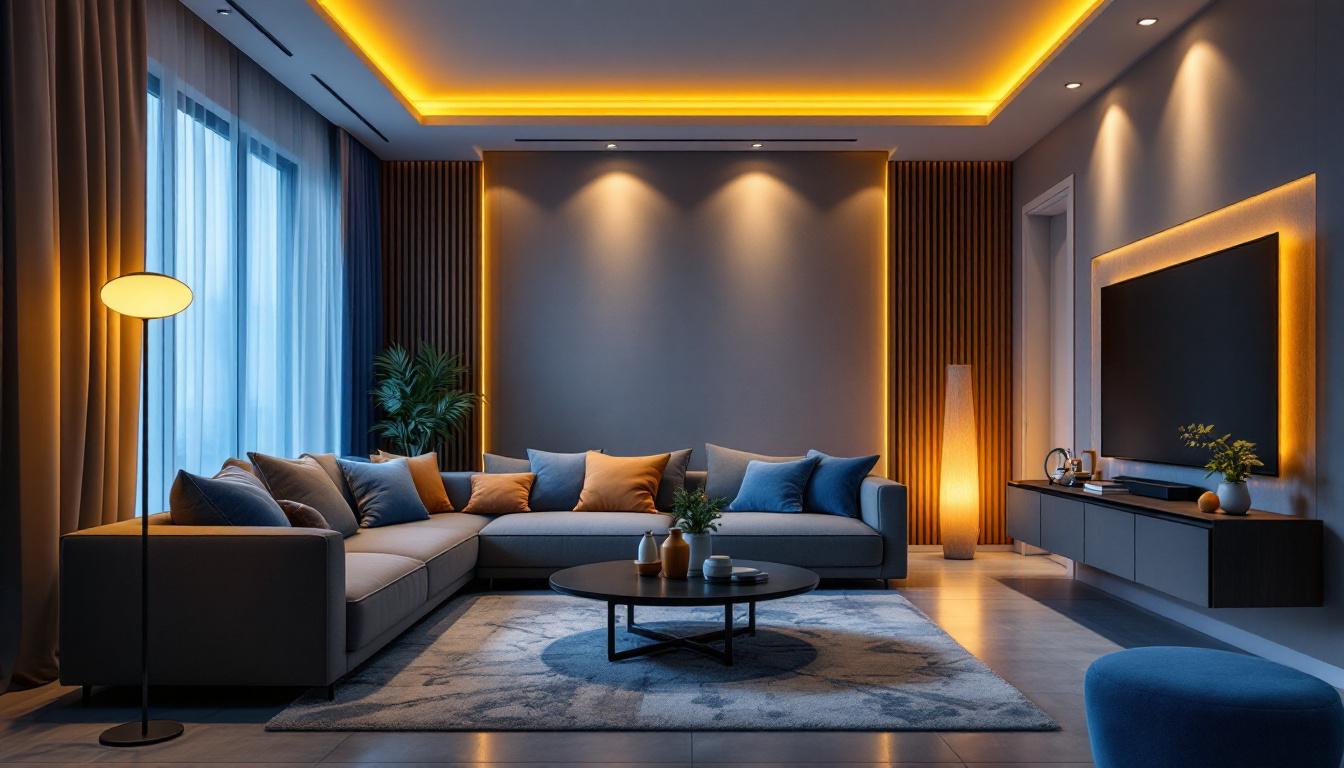
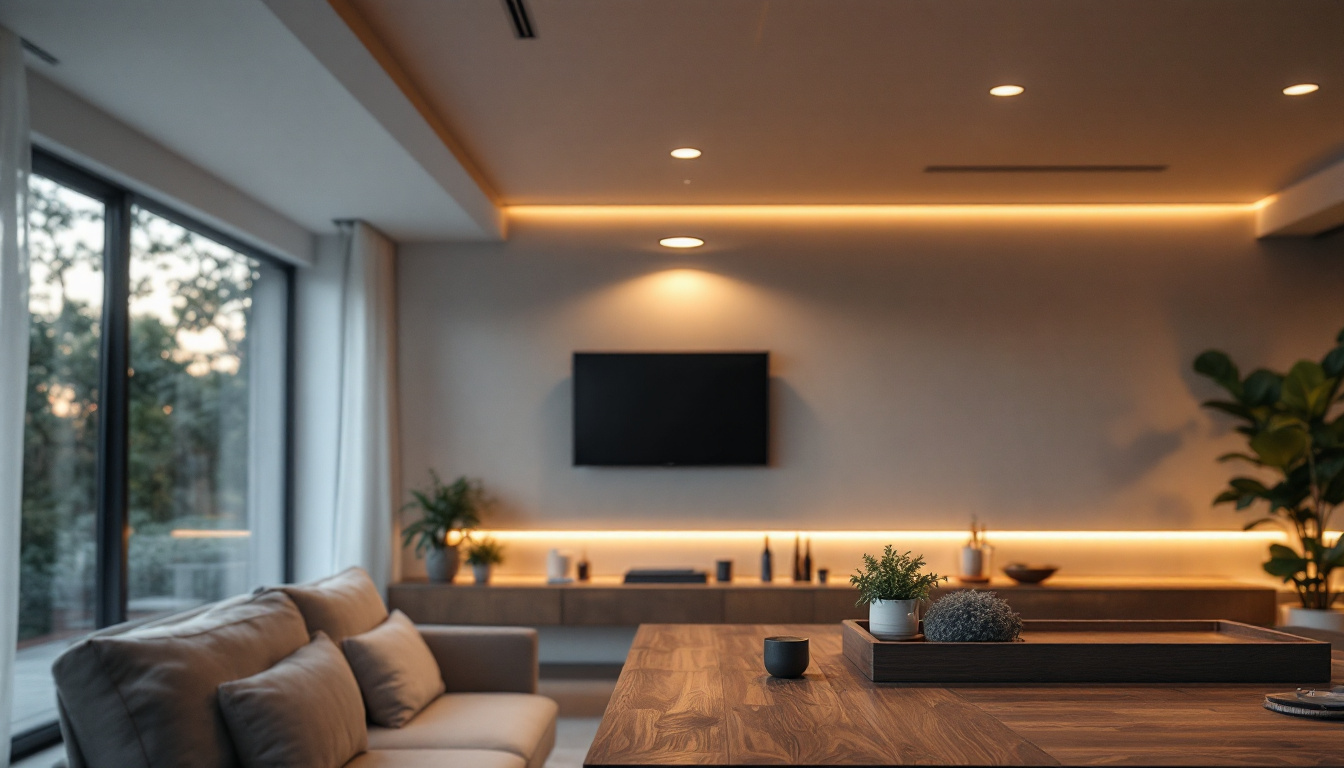
Understanding IC Can Lights and Their Importance
IC can lights, also known as insulated ceiling can lights, have become a cornerstone in contemporary lighting design, especially for contractors who prioritize both functionality and energy efficiency. These fixtures are designed to be installed in direct contact with ceiling insulation without the risk of overheating, which is crucial in modern building codes and energy standards.
For lighting contractors, understanding the nuances of IC can lights is essential. Unlike traditional recessed lighting, IC-rated fixtures come with built-in thermal protection and insulation barriers, allowing them to safely coexist with insulation materials. This feature not only enhances safety but also contributes to improved thermal performance of buildings, reducing energy loss and enhancing occupant comfort.
Moreover, the versatility of IC can lights makes them an ideal choice for various applications, from residential homes to commercial spaces. They can be used to create ambient lighting, accentuate architectural features, or provide task lighting in workspaces. The ability to adjust the beam angle and color temperature allows designers to tailor the lighting to the specific needs of a room, enhancing both aesthetics and functionality. Additionally, with the advent of LED technology, IC can lights now offer longer lifespans and lower energy consumption, further solidifying their role in sustainable design practices.
In terms of installation, IC can lights are relatively straightforward to fit into existing ceiling structures, making them a popular choice for remodels and new constructions alike. Contractors appreciate the ease of integration with smart home systems, allowing homeowners to control their lighting through mobile apps or voice commands. This modern convenience not only adds to the appeal of IC can lights but also aligns with the growing trend towards energy-efficient and user-friendly home automation solutions. As the demand for sustainable and adaptable lighting solutions continues to rise, IC can lights are poised to remain at the forefront of innovation in the lighting industry.
Technical Advantages of IC Can Lights
Energy Efficiency and Thermal Management
One of the primary advantages of IC can lights is their ability to maintain thermal integrity within ceiling cavities. By being rated for direct contact with insulation, these fixtures prevent the formation of heat pockets that can lead to energy inefficiency or even fire hazards. This is particularly important as building codes increasingly emphasize energy conservation and safety. The design of IC can lights ensures that they can operate safely in insulated ceilings, which is a critical factor in modern energy-efficient building practices.
Furthermore, many IC can lights are compatible with LED technology, which offers superior energy savings and longer lifespans compared to traditional incandescent or halogen bulbs. LED IC can lights reduce electricity consumption significantly, often by more than 50%, which translates to lower operating costs and a smaller carbon footprint. Additionally, the longevity of LED bulbs means less frequent replacements, contributing to reduced waste and lower maintenance costs over time. This combination of energy efficiency and durability makes IC can lights an environmentally friendly choice for both homeowners and businesses.
Versatility in Installation
IC can lights are available in various sizes and configurations, making them adaptable to a wide range of residential and commercial applications. Whether installing in tight ceiling spaces, new constructions, or retrofit projects, these fixtures provide flexibility without compromising on safety or performance. Their ability to fit seamlessly into different architectural styles allows designers and homeowners to achieve a clean, modern look while ensuring optimal lighting throughout the space.
Their design also facilitates easier wiring and mounting, which can reduce installation time and labor costs for contractors. Many models feature adjustable housings and trims, allowing for precise aiming and customization of light distribution, an important consideration for achieving desired lighting effects. This adaptability is particularly beneficial in spaces where lighting needs may change, such as in galleries or retail environments where highlighting specific areas or products is crucial. Moreover, with the advent of smart lighting technology, many IC can lights can now be integrated with home automation systems, providing users with the ability to control brightness and color temperature, further enhancing their versatility and functionality in modern settings.
Compliance with Building Codes and Safety Standards
Compliance with local and national building codes is a critical concern for lighting contractors. IC can lights are specifically engineered to meet stringent safety standards, including Underwriters Laboratories (UL) certification for insulation contact and fire safety. This certification ensures that the fixtures have undergone rigorous testing to prevent overheating and fire risks.
Incorporating IC-rated fixtures into lighting designs helps contractors avoid costly code violations and potential liability issues. Additionally, these lights support compliance with energy codes such as those outlined by the International Energy Conservation Code (IECC), which mandates insulation integrity and energy-efficient lighting solutions.
Moreover, the importance of adhering to building codes extends beyond mere compliance; it also plays a significant role in the overall safety and comfort of occupants. For instance, proper lighting not only enhances visibility but also contributes to a space’s aesthetic appeal and functionality. When contractors utilize IC-rated fixtures, they are ensuring that the lighting system operates safely in conjunction with insulation materials, thereby reducing the risk of energy loss and maintaining optimal indoor temperatures. This is particularly crucial in residential settings, where families rely on safe and efficient lighting for daily activities.
Furthermore, as energy efficiency becomes a growing concern in modern construction, many municipalities are adopting more stringent regulations to promote sustainable practices. Lighting contractors who stay informed about these evolving codes can leverage their knowledge to provide clients with innovative solutions that not only meet legal requirements but also align with environmentally friendly initiatives. By integrating advanced technologies such as LED IC-rated fixtures, contractors can significantly reduce energy consumption while delivering high-quality illumination, thereby appealing to eco-conscious consumers and enhancing their competitive edge in the market.
Design Considerations for Lighting Contractors
Optimizing Light Quality and Aesthetics
While technical specifications are vital, the aesthetic aspect of lighting cannot be overlooked. IC can lights offer a sleek, unobtrusive profile that integrates seamlessly into ceilings, making them ideal for modern minimalist designs. Their trims come in various finishes and styles, enabling contractors to tailor the look to suit different interior themes. This versatility allows for creative expression, as contractors can mix and match styles to create unique lighting solutions that complement the overall design scheme of a space.
Moreover, the quality of light emitted by IC can lights can be fine-tuned through choices in color temperature and beam angle. Warm white LEDs create inviting atmospheres in residential settings, while cooler temperatures are preferred in commercial or task-oriented environments. Adjustable trims and baffles help reduce glare and enhance visual comfort. Additionally, the use of dimmable options can further enhance the ambiance, allowing homeowners to shift the mood from bright and energetic during the day to soft and relaxing in the evening, thus catering to various activities and preferences.
Integration with Smart Lighting Systems
Modern lighting solutions increasingly incorporate smart technologies for enhanced control and energy management. Many IC can lights are compatible with dimmers, occupancy sensors, and wireless control systems, allowing contractors to offer clients advanced lighting solutions that improve functionality and convenience. The ability to control lighting through mobile apps or voice commands adds a layer of sophistication that appeals to tech-savvy consumers, making the lighting experience not just practical but also enjoyable.
Integrating IC can lights with smart controls can also contribute to energy savings by enabling adaptive lighting strategies, such as daylight harvesting and automated dimming, which respond to occupancy and natural light levels. These systems can be programmed to adjust the brightness based on the time of day or the presence of people in the room, ensuring that energy is not wasted when spaces are unoccupied. Furthermore, the integration of smart lighting can enhance security; for instance, lights can be set to simulate occupancy when homeowners are away, deterring potential intruders and providing peace of mind. As the demand for energy-efficient and user-friendly lighting solutions continues to rise, contractors who embrace these technologies will find themselves at the forefront of the industry.
Challenges and Best Practices in Installation
Despite their advantages, IC can lights require careful installation to maximize performance and safety. Contractors must ensure that the fixtures are properly sealed to prevent air leakage, which can compromise insulation effectiveness and increase energy costs.
Another consideration is the compatibility of IC can lights with different insulation types, such as fiberglass, cellulose, or spray foam. Understanding these interactions helps avoid issues like moisture buildup or insulation displacement.
Proper wiring and adherence to electrical codes are paramount. Using approved connectors and ensuring secure connections reduce the risk of electrical faults. Additionally, verifying the fixture’s thermal protection features and ensuring they are not bypassed during installation is critical for maintaining safety standards.
Future Trends in IC Can Lighting
The lighting industry continues to evolve, and IC can lights are no exception. Advances in LED technology, including higher lumen outputs and improved color rendering, are expanding the potential applications of these fixtures. Innovations in materials and design are also leading to more compact and efficient housings.
Furthermore, sustainability is driving demand for fixtures that not only conserve energy but are also manufactured with environmentally friendly materials and processes. Lighting contractors who stay abreast of these trends can provide cutting-edge solutions that meet client expectations and regulatory requirements.
Integration with building automation systems is expected to become more prevalent, enabling comprehensive control over lighting, HVAC, and security systems. This holistic approach enhances building performance and occupant experience.
Conclusion
IC can lights play a pivotal role in modern lighting solutions by combining safety, energy efficiency, and design flexibility. For lighting contractors, mastering the selection, installation, and integration of these fixtures is essential to delivering high-quality, code-compliant lighting systems that meet the demands of today’s buildings.
By leveraging the technical advantages and staying informed about emerging trends, contractors can enhance their service offerings, improve client satisfaction, and contribute to sustainable building practices. IC can lights are not just a component of lighting design; they are a strategic element in the future of efficient, safe, and aesthetically pleasing illumination.
Illuminate Your Projects with LumenWholesale
Ready to elevate your lighting solutions with the efficiency and elegance of IC can lights? Look no further than LumenWholesale for all your lighting needs. We provide contractors with the highest quality, spec-grade lighting products at unbeatable wholesale prices. Our selection is designed to meet the most rigorous industry standards, ensuring you have access to reliable and high-performance lighting for every project. Plus, with free shipping on bulk orders, you can get premium lighting at the best value — without any hidden fees. Don’t compromise on quality or cost. Wholesale Lighting at the Best Value is just a click away. Choose LumenWholesale and experience the perfect blend of quality, affordability, and convenience today.