Understanding the Complexities of Modern Socket and Switch Installations
Lighting contractors today face an evolving landscape where the traditional roles of sockets and switches are expanding beyond simple on/off functions. Modern electrical components now integrate smart technology, energy efficiency requirements, and enhanced safety features, all of which add layers of complexity to installation and maintenance tasks.
One of the primary challenges is staying current with the rapid technological advancements. Smart switches, for example, often require compatibility with home automation systems and wireless networks, demanding contractors possess not only electrical expertise but also knowledge of networking and software configurations. This shift means contractors must continually update their skills to meet client expectations and industry standards.
Balancing Aesthetics and Functionality
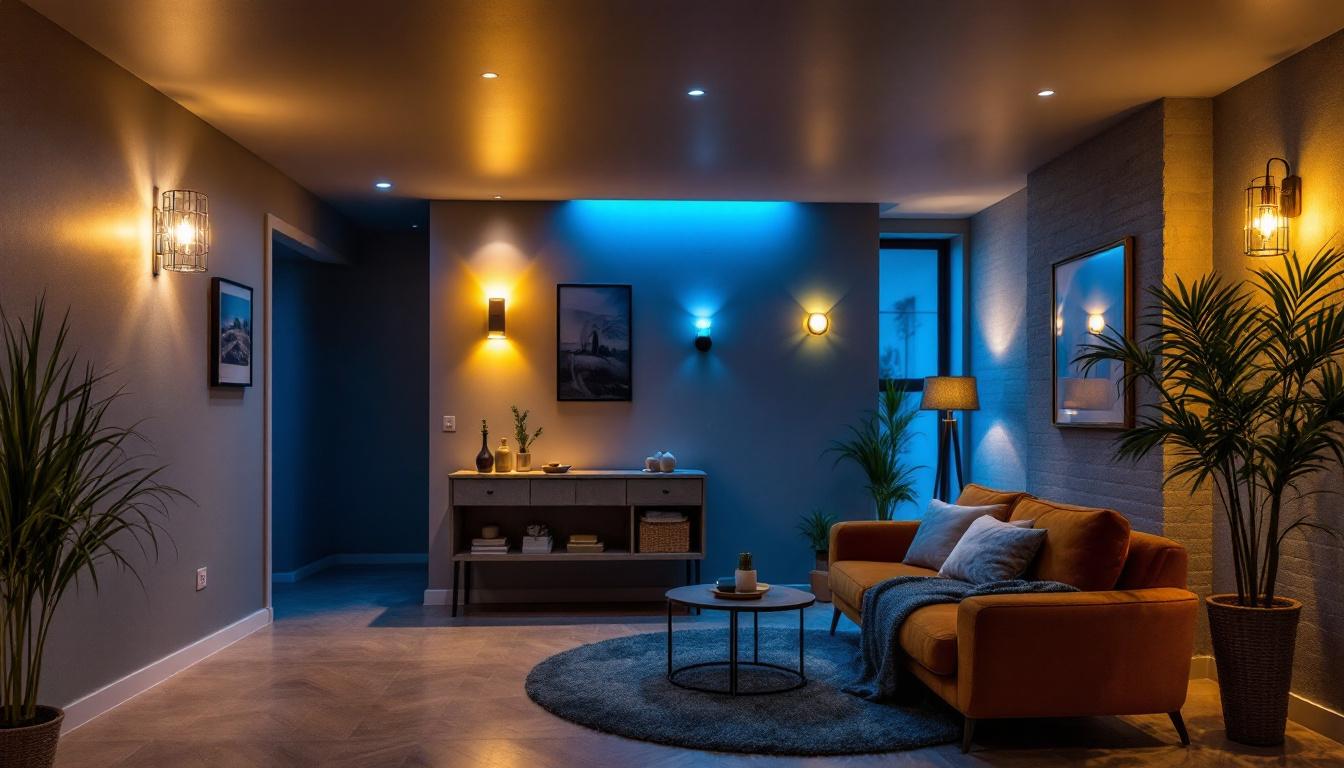
Clients increasingly prioritize the aesthetic integration of sockets and switches within their interior design. Lighting contractors must navigate the challenge of selecting and installing components that blend seamlessly with various décor styles while maintaining optimal functionality. This balance requires a keen eye for detail and an understanding of product ranges that offer both design flexibility and technical reliability.
Moreover, the rise of customizable options in the market has further complicated this task. Many manufacturers now offer a variety of colors, finishes, and styles, allowing homeowners to personalize their spaces. However, this abundance of choice can overwhelm clients, making it essential for contractors to guide them through the selection process. By understanding the latest trends in interior design and the specific needs of their clients, contractors can recommend solutions that not only enhance the visual appeal of a space but also improve its usability and convenience.
Additionally, energy efficiency has become a significant factor influencing the choice of sockets and switches. With growing awareness of environmental issues, many clients are looking for solutions that reduce energy consumption and lower utility bills. This trend has led to the development of innovative products, such as dimmer switches that allow for better control of lighting levels and smart plugs that can monitor and manage energy usage. Contractors must be well-versed in these options to provide informed recommendations that align with their clients’ sustainability goals, ensuring that installations are not only stylish but also eco-friendly.
Ensuring Compliance with Evolving Electrical Standards and Regulations
Electrical safety standards are stringent and frequently updated to address emerging risks and technologies. Lighting contractors must ensure that all socket and switch installations comply with the latest regulations, which can vary by region and application. Non-compliance not only jeopardizes safety but can also lead to legal repercussions and reputational damage.
For instance, regulations around residual current devices (RCDs) and ground-fault circuit interrupters (GFCIs) have become more rigorous, especially in wet or outdoor environments. Contractors must be vigilant in selecting appropriate protective devices and verifying that installations meet mandatory safety criteria. Additionally, the rise of smart home technology has introduced new standards that govern the integration of these devices into existing electrical systems, further complicating the compliance landscape.
Documentation and Inspection Challenges
Proper documentation of installations is critical for compliance and future maintenance. Lighting contractors often encounter difficulties in maintaining thorough records, particularly on large or complex projects. Accurate documentation supports inspections and can be instrumental in troubleshooting or upgrades down the line. Moreover, with the increasing reliance on digital tools, contractors are encouraged to adopt software solutions that streamline the documentation process, making it easier to track compliance and manage project details efficiently.
In addition to documentation, the inspection process itself can pose challenges. Contractors must navigate various inspection protocols, which may differ significantly based on local jurisdictions. This necessitates a deep understanding of both the technical requirements and the procedural expectations of inspectors. Regular training and staying updated on local codes can empower contractors to anticipate potential issues and ensure that their work passes inspections on the first attempt, thereby minimizing delays and additional costs associated with rework.
Managing Installation Complexities in Diverse Environments
Lighting contractors frequently work across a variety of settings—from residential homes to commercial buildings and industrial sites—each presenting unique challenges for socket and switch installations. Understanding the specific environmental factors, such as moisture levels, exposure to dust, or mechanical impact, is essential to selecting the right components and installation methods. For instance, in coastal areas where humidity is high, contractors may opt for corrosion-resistant materials to ensure longevity and reliability. Similarly, in industrial settings where dust and debris are prevalent, the use of sealed or dustproof sockets can significantly enhance performance and reduce maintenance needs.
Adapting to Space Constraints and Structural Limitations
Many installations occur in spaces with limited room for wiring and mounting hardware. Contractors must creatively adapt to these constraints without compromising safety or performance. This often involves custom solutions or the use of compact, modular socket and switch designs that fit within confined areas. Additionally, understanding the building’s architecture can lead to innovative installation techniques, such as utilizing existing conduits or integrating sockets into furniture or fixtures. This not only maximizes space but also enhances the aesthetic appeal of the installation, ensuring that functionality does not detract from design.
Integration with Other Electrical Systems
Sockets and switches rarely operate in isolation. They are part of broader electrical and lighting systems that may include sensors, dimmers, and energy management devices. Ensuring seamless integration requires careful planning and coordination with other trades, such as HVAC or security system installers. This collaborative approach can lead to the development of smart systems that optimize energy efficiency and enhance user experience. For example, integrating motion sensors with lighting controls allows for automatic adjustments based on occupancy, reducing energy waste and extending the life of the lighting fixtures. Moreover, the rise of smart home technology has introduced new opportunities for integration, where contractors must stay updated on the latest advancements to provide clients with cutting-edge solutions that are both functional and user-friendly.
Addressing Client Expectations and Communication Barriers
Effective communication with clients is vital to the success of any lighting project. Contractors must manage expectations regarding timelines, costs, and the capabilities of various socket and switch options. Misunderstandings can lead to dissatisfaction or costly revisions. It is essential for contractors to establish a clear line of communication from the outset, ensuring that clients fully understand the scope of the project and any potential limitations. Regular updates and check-ins can help keep clients informed and engaged, reducing anxiety and building trust throughout the project lifecycle.
Furthermore, clients may request features that are technically challenging or incompatible with existing infrastructure. Lighting contractors need to provide clear, professional advice and alternative solutions that align with client goals while maintaining safety and functionality. For instance, if a client desires a specific aesthetic that requires a unique fixture, the contractor should be prepared to suggest similar options that fit within the technical constraints of the project. By fostering an open dialogue, contractors can guide clients toward practical solutions that meet their vision without compromising safety or budget.
Educating Clients on Maintenance and Usage
Many issues with sockets and switches arise from improper use or lack of maintenance. Contractors have an opportunity to educate clients on best practices, including the importance of regular inspections and the safe operation of smart devices. This proactive approach can reduce call-backs and enhance client satisfaction. Moreover, providing clients with a simple maintenance schedule or checklist can empower them to take ownership of their lighting systems, ensuring longevity and optimal performance.
Additionally, contractors can introduce clients to the latest technology in lighting control systems, such as mobile apps or voice-activated features. By demonstrating how to effectively utilize these tools, clients can maximize the functionality of their lighting setups while enjoying the convenience of modern technology. Workshops or informational sessions can also be beneficial, allowing clients to ask questions and gain a deeper understanding of their systems. This not only enhances their experience but also positions the contractor as a knowledgeable resource, fostering a lasting professional relationship.
Supply Chain and Product Quality Concerns
The availability of high-quality sockets and switches can be affected by supply chain disruptions, fluctuating demand, and market competition. Lighting contractors must navigate these challenges to source reliable products that meet specifications and deliver long-term performance. Recent global events, such as the pandemic and geopolitical tensions, have illustrated how vulnerable supply chains can be. Manufacturers may face delays in production or shipping, leading to potential project holdups. Additionally, the rise of e-commerce has introduced new players into the market, making it essential for contractors to discern which suppliers can consistently deliver quality products amidst these uncertainties.
Choosing reputable manufacturers and verifying product certifications are critical steps. Inferior components not only risk failure but can also compromise safety and increase liability for contractors. For instance, using uncertified electrical components can lead to hazardous situations, including electrical fires or equipment malfunctions. Contractors should prioritize suppliers that adhere to industry standards, such as UL or CE certifications, ensuring that the products they use are tested for safety and performance. Furthermore, establishing long-term relationships with trusted suppliers can provide contractors with insights into product innovations and upcoming trends, enhancing their competitive edge.
Managing Costs Without Compromising Quality
Budget constraints often pressure contractors to seek cost-effective solutions. However, opting for cheaper products or shortcuts in installation can lead to higher expenses over time due to repairs or replacements. Strategic procurement and transparent client discussions about value versus cost are essential to maintaining project integrity. It is crucial for contractors to educate clients on the long-term benefits of investing in quality materials, such as reduced maintenance costs and improved energy efficiency. By presenting a comprehensive cost-benefit analysis, contractors can help clients understand that the initial investment in high-quality products often pays off in the long run.
Additionally, leveraging technology can assist contractors in managing costs while ensuring quality. Utilizing project management software can streamline procurement processes, allowing for better tracking of inventory and supplier performance. This not only helps in making informed purchasing decisions but also aids in forecasting future needs based on project timelines and client demands. Moreover, embracing sustainable practices, such as sourcing eco-friendly materials, can appeal to environmentally conscious clients and potentially open up new markets, further enhancing a contractor’s reputation and profitability.
Conclusion: Navigating the Multifaceted Challenges of Socket and Switch Work
Lighting contractors operate at the intersection of technology, safety, design, and client service. The challenges associated with sockets and switches are emblematic of the broader demands placed on professionals in this field. By embracing continuous learning, adhering strictly to regulations, and fostering clear communication, contractors can successfully overcome these obstacles and deliver installations that are safe, functional, and aesthetically pleasing.
Ultimately, the ability to adapt to changing technologies and client needs while maintaining high standards of workmanship will distinguish successful lighting contractors in a competitive market.
Get Your Lighting Essentials at LumenWholesale
As you navigate the complex world of socket and switch installations, partner with a supplier that understands your needs. LumenWholesale is dedicated to equipping lighting contractors with the highest quality, spec-grade lighting products at exceptional wholesale prices. Our commitment to cutting out the middleman means you get the best value for your investment, without sacrificing performance or design. With our expansive selection that meets rigorous industry standards and the convenience of free shipping on bulk orders, you can tackle any project with confidence. Elevate your lighting game and ensure your installations stand out in both functionality and aesthetics. Wholesale Lighting at the Best Value is just a click away.