Introduction to Cast Iron Light Poles
Cast iron light poles have long been a staple in urban and suburban lighting infrastructure. Their robust construction and classic aesthetic make them a preferred choice for many lighting contractors tasked with designing and installing outdoor lighting systems. Understanding the nuances of cast iron poles—from their material properties to installation considerations—is essential for professionals aiming to deliver durable and visually appealing lighting solutions.
In this article, lighting contractors will find a comprehensive guide covering the key aspects of cast iron light poles, including their benefits, design variations, maintenance requirements, and installation best practices. This knowledge will empower contractors to make informed decisions, optimize project outcomes, and meet client expectations effectively.
One of the standout features of cast iron light poles is their ability to withstand harsh weather conditions, making them particularly suitable for areas prone to extreme temperatures, heavy winds, and precipitation. Unlike other materials that may corrode or weaken over time, cast iron offers exceptional durability, ensuring that these poles can endure the test of time while maintaining their structural integrity. Additionally, the weight of cast iron provides stability, reducing the risk of tipping or damage during storms, which is a crucial consideration for public safety in urban environments.
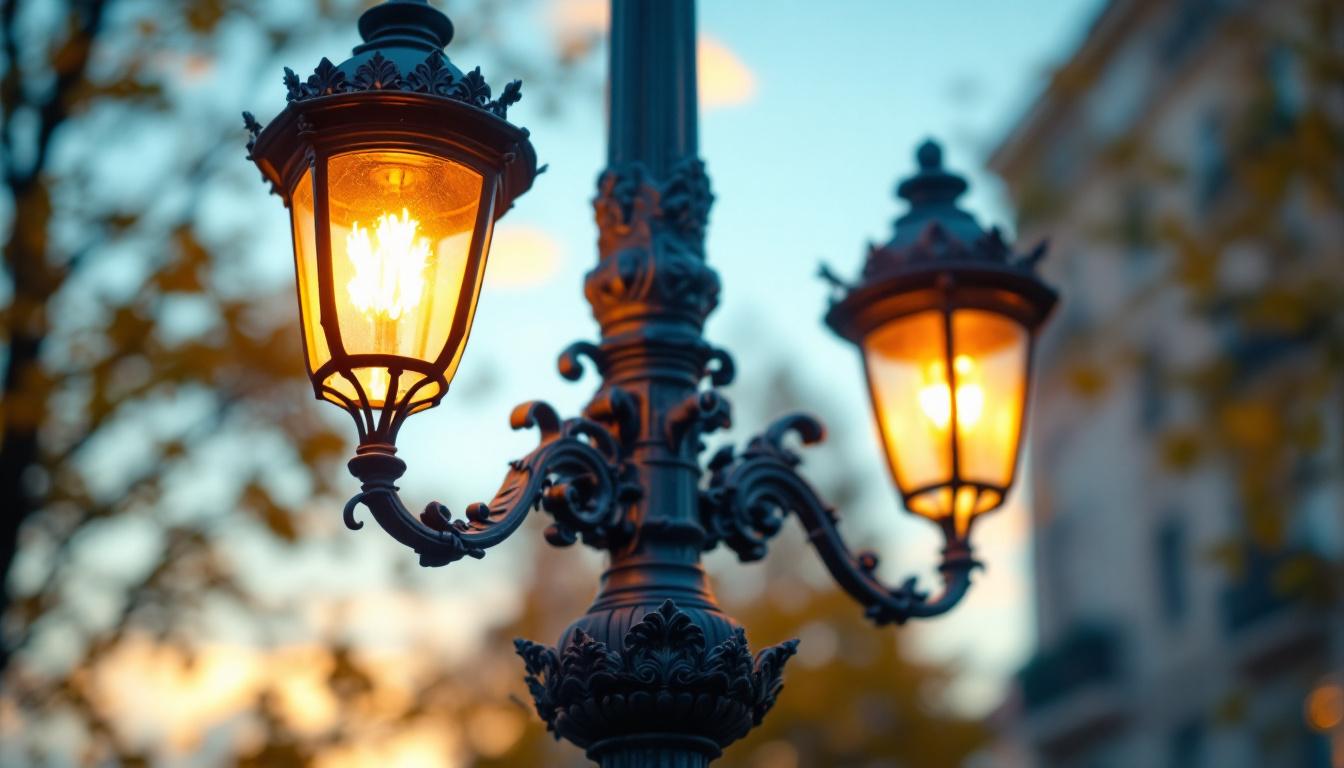
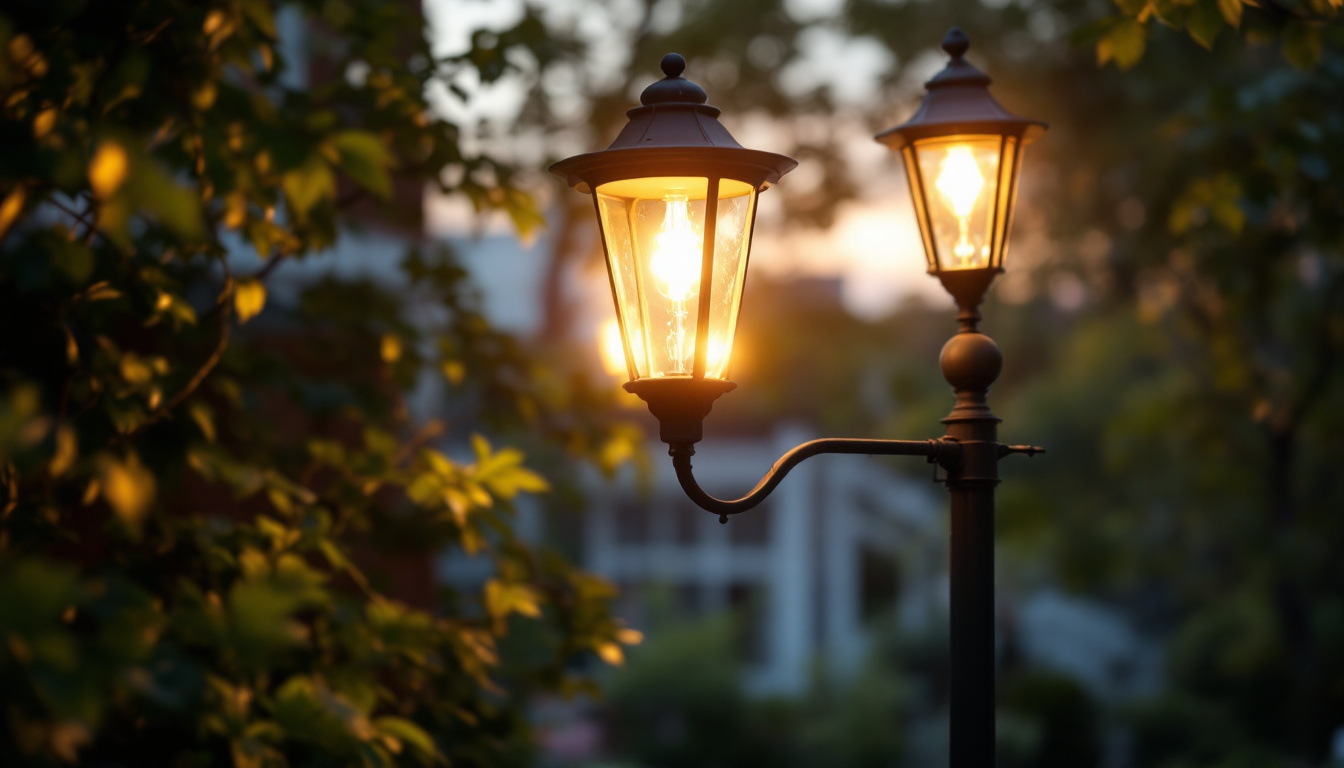
Moreover, cast iron light poles come in a variety of designs, from ornate Victorian styles to sleek modern silhouettes, allowing for versatility in aesthetic appeal. This variety not only enhances the visual landscape of streets and parks but also allows contractors to select poles that complement the architectural style of surrounding buildings and public spaces. The ability to customize finishes and decorative elements further enhances their appeal, making cast iron poles not just functional lighting solutions but also integral components of urban design that contribute to the overall ambiance of a community.
Material Characteristics and Benefits of Cast Iron
Durability and Strength
Cast iron is renowned for its exceptional strength and durability, making it an ideal material for light poles exposed to various environmental conditions. Unlike aluminum or steel alternatives, cast iron offers superior resistance to deformation under heavy loads, such as strong winds or impacts. This resilience ensures the longevity of the light pole, reducing the need for frequent replacements or repairs.
Moreover, cast iron’s weight contributes to its stability, preventing poles from swaying or toppling easily. This is particularly important in areas prone to storms or high pedestrian traffic, where safety and reliability are paramount. The inherent density of cast iron also means that it can withstand the rigors of urban environments, where vibrations from traffic and construction can take a toll on less robust materials. As a result, municipalities and property developers often favor cast iron for its ability to stand the test of time, making it a wise investment in public infrastructure.
Corrosion Resistance and Longevity
While cast iron is susceptible to rust, modern manufacturing techniques and protective coatings significantly enhance its corrosion resistance. Galvanization and powder coating are commonly applied to cast iron poles to create a barrier against moisture and environmental pollutants. These treatments extend the lifespan of the poles, often surpassing several decades with minimal maintenance.
Lighting contractors should ensure that the cast iron poles they select come with appropriate protective finishes suitable for the installation environment, whether coastal, industrial, or urban. Additionally, advancements in surface treatment technologies, such as ceramic coatings and advanced polymers, are now available, providing even greater protection against the elements. These innovations not only enhance the durability of cast iron but also allow for a broader range of colors and finishes, further increasing the versatility of cast iron poles in various settings.
Aesthetic Appeal and Design Flexibility
Cast iron poles offer a timeless, classic look that complements a wide range of architectural styles. Their ability to be molded into intricate shapes and decorative patterns allows designers and contractors to customize poles to fit specific project themes, such as historic districts, parks, or upscale commercial areas.
This design flexibility is a significant advantage over more utilitarian materials, enabling lighting contractors to meet both functional and aesthetic requirements without compromise. Furthermore, the rich texture and finish of cast iron can enhance the visual appeal of public spaces, contributing to a sense of place and community identity. The ability to incorporate artistic elements, such as embossed designs or integrated lighting features, allows for the creation of unique installations that not only serve a practical purpose but also enrich the urban landscape. As cities increasingly prioritize aesthetic considerations in their infrastructure projects, cast iron stands out as a material that marries durability with beauty, making it a preferred choice for many contemporary projects.
Types and Styles of Cast Iron Light Poles
Traditional vs. Contemporary Designs
Cast iron light poles come in a variety of styles, broadly categorized into traditional and contemporary designs. Traditional poles often feature ornate bases, fluted shafts, and decorative finials, evoking a vintage or historic charm. These are ideal for restoration projects or areas seeking a nostalgic ambiance.
Contemporary cast iron poles, on the other hand, emphasize clean lines and minimalist forms while retaining the material’s inherent strength. These designs fit well in modern urban developments and commercial settings, where sleek aesthetics are preferred.
Single-Arm and Multi-Arm Configurations
Lighting contractors must also consider the arm configuration of cast iron poles. Single-arm poles are commonly used for street lighting and pedestrian pathways, providing focused illumination. Multi-arm poles, which can have two or more arms, are suitable for larger spaces like parking lots or plazas, offering broader light distribution.
The choice between single and multi-arm designs depends on the lighting requirements, pole height, and the layout of the installation site.
Custom Fabrication Options
One of the standout features of cast iron poles is the ability to customize them extensively. Many manufacturers offer custom fabrication services, allowing contractors to specify dimensions, finishes, and decorative elements tailored to project needs.
Custom cast iron poles can incorporate logos, unique patterns, or integrated mounting brackets for banners and signage, adding value and branding opportunities for clients.
Installation Considerations for Lighting Contractors
Site Assessment and Foundation Requirements
Proper installation of cast iron light poles begins with a thorough site assessment. Lighting contractors should evaluate soil conditions, load-bearing capacity, and environmental factors such as wind speeds and seismic activity. These assessments inform the design of the pole foundation, which must be engineered to support the weight and height of the cast iron pole securely.
Typically, cast iron poles require concrete foundations with anchor bolts embedded to ensure stability. The foundation depth and diameter vary based on pole specifications and local building codes.
Handling and Transportation Challenges
Due to their weight, cast iron poles demand careful handling during transportation and installation. Contractors should employ appropriate lifting equipment and follow safety protocols to prevent damage to the poles and ensure worker safety.
Pre-installation planning should include logistics for moving poles from storage to the installation site, especially in urban areas with limited access or space constraints.
Electrical Wiring and Mounting Accessories
Integrating electrical wiring within cast iron poles requires precision to maintain both functionality and aesthetics. Many cast iron poles are designed with internal channels to conceal wiring, protecting it from weather and vandalism.
Lighting contractors should coordinate with electrical engineers to ensure wiring complies with local electrical codes and accommodates the intended lighting fixtures. Additionally, mounting accessories such as brackets, luminaire arms, and control devices must be compatible with the pole design and securely attached.
Maintenance and Longevity Strategies
Routine Inspection and Cleaning
Maintaining cast iron light poles involves regular inspections to identify signs of corrosion, structural damage, or paint deterioration. Cleaning the poles periodically removes dirt, pollutants, and bird droppings that can accelerate wear.
Lighting contractors can advise clients on maintenance schedules and perform inspections as part of ongoing service contracts, helping to extend the functional life of the poles.
Repainting and Protective Coatings
Over time, the protective coatings on cast iron poles may degrade, exposing the metal to rust. Repainting with high-quality, weather-resistant paints restores the protective barrier and enhances the pole’s appearance.
Contractors should use coatings specifically formulated for cast iron and outdoor exposure, ensuring compatibility and durability.
Repair and Replacement Considerations
Minor damages such as surface rust or small cracks can often be repaired on-site, but severe structural issues may necessitate pole replacement. Lighting contractors must assess the cost-effectiveness of repairs versus replacement and advise clients accordingly.
When replacing poles, matching the design and finish of existing cast iron poles is crucial to maintain visual consistency in the lighting scheme.
Environmental and Regulatory Factors
Compliance with Local Codes and Standards
Lighting contractors must ensure that cast iron light pole installations comply with all relevant local building codes, electrical standards, and safety regulations. This includes adherence to height restrictions, illumination levels, and pole spacing requirements.
Familiarity with standards such as those from the Illuminating Engineering Society (IES) and the American National Standards Institute (ANSI) helps contractors design lighting systems that meet performance and safety benchmarks.
Sustainability and Environmental Impact
Cast iron poles are recyclable and often manufactured using recycled materials, contributing to sustainable construction practices. Their long lifespan reduces the frequency of replacements, minimizing environmental impact over time.
Lighting contractors can highlight these sustainability benefits to clients, aligning projects with green building initiatives and community environmental goals.
Conclusion: Maximizing the Value of Cast Iron Light Poles
For lighting contractors, cast iron light poles represent a blend of strength, aesthetic versatility, and longevity. Mastery of their material properties, design options, installation techniques, and maintenance requirements is essential to delivering high-quality lighting solutions that withstand the test of time.
By leveraging the advantages of cast iron poles and navigating their challenges with expertise, contractors can enhance project success, satisfy client demands, and contribute to safer, more attractive outdoor environments.
Illuminate Your Projects with LumenWholesale
Ready to elevate your lighting projects with the strength and beauty of cast iron light poles? Look no further than LumenWholesale for a selection that combines quality with affordability. Our spec-grade lighting products are designed to meet the highest industry standards, ensuring that your installations shine with reliability and performance. Say goodbye to inflated markups and hello to value with our unbeatable wholesale prices and the convenience of free shipping on bulk orders. Wholesale Lighting at the Best Value is just a click away. Partner with LumenWholesale today and light up your projects with confidence and style.