Introduction to Pendant Lights and Their Importance in Lighting Design
Pendant lights have become a staple in both residential and commercial lighting designs due to their versatility, aesthetic appeal, and functional benefits. For lighting contractors, understanding the intricate components of pendant lights is essential not only for proper installation but also for advising clients on the best options tailored to their needs.
Unlike other lighting fixtures, pendant lights hang from the ceiling, offering focused illumination and serving as a design statement. Their popularity spans kitchens, dining areas, offices, and retail spaces, making them a critical element in modern lighting projects.
One of the key advantages of pendant lights is their ability to create a warm and inviting atmosphere. They can be used to highlight specific areas, such as a kitchen island or a dining table, enhancing both functionality and aesthetics. The variety of styles, materials, and colors available allows homeowners and designers to select fixtures that complement their overall decor, whether it be a sleek, modern look or a more rustic, vintage vibe. Additionally, the height at which pendant lights are installed can dramatically affect the mood of a space, making it crucial for contractors to consider the scale and proportion of the room when making recommendations.
Furthermore, pendant lights can be equipped with different types of bulbs, from energy-efficient LEDs to traditional incandescent options, allowing for customization based on the desired brightness and ambiance. This flexibility not only contributes to energy savings but also enhances the overall experience of the space. As trends in lighting design continue to evolve, pendant lights remain at the forefront, adapting to new technologies and styles while maintaining their essential role in creating functional and beautiful environments.
Core Components of a Pendant Light
1. Canopy
The canopy is the decorative cover that attaches the pendant light to the ceiling. It conceals the electrical box and wiring, providing a clean, finished look. Canopies come in various shapes—round, square, or rectangular—and finishes to match the fixture’s style.
For lighting contractors, selecting the right canopy is crucial because it must fit securely over the electrical box and support the weight of the pendant light. Additionally, some canopies are designed to accommodate multiple pendants, which is common in clustered or linear pendant installations. The choice of finish, whether polished chrome, matte black, or antique brass, can significantly influence the overall aesthetic of the lighting fixture, allowing it to either blend seamlessly into the ceiling or stand out as a statement piece.
Moreover, certain canopies come with integrated features such as built-in dimmers or smart technology compatibility, enabling enhanced control over the lighting environment. This modern functionality not only adds convenience but also aligns with the growing trend towards smart home integration, making it an essential consideration for contemporary lighting design.
2. Suspension System
The suspension system includes the components that hang the pendant light from the ceiling. This typically involves a rod, chain, or cord. Each type has its advantages:
- Rod: Provides a rigid, stable suspension, ideal for heavier fixtures or where precise height is needed.
- Chain: Offers flexibility in length and a decorative element, often used in traditional or rustic designs.
- Cord: Lightweight and adjustable, commonly used in modern or minimalist styles.
Understanding the load capacity and adjustability of these suspension methods is vital for safety and aesthetics. Contractors must ensure that the suspension system can support the fixture’s weight and that the length suits the room’s dimensions. Furthermore, the choice of suspension can also impact the visual flow of a space; for instance, a longer chain can create a dramatic effect in a room with high ceilings, while a shorter rod may be more suitable for intimate settings.
In addition, the aesthetic appeal of the suspension system itself can enhance the overall design. Decorative chains or uniquely styled rods can serve as an extension of the pendant light’s design theme, contributing to a cohesive look throughout the room.
3. Light Socket and Holder
The light socket is the part where the bulb is installed. It’s connected to the electrical wiring and must be compatible with the bulb type specified for the fixture. Common socket types include E26/E27 for standard bulbs and GU10 or G9 for specialty bulbs.
Lighting contractors need to verify the socket type to ensure compatibility with energy-efficient bulbs such as LEDs or CFLs, which are increasingly preferred for their longevity and energy savings. The socket holder also plays a role in heat dissipation and electrical safety. Additionally, the design of the socket can vary, with some featuring decorative elements that enhance the overall look of the pendant light, while others are designed for easy bulb replacement.
Moreover, advancements in lighting technology have led to the development of smart sockets that allow for remote control and automation of lighting. This feature not only adds convenience but also supports energy efficiency by enabling users to schedule lighting according to their needs. Such innovations are becoming increasingly important in modern lighting design, making it essential for contractors to stay informed about the latest developments.
4. Shade or Diffuser
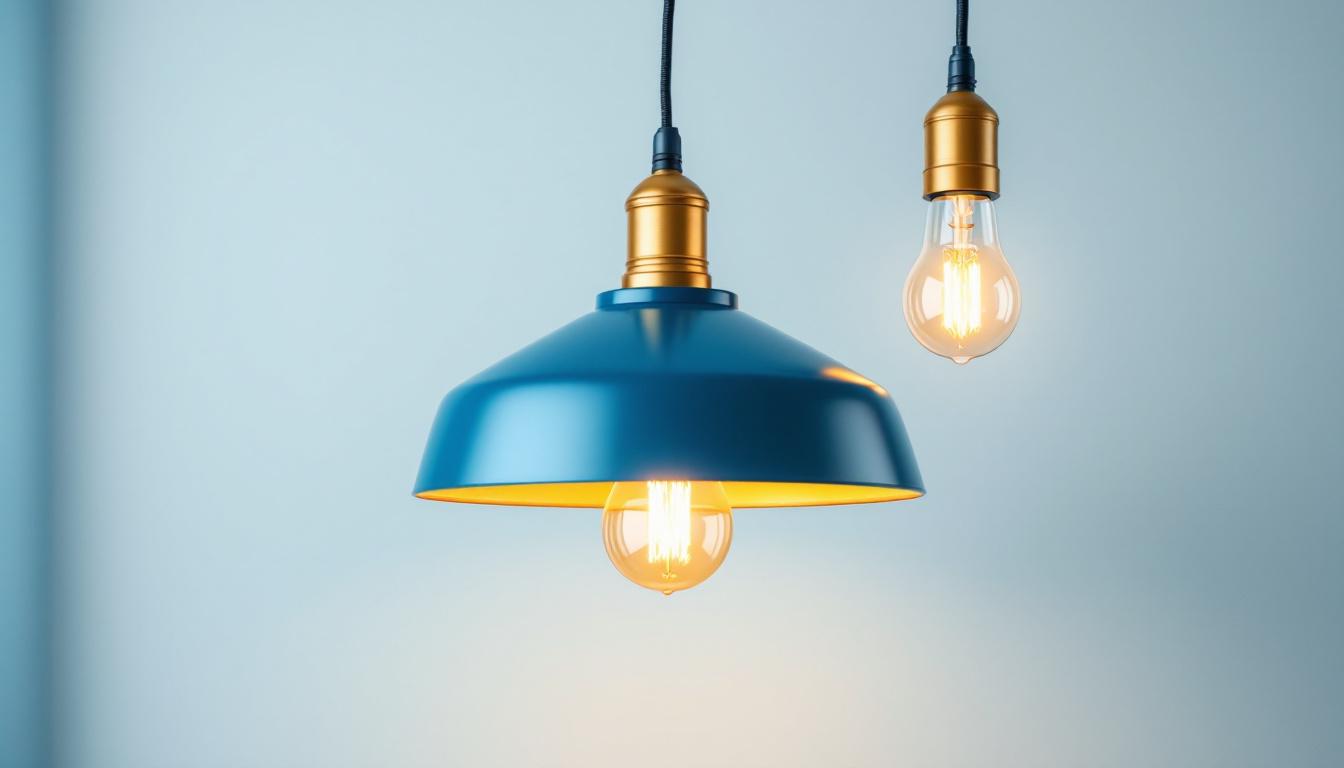
The shade or diffuser surrounds the bulb and influences the light distribution and ambiance. Shades can be made from glass, metal, fabric, or plastic, each affecting the light quality differently:
- Glass: Offers clarity and can be clear, frosted, or colored to soften or tint the light.
- Metal: Provides directional lighting, often with reflective interiors to enhance brightness.
- Fabric: Creates a warm, diffused glow, suitable for cozy environments.
- Plastic: Lightweight and durable, often used in commercial or industrial settings.
Contractors should consider the client’s lighting needs and design preferences when selecting or recommending shades, as they significantly impact both function and style. The choice of shade material can also affect the durability and maintenance of the fixture; for example, glass shades may require more frequent cleaning to maintain their clarity, while fabric shades may need to be replaced over time due to wear and tear.
Furthermore, the design of the shade can play a pivotal role in the overall theme of the room. A beautifully crafted glass shade can add a touch of elegance to a dining area, while a rustic metal shade might enhance the charm of a farmhouse-style kitchen. The interplay of light and shadow created by the shade can also add depth and interest to a space, making it a key element in the design process.
5. Bulb
The bulb is the source of illumination and varies widely in type, wattage, color temperature, and energy efficiency. LED bulbs have become the industry standard due to their long lifespan and low energy consumption, but incandescent and halogen bulbs are still used in specific applications for their color rendering qualities.
Lighting contractors must ensure that the bulb type matches the fixture’s specifications to avoid overheating, electrical issues, or suboptimal lighting. Additionally, advising clients on color temperature—ranging from warm white to daylight—helps tailor the ambiance to the space’s function. The choice of bulb can significantly influence the mood of a room; for example, warmer color temperatures are often preferred in living spaces for a cozy feel, while cooler temperatures may be more suitable for workspaces requiring focus and clarity.
Moreover, the growing trend of smart bulbs offers an array of features, including adjustable brightness and color changing capabilities, allowing users to customize their lighting experience. This versatility not only enhances the functionality of pendant lights but also allows homeowners to express their personal style through lighting, making it an exciting area for contractors to explore with their clients.
Additional Elements and Considerations for Lighting Contractors
Electrical Wiring and Connections
Behind the visible parts of a pendant light lies the critical electrical wiring system. Proper wiring ensures safety, functionality, and compliance with electrical codes. Lighting contractors must be proficient in connecting wires securely, using wire nuts or connectors, and grounding the fixture correctly.
Moreover, understanding the voltage requirements and compatibility with dimmer switches or smart lighting controls is essential. Many modern pendant lights are designed to work seamlessly with dimmers, allowing users to adjust brightness levels for different moods or tasks.
Mounting Hardware
Mounting hardware includes screws, brackets, and anchors that secure the canopy and suspension system to the ceiling. The choice of hardware depends on the ceiling type—drywall, plaster, concrete, or wood—and the fixture’s weight.
Contractors must assess the ceiling’s structural integrity and select appropriate anchors to prevent sagging or detachment over time. Using the correct mounting hardware also facilitates easier maintenance and replacement of the fixture.
Adjustability Features
Many pendant lights offer adjustability in height or angle to accommodate various ceiling heights and lighting needs. Some fixtures include telescoping rods, adjustable chains, or swivel joints for directional lighting.
For lighting contractors, understanding these features is important for customizing installations and providing clients with flexible lighting solutions. Proper adjustment during installation ensures optimal light distribution and aesthetic balance within the space.
Common Challenges and Best Practices in Pendant Light Installation
Weight and Load Considerations
Pendant lights vary widely in weight, from lightweight glass shades to heavy metal or crystal designs. Ensuring the ceiling junction box and suspension system can support the fixture’s weight is a fundamental safety concern.
Contractors should verify the weight rating of electrical boxes and use supplemental support if necessary, such as ceiling joist mounts or brace bars. Failure to address load requirements can lead to fixture failure and potential injury.
Height and Placement Optimization
Determining the correct height for pendant lights is crucial for both functionality and visual appeal. Common guidelines suggest hanging pendants 28 to 34 inches above countertops or tables and maintaining at least 7 feet of clearance from the floor in open areas.
Lighting contractors must consider the room’s dimensions, furniture height, and the fixture’s size. Proper placement ensures adequate task lighting and prevents glare or obstruction of sightlines.
Compatibility with Lighting Controls
With the rise of smart homes and energy-efficient lighting, compatibility with dimmers, timers, and smart switches has become a key consideration. Not all bulbs or fixtures are dimmable, and some require specific control systems.
Contractors should verify the fixture’s specifications and recommend appropriate controls to clients. This enhances user experience and energy savings while preventing flickering or damage to the fixture.
Conclusion: Mastering Pendant Light Components for Optimal Installations
For lighting contractors, a comprehensive understanding of pendant light components—from the canopy to the bulb—is indispensable. Each part plays a critical role in the fixture’s performance, safety, and aesthetics.
By mastering the essentials and staying informed about evolving technologies and design trends, contractors can deliver installations that meet client expectations and comply with industry standards. This expertise not only ensures successful projects but also builds trust and reputation in the competitive lighting market.
Get Your Premium Pendant Lighting Components at LumenWholesale
Ready to elevate your lighting installations with the finest pendant light components? Look no further than LumenWholesale. We provide lighting contractors with exceptional, spec-grade lighting products at prices that can’t be beaten. With our direct-to-contractor approach, you’ll enjoy the benefits of high-quality lighting without the extra costs. Our expansive inventory meets rigorous industry standards, ensuring that every installation shines with reliability and performance. Plus, with free shipping on bulk orders, you’re guaranteed to get the best value for your investment. Don’t settle for less — choose LumenWholesale for quality, affordability, and convenience. Wholesale Lighting at the Best Value is just a click away.