Introduction to Solar Uplighting in Residential Projects
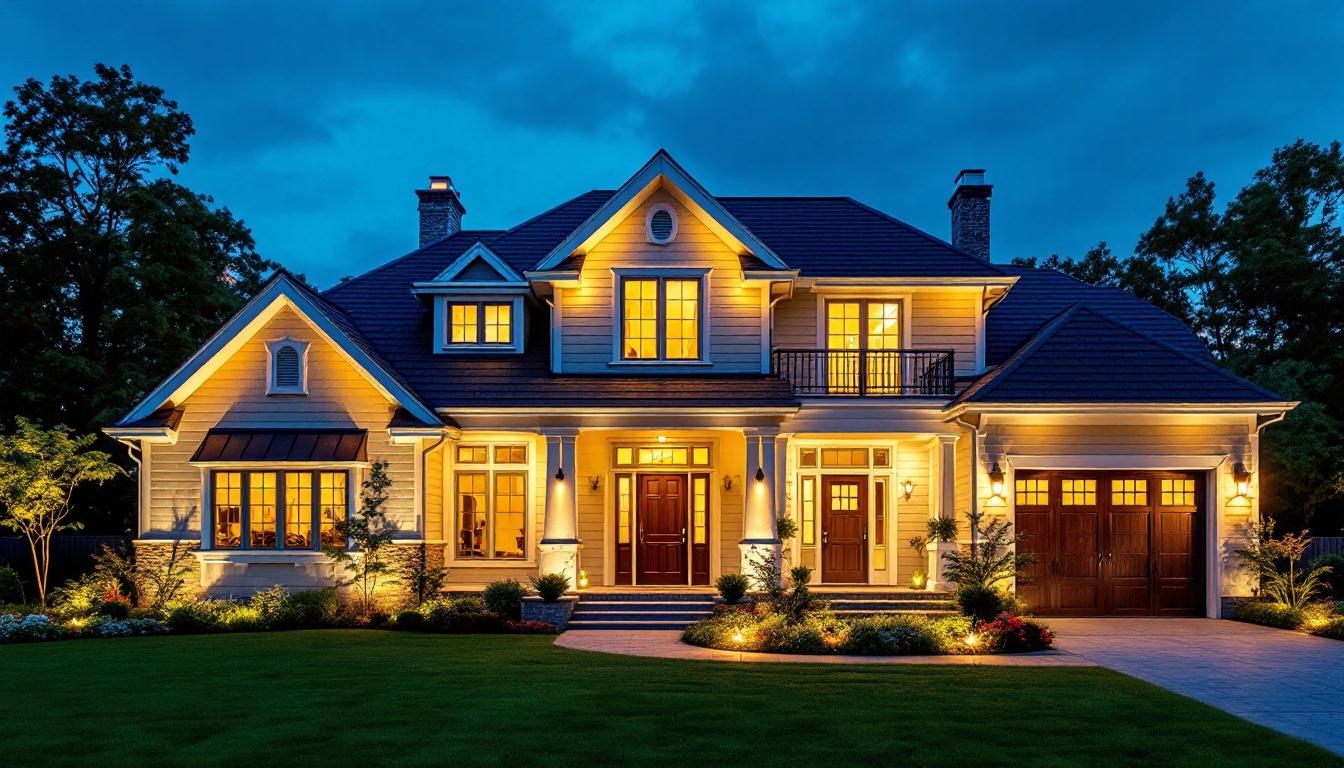
Solar uplighting has emerged as a transformative solution in the residential lighting market, combining aesthetics, sustainability, and cost-efficiency. For lighting contractors, understanding the nuances of solar-powered uplights is essential to meet the growing demand for eco-friendly and low-maintenance outdoor lighting solutions.
Unlike traditional wired lighting systems, solar uplighting harnesses energy from the sun, storing it in rechargeable batteries to illuminate architectural features, landscaping, and outdoor spaces after dark. This technology not only reduces electrical consumption but also simplifies installation, making it an attractive option for homeowners and contractors alike.
The versatility of solar uplighting allows for creative applications in various outdoor settings. For instance, homeowners can use these lights to highlight trees, sculptures, or pathways, enhancing the visual appeal of their gardens and yards. The soft glow of uplighting can create an inviting ambiance for evening gatherings, transforming outdoor spaces into extensions of the home. Additionally, with advancements in solar technology, many uplights now come equipped with motion sensors and adjustable brightness settings, further enhancing their functionality and energy efficiency.
Moreover, the environmental benefits of solar uplighting cannot be overstated. By reducing reliance on fossil fuels and minimizing carbon footprints, these systems contribute to a more sustainable future. Many manufacturers are also focusing on using recyclable materials in their products, which aligns with the eco-conscious values of today’s consumers. As the market continues to evolve, the integration of smart technology into solar uplighting systems is paving the way for even greater efficiency and user control, allowing homeowners to manage their outdoor lighting through mobile apps or home automation systems.
Key Benefits of Solar Uplighting for Residential Clients
Energy Efficiency and Environmental Impact
One of the primary selling points of solar uplighting is its zero operational energy cost. Since these fixtures rely entirely on solar energy, they significantly reduce household electricity consumption. This aligns with the increasing consumer preference for sustainable living and green technologies.
Lighting contractors can leverage this benefit by highlighting how solar uplighting contributes to lowering carbon footprints. With growing awareness about climate change, many homeowners prioritize solutions that minimize environmental impact without sacrificing performance or style. Additionally, solar uplighting can enhance the aesthetic appeal of outdoor spaces, creating a warm and inviting atmosphere while simultaneously promoting eco-friendly practices. This dual benefit not only elevates the visual charm of a property but also resonates with environmentally conscious consumers who wish to showcase their commitment to sustainability.
Ease of Installation and Flexibility
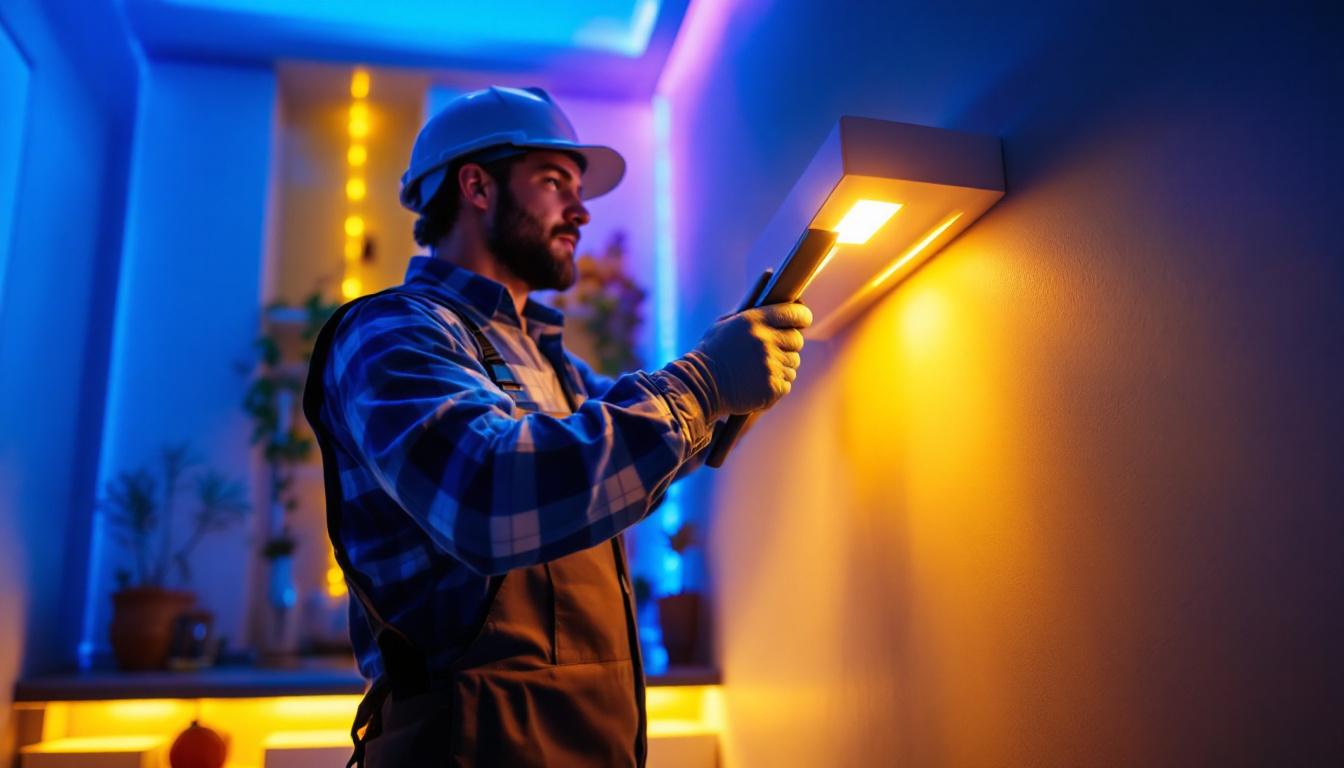
Solar uplights do not require complex wiring or trenching, which reduces labor time and installation costs. This flexibility allows contractors to offer lighting solutions in areas where traditional electrical access is limited or cost-prohibitive. For example, uplighting around garden beds, pathways, or detached structures such as gazebos becomes more feasible.
Additionally, the portability of solar uplights permits easy repositioning or seasonal adjustments, providing homeowners with adaptable lighting options. Contractors can emphasize this versatility as a value-added feature during consultations. Furthermore, the variety of designs and styles available in solar uplighting means that homeowners can choose fixtures that complement their existing landscape and architectural elements. This customization not only enhances the overall look of the property but also allows for creative lighting arrangements that can transform outdoor areas into functional spaces for entertaining or relaxation.
Cost Savings Over Time
Although the upfront cost of solar uplighting fixtures may be higher than some conventional options, the absence of ongoing electrical expenses and reduced maintenance requirements often results in long-term savings. Lighting contractors should prepare clients to view solar uplighting as an investment with a favorable return over its operational lifespan.
Moreover, many regions offer incentives or rebates for solar installations, which can further offset initial expenditures. Staying informed about local programs enables contractors to advise clients accurately and enhance project appeal. In addition to the financial benefits, homeowners can also enjoy the peace of mind that comes with reduced reliance on traditional energy sources. This not only contributes to personal savings but also supports a broader shift towards renewable energy solutions, fostering a sense of community involvement in the fight against climate change. By choosing solar uplighting, homeowners are not just making a choice for their property; they are also participating in a larger movement towards a sustainable future.
Technical Considerations for Lighting Contractors
Assessing Site Conditions and Solar Exposure
Successful solar uplighting depends heavily on adequate sunlight exposure during the day. Contractors must conduct thorough site evaluations to identify optimal fixture placement. Factors such as shading from trees, buildings, or other structures can drastically affect battery charging and light output.
Using tools like light meters or solar pathfinders helps determine the most effective locations. In some cases, relocating or trimming vegetation might be necessary to maximize solar gain. This proactive approach ensures system reliability and client satisfaction. Furthermore, understanding the seasonal variations in sunlight can also play a crucial role in planning. For instance, areas that receive ample sunlight in summer may experience significant shading in winter due to the lower angle of the sun. Assessing these changes can help contractors design a more resilient lighting solution that remains effective year-round.
Battery Capacity and Lifespan
The performance of solar uplights hinges on the quality and capacity of their rechargeable batteries. Lighting contractors should select fixtures equipped with high-grade lithium-ion or lithium iron phosphate batteries, which offer longer lifespans and better charge retention compared to older nickel-cadmium types.
Understanding battery specifications allows contractors to recommend products that maintain consistent illumination throughout the night and across seasons. Additionally, educating clients about battery replacement intervals and maintenance can prevent premature failures and extend system longevity. It’s also beneficial to discuss the environmental impact of battery disposal and recycling, as many clients are increasingly concerned about sustainability. Providing information on eco-friendly disposal methods can enhance the contractor’s reputation and align with clients’ values, fostering a deeper trust in the contractor-client relationship.
Light Output and Color Temperature
Choosing the right brightness and color temperature is critical to achieving the desired ambiance and highlighting architectural features effectively. Solar uplights typically range from 100 to 500 lumens, with color temperatures spanning warm white (2700K) to cool white (6000K).
Contractors should tailor recommendations based on project goals—warm tones create inviting atmospheres, while cooler tones enhance modern aesthetics and highlight textures. Demonstrating fixture samples or mock-ups can help clients visualize outcomes and make informed decisions. Additionally, it’s important to consider the color rendering index (CRI) of the lights, which measures how accurately colors appear under artificial lighting. A higher CRI is essential for spaces where color accuracy is paramount, such as gardens or art installations, ensuring that the beauty of the surroundings is not lost in the illumination process. By discussing these nuances, contractors can provide a more comprehensive service that meets the specific needs of each project.
Design Strategies for Effective Solar Uplighting
Highlighting Architectural and Landscape Features
Solar uplighting is particularly effective for accentuating vertical surfaces such as walls, columns, and trees. Contractors can design lighting layouts that create dramatic shadows and depth, enhancing curb appeal and property value.
Integrating solar uplights with existing landscape elements like flower beds or water features adds layers of visual interest. Thoughtful placement ensures balanced illumination without causing glare or light pollution.
Layering and Combining with Other Lighting Types
While solar uplighting excels in certain applications, it can be complemented by other lighting types for comprehensive outdoor illumination. For instance, combining solar uplights with low-voltage path lights or motion-activated security lights provides both aesthetic and functional benefits.
Contractors should assess the overall lighting scheme to maintain consistency in color temperature and style, ensuring a cohesive look. This hybrid approach can address limitations of solar technology, such as reduced brightness in shaded areas.
Incorporating Smart Controls and Automation
Recent advances in solar lighting include integration with smart home systems and automated controls. Features like dusk-to-dawn sensors, motion detectors, and remote dimming enhance convenience and energy efficiency.
Lighting contractors can offer these upgrades to tech-savvy clients seeking modern, user-friendly solutions. Understanding compatibility and installation requirements is vital to delivering seamless experiences.
Common Challenges and Solutions in Solar Uplighting Installation
Overcoming Shading and Weather Variability
Unpredictable weather and shading remain the most significant challenges for solar uplighting. Contractors should educate clients about potential performance fluctuations during extended cloudy periods or winter months with shorter daylight hours.
Selecting fixtures with larger solar panels and higher battery capacities mitigates these issues. Additionally, advising clients on maintenance practices such as cleaning solar panels ensures optimal energy absorption.
Dealing with Vandalism and Durability Concerns
Outdoor lighting fixtures are exposed to environmental stressors and potential vandalism. Contractors must prioritize durable materials like corrosion-resistant metals and impact-resistant plastics when specifying solar uplights.
Installing fixtures in less accessible locations or using protective housings can reduce damage risks. Providing clients with warranty information and maintenance tips further reinforces product reliability.
Managing Client Expectations
Clear communication about the capabilities and limitations of solar uplighting is crucial. Contractors should set realistic expectations regarding brightness levels, operational hours, and maintenance needs.
Providing detailed proposals and visual aids helps clients understand how solar uplighting fits within their overall outdoor lighting vision. This transparency fosters trust and reduces the likelihood of dissatisfaction.
Conclusion: Positioning Solar Uplighting as a Strategic Offering
For lighting contractors, solar uplighting represents a compelling addition to the portfolio of residential lighting solutions. Its environmental benefits, installation simplicity, and evolving technology appeal to a broad customer base focused on sustainability and convenience.
By mastering technical knowledge, design principles, and client communication strategies, contractors can confidently recommend and install solar uplighting systems that enhance both the beauty and functionality of residential properties. Staying informed about industry trends and product innovations will further empower contractors to deliver high-quality, future-proof lighting solutions.
Illuminate Your Projects with LumenWholesale
Ready to elevate your lighting game with solar uplighting solutions that promise beauty, functionality, and sustainability? Look no further than LumenWholesale. We provide contractors with spec-grade lighting products that meet the highest industry standards, all at unbeatable wholesale prices. Say goodbye to local distributor markups and hello to superior lighting products that fit your budget. With our hassle-free bulk buying and free shipping, you can access premium lighting at the best value — ensuring your projects shine without breaking the bank. Make the smart choice for your next residential lighting project. Wholesale Lighting at the Best Value is just a click away.