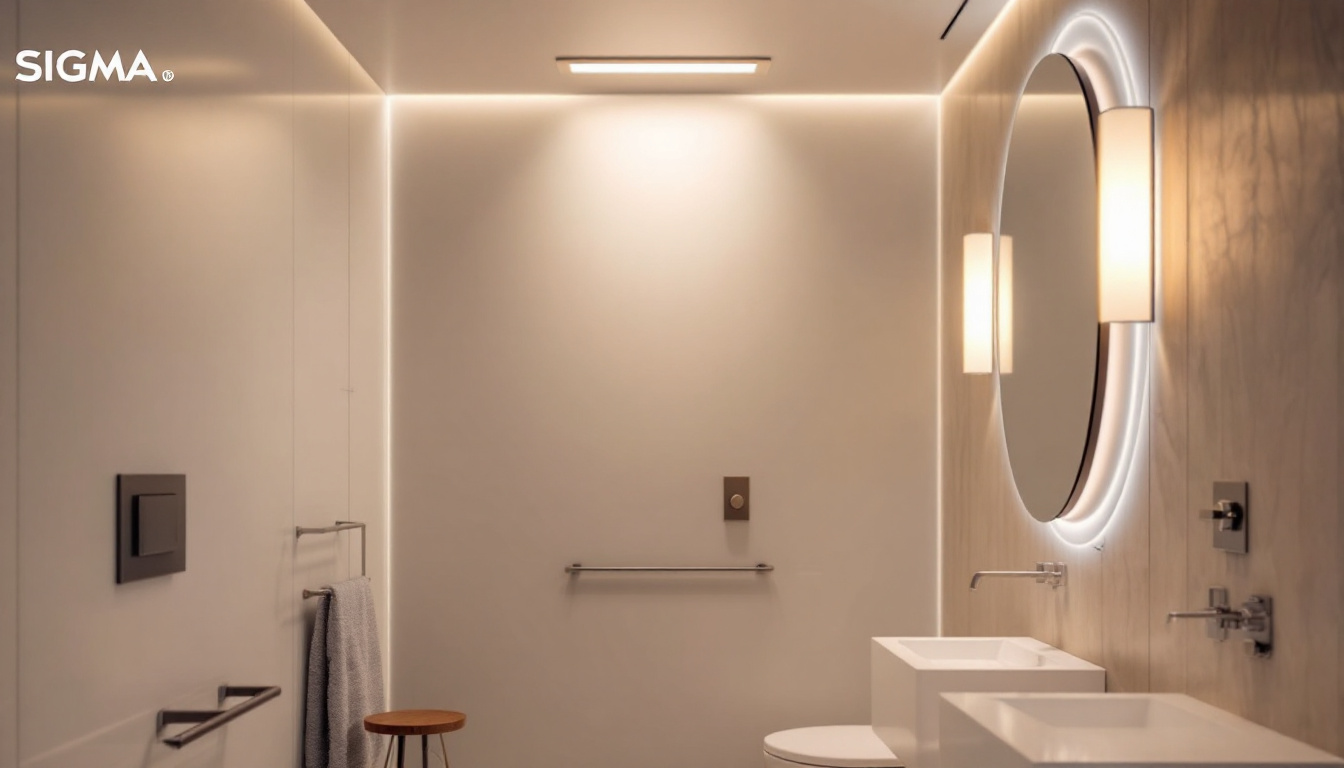
Understanding Parabolic Lights and Their Advantages
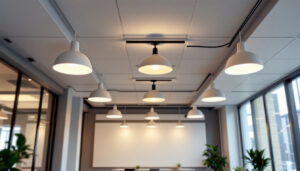
Parabolic lights have become a staple in the lighting industry, especially among contractors looking to deliver efficient and aesthetically pleasing installations. These fixtures employ a parabolic reflector—a curved surface that directs light into a focused beam, minimizing scatter and maximizing illumination where it’s needed most.
For lighting contractors, understanding the core benefits of parabolic lights is essential. Their design enhances light distribution, reduces glare, and improves energy efficiency. This translates into installations that not only meet client expectations for brightness and comfort but also comply with increasingly stringent energy codes and standards.
Moreover, parabolic lighting fixtures are versatile, suitable for commercial, industrial, and institutional applications. Their ability to provide uniform illumination makes them ideal for offices, hospitals, retail spaces, and warehouses. Contractors who master the use of parabolic lights can offer tailored lighting solutions that improve occupant productivity and satisfaction, thereby increasing the value of their services.
In addition to their functional benefits, parabolic lights also contribute to the aesthetic appeal of a space. The sleek design of these fixtures can complement modern architectural styles, enhancing the overall ambiance while providing effective lighting. Many manufacturers offer a variety of finishes and styles, allowing contractors to select options that align with the design vision of their clients. This flexibility not only meets practical needs but also elevates the visual experience of the environment, making it more inviting and engaging for occupants.
Furthermore, the technological advancements in LED parabolic lighting have revolutionized the market. LED options provide even greater energy savings and longer lifespans compared to traditional lighting solutions. With the ability to adjust color temperature and brightness, contractors can create dynamic lighting schemes that adapt to different activities throughout the day. This adaptability is particularly beneficial in multi-use spaces, where lighting needs can vary significantly. By leveraging these innovations, contractors can ensure that their lighting designs are not only efficient but also responsive to the evolving needs of their clients.
Why Parabolic Lighting Boosts Installation Profitability
Energy Efficiency and Cost Savings
One of the most compelling reasons to incorporate parabolic lights into installations is their energy efficiency. The parabolic reflector design ensures that light is directed precisely, reducing wasted lumens and lowering overall power consumption. This efficiency can lead to significant cost savings for end-users, a selling point that contractors can leverage to justify premium pricing.
Additionally, many parabolic fixtures are compatible with LED technology, which further enhances energy savings and extends fixture lifespan. LEDs paired with parabolic reflectors can reduce energy use by up to 50% compared to traditional fluorescent or incandescent lighting. For contractors, this means fewer service calls and maintenance visits, improving operational efficiency and profitability. Moreover, the integration of smart lighting controls with parabolic systems can further optimize energy use by allowing for automated adjustments based on occupancy and ambient light levels. This not only maximizes energy savings but also enhances user comfort and satisfaction, creating a win-win scenario for both contractors and clients.
Reduced Installation and Maintenance Costs
Parabolic lighting systems often come with modular components and standardized fittings, simplifying the installation process. This reduces labor time and associated costs, allowing contractors to complete projects more quickly and move on to new jobs. Furthermore, the durability and longevity of quality parabolic fixtures minimize the frequency of replacements and repairs, reducing long-term maintenance expenses.
Contractors who invest in high-quality parabolic lighting products can position themselves as providers of reliable, low-maintenance solutions. This reputation can lead to repeat business and referrals, both critical factors in maximizing profitability. Additionally, the aesthetic appeal of parabolic lighting can enhance the overall design of a space, making it more attractive to potential clients. By showcasing successful installations and the positive impact of parabolic lighting on both functionality and ambiance, contractors can effectively market their services and create a compelling narrative that resonates with prospective customers. This strategic approach not only boosts immediate sales but also establishes a strong foundation for future growth in the competitive lighting market.
Design Considerations for Optimal Parabolic Lighting Installations
Assessing the Space and Lighting Needs
Before specifying parabolic lights, contractors must conduct a thorough assessment of the installation environment. Factors such as ceiling height, room dimensions, surface reflectance, and the purpose of the space influence fixture selection and placement.
For example, in office environments, parabolic fixtures help reduce glare on computer screens, enhancing worker comfort and productivity. In retail settings, they can be used to highlight merchandise without creating harsh shadows. Properly matching the parabolic light’s beam angle and intensity to the application ensures optimal performance and client satisfaction. Additionally, considering the color temperature of the lighting is essential, as it can dramatically affect the ambiance of the space. A cooler temperature may be more suitable for work environments, promoting alertness, while warmer tones can create a welcoming atmosphere in hospitality settings.
Moreover, it’s crucial to evaluate the existing natural light sources in the space. The interplay between artificial and natural light can significantly impact the overall lighting design. For instance, in spaces with ample daylight, parabolic fixtures can be strategically placed to complement the natural light, reducing energy consumption during daytime hours. This thoughtful integration not only enhances the aesthetic appeal of the space but also promotes sustainability, aligning with modern design philosophies that prioritize environmental responsibility.
Compliance with Lighting Standards and Codes
Adhering to local and national lighting codes is non-negotiable for contractors. Parabolic lighting installations must meet standards related to illuminance levels, energy efficiency, and safety. Familiarity with guidelines such as those from the Illuminating Engineering Society (IES) and energy codes like ASHRAE or IECC helps contractors design compliant systems.
By integrating parabolic lights that meet or exceed these standards, contractors can avoid costly rework and penalties, safeguarding project profitability and reputation. Furthermore, staying updated on evolving regulations is vital, as energy efficiency mandates are becoming increasingly stringent. Incorporating advanced technologies, such as dimming controls and occupancy sensors, not only enhances compliance but also improves energy management within the space. These features allow for adaptive lighting solutions that respond to the specific needs of the environment, ultimately leading to reduced operational costs and a smaller carbon footprint.
Additionally, engaging with clients about the importance of compliance can foster trust and transparency. By educating them on how these standards enhance safety and sustainability, contractors can position themselves as knowledgeable partners in the project, paving the way for future collaborations and referrals. This proactive approach not only benefits the current project but also contributes to a broader culture of responsible design and construction within the industry.
Leveraging Technology to Enhance Parabolic Lighting Installations
Integration with Smart Lighting Controls
Modern lighting installations increasingly incorporate smart controls, and parabolic lights are no exception. Integrating dimmers, occupancy sensors, and daylight harvesting systems with parabolic fixtures can significantly boost energy savings and user experience.
For contractors, offering smart lighting solutions adds value to their services and opens new revenue streams. Clients appreciate the ability to customize lighting scenes, reduce utility costs, and extend fixture life through intelligent control systems.
Utilizing Lighting Design Software
Advanced lighting design software enables contractors to simulate parabolic lighting layouts before installation. These tools help optimize fixture placement, beam angles, and light levels, reducing guesswork and ensuring project success.
By investing time in accurate digital modeling, contractors can present compelling proposals to clients, demonstrating both the aesthetic and financial benefits of parabolic lighting. This professional approach enhances client trust and can justify higher project bids.
Case Studies: Real-World Applications of Parabolic Lighting
Commercial Office Retrofit
A mid-sized commercial office underwent a lighting retrofit where traditional fluorescent fixtures were replaced with LED parabolic lights. The project resulted in a 40% reduction in energy consumption and improved occupant comfort due to reduced glare and more uniform light distribution.
The contractor was able to charge a premium for the retrofit, citing long-term energy savings and enhanced workplace environment. This project also led to additional contracts with the same client for other facilities.
Retail Store Lighting Upgrade
In a retail environment, parabolic lights were used to create focused illumination on product displays while maintaining overall ambient lighting. The precise light control minimized shadows and highlighted merchandise effectively, driving increased sales.
The contractor’s expertise in specifying and installing parabolic fixtures resulted in a satisfied client and a strong portfolio piece, which helped secure future retail projects.
Best Practices for Lighting Contractors Using Parabolic Fixtures
Partnering with Trusted Manufacturers
Choosing reliable manufacturers ensures access to high-quality parabolic fixtures with consistent performance. Contractors benefit from warranties, technical support, and product availability, all of which contribute to smooth project execution and client satisfaction.
Continuous Education and Training
Staying current with advances in parabolic lighting technology and installation techniques is crucial. Workshops, certifications, and industry events provide valuable knowledge that can differentiate contractors in a competitive market.
Effective Client Communication
Educating clients on the benefits of parabolic lighting—such as energy savings, improved aesthetics, and compliance—helps justify investment and fosters trust. Clear communication about project timelines, costs, and expected outcomes enhances client relationships and encourages referrals.
Conclusion: Unlocking Profit Potential with Parabolic Lighting
Parabolic lights represent a powerful opportunity for lighting contractors to maximize profitability through energy-efficient, low-maintenance, and visually appealing installations. By understanding their advantages, carefully designing installations, leveraging technology, and applying best practices, contractors can deliver superior lighting solutions that satisfy clients and boost their bottom line.
Embracing parabolic lighting not only aligns with evolving industry standards but also positions contractors as forward-thinking professionals capable of meeting the demands of modern lighting projects. This strategic approach ultimately drives business growth and long-term success in the competitive lighting market.
Get Your Parabolic Lighting Solutions from LumenWholesale
Ready to elevate your lighting installations with the efficiency and elegance of parabolic lights? At LumenWholesale, we offer an exceptional range of spec-grade parabolic lighting fixtures that promise to enhance your projects while maximizing your profitability. With our commitment to quality, affordability, and convenience, you’ll find everything you need to meet the demands of modern lighting design. Say goodbye to inflated markups and hello to unbeatable wholesale prices, backed by free shipping for bulk purchases. Don’t compromise on quality or cost—choose LumenWholesale for Wholesale Lighting at the Best Value and watch your business thrive.