Understanding Industrial Low Bay Lighting
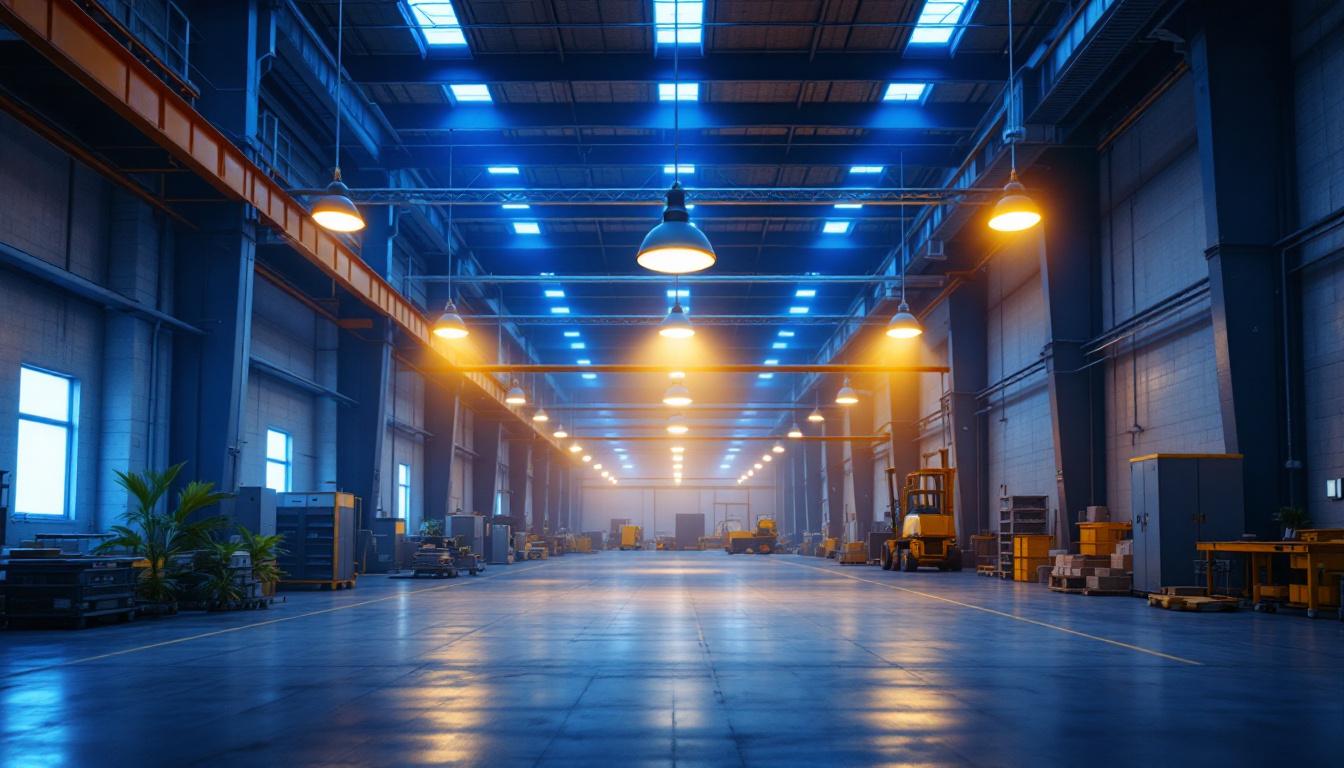
Industrial low bay lighting plays a crucial role in illuminating spaces with ceiling heights typically ranging from 12 to 20 feet. These fixtures are designed to provide uniform, glare-free lighting in environments such as warehouses, manufacturing facilities, workshops, and retail spaces. For lighting contractors, selecting and installing the right low bay lighting system can significantly impact both operational efficiency and worker safety.
Unlike high bay lighting, which is intended for ceilings above 20 feet, low bay lighting must balance brightness with distribution to avoid shadows and ensure clear visibility at eye level. This balance is essential in industrial settings where precision and safety are paramount.
In addition to their functional benefits, modern low bay lighting solutions often incorporate energy-efficient technologies, such as LED bulbs, which not only reduce electricity costs but also have a longer lifespan compared to traditional lighting options. This shift towards energy-efficient lighting is particularly important in large industrial spaces, where the cumulative savings can be substantial over time. Furthermore, many LED low bay lights come with adjustable color temperatures, allowing facilities to customize the lighting to suit specific tasks or preferences, enhancing both productivity and comfort for workers.
Another aspect to consider is the design and installation of low bay lighting fixtures. Many contemporary models feature sleek, minimalist designs that can blend seamlessly into various industrial aesthetics. Additionally, the installation process has been streamlined with the advent of modular systems, which can be easily adapted or expanded as the needs of the facility change. This adaptability not only ensures that the lighting remains effective as operational demands evolve but also contributes to a more sustainable approach to facility management, reducing waste and the need for frequent replacements.
Key Factors to Consider When Selecting Low Bay Lighting
1. Lumens and Light Output
One of the first considerations is the lumens output of the fixture, which measures the total amount of visible light emitted. Industrial spaces require high lumen outputs to ensure adequate illumination. For example, warehouse aisles typically need between 30 to 50 foot-candles, while assembly lines may require even higher levels.
Lighting professionals should calculate the total lumens needed based on the square footage and the specific tasks performed in the area. Over-lighting can lead to unnecessary energy consumption, while under-lighting compromises safety and productivity. It’s also essential to consider the layout of the space; fixtures should be strategically placed to minimize shadows and maximize light distribution. This can be particularly important in areas where precision work is performed, as even slight variations in light levels can affect the quality of work and safety.
2. Color Temperature and Color Rendering Index (CRI)
Color temperature, measured in Kelvins (K), affects the ambiance and functionality of the workspace. Most industrial low bay lights fall within the 4000K to 5000K range, providing a neutral to cool white light that enhances visibility and reduces eye strain.
Equally important is the Color Rendering Index (CRI), which indicates how accurately colors appear under the light source. A CRI of 80 or higher is generally recommended for industrial environments to ensure that colors of materials, labels, and safety markings are clearly distinguishable. Additionally, the choice of color temperature can influence employee productivity and mood; cooler temperatures tend to promote alertness, while warmer tones can create a more relaxed atmosphere. Therefore, understanding the specific needs of the workforce and the tasks at hand is crucial when selecting the right color temperature for low bay lighting.
3. Energy Efficiency and Sustainability
With rising energy costs and increasing environmental regulations, energy efficiency is a top priority. LED low bay fixtures have become the industry standard due to their long lifespan, low energy consumption, and reduced maintenance needs. LEDs can reduce energy usage by up to 50% compared to traditional metal halide or fluorescent fixtures.
Lighting contractors should also consider fixtures with integrated controls such as motion sensors and daylight harvesting to further optimize energy use. These technologies adjust lighting levels based on occupancy and natural light availability, contributing to sustainability goals and cost savings. Moreover, investing in smart lighting systems can provide real-time data analytics, allowing facility managers to monitor energy consumption patterns and make informed decisions about future upgrades or changes. This proactive approach not only enhances operational efficiency but also aligns with broader corporate sustainability initiatives, showcasing a commitment to reducing the carbon footprint in industrial operations.
Installation Considerations for Optimal Performance
1. Mounting Options and Fixture Placement
Correct fixture placement is critical to achieving uniform illumination and avoiding dark spots. Low bay lights are typically surface-mounted or suspended, depending on the ceiling type and height. Suspended mounts allow for adjustable positioning, which can be advantageous in irregularly shaped spaces. For instance, in warehouses with varying shelving heights, being able to adjust the fixture’s height can significantly enhance visibility and safety for workers navigating through the aisles.
Spacing between fixtures should be calculated to maintain consistent light levels. As a rule of thumb, the spacing-to-mounting height ratio for low bay lighting is approximately 1:1.5, but this can vary based on the fixture’s beam angle and lumen output. Additionally, it’s important to consider the color temperature of the fixtures; warmer tones can create a more inviting atmosphere in retail spaces, while cooler tones are often preferred in industrial settings for their ability to enhance alertness and visibility.
2. Wiring and Electrical Compatibility
Ensuring that the lighting system is compatible with the existing electrical infrastructure is essential. Low bay fixtures come with various voltage and wiring options, including 120V, 277V, and 347V configurations. Contractors must verify compatibility to avoid costly rewiring or electrical hazards. Moreover, it’s advisable to consult with a licensed electrician who can assess the load capacity of the existing circuits and recommend any necessary upgrades to support the new lighting system.
Additionally, incorporating surge protection and ensuring compliance with local electrical codes enhances system reliability and safety. Proper grounding and secure connections are critical to preventing failures and maintaining long-term performance. Implementing a dedicated circuit for the lighting can also help in isolating issues and simplifying maintenance, ensuring that any electrical faults do not disrupt other operations within the facility.
3. Environmental and Safety Ratings
Industrial environments often expose lighting fixtures to dust, moisture, and temperature fluctuations. Selecting fixtures with appropriate Ingress Protection (IP) ratings ensures durability and reliability. For example, an IP65 rating indicates that the fixture is dust-tight and protected against water jets, making it suitable for washdown areas. In addition to IP ratings, it’s beneficial to look for fixtures that are rated for extreme temperatures, especially in facilities that experience wide temperature variations, such as cold storage warehouses or outdoor applications.
Furthermore, lighting professionals should consider impact resistance ratings, especially in high-traffic or heavy machinery zones, to prevent damage and reduce maintenance frequency. Choosing fixtures with a high IK rating can protect against accidental impacts from equipment or personnel, thereby prolonging the lifespan of the lighting system. Regular inspections and maintenance schedules should also be established to ensure that all fixtures remain in optimal working condition, further enhancing safety and operational efficiency in the workspace.
Maintenance and Longevity: Ensuring Long-Term Value
1. Lifespan and Warranty
LED low bay fixtures typically offer lifespans exceeding 50,000 hours, translating to years of maintenance-free operation in most industrial settings. Contractors should prioritize products with robust warranties, often spanning 5 to 10 years, to protect clients’ investments and reduce downtime.
Understanding the expected lifespan helps in planning replacement cycles and budgeting for future upgrades, ensuring continuous optimal lighting conditions.
2. Ease of Maintenance and Accessibility
Maintenance considerations should be factored into the installation design. Fixtures with easy-to-access components and modular designs simplify cleaning, repairs, and replacements. This is especially important in industrial settings where downtime can be costly.
Lighting contractors should also advise clients on routine maintenance schedules, including lens cleaning and inspection for damage, to sustain light quality and fixture performance over time.
3. Retrofit Opportunities
Many industrial facilities still operate older lighting systems such as metal halide or fluorescent low bays. Retrofitting these with modern LED fixtures can yield substantial energy savings and performance improvements. Contractors should evaluate existing installations for compatibility and recommend retrofit kits or full fixture replacements as appropriate.
Retrofitting also offers an opportunity to integrate smart lighting controls, enhancing operational flexibility and further reducing energy consumption.
Compliance and Standards in Industrial Low Bay Lighting
1. Regulatory Requirements
Lighting professionals must ensure that all installations comply with relevant standards such as the Illuminating Engineering Society (IES) guidelines and local building codes. Compliance not only guarantees safety and performance but also helps avoid legal liabilities.
For example, OSHA regulations mandate minimum lighting levels in workplaces to protect employee safety. Adhering to these requirements is a fundamental responsibility for contractors working in industrial environments.
2. Environmental and Energy Codes
Many jurisdictions have adopted energy codes that mandate the use of energy-efficient lighting solutions in commercial and industrial buildings. Familiarity with codes such as ASHRAE 90.1 or local energy conservation standards is essential for specifying compliant low bay lighting systems.
Contractors should also be aware of incentives and rebates offered by utility companies for installing energy-efficient lighting, which can benefit clients financially.
3. Industry Best Practices
Beyond regulatory compliance, following industry best practices ensures optimal outcomes. This includes performing detailed lighting layouts using photometric software, conducting on-site light level measurements post-installation, and documenting all aspects of the lighting system for future reference.
Engaging in continuous education and staying updated on technological advancements helps lighting professionals deliver cutting-edge solutions that meet evolving client needs.
Conclusion: Delivering Excellence in Industrial Low Bay Lighting
For lighting contractors, mastering the nuances of industrial low bay lighting is essential to delivering high-quality, efficient, and safe lighting solutions. By carefully considering lumen requirements, color characteristics, energy efficiency, installation parameters, maintenance, and compliance, professionals can ensure that their projects meet client expectations and industry standards.
As industrial environments continue to evolve with new technologies and sustainability goals, staying informed and adaptable will remain key to success in this specialized field. Implementing this comprehensive checklist will empower lighting contractors to make informed decisions, optimize lighting performance, and contribute to safer, more productive industrial workplaces.
Get Your Industrial Low Bay Lighting at LumenWholesale
Ready to elevate your lighting projects with the highest quality industrial low bay lighting? Look no further than LumenWholesale. Our commitment to providing spec-grade lighting products at unbeatable wholesale prices ensures that you have access to the best value in the market. With LumenWholesale, you can confidently meet all your project requirements without the hassle of inflated markups or hidden fees. Enjoy free shipping on bulk orders and discover the ideal combination of quality, affordability, and convenience. Take the first step towards a brighter, more efficient workspace by visiting Wholesale Lighting at the Best Value today.