Understanding Type S LED Light Bulbs: A Foundation for Lighting Contractors
For lighting contractors, mastering the nuances of various lighting technologies is crucial to delivering optimal solutions to clients. Among the diverse LED options available, Type S LED light bulbs have gained significant traction due to their unique design and application benefits. Understanding what sets Type S LEDs apart is the first step toward leveraging their advantages in professional lighting projects.
Type S LED bulbs are characterized by their specialized shape and socket compatibility, often designed to replace traditional incandescent or halogen bulbs in specific fixtures. These bulbs typically feature a standardized base and a form factor that fits seamlessly into existing lighting systems, making them a preferred choice for retrofit projects. Their energy efficiency, longevity, and enhanced light quality contribute to their growing popularity in commercial and residential installations alike.
Lighting contractors must be familiar with the technical specifications of Type S LEDs, including lumen output, color temperature, beam angle, and dimming capabilities. This knowledge ensures that the selected bulb meets the functional and aesthetic requirements of the space, while also aligning with energy codes and sustainability goals.
In addition to their practical advantages, Type S LED bulbs offer a range of design possibilities that can enhance the overall ambiance of a space. With options available in various color temperatures, from warm whites that create a cozy atmosphere to cooler tones that promote alertness and productivity, contractors can tailor lighting solutions to match the specific needs of their clients. Furthermore, the ability to dim Type S LEDs allows for greater flexibility in creating different moods and settings, making them suitable for everything from intimate dining areas to vibrant retail environments.
Moreover, the integration of smart technology into Type S LED bulbs has opened up new avenues for lighting control and energy management. Many of these bulbs can now be connected to smart home systems, enabling users to adjust brightness, color, and even scheduling through mobile apps or voice commands. This feature not only enhances user convenience but also promotes energy savings by allowing for more precise control over lighting usage. As lighting contractors become more adept at incorporating these advanced features, they can provide clients with cutting-edge solutions that elevate their spaces while reducing energy consumption.
Key Advantages of Type S LED Bulbs for Professional Installations
Energy Efficiency and Cost Savings
One of the most compelling reasons for contractors to recommend Type S LED bulbs is their superior energy efficiency. Compared to traditional incandescent bulbs, Type S LEDs consume significantly less power—often up to 80% less—while delivering comparable or better illumination. This reduction in energy consumption translates directly into lower utility bills for clients, enhancing the value proposition of LED upgrades.
Moreover, the extended lifespan of Type S LEDs reduces maintenance frequency and replacement costs. Many Type S LED bulbs offer operational lifetimes exceeding 25,000 hours, which minimizes downtime and labor expenses associated with bulb changes, especially in commercial environments with high ceilings or difficult-to-access fixtures. This longevity not only benefits the bottom line but also contributes to a more sustainable approach to lighting, as fewer bulbs need to be manufactured and disposed of, reducing overall environmental impact.
Improved Light Quality and Versatility
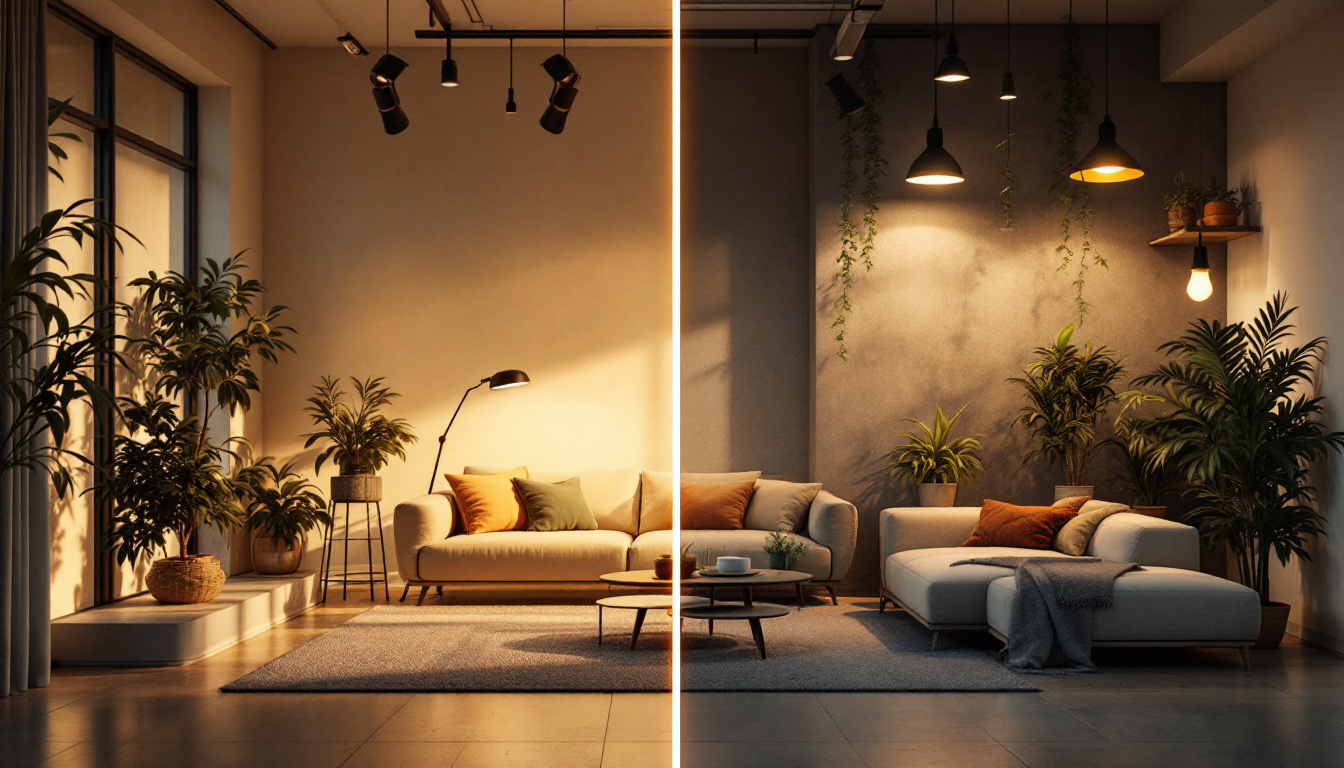
Type S LED bulbs provide excellent color rendering and a range of color temperature options, from warm white to daylight. This versatility allows contractors to tailor lighting solutions to the specific ambiance and functional needs of a space. For example, warmer tones are ideal for hospitality settings seeking a cozy atmosphere, while cooler tones enhance visibility and focus in office or retail environments. The ability to select the right color temperature can significantly influence mood and productivity, making it a crucial consideration in design.
Additionally, many Type S LEDs support dimming and smart control integration, enabling dynamic lighting scenarios that improve occupant comfort and energy management. This adaptability is increasingly important as clients demand more sophisticated and customizable lighting systems. With the rise of smart home technology, Type S LEDs can easily integrate with existing systems, allowing users to control lighting via smartphones or voice commands. This not only enhances convenience but also empowers users to create tailored lighting experiences that suit their daily activities, whether it’s a bright, energizing light for morning routines or a soft, relaxing glow for evening unwinding.
Installation Best Practices for Type S LED Bulbs
Assessing Fixture Compatibility
Before installation, it is essential to verify that the Type S LED bulb is compatible with the existing fixture. This includes checking the bulb base type, socket size, and fixture wattage limits. Using incompatible bulbs can lead to poor performance, premature failure, or safety hazards.
Contractors should also consider the fixture’s heat dissipation capabilities. Although LEDs generate less heat than incandescent bulbs, inadequate ventilation can still affect bulb longevity. Ensuring proper fixture ventilation helps maintain optimal operating temperatures and extends the life of the LED bulb. Additionally, evaluating the fixture’s material composition is crucial; certain materials may warp or degrade over time when exposed to the heat generated by electrical components, even if minimal. Choosing fixtures made of heat-resistant materials can further enhance the durability of the installation.
Electrical Considerations and Safety
Proper electrical installation is critical when working with Type S LEDs. Contractors must confirm that the circuit voltage matches the bulb specifications and that any dimming controls are compatible with LED technology. Using incompatible dimmers can cause flickering, buzzing, or damage to the bulb.
Adhering to local electrical codes and standards is non-negotiable. This includes using appropriate wiring methods, grounding, and protective devices. Safety protocols should always be followed to protect both the installer and the end user. Furthermore, it is advisable to conduct a thorough inspection of the existing wiring and circuit breakers before installation. Aging or damaged wiring can pose significant risks, including electrical fires or short circuits, which can compromise the entire lighting system. Implementing a comprehensive safety checklist can help mitigate these risks and ensure a smooth installation process.
Optimizing Light Distribution
To maximize the effectiveness of Type S LED bulbs, contractors should consider the beam angle and placement within the space. Selecting bulbs with the right beam spread ensures even illumination without unwanted glare or shadows. In some cases, combining multiple bulbs or using reflectors and diffusers can enhance light distribution.
Lighting design software and photometric data can assist in planning installations that meet client expectations and comply with lighting standards. Such tools enable contractors to visualize outcomes and make informed decisions about bulb selection and placement. Additionally, understanding the specific lighting needs of different areas—such as task lighting for workspaces versus ambient lighting for relaxation zones—can lead to more tailored and effective lighting solutions. Engaging with clients to discuss their preferences and needs can also foster a collaborative approach, ensuring that the final installation not only meets technical requirements but also enhances the overall aesthetic and functionality of the space.
Common Challenges and Solutions in Using Type S LED Bulbs
Addressing Compatibility Issues with Older Fixtures
Many retrofit projects involve replacing traditional bulbs in older fixtures that may not be fully compatible with modern Type S LEDs. Issues such as socket corrosion, incompatible dimmers, or insufficient fixture ratings can arise. Contractors should conduct thorough inspections and recommend fixture upgrades when necessary to ensure reliable performance.
In some cases, adapters or LED-specific drivers can bridge compatibility gaps, but these solutions must be evaluated carefully to avoid compromising safety or efficiency.
Managing Client Expectations on Light Appearance
Clients sometimes have preconceived notions about LED lighting, expecting harsh or unnatural light. Educating clients about the color temperature options and demonstrating samples can help align expectations with reality. Highlighting the improved color rendering and flexibility of Type S LEDs reassures clients of the quality and comfort of the lighting solution.
Mitigating Flicker and Noise Issues
Flicker and buzzing noises are common complaints associated with LED installations, often stemming from incompatible dimmers or poor-quality bulbs. Selecting high-quality Type S LED bulbs from reputable manufacturers and pairing them with compatible dimming controls can mitigate these issues. Testing the system before finalizing installation ensures a smooth user experience.
Leveraging Type S LED Bulbs for Sustainable Lighting Projects
As sustainability becomes a central concern in construction and renovation, lighting contractors play a pivotal role in promoting energy-efficient solutions. Type S LED bulbs contribute significantly to reducing carbon footprints due to their low energy consumption and long service life.
Incorporating Type S LEDs into projects can help clients achieve green building certifications and comply with increasingly stringent energy codes. Contractors should stay informed about evolving regulations and incentives related to LED lighting to maximize benefits for their clients.
Furthermore, the recyclability of LED components and the absence of hazardous materials like mercury make Type S LEDs an environmentally responsible choice. Promoting these attributes can enhance a contractor’s reputation as a provider of sustainable and forward-thinking lighting solutions.
Conclusion: Mastering Type S LED Bulbs to Elevate Your Contracting Business
For lighting contractors, expertise in Type S LED bulbs opens doors to delivering efficient, high-quality, and sustainable lighting solutions. By understanding their technical characteristics, installation requirements, and potential challenges, contractors can confidently recommend and implement these bulbs in a variety of settings.
Staying current with product innovations, industry standards, and client preferences ensures that contractors remain competitive and trusted advisors in the lighting market. Ultimately, mastering Type S LED technology not only enhances project outcomes but also supports the broader goals of energy conservation and environmental stewardship.
Illuminate Your Projects with LumenWholesale
Ready to take your lighting projects to the next level with Type S LED bulbs? At LumenWholesale, we provide lighting contractors like you with the highest quality, spec-grade lighting products at prices that can’t be beaten. Say goodbye to local distributor markups and hello to our extensive selection that meets rigorous industry standards. With free shipping on bulk orders, you can stock up on superior lighting solutions that match the efficiency, quality, and sustainability your clients demand. Elevate your contracting business today and experience the best value in wholesale lighting. Wholesale Lighting at the Best Value is just a click away.